Best Car Audio Systems for Beginners: Based on Specs and Reviews
The best beginner car audio upgrade is usually a source-unit or speaker-first setup, then sound deadening, then an amp and sub only if you still need more output. Start with the weakest link, not the flashiest box. Skip that order and you can spend hundreds while the system still sounds harsh, thin, or distorted. This guide compares simple upgrade paths, explains what to fix first, and points out the mistakes that ruin even good audio.
Quick comparison
| Product | Badge | Best for | Price | ||
|---|---|---|---|---|---|
 |
Pioneer DEH-S4220BT 1-Din CD Car Stereo with BluetoothPIONEER | Our pick | Single DIN · Bluetooth · CD receiver | $149.99
Price as of 1 Nov 2026
|
View |
 |
KENWOOD KMM-BT332U Bluetooth Single DIN Car Stereo with USBKenwood | Also great | Single DIN · Bluetooth · LCD receiver | $149.00
Price as of 1 Nov 2026
|
View |
 |
Rockford Fosgate Prime R165X3 6.5" 3-Way Full RangeRockford Fosgate | Pair with it | 6.5-inch · 3-way · coaxial pair | $67.99
Price as of 1 Nov 2026
|
View |
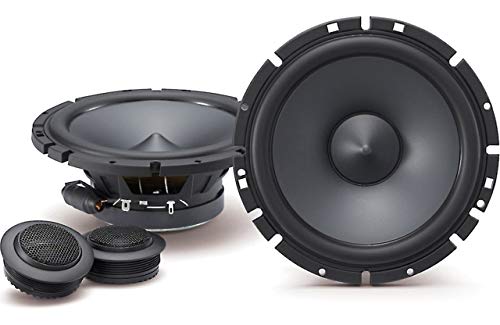 |
Alpine SPS-610C 6-1/2" Component 2-Way Type-S Speaker SystemAlpine | Upgrade pick | 6.5-inch · 2-way · component system | $179.95
Price as of 1 Nov 2026
|
View |
 |
JBL BassPro Nano 2 Compact 6 x 8-Inch Powered UnderseatJBL | Also great | 6 x 8-inch · 200W RMS · powered underseat | $349.95
Price as of 1 Nov 2026
|
View |
If your stock system already sounds clear at normal volume, begin with settings and listening checks before you buy anything. If it sounds dull, distorted, or weak only in one part of the range, use the table below to match the fix to the problem.
How we chose
The picks below are based on manufacturer specs, listing details, and published buyer feedback. The goal is the cheapest worthwhile move for a beginner, not the loudest setup on paper.
- Pick the first upgrade that fixes the real weak point.
- Favor parts that are simple to install cleanly.
- Prefer upgrades that still make sense if you stop there.
- Flag setups that can sound worse if settings or wiring are wrong.
Beginner upgrade decision table
| Starting point | First best move | Expected improvement | Risk | Approximate spend |
|---|---|---|---|---|
| Stock base stereo | Check settings first, then replace weak factory speakers if the sound is thin or fuzzy | Clearer vocals, less harshness, more useful detail at normal volume | Buying a bigger amp or sub before fixing the weak speakers | About $70 to $200 for speaker-first changes |
| Factory premium audio | Leave the branded system alone unless the sound is damaged, underpowered, or poorly tuned for your taste | Small gains if you only correct settings; bigger gains are less likely than beginners expect | Paying for a swap that loses factory tuning and integration | Often $0 for settings, or much more if you replace matched parts |
| Old car with worn speakers | Replace tired speakers before chasing an amp or sub | Restores clarity, reduces distortion, and brings back lost high end and midrange | Keeping cracked or fatigued speakers in the system | About $60 to $250 depending on speaker count and fit |
| Android/iPhone-first listening | Fix phone playback settings, cable quality, and source app before hardware | Cleaner streaming, fewer level jumps, better sound from the same car stereo | Blaming the car when the phone settings are the problem | About $0 to $40 for cables or adapter changes |
Use the table to avoid buying parts in the wrong order. If the car is already clear but lacks low-end weight, the first serious add-on is different from the first fix for a worn-out factory speaker set.
How do car audio terms mean: bass, midrange, treble, EQ, balance, and fader?
Start with the three frequency bands and the basic controls that shape them. Bass covers about 20 to 250 Hz, midrange runs from 250 to 4,000 Hz, and treble sits between 4,000 and 20,000 Hz. EQ, balance, and fader should all begin at neutral or centered settings.
The audible spectrum runs from 20 to 20,000 Hertz, which is the normal human hearing range. Bass carries much of the impact in a car. Midrange is where vocals and many instruments live, so clarity matters most there. Treble adds sparkle and detail, but too much can turn sharp and tiring.
Equalization means changing those bands with controls for bass, treble, and sometimes midrange. Flat EQ means leaving controls at their middle settings, which helps you hear music more accurately. Balance should stay centered left to right, and fader should stay centered front to rear unless a specific speaker layout calls for a change.
Begin with the part that is failing first. For many beginners, that means speakers before amplifiers, because tired or cheap factory speakers limit clarity long before the rest of the system runs out of power.
- Listen with EQ flat, balance centered, and fader centered.
- Decide whether the problem is clarity, volume, bass, or source quality.
- Replace worn or weak speakers before adding power.
- Add an amplifier only if the speakers are clean but under-driven.
- Add sound deadening if road noise or panel rattle is masking detail.
- Add a subwoofer only if the system still lacks low-frequency weight after the basics are right.
Suppose a compact sedan sounds fine at low volume but turns muddy when the volume goes up. That usually points to weak speakers, bad tuning, or clipping before it points to a missing subwoofer. Fix the source of distortion first.
What is the best beginner car audio pick?
The best beginner car audio pick is usually a speaker-first or source-unit-first upgrade, because it fixes the most common weak points without forcing you into a full-system rebuild. That is the safest first move for most beginners, especially when the stock system is still structurally sound.
Factory premium audio can be the right answer if the car already has a branded system that sounds good to you. Many automakers work with speaker companies like Harman and Bose on premium audio, and some systems are tuned by named engineers or producers. The 2019 Acura RDX, for example, offers a 710-watt audio system with 16 speakers tuned by Elliot Scheiner.
Pioneer DEH-S4220BT: best for simple head-unit swaps
This is for a beginner who needs Bluetooth calling, streaming, USB, and a straightforward single-DIN replacement. Based on the listed features, it is a clean first source-unit upgrade when the factory radio is outdated or missing modern phone support. The detachable face is a theft deterrent, but the unit still needs compatible dash fitment and proper installation for good sound.
Kenwood KMM-BT332U: best for phone control
This suits a beginner who streams from a phone and wants built-in Bluetooth plus USB charging and front AUX input. The 13-band EQ and time alignment tools can help shape sound without buying an external processor. The drawback is that more settings can tempt poor tuning if you boost instead of correcting the real issue.
Rockford Fosgate Prime R165X3: best for worn factory speakers
This is the better first move when old factory speakers are cracked, tired, or dull. The 6.5-inch coaxial design keeps the install simpler than a full component setup, and the included grilles and mounting hardware help with a basic replacement path. The tradeoff is that a coaxial pair is simple, not the most precise front-stage layout.
Alpine SPS-610C: best for front-stage clarity
This is aimed at a beginner who wants a more separated front stage and is ready for a more involved speaker install. A component 2-way setup usually makes more sense when clarity matters more than speed of installation. The drawback is installation complexity, which makes it a poor first choice if you want the easiest plug-and-play swap.
JBL BassPro Nano: best for compact bass
This is for a beginner who already has clear mids and highs but still wants more low-frequency weight. The built-in amplifier, underseat size, and high-level or low-level inputs make it a practical bass add-on once the rest of the system is sorted. The drawback is that bass add-ons can mask poor settings or weak speakers if you install them too early.
How to get good car stereo sound
Start by listening before you spend. If the sound is already clean at moderate volume, the cheapest worthwhile move may be no hardware change at all. If the system sounds off only because of bad settings, fix those first.
Road noise changes what you hear, so evaluate the system while driving on the roads you actually use. Check whether vocals stay centered, whether bass becomes boomy, and whether high frequencies turn harsh as speed rises. If the car sounds better at one app than another, the source may be the problem.
A common first-timer mistake is turning up bass to fix a thin mix. That can push small speakers into clipping, which makes the sound harsher instead of fuller. Another mistake is leaving an aftermarket unit on a boosted EQ curve before the basic balance is right.
How to improve car stereo sound
Begin with flat EQ, centered balance, and centered fader. That gives you a neutral baseline and keeps the car from sounding tilted to one side or one end of the cabin.
Then listen for the real failure point. If vocals are buried, midrange or speaker quality is the issue. If cymbals and air sound dull, treble may be rolled off or the speakers may be aging. If kick drums lack impact, you may need better low-frequency output, better speaker placement, or a sub only after the basics are handled.
Keep an eye on clipping. A small amplifier driven too hard can sound rough even when the speakers are decent. The fix is usually to lower the gain or reduce bass boost, not to add more hardware blindly.
How to make car stereo sound better
Use the cheapest fix that matches the symptom. Dead or distorted speakers should be replaced before you shop for amps. A good source unit can fix phone playback and control issues. Sound deadening helps when road noise and rattles hide detail, but it is rarely the first move for a system with already-worn speakers.
Picture a hatchback with a factory radio, tired front speakers, and a phone streaming at low volume. Replacing the speakers first will usually help more than adding a sub, because the missing clarity is in the mids and highs, not only the low end. If the sound is clean but thin after that, then look at bass support.
Do not assume a premium badge means the sound is ideal. Factory premium audio can be very good, but some systems are built for broad appeal rather than your taste. If you like the stock sound and only want a small improvement, stopping there is often the best value.
Which one should you buy?
Choose by starting point, not by hype. If you have a stock base stereo and want a safer first upgrade, start with the head unit or the front speakers depending on phone support and speaker age. If the car already has a good factory premium system, save your money unless a specific flaw bothers you.
If the car is older and the speakers are worn, replace the speakers first. If you listen mainly from a phone, fix source settings and connections before buying hardware. If you still need more output after the basics are right, then add an amplifier or a compact sub.
Budget rule: under roughly $100, focus on settings or a basic speaker swap. Around $150 to $250, a head unit or better replacement speakers can make sense. Past that point, only spend more if you have already identified the bottleneck. Stop upgrading when the system is clean, balanced, and easy to live with.
Frequently asked questions
What is the best car audio system?
The best car audio system is the one that fixes the car’s real problem without extra parts. For many beginners, that means fresh speakers or a better source unit, not a giant subwoofer. If the factory premium system already sounds balanced to you, keeping it can be the smartest choice.
Which car sound system is the best?
There is no universal winner because cabin size, road noise, and factory tuning change the result. Premium factory systems from automakers and partners like Harman or Bose can be excellent, especially when tuned for the vehicle. Aftermarket parts win only when they solve a specific limitation more cheaply.
How to get good car stereo sound: use neutral settings first
Use neutral settings first, then listen in motion. The audible spectrum runs from 20 to 20,000 Hertz, so small changes in bass, midrange, or treble can shift the whole presentation. Good sound in a car usually means clear vocals, controlled bass, and no harshness at normal volume.
Car audio for beginners
Beginners should avoid buying parts in the wrong order. Start with the car’s existing sound, compare it against road noise, and decide whether the first fix is speakers, a source unit, or settings. That keeps you from spending on bass hardware when the real issue is dull mids or bad phone playback.
Products related to this article
Sponsored / affiliate links. As an Amazon Associate I earn from qualifying purchases. I may earn additional commission from eligible campaigns.