Vinyl Wrap Film for Cars: Types, Cost & How to Choose
Car wrap vinyl comes in two main types — cast and calendered — and which one you buy determines how well it hugs curves, how long it lasts, and how much the whole project costs. Cast vinyl is thinner and more flexible, typically lasting 5 to 7 years (sometimes longer). Calendered vinyl is thicker and cheaper, but usually lasts only 3 to 5 years and resists curves more.
A full DIY wrap uses roughly 250 square feet of film and runs about $600 to $2,500 in materials alone. A professional install typically costs $2,000 to $6,000 depending on vehicle size and finish. This guide breaks down the film types, finishes, real 2026 costs, and what to check before you buy a roll.
What Is Car Wrap Vinyl? Cast vs. Calendered Explained
SMALL-BATCH CAST VINYL TO TEST A COLOR FIRST
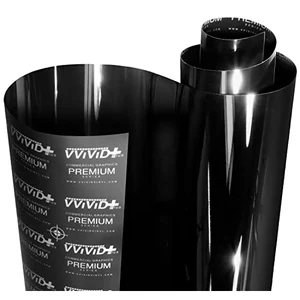 |
VViViD+ Ultra Gloss Premium Vinyl Car Wrap Film (1ft x 5ft, Gloss Piano Black) – $12.78 This is genuine cast vinyl — the more durable, curve-conforming type explained below — sold in a small panel size that is ideal for mirrors, trim, or testing a finish before committing to a full car kit.
|
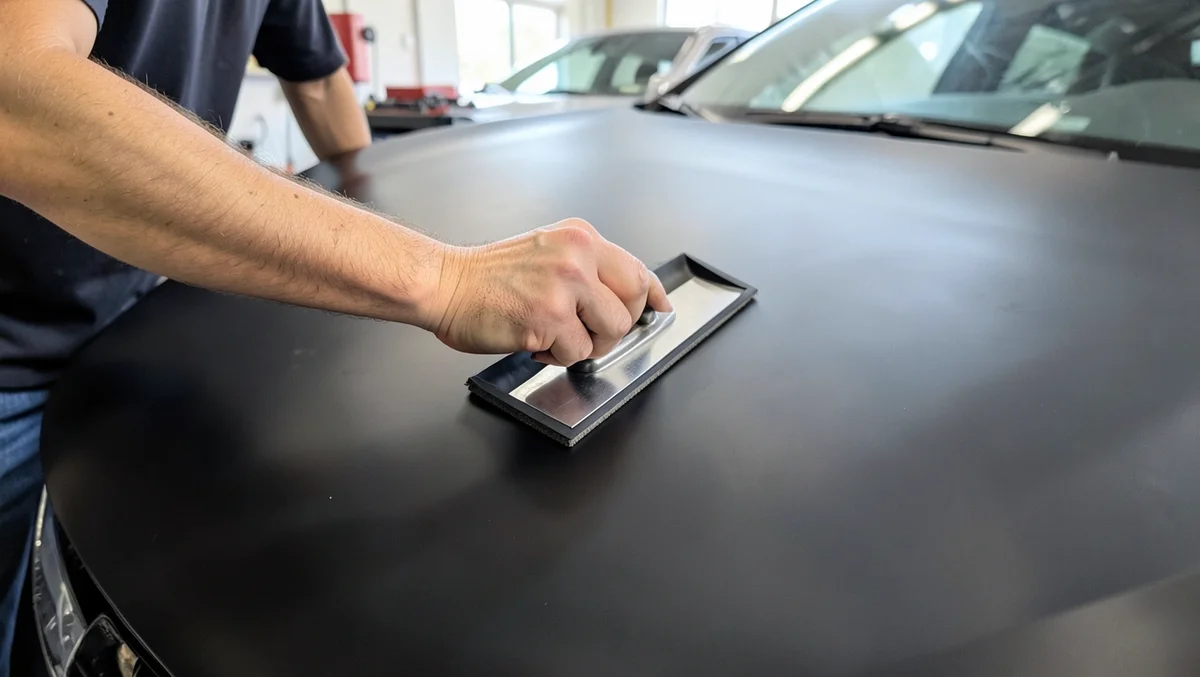
Car wrap vinyl is a thin, adhesive-backed film applied over a vehicle’s factory paint to change its color or finish, while adding a layer of protection underneath. Nearly every wrap film sold today falls into one of two manufacturing categories, and the difference matters more than most first-time buyers expect.
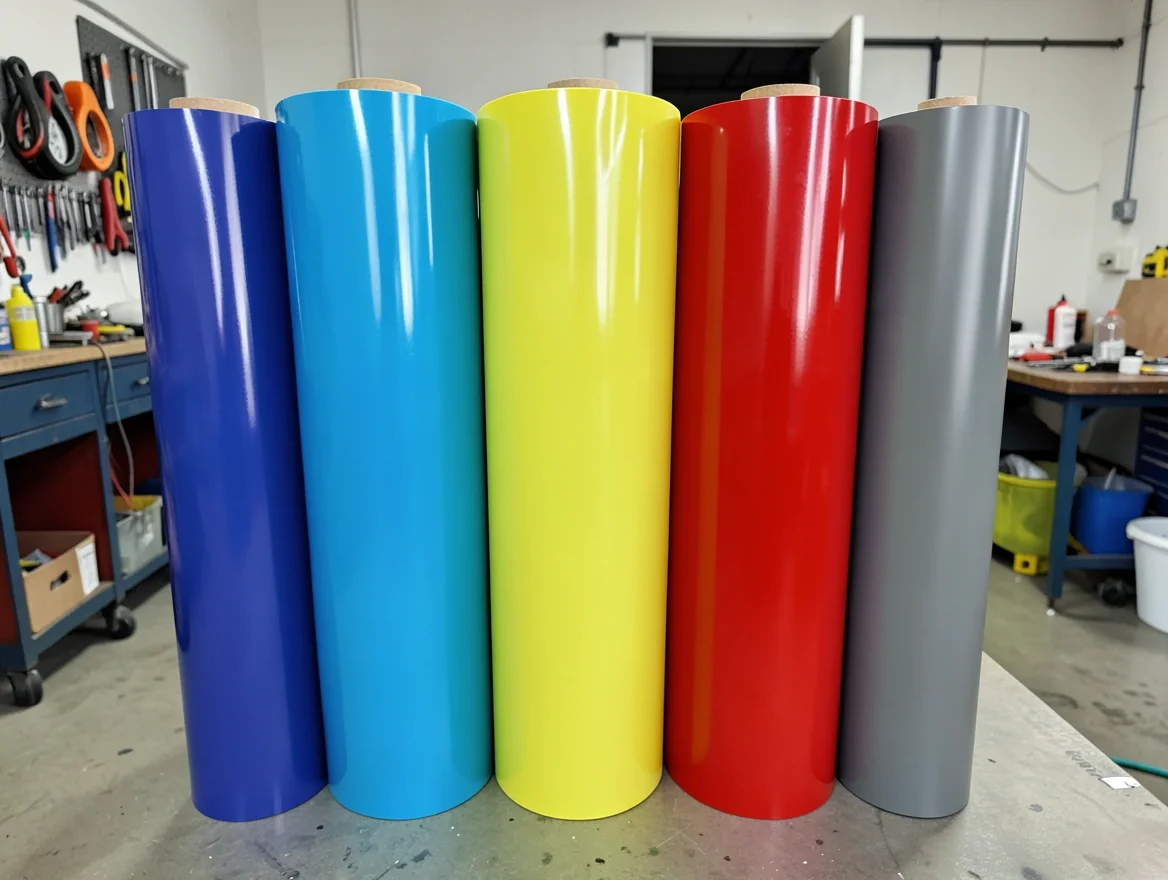
- Cast vinyl is poured as liquid PVC onto a casting sheet and cured into a thin, dimensionally stable film. Because it has very little “memory,” it stretches around curves, mirrors, and body creases without springing back, and typically lasts 5 to 7 years outdoors (some premium cast films are rated 7 to 10 years). It’s the type used by 3M, Avery Dennison, and most other premium wrap brands, and it costs more per square foot.
- Calendered vinyl is made by squeezing PVC between heated rollers into a thicker sheet. It’s less flexible, tends to shrink back slightly after being stretched over sharp curves, and typically lasts 3 to 5 years before fading or lifting at the edges. It costs less, which makes it reasonable for flat panels, short-term graphics, or a first practice project — but it’s a poor match for a car’s rounded bumpers and mirrors.
If you’re ready to apply vinyl yourself once you’ve picked a film, see our step-by-step guide to vinyl wrapping a car for the full application process, tools, and technique.
Vinyl Wrap Finishes: Gloss, Matte, Satin & More
Beyond cast versus calendered, the finish is what actually changes how the car looks. The most common options are:
- Gloss – a shiny, reflective finish that looks closest to factory paint. The most forgiving finish for hiding minor surface imperfections.
- Matte – a completely flat, non-reflective finish with a distinctive look. It shows fingerprints and swirl marks more easily and needs specific matte-safe cleaning products.
- Satin – a low-sheen finish between gloss and matte, popular because it hides minor scratches better than gloss while still reflecting some light.
- Chrome, carbon fiber texture, and color-shift/color-flip – specialty finishes that cost more and are generally more difficult to install cleanly, especially on curved panels.
How Much Does a Vinyl Wrap Cost? DIY vs. Professional
An average car needs roughly 250 square feet of film to cover its entire body. Material alone runs about $1.50 to $8 per square foot depending on the brand and finish, which is why full-car material costs vary so widely between a budget calendered wrap and a premium cast wrap.
| Wrap Approach | Typical 2026 Cost | Notes |
|---|---|---|
| Small test panel or trim piece | $10 – $25 | Enough for mirrors, trim, or testing a color before a full-car purchase |
| DIY, full car (materials only) | $600 – $2,500 | Roughly 250 sq ft of film; cast vinyl costs more per square foot than calendered |
| Professional, compact car or sedan | $1,800 – $3,500 | Includes labor, prep, and film |
| Professional, truck or SUV | $3,500 – $6,000 | More surface area and panels to cut around |
| Professional, luxury or exotic | $10,000 – $18,000+ | Complex curves and precision trim work drive labor cost up |
How Long Does a Vinyl Wrap Last?
Most vinyl wraps last 3 to 7 years, and the biggest factor is the film type: calendered vinyl typically fades or starts lifting at the edges within 3 to 5 years, while premium cast vinyl can hold up close to a decade with the right care. Beyond film type, a wrap kept mostly in a garage will outlast one parked outdoors in direct sun, and hand-washing with a pH-neutral soap (instead of an automatic car wash with abrasive brushes) noticeably extends the life of the film.
Reputable Vinyl Wrap Brands to Look For
Brand matters more with wrap film than with most car-care products, because a poor-quality vinyl can shrink, yellow, or peel within a year. A few names come up repeatedly among installers: 3M (its 2080 series is an industry standard for cast vinyl), Avery Dennison (Supreme Wrapping Film, also cast), and VViViD, which sells both cast and calendered options at a lower price point than 3M or Avery Dennison. Whichever brand you choose, confirm whether the specific product is cast or calendered — the same brand often sells both.
Frequently Asked Questions
What Is Vinyl Wrapping for Cars?
Vinyl wrapping is applying a thin, adhesive-backed vinyl film over a car’s factory paint to change its color or finish, or to add a layer of protection against minor scratches and UV fading.
What Is the Difference Between Cast and Calendered Vinyl?
Cast vinyl is thinner, more flexible, and lasts 5 to 7 years or longer. Calendered vinyl is thicker, cheaper, typically lasts 3 to 5 years, and does not conform to curves as well.
How Long Does a Vinyl Car Wrap Last?
Most vinyl wraps last 3 to 7 years depending on the film type, how much time the car spends outdoors, and how well it’s maintained. Calendered vinyl is on the shorter end; premium cast vinyl can last close to a decade with proper care.
Can a Vinyl Car Wrap Be Removed?
Yes. A properly installed wrap on a car with intact factory clear coat can be safely removed with heat and a plastic scraper without damaging the paint underneath, as long as it hasn’t been left on far past its rated lifespan.
Is a Vinyl Wrap Cheaper Than Painting a Car?
It depends on the quality tier being compared. A full wrap typically runs $2,000 to $6,000 professionally installed, which is usually less than a premium or show-quality paint job ($3,500 to $20,000+), but it can cost more than a basic single-stage repaint ($500 to $1,500).
How Much Vinyl Do I Need to Wrap a Whole Car?
A typical car needs roughly 250 square feet of vinyl film to cover its entire body, which is why most full-wrap kits are sold as large rolls rather than the small panel sizes used for trim or mirrors.
Bottom Line
Cast vinyl costs more but conforms to curves and lasts longer (5 to 7-plus years); calendered vinyl is cheaper and fine for flat panels or a short-term look, but typically needs replacing within 3 to 5 years. Match the film type and finish to your budget and how long you want the look to last, then buy enough — around 250 square feet for a full car — from a reputable brand like 3M, Avery Dennison, or VViViD.
Products related to this article
Sponsored / affiliate links. As an Amazon Associate I earn from qualifying purchases. I may earn additional commission from eligible campaigns.