Best Car Audio Systems for Older Cars (2026): we compared
For most older cars, the best audio upgrade is a single-DIN or classic-look head unit with Bluetooth plus a clean amp-and-speaker refresh; if the dash fit is ugly, a hidden Bluetooth amp is the safer move. Bad fitment wastes money fast, and bad wiring can leave alternator whine, dead accessories, or a hacked dash. This guide ranks the best upgrade paths for older cars by fitment risk, wiring simplicity, and the sound gain you can actually hear.
This guide is part of our Car audio systems guide series.
Best car audio systems for older cars: top pick and why
The best all-around path for most older cars is a single-DIN head unit with Bluetooth, USB, and proper wiring support, then speakers and amplification if the factory system is tired. It fits more dashboards, disturbs the wiring less, and avoids the fitment traps that make large screens a poor bet in classic and narrow-dash cars.
That top pick wins because old-car audio problems are usually a three-part issue: fitment, power, and speakers. A modern radio alone will not fix weak paper cones, rusty grounds, or brittle accessory wiring.
For most owners, the real gain is cleaner source quality, better calling, and steadier phone playback. Sound improvement beyond that comes from replacing the speakers, cleaning grounds, and adding proper power where the car can support it.
According to Our 7 Best Radio Systems For Cars With Navigation System Of… — The highlighted Jeep system uses 4GB RAM and 64GB storage.
Quick comparison
| Product | Badge | Best for | Price | ||
|---|---|---|---|---|---|
 |
Kenwood KDC-X305 eXcelon CD Car Stereo Receiver w/BluetoothKenwood | Our pick | CD receiver with Bluetooth and USB | $219.00
Price as of 30 Sep 2026
|
View |
 |
Alpine ILX-W670-M, 7-Inch Double DIN Digital MultimediaAlpine | Upgrade pick | 7-inch touchscreen with Apple CarPlay | $339.95
Price as of 30 Sep 2026
|
View |
 |
Pioneer DEH-S4220BT 1-Din CD Car Stereo with BluetoothPIONEER | Budget pick | 1-Din CD stereo with Bluetooth | $149.99
Price as of 30 Sep 2026
|
View |
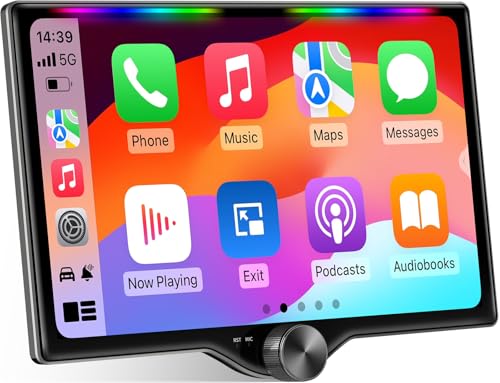 |
Kissound 10.1" QLED Double Din Car Stereo with WirelessKissound | Also great | 10.1-inch QLED with wireless CarPlay | $189.99
Price as of 30 Sep 2026
|
View |
 |
Soundstream RSM1.4000D, Compact Class-D SubwooferSoundstream | Pair with it | 4,000-watt Class-D subwoofer amp | $137.98
Price as of 30 Sep 2026
|
View |
The table below compares upgrade paths, not just products. That matters in older cars, where a radio that fits is often a better buy than a bigger screen that needs cutting, adapter stacks, or HVAC relocation.
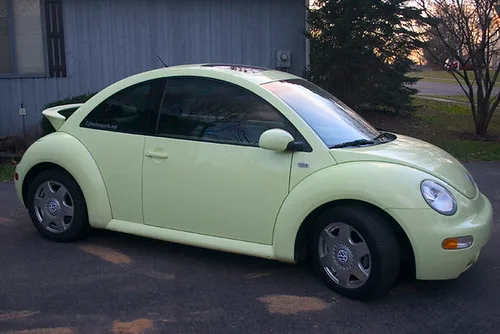
Use the matrix with the vehicle type in mind. A classic restoration, a late-90s daily, and a cheap beater all need different levels of fitment risk and electrical cleanup.
How we chose
We ranked each path by four things: fitment risk, electrical simplicity, real-world sound gain, and how much factory equipment can stay in place. We also counted hidden costs such as dash kits, wiring adapters, steering wheel control modules, backup camera wiring, and labor.
Older-car audio is not a head-unit-only decision. The safer choice is the one that matches dash depth, accessory power, grounding quality, and the owner’s tolerance for trim work.
Kenwood KDC-X305 eXcelon: best for a clean single-DIN upgrade
This is the best fit for older cars with a standard single-DIN opening and an owner who wants Bluetooth, USB, and a CD deck without turning the dash into a project. Based on the spec sheet and owner feedback, the appeal is simple: it stays compact, it keeps the install tidy, and its tuning tools are better than the bargain-bin norm.
The strong point is the 13-band equalizer, which gives more control over harsh doors and road noise than a basic tone stack. Pairing with up to 5 Bluetooth devices is useful in shared cars, and the frequency boost options help a weak cabin sound a little fuller after install.
The drawback is obvious: it is still a single-DIN receiver, so it will not deliver the screen-based CarPlay or Android Auto experience some buyers want. It also depends on the rest of the system being healthy; a head unit alone will not rescue damaged speakers or bad grounding.
Alpine ILX-W670-M: best for a shallow double-DIN CarPlay install
This is the safer double-DIN choice when the dash can take a touchscreen and the owner wants wired Apple CarPlay or Android Auto without a lot of depth drama. The 7-inch HD touchscreen is the right size for older-car retrofits that have room but not much extra volume behind the dash.
The ultra-shallow chassis matters. In older cars, depth is often the part that breaks the install, not the faceplate width, and a shallow body reduces contact with ducting, braces, and HVAC controls. The included backup camera support also helps when the car sits low or the rear window is hard to see through.
The drawback is that it still needs a proper dash kit, correct wiring, and enough room for the screen bezel to sit without fouling vents or trim. If the dash opening is odd, or the car has a shallow metal cage behind the radio, this can still become a trim-and-test job.
Pioneer DEH-S4220BT: best for a small dash opening with CD support
This is the sensible choice for classic cars and older daily drivers with a small dash opening where a screen would look forced. It gives Bluetooth, USB, AUX, and CD playback in a compact 1-Din package that fits many older dashboards with less drama than a touchscreen retrofit.
Its real advantage is packaging. When a car has narrow clearance, odd trim, or HVAC ducts crowding the radio cavity, a small receiver is easier to mount cleanly. Pioneer Smart Sync can add more phone integration, but the main value is that it keeps the dash looking original enough while still modernizing the source unit.
The drawback is that it is not a navigation-first or touchscreen system. If the owner wants CarPlay, Android Auto, or a camera display, this is the wrong path unless the goal is to preserve the dash and keep the upgrade modest.
Kissound 10.1-inch wireless CarPlay screen: best for screen-first retrofit value
This is aimed at owners who want a larger screen, wireless and wired CarPlay/Android Auto, and a lower purchase price than many name-brand touchscreen units. It is the most screen-forward option in this group, and the 10.1-inch QLED display is the reason people buy it for older trucks, late-90s SUVs, and restomod builds.
The upside is feature density: wireless CarPlay, wireless Android Auto, SWC support, backup camera support, and subwoofer output all fit a buyer who wants one unit to do a lot. It can be a strong value when the dash has the room and the owner is willing to sort out fitment.
The drawback is that larger universal screens are the most likely to clash with odd dash shapes, vent controls, or shallow radio cavities. In older cars, that means the unit can be a great spec-sheet match but a poor physical match unless the dash opening is wide, deep, and square enough.
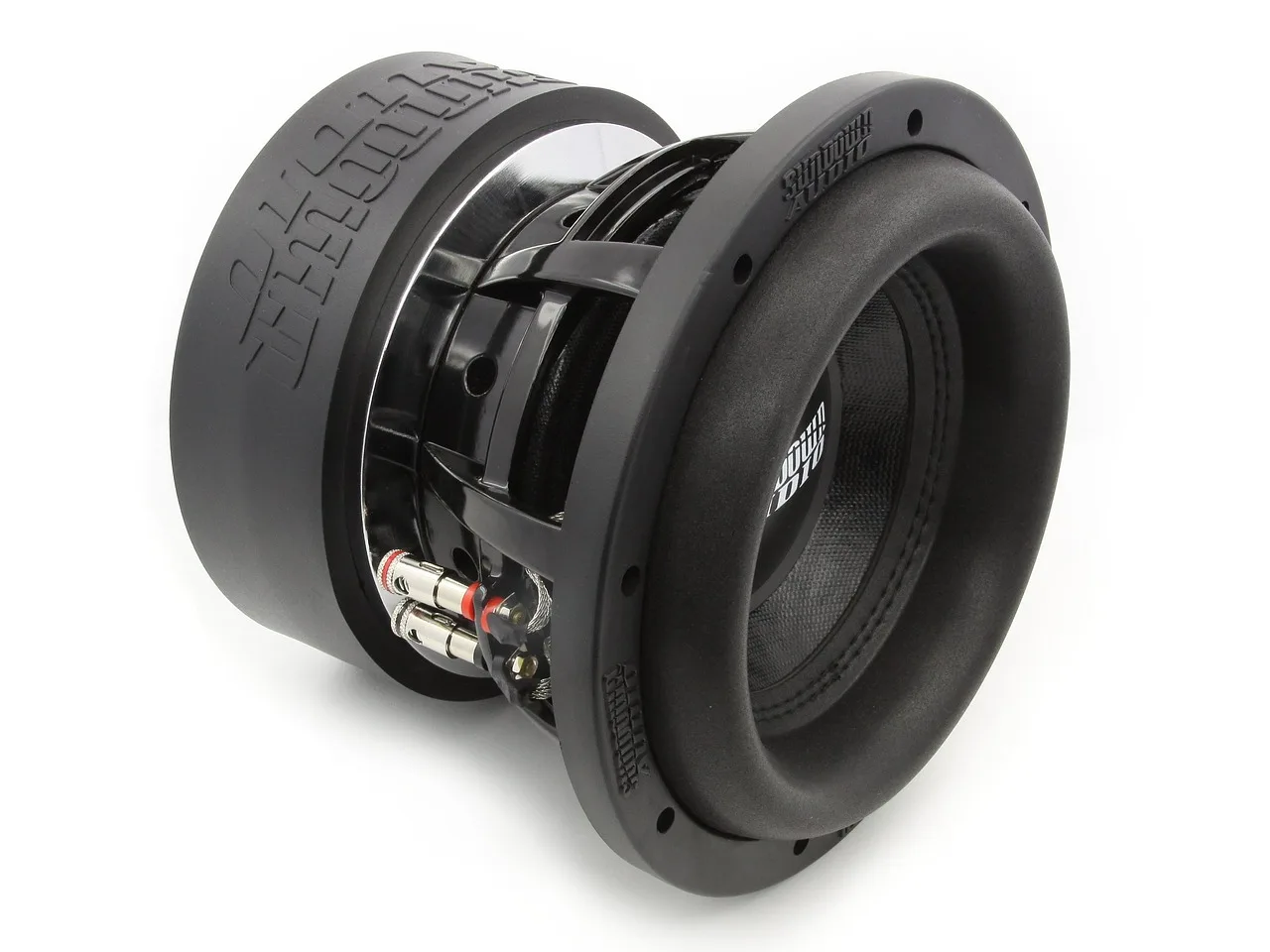
Soundstream RSM1.4000D: best for hiding real sound improvement
This is not a head unit. It is the better answer when the factory radio can stay and the real problem is weak bass or a thin system that needs amplifier support. In an older car, a compact mono amp can do more for perceived output than a cheap screen swap ever will.
The compact Class-D layout makes it easier to place in glove boxes, under seats, or in trunk spaces where older cars often still have some usable room. The RCA and speaker-level inputs also help when the source unit is original or semi-original, which matters for restorations and light-touch builds.
The drawback is that it solves one part of the system, not the whole car. It still needs correct power, ground, and fuse planning, and it will not fix weak front speakers or a noisy electrical system by itself.
Can I add CarPlay to an older car without replacing everything?
Yes, but only if the existing radio path can accept an add-on screen, external module, or a new head unit without wrecking the dash. In many older cars, the cleanest answer is still a head unit swap, while in others a hidden interface or separate display keeps the cabin closer to original.
When a head unit swap is enough
If the dash has a standard opening, the wiring is healthy, and the owner does not need the factory radio for originality, a head unit swap is usually the simplest route. Wired CarPlay or Android Auto works well in older cabins because it avoids the pairing drift that can happen with weak Bluetooth antennas and noisy interiors.
When you need a dash kit, wiring adapter, or interface module
A dash kit or trim kit becomes necessary when the new unit needs to sit flush in a shaped old-dashboard opening. A wiring adapter prevents cutting the factory loom, and a steering wheel control interface module is needed when the car has factory audio buttons that the owner wants to retain.
When keeping the factory radio makes more sense
If the dashboard is rare, a classic restoration is in progress, or the opening is so shallow that any screen would look awkward, keeping the original radio and adding a hidden amp, Bluetooth interface, or auxiliary source can be the smarter move. That path preserves appearance and avoids irreversible trim work.
Single-DIN head unit: best for small dash openings
Single-DIN remains the safest fit for many older cars because the chassis is compact, the opening is common, and the trim work is usually simpler. It is the right answer when the dash is narrow, the HVAC controls sit close to the radio, or the owner wants to avoid cutting metal or plastic.
Why single-DIN still fits many older cars cleanly
Older dashboards often have smaller radio pockets and more irregular trim than modern cars. A single-DIN unit leaves more room for brackets, wiring bends, and heat dissipation, which matters when the vehicle has aged insulation and accessory circuits that may already be stressed.
Bluetooth, USB, and CD/DVD tradeoffs
Single-DIN units often give Bluetooth hands-free calling, audio streaming, and USB playback without forcing a screen into a space that cannot support it. CD/DVD playback still matters for owners with old discs, and some units keep that feature while newer mainstream screens drop it.
Common install parts and fitment traps
A trim kit or dash kit is often required to make the radio look OEM-like. The trap is assuming the opening size is the only issue; shallow dashboards, odd DIN sizes, rear braces, and HVAC knobs can all block the chassis or make the face sit crooked.
Double-DIN head unit: best for CarPlay and Android Auto
Double-DIN is the right fit when the dash can physically accept the larger body and the owner wants CarPlay, Android Auto, and a larger display. It is not the default choice for every older car, because the width, depth, and surrounding controls have to clear the chassis and the screen.
When a larger touchscreen fits and when it will not
A larger touchscreen works best in late-90s cars, trucks, and restomods with a square radio opening and enough depth behind it. It is a poor fit when the radio area is narrow, when the face would cover vents, or when the car’s dash shape leaves no room for a clean bezel.
Dash depth, width, and HVAC clearance checks
Before buying, check width, depth, and the swing of any nearby HVAC controls. In older cars, a unit can fit the hole yet still fail once the wiring adapter, antenna lead, and USB pigtails are plugged in. That is where shallow chassis designs help.
Wireless versus wired smartphone integration
Wired CarPlay and wired Android Auto are often the better choice in older cabins because they are steadier and easier on small electrical systems. Wireless is convenient on paper, but older cars can have more RF noise, weaker mounting positions, and more pairing interruptions than modern vehicles.
What older cars need most: Bluetooth, GPS, or a better speaker path?
Most older cars need a better speaker path before they need a fancier screen. Bluetooth hands-free is the first useful feature for daily use, offline GPS matters for road trips or weak cellular coverage, and neither one matters much if the speakers are tired, the amp is weak, or the grounding is poor.
Bluetooth hands-free for calls and streaming
Bluetooth is still the baseline because it handles calls and streaming from a phone with little extra hardware. The quality difference comes from microphone placement, pairing stability, and how well the unit handles cabin noise from leaks, tire roar, and wind around old seals.
Offline GPS for weak-data road trips
Offline GPS is worth paying for when the car sees long trips, back roads, or areas where cellular data drops out. Built-in maps or app-based offline routing can be more dependable than live phone navigation when the cabin has poor reception or the driver does not want to rely on data.
Why speakers, amplification, and deadening can matter more than the radio itself
A new stereo does not fix old paper cones, cracked surrounds, or door metal that rings like a drum. A better source can help, but the real gain in an older car usually comes from speakers first, amplification second, and deadening where the panels flex and leak noise.
Fitment-and-upgrade matrix for older-car scenarios
This matrix maps the safest path by vehicle type, because the best choice for a classic coupe is rarely the best choice for a late-90s sedan. It also shows the hidden install risks people miss, especially power, grounding, and factory integration.
| Older-car scenario | Safest stereo path | Required parts | Hidden install risks | Expected real-world sound gain |
|---|---|---|---|---|
| Classic restoration with small dash opening | Single-DIN head unit or hidden Bluetooth amp | Dash kit, wiring adapter, antenna adapter, possibly speaker-level interface | Shallow cavity, brittle wiring insulation, originality concerns, limited accessory power | Moderate with speakers; modest from head unit alone |
| Daily-driver beater with tired factory radio | Single-DIN Bluetooth/CD receiver or compact hidden amp | Wiring adapter, fuse check, ground cleanup, optional speaker upgrade | Alternator whine, loose grounds, damaged speaker wiring, weak door speakers | Good for clarity and call quality; large gain only after speakers |
| Late-90s car with enough dash room | Shallow double-DIN CarPlay unit | Dash kit, wiring adapter, steering wheel control module if needed, backup camera kit | HVAC interference, depth conflicts, retained amp issues, poor camera routing | Good source upgrade; strong usability gain, sound gain depends on speakers and amp |
| Truck or SUV with factory amp | Double-DIN with integration support | Dash kit, amp interface, wiring adapter, antenna adapter | Factory amp turn-on issues, volume mismatch, retained chime systems | Moderate unless the factory amp is properly integrated |
Which one should you buy?
Buy the Kenwood if you want a compact, no-drama single-DIN upgrade with Bluetooth, USB, and CD support. Buy the Alpine if your dash can accept a shallow double-DIN and you want wired CarPlay, Android Auto, and backup camera support without going oversized.
Buy the Pioneer if the car needs a small opening and you still want CD playback. Buy the Kissound if the goal is a large screen and wireless phone integration, but only after verifying dash space and trim clearance. Buy the Soundstream if the factory radio stays and the system needs hidden bass support more than a new faceplate.
For budget planning, the stereo is only part of the bill. Add money for a dash kit, wiring adapter, antenna adapter, steering wheel control interface if needed, camera wiring, and labor. In older cars, that add-on total often decides whether the project stays sensible.
For vehicle type, the rule is simple. Classic restorations usually favor single-DIN or hidden audio. Daily beaters need reliability and clean wiring more than giant screens. Late-90s cars are the sweet spot for double-DIN because they usually have enough room for a modern interface without wrecking the dash.
Frequently asked questions
What is the best car audio system for an older car?
The best all-around setup is a single-DIN or shallow double-DIN head unit paired with better speakers and, when needed, a small amplifier. For many older cars, fitment and wiring safety matter more than screen size, because a clean install sounds better than a flashy one that rattles or hums.
Do older cars need a double-DIN stereo?
No. Many older cars are better served by a single-DIN unit because it fits more cleanly and avoids HVAC interference or trim cutting. Double-DIN is useful when the dash has the room and the owner wants CarPlay or Android Auto, but it is not the default answer.
Will a new stereo improve sound in an older car?
Yes, but usually only a little by itself. The bigger gains usually come from replacing weak speakers, fixing ground issues, and adding amplification when the factory system is underpowered. A new head unit mainly improves source quality, controls, and integration features.
How much should I spend on upgrading audio in an old car?
Plan for more than the radio price. The real budget should include the head unit, dash kit, wiring adapter, antenna adapter, any control interface, and possible labor. If speakers are also due, the total rises fast, but that is where the meaningful sound improvement usually comes from.
What features matter most for older cars: Bluetooth, CarPlay, or GPS?
Bluetooth is the baseline because it handles calls and music without much fuss. CarPlay or Android Auto matters most if the car is used daily and the owner wants app-based navigation and voice control. Offline GPS is the better choice for road trips where cellular coverage is weak.
Products related to this article
Sponsored / affiliate links. As an Amazon Associate I earn from qualifying purchases. I may earn additional commission from eligible campaigns.