Best Car Door Handle Covers for Easy Grip: We Compared
For easy grip, pick a textured silicone or rubber cover that matches your exact handle shape, or use a neoprene sleeve if the lever style fits that format. For scratch protection, a molded TPU cover or pre-cut film is commonly recommended. For mobility aid, choose a clip-on assist handle instead of a cosmetic sleeve. A bad fit can slip, hold moisture, or block the latch in heat, ice, or rain. This guide compares the best options by grip, protection, and access, with fitment and climate caveats.
Quick comparison
| Product | Badge | Best for | Price | ||
|---|---|---|---|---|---|
 |
Door Handle Covers, 2 pcs safety Silicone Door Handlehomfanseec | Our pick | 2 pcs · silicone · anti-collision | $9.99
Price as of 25 Oct 2026
|
View |
 |
4 Pack Neoprene Door Handle Covers for Lever Handles, HeatKingshion | Also great | 4 pack · neoprene · lever handles | $8.87
Price as of 25 Oct 2026
|
View |
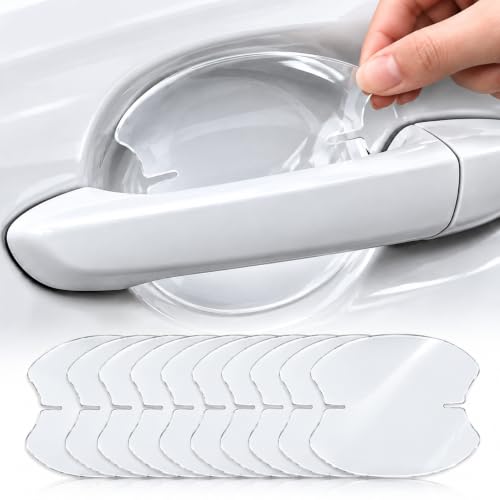 |
10 Pack Clear Car Door Handle Scratch Protector, TPU DoorQimevoya | Budget pick | 10 pack · clear TPU · scratch guard | $6.99
Price as of 25 Oct 2026
|
View |
Use this comparison to sort the problem first: easier grip, paint protection, or mobility support. Fit matters more than material alone, especially once you account for handle shape, keyhole placement, and weather exposure.
How we chose
We compared four things first: fitment, material, climate risk, and install complexity. That means year range, trim and side matching, adhesive prep, and whether the part changes the handle’s shape enough to help small hands, gloves, or limited grip.
We also separated exterior covers, interior covers, and mobility grip aids, because they solve different problems. A scratch film does not help someone with arthritis, and an assist handle is not a paint-protection part.
Door handle comparison matrix
| Use case | Grip benefit | Fitment type | Climate risk | Install complexity |
|---|---|---|---|---|
| Daily scratch protection on exterior cups | Low; mainly a cleaner surface | Model-specific, pre-cut TPU film | Medium; heat can soften adhesive | Low if surface prep is thorough |
| Outdoor handle scuff control on a sedan | Low to medium if the cover adds texture | Outer handle, year-matched shell | Medium; wash pressure can lift edges | Medium; alignment matters |
| Small hands needing a thicker grasp | Medium; diameter change can help | Slip-on exterior sleeve | Medium; cold can stiffen some materials | Low |
| Gloved winter use | Medium; texture helps more than gloss | Textured silicone or neoprene sleeve | Medium to high if adhesion is weak | Low |
| BMW interior wear cover | Low to medium | BMW-specific snap-on or replacement trim | Low | Low to medium |
| No-panel-removal refresh inside the cabin | Low | Direct-replacement interior cover | Low | Low to medium |
| Arthritis or weak pinch strength | High if using a mobility grip aid | Portable clamp-on assist handle | Low | Low |
| Portable emergency exit aid | High | U-shaped latch-compatible assist tool | Low | Low |
| Truck with larger exterior handles | Medium | Vehicle-specific exterior fit | Medium | Medium |
| SUV with smart key sensor concerns | Low to medium | Sensor-aware, model-specific cover | Medium | Medium |
| Old clear-coat scratches around the cup | Low | Pre-cut scratch film | Medium | Low |
| Winter grip for a bare metal lever | Medium | Neoprene or silicone slip-on sleeve | Medium | Low |
Door handle covers, grip aids, and scratch film: best for each need
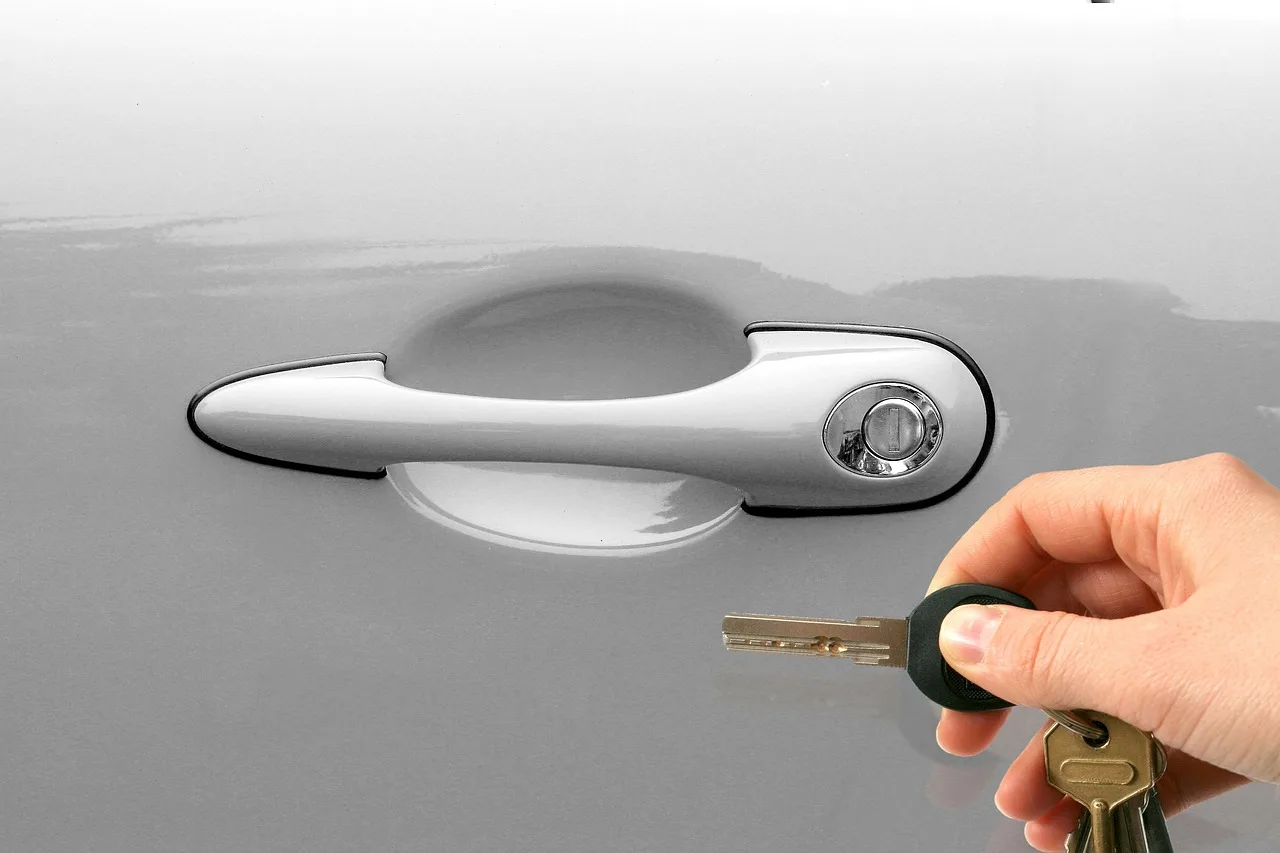
For easy grip, the best option changes handle feel without blocking the latch or sensor. For scratch protection, a molded exterior film or cover is the better fit. For mobility support, choose a dedicated assist handle instead of a cosmetic sleeve.
Exterior door handle covers: best for scratch protection
Exterior covers are the right choice when the problem is fingernail scratches, ring and bracelet scuffs, key scrape halos, or clear-coat wear around the handle bowl. Look for ABS or TPU construction, because those materials are common in molded shells and films shaped for the handle area rather than stretched loosely over it.
Model-specific fitment matters here. A cover that fits a 10th Gen Honda Civic from 2016 to 2021 is not a universal answer for every sedan, SUV, or truck, and left-right side placement can differ. Smart keyhole compatibility also matters, because a cover that overlaps the sensor zone or obscures the keyhole can create more trouble than it solves.
Adhesive-backed versions usually rely on 3M automotive-grade tape or a similar peel-and-stick strip. That tape can hold well when the surface is cleaned, dried, and degreased first, but summer heat can soften weak prep and car-wash spray can lift edges if the adhesive is not fully bonded.
Use the outer-handle style when you want more hand contact and a firmer edge. Use the bowl insert style when you want to protect the painted recess from repeated nail and ring marks without changing the main pull point as much.
Interior door handle covers: best for worn touchpoints
Interior covers make more sense when the problem is a worn touchpoint inside the cabin, not an exterior paint issue. PC+ABS and PVC leather are the main constructions to look for, and they usually aim at wear control, scratch protection, and a cleaner feel on the inside pull handle.
Fit can be snap-on or direct-replacement. BMW-specific variants matter because some interiors need a trim-matched shape rather than a generic overlay; TTCR-II interior covers, for example, are listed for BMW Sedan 323, 325, 328, 330, and 335. LHDOS interior covers use PVC leather and magic tape for installation, while Jaronx uses ABS+PC and WEILEITE uses PC+ABS.
The biggest advantage is install simplicity. Many interior covers are designed to go on without panel removal, which lowers the risk of broken clips and saves time. The tradeoff is that you still need the exact handle contour, because a loose edge can squeak or peel with repeated use.
A common first-timer mistake is buying an interior cover for “BMW sedan” without checking the exact series and side. That is how a part ends up covering the wrong trim line or sitting proud enough to catch a fingertip every time the door is opened.
Best product picks for the common use cases
Homfanseec silicone door handle protector: best for hot or cold exterior grip
This is the best fit for drivers who want a simple exterior sleeve that feels easier to grab in heat or cold. The stretchable silicone design is meant to fit most standard handles, and the anti-collision shape adds a bit of hand protection without turning the handle into a bulky add-on.
The drawback is fit precision. A stretch sleeve can help with grip, but it can also shift if the handle shape is unusual, and it is not a substitute for model-specific scratch film on a painted cup.
Kingshion neoprene door handle covers: best for padded lever grip
This is the better choice when the issue is comfort on a lever-style handle rather than paint protection. The neoprene construction gives a soft cushioned feel, and the slip-on design avoids adhesive, which makes it a practical option for quick fitment and easy removal.
The tradeoff is that lever-only fit limits where it works, and it does not solve exterior scratch damage around a painted bowl. It is also less specific than a vehicle-matched molded cover, so check handle shape before you buy.
Qimevoya clear TPU door cup film: best for scratch protection
This is the best option when scratch protection is the top priority. The clear TPU film is pre-cut, self-adhesive, and designed to protect the door cup area while staying visually discreet, which is useful when you want to stop fingernail and ring marks without changing the look of the handle.
The drawback is that film protects rather than changes grip. It will not meaningfully help small hands or arthritis, and it still depends on careful surface prep and good alignment to avoid edge lift or visible bubbles.
How to choose by fitment, climate, and use case
Start with the problem. If the handle scrapes paint, choose a molded TPU or ABS exterior cover with the exact year range, trim, side, and keyhole match. If the handle feels worn inside the cabin, choose a PC+ABS or PVC leather interior cover that installs without panel removal. If the driver needs support getting in or out, choose a mobility grip aid instead.
Then check climate. Summer heat can weaken marginal adhesive, winter can make some materials feel brittle, and car washes can lift poorly prepped edges. A clean surface matters as much as the product itself, especially for peel-and-stick parts that rely on 3M automotive-grade adhesive.
Suppose you drive a 2018 sedan with a painted exterior cup and a keyless-entry sensor under the handle. A generic sleeve may feel better in the hand, but a model-matched TPU film is the safer choice if you want scratch protection without risking sensor interference or overlap near the keyhole.
Picture an SUV owner with gloved hands in January. A textured sleeve can help, but only if the fit is tight enough that the cover does not rotate or trap moisture at the edge. If the goal is mobility rather than texture, a separate assist handle is the cleaner solution.
Are door handle grip aids better for mobility?
Yes. For mobility support, a purpose-built grip aid is better than a cosmetic handle cover because it changes body support, not just feel. The better models are rated for load-bearing use, fit a U-shaped latch, and can be kept in the vehicle as a portable emergency tool for getting in or out with less strain.
KOUNATSURI lists a 2Pack car door handle aid with a 400 lb load capacity, and one variant uses a foam rubber grip while another uses a non-slip PVC grip. PELEGON lists support up to 300 lbs. Those figures matter because they describe support use, not surface styling.
The drawback is that a grip aid is not meant to stay on the car as a cosmetic part. It is a separate tool, and it should be checked for latch compatibility before use so it sits securely on the U-shaped catch and does not shift under body weight.
Which one should you buy?
Choose an exterior cover if you want scratch protection first. Choose an interior cover if the cabin handle is worn and you want a cleaner touchpoint without removing the door panel. Choose a grip aid if the real issue is getting in and out safely.
For budget exterior protection, some vehicle-specific kits are listed at around $20 and are often described as taking about 10 minutes to install. Those numbers show why a matched cover can make sense when the paint is not already damaged beyond surface wear.
For a sedan or SUV with a known year range, buy the vehicle-specific cover first. For a BMW interior, look for trim-specific fit and avoid panel removal if that is a priority. For winter use, prefer textured grip materials over glossy shells, but do not assume any sleeve will solve ice, condensation, or frozen latch issues.
Frequently asked questions
What are the best car door handle covers for easy grip?
The best easy-grip option is a textured silicone or neoprene sleeve that fits the exact handle shape and does not interfere with the latch. For exterior paint protection, a TPU film is better; for mobility support, a dedicated assist handle is the right tool, because it changes body support instead of just surface feel.
Do car door handle covers fit universal or specific models?
Some are stretch-fit and work across similar handles, but the safer choice is vehicle-specific fitment. Check year range, trim level, left or right side, sedan versus SUV versus truck, and smart keyhole compatibility. A cover that misses any of those details can sit poorly, block access, or peel at the edges.
Are car door handle covers good for winter or cold weather?
They can help grip in cold weather, but they are not immune to winter problems. Cold can make some materials feel stiffer, and weak adhesive can lose hold when moisture, ice, or repeated wash cycles get under the edge. For winter, texture and fit matter more than glossy finish.
How do I install car door handle covers without damaging paint?
Clean the surface thoroughly, dry it fully, and remove wax or road film before applying any adhesive-backed cover. Use even pressure on the tape, especially around corners, because that is where lift starts. If the part needs force to fit, the fitment is probably wrong and can scratch paint during installation.
Will door handle covers affect keyless entry sensors?
They can, if the cover overlaps the sensor zone or changes how your hand reaches the detect area. That risk is highest with bulky exterior shells and poor fitment. Before buying, check that the product is made for your exact handle layout, including keyhole and sensor placement.
How long do adhesive car door handle covers last?
Longevity depends on adhesive quality, surface prep, heat exposure, and how often the vehicle is washed. A well-matched part with clean prep can last far longer than a poorly aligned one, but summer heat, car-wash pressure, and repeated edge lifting shorten service life quickly. Replace it if the edge starts to peel or trap grit.
Products related to this article
Sponsored / affiliate links. As an Amazon Associate I earn from qualifying purchases. I may earn additional commission from eligible campaigns.