Kidde Car Anti-Theft Steering Wheel Lock Review
This steering wheel lock is best suited to daily parking because the yellow finish stands out, the universal fit works for cars, vans, and SUVs, and the twin-hook layout looks more serious than a plain bar.
Verdict

For commuter parking, that balance matters. For long-term storage, a steering wheel lock is still only one layer of protection, and you should pair it with a garage, alarm, or other vehicle security measure if theft risk is high. If you need zero-contact storage or a truly exact fit on a thick wheel, keep shopping.
Specs at a glance
| Item | What the listing gives you | Why it matters |
|---|---|---|
| Product | Winner International The Club 3000 Twin Hooks Steering Wheel Lock, Yellow | Visible, everyday-use steering wheel lock |
| Lock type | Mechanical steering wheel lock with twin hooks | Locks the wheel and adds a visible barrier |
| Finish | Yellow | High-visibility deterrent in parking lots |
| Fit | Universal fit for cars, vans, and SUVs | Better odds of fitting multiple vehicle types |
| Included items | Check the manufacturer’s listing for your model | Key count and extras can vary by package |
| Weight | Not listed in the supplied product data | Check the manufacturer’s listing for your model |
| Price | $35.93 | Squarely in the midrange price band |
Who it
The yellow lock is best for commuters who want a fast visual deterrent and a quick on-off routine. It also fits vehicles parked in shared lots, public garages, or on-street spaces, where a bright lock can change a thief’s first impression in seconds.
It is a weaker fit for owners who park for long stretches and want the least possible contact with the wheel. If your wheel is thick, oddly shaped, or already wears a cover that crowds the rim, confirm the fit before buying. A steering wheel lock that binds or rubs becomes a daily nuisance.
Suppose you park in a condo lot and want a visible barrier you can mount before walking away. A yellow twin-hook lock fits that routine better than a bulky device that eats time every morning. Now change one variable: if your truck wheel is thick enough that the hooks sit tight against trim, the same lock can become annoying or risky.
How does a steering wheel lock work?
A steering wheel lock is a mechanical anti-theft device that blocks wheel movement and makes the car look harder to steal. The point is simple: if the wheel cannot turn freely, the vehicle is harder to drive away, and the bright hardware is easy to spot through the glass.
The locking mechanism may use a keyed cylinder or a password-coded design. Keyed locks are common and simple; coded locks avoid a key but add the risk of forgetting the combination. A thief can still target the steering column, ignition, glass, or the lock body itself, so the device is a barrier, not a guarantee.
What thieves can still target
Visible deterrence matters most against opportunistic theft. It matters less against someone who has time, tools, and privacy. Some locks resist casual prying better than others, but no steering wheel lock should be treated as theft-proof. The goal is to add time, noise, and inconvenience.
What works
Daily convenience is the main reason to buy this kind of lock. A model like the yellow lock makes sense when install speed matters, because a commuter tool that takes too long usually gets left in the trunk. The bright finish also helps in dim garages and open lots.
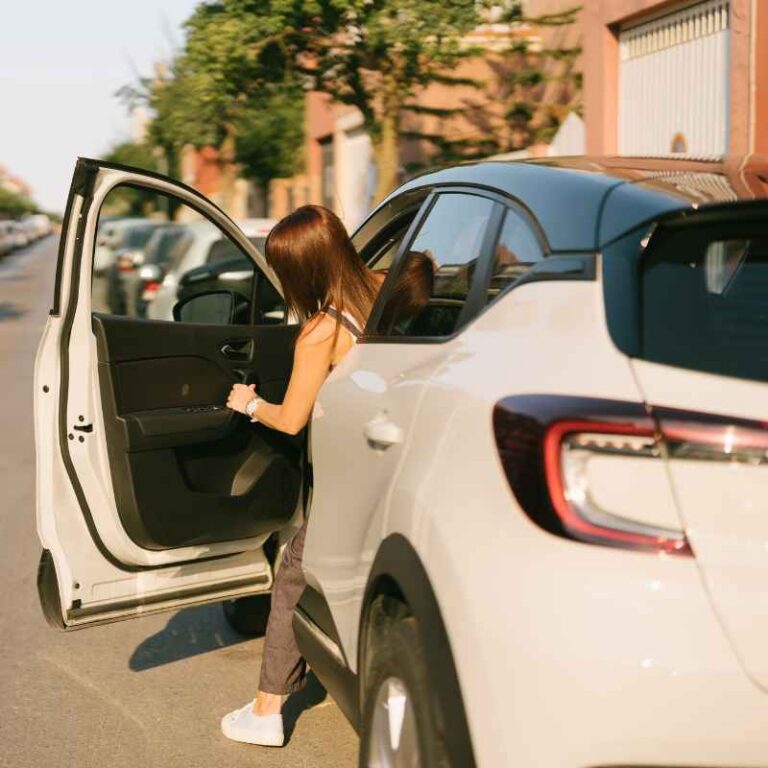
Universal fit is another plus. Steering wheel locks are sold for sedans, SUVs, vans, and trucks because many designs span a wide range of steering wheel diameters. That said, fit is still the first thing to check. Universal does not mean every wheel shape, thickness, or accessory setup will work cleanly.
Visibility and handling
Bright colors are not decoration. They are part of the theft-deterrent role. In a parking lot, a yellow or red lock can tell a thief that the driver takes security seriously, and that can be enough to send them toward an easier target.
The Club 303 is a useful example of the same idea: it is finished in bright red, weighs 2.6 pounds, and has a locking length of 22.5 to 30 inches. It attaches the steering wheel to the brake or clutch pedal, which makes it more obvious and more awkward to ignore. That layout works when you want the device seen from outside the car.
Key handling and included extras
Key management is part of the real-world use case. A keyed cylinder is fast, but only if you keep track of the keys. Some locks ship with spare keys or multiple keys, and that matters more than many shoppers expect. Lose the spare, and the lock becomes a storage problem instead of a security tool.
A combination model can solve the key-loss issue, but it shifts the risk to the code. That is a broad span, but it still needs a clean wheel shape and a code you will remember.
What does not?
Scratch risk is the biggest daily-use drawback. A lock that clamps tightly, rubs at the wrong angle, or has rough contact points can wear the steering wheel coating over time. Driving the Backroads reported one steering wheel lock damaged the steering wheel, which is exactly the failure mode buyers miss when they focus only on theft deterrence.
Bulk is another tradeoff. The more metal and hooks a design carries, the more awkward it can be to store, carry, and position. A heavier lock can also be slower to mount if you park and leave the car several times a day. That friction matters when the product is supposed to save time, not steal it.
Keyed versus coded tradeoffs
Keyed locks are simpler to operate, but they depend on a physical key and a working cylinder. Coded locks remove the key, yet they can be slower to set up if you forget the sequence. Either way, drilling, cutting, and prying resistance depends on the specific build, not on the category name alone. Check the listing for the lock body, cylinder, and hook construction.
For daily parking, the safest choice is usually the one you will actually use every time. For storage, convenience matters less than deterrence and fit. That is why a bright, fast lock often wins for commuting, while a more deliberate setup can make sense for vehicles that sit for days.
Emergency-hammer features
Some pedal-lock designs include extra safety tools, such as an escape hammer or window-breaker tip. Walmart lists a brake pedal lock with an escape hammer and three keys. That can add value if you want one tool to do more than one job, but the add-on should not distract from the lock’s main purpose: immobilizing the wheel or pedal area.
Steering wheel lock checklist
| Parking scenario | Steering wheel thickness | Lock type | Install time | Scratch risk | Key management risk | Best-fit recommendation | Pass/fail decision |
|---|---|---|---|---|---|---|---|
| Street parking overnight | Standard rim, no thick cover | Bright keyed twin-hook lock | Quick | Low to moderate if padded and aligned | Moderate if you carry one key only | Good for visible deterrence and fast daily use | Pass |
| Public lot all day | Moderate thickness | Universal adjustable lock | Quick to moderate | Moderate if the clamp sits tight | Moderate if the code or spare key is poorly managed | Good if you want a strong visual cue | Pass |
| Garage parking at home | Any typical passenger-car wheel | Low-profile keyed lock | Quick | Low if fit is clean | Low with a spare stored separately | Works if theft risk is lower and convenience matters | Pass |
| Long-term storage | Thick wheel or wheel cover | Any lock that rubs trim | Not the main issue | Higher if the fit is forced | Higher if you forget the code or misplace keys | Consider other layers first; confirm fit before buying | Fail |
Before you buy, inspect the listing for coating quality, cylinder feel, hook clearance, and whether the lock can sit without pressing hard into the wheel rim. A smooth cylinder and clean contact surfaces matter more than flashy marketing. So does fit on thick steering wheels, especially if you use a cover.
How to choose
- Measure the steering wheel diameter or inner span the product claims to fit.
- Check whether the lock is keyed or coded, and decide how you will manage the key or code.
- Look for visible paint or bright color if you want parking-lot deterrence.
- Confirm the lock can mount without scraping trim or pinching the wheel cover.
- Decide whether you need the fastest possible install or the highest barrier effect.
A common first-timer mistake is buying for deterrence alone and ignoring storage. A bright lock that lives in the back seat every day is not helping much. Suppose your sedan parks on the street during the week and in a locked garage on weekends. In that case, a quick-use yellow lock is easier to live with than a heavier device you start resenting after a few mornings.
What to buy instead

The Tevlaphee Steering Wheel Lock Anti-Theft Car Device is the stronger pick if you want a black, less flashy option with a twin-hook layout. The listing says the twin-hook design adds extra resistance, and the adjustable fit works on many vehicles. The tradeoff is simple: lower visibility can be better for discretion, but it gives up some of the parking-lot deterrence that bright colors provide.
Another Tevlaphee variant uses four locking hooks and twin bars, while the black version includes a copper core and durable encoding keys. Those details point to a more hardware-focused approach, but the right choice still depends on your parking pattern. If you want the lock to stand out, yellow is the better cue. If you want the device to blend in, black makes more sense.
For thick steering wheels or a broader fit range, a combination lock can help. Just remember that coded locks move the burden from the key ring to your memory.
Should you buy it?
Buy the yellow lock if you want a daily driver lock that is quick to mount, easy to spot, and suitable for routine commuter parking. It is a better fit for parking lots and street parking than for long-term storage where you want the least possible contact with the wheel.
Skip a steering wheel lock if you need a truly universal fit, have a thick wheel that already runs tight, or want the lightest possible routine. A lock is a useful layer, not a full security plan. Used with other measures, it can be worth the money. Used alone, it is only one barrier.
Frequently asked questions
How does a steering wheel lock stop car theft?
A steering wheel lock stops theft by physically blocking wheel movement and making the car harder to steer away. It also creates a visible deterrent. That matters because thieves often prefer the easiest target in a parking lot, and a bright lock signals extra time, noise, and risk.
Will a steering wheel lock fit my car, SUV, van, or truck?
Many steering wheel locks are sold as universal fit products for cars, SUVs, vans, and trucks, but the real test is wheel size and shape. Check the listing for steering wheel diameter or diameter range, then confirm that thick wheel covers or odd rim shapes will not interfere with the clamp.
Are keyless steering wheel locks safer than keyed ones?
Not automatically. A coded lock removes the physical key, which helps if you lose things easily, but it adds the risk of forgetting the combination. A keyed lock is simpler for many drivers and can be faster in daily use. The better choice is the one you can operate correctly every time.
Can a steering wheel lock damage the steering wheel?
Yes, it can if the contact points rub, the fit is forced, or the coating wears over time. That is why fit and finish matter. A lock that sits cleanly with smooth contact surfaces is less likely to scratch trim or leave marks than one that binds against the wheel.
How much should I expect to pay for a steering wheel lock?
Budget options commonly fall around $15.99 to $35, while midrange options often land around $29.24 to $64.59.
Do steering wheel locks work in addition to other car security measures?
Yes. They work best as one layer in a broader security plan. A steering wheel lock adds a visible barrier, but it does not replace alarms, locked garages, immobilizers, or careful parking habits. For long-term storage, layered protection matters more than any single device.
Products related to this article
Sponsored / affiliate links. As an Amazon Associate I earn from qualifying purchases. I may earn additional commission from eligible campaigns.
 4G GPS Tracker Car Anti-Theft Long Battery Life 20000mAh Real Time GPS Tracking Device Magnet No Geographic Restriction Car Tracker with Alerts, Geo Fence, History Playback TK905C
 RV Tire Covers Set of 4 for All-Weather Heavy Duty Wheel Covers, Waterproof UV Sun Protector 420D Oxford for Trailer, Camper, Truck, Motorhome, SUV Universal Fits Diameters 27-29 inch