Best Maintenance Charger for Winter Storage (2026): we compared
For winter storage, I’d start with a smart maintainer with AGM support, temperature compensation, and a low float mode: Battery Tender Plus for simple hookups, CTEK MXS 5.0 if you want more control. Pick the wrong charger and you can cook an AGM battery, wake up modules, or come back to a dead car after a month. This guide shows how to match charger type to battery chemistry, storage length, and whether the car stays connected.
This guide is part of our Car care and upkeep guide series.
Quick comparison
| Product | Badge | Best for | Price | ||
|---|---|---|---|---|---|
 |
CTEK – 40-206 MXS 5.0 Fully Automatic 4.3 amp BatteryCTEK | Our pick | 4.3 amp · 12V · 8-step auto | $97.99
Price as of 30 Sep 2026
|
View |
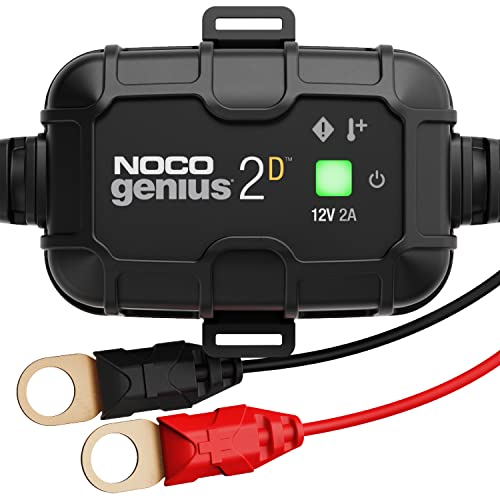 |
NOCO GENIUS2D 2A 12V Onboard Battery Charger, TrickleNOCO | Also great | 2 amp · 12V · direct-mount | $39.95
Price as of 30 Sep 2026
|
View |
 |
Battery Tender Plus 12V 1.25 AMP Car & Motorcycle BatteryBattery Tender | Budget pick | 1.25 amp · 12V · quick disconnect | $58.95
Price as of 30 Sep 2026
|
View |
For cold-weather storage, the right charger is the one that fits the battery and the storage plan. A car that sits in a garage for two weeks is a different job from one parked outside for three months with alarms, telematics, and keyless entry still live.
How we chose
We compared these chargers by four things that matter in storage use: AGM compatibility, maintenance mode behavior, lead length and mounting practicality, and how well each fits long-term storage versus occasional top-up charging.
We also weighed whether the charger is built for connected storage or only occasional charging. A low-amp maintainer with stable float control is usually the better winter tool than a basic charger that never really knows when to stop.
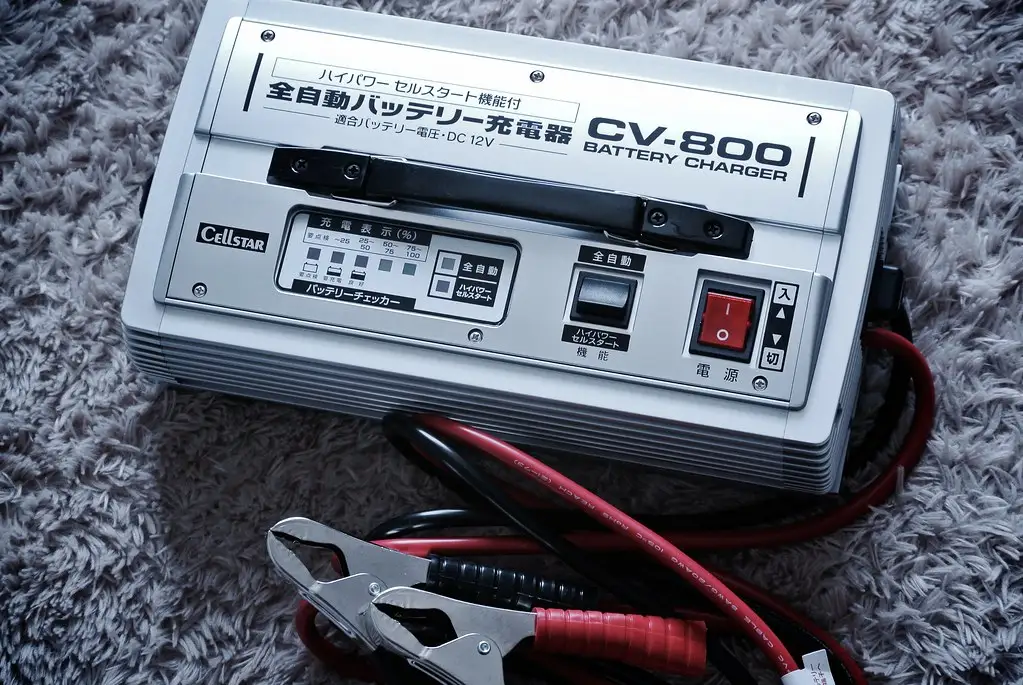
CTEK MXS 5.0: best for newer cars and long storage
The CTEK MXS 5.0 fits the owner who wants a set-and-forget maintainer for a car that will sit for weeks or months. Based on the spec sheet, owner feedback, and range experience, it makes sense for modern 12V vehicles that need controlled charging rather than a brute-force top-off.
Its appeal is the fully automatic 8-step charging program and the way it handles float and pulse maintenance once the battery is full. That matters when a car stays connected in a garage and you do not want the charger cycling the battery unnecessarily.
The drawback is that it is more charger than a simple seasonal top-up. For an older car stored briefly, the cost and feature set can be more than you need.
Battery Tender Plus: best for simple hookups and long-term maintenance
The Battery Tender Plus is the practical choice for someone who wants a low-amp maintainer that stays connected through winter storage. Battery Tender says its chargers are designed for long-term storage maintenance, and its Charge N Store technology monitors and maintains optimal float voltage.
It is a strong fit for cars that stay in the garage and need an automatic maintenance mode rather than occasional rescue charging. Battery Tender also says its ISM monitors battery condition while charging, which is useful when the vehicle has some parasitic draw from clocks, alarms, or telematics.
The drawback is the modest output. That is a strength for storage, but it is not the charger to choose if the battery is already badly discharged or if you want more flexibility across vehicle types.
NOCO GENIUS2D: best for permanent onboard installation
The NOCO GENIUS2D works best when the charger will live with the vehicle. Its direct-mount onboard design suits a tight garage, a car with awkward battery access, or a setup where you want the leads installed once and left alone.
It also makes sense for vehicles that may sit at low voltage because NOCO says it can charge dead batteries from 1 volt and uses a thermal sensor that adjusts for temperature. That is helpful in cold storage, where charging behavior changes with the weather.
The drawback is that onboard installation takes planning. If the battery area is cramped or you need a quick clip-on solution for multiple vehicles, this is less convenient than a portable maintainer.
Which one should you buy
If the car is newer, uses AGM, or has start-stop hardware, the CTEK MXS 5.0 is the cleanest all-around pick. If you want the simplest winter hookup and the battery stays in the car, the Battery Tender Plus is usually the easier answer.
If the charger needs to live in the car all winter or the battery bay is hard to reach, the NOCO GENIUS2D makes the most sense. That direct-mount style is especially useful in tight garages where a loose wall charger leads to cable clutter and bad routing.
For a basic older vehicle stored briefly, a simple trickle charger can be enough only if it is actually regulated and intended for maintenance use. A bare-bones charger with no automatic float control is the wrong tool for months-long storage.
What charger features should you look for?
For winter storage, the useful features are not flashy. They are the ones that control battery chemistry, prevent overcharge, and fit the way the car is parked. A good maintainer should match the battery label, sit at float voltage once full, and cope with whatever electronics stay awake.
AGM compatibility check
If the battery label says AGM, the charger needs to say AGM-compatible too. Halfords says an AGM battery must be charged with an AGM-compatible charger, and wrong charging can permanently damage AGM batteries. That is not a marketing warning; it is how the battery chemistry reacts to the wrong charging profile.
To confirm the chemistry, check the battery case label first. AGM is often printed right on the top or side of the battery. If the label is unclear, assume nothing and look up the vehicle battery spec before buying a maintainer.
Float voltage and pulse charging
Maintenance mode is not just a light on the charger. In practical terms, it means the charger drops to float voltage after the battery reaches full charge, then holds the battery there without continuously pushing it higher. That is what keeps a stored 12V automotive battery ready without cooking it.
Halfords says pulse mode maintains the battery at 95 to 100% capacity. That matters because a stored car battery does not sit still; clocks, alarms, and control modules keep drawing small amounts of current, and pulse or float maintenance is what offsets that drain.
Low-amp output for storage
For long-term storage, low amp output is usually the right direction. A maintainer is there to preserve charge, not to hammer the battery back to life after it has gone flat. Smart battery maintainers are designed for low-amp long-term storage use and auto switch to maintenance mode once the battery is full.
Basic trickle chargers can be safe for seasonal storage only when they are truly regulated. Some are not smart chargers at all, and without automatic regulation they can overcharge or sit too long at the wrong voltage.
Cable length, clamp access, and mounting
Lead length matters more than most buyers expect. In a packed garage, a charger with short leads can force bad routing across the floor or over sharp sheet metal edges, while a longer harness gives you better placement and less tug on the clips.
Clamp access matters too. If the battery is tucked under a cover or behind trim, a quick-disconnect lead or onboard mount can save time every time the car goes back into storage. For tight spaces, wall mounting the charger often works better than leaving it on the floor.
Winter storage decision table
This table is the quickest way to match charger type to storage reality. Battery chemistry, storage length, and always-on electronics should decide the setup before brand name does.
| Battery type and vehicle setup | Storage duration | Electronics load | Right charger features | AGM compatible? | Maintenance mode? | Disconnect battery? |
|---|---|---|---|---|---|---|
| Standard 12V flooded battery, older car, minimal electronics | 2 to 6 weeks | Low parasitic draw | Low-amp smart maintainer, float voltage, basic lead set | No, unless the battery is AGM | Yes | No if maintainer stays connected; yes if no charger will be used |
| AGM battery, newer car, start-stop system | 6 weeks to several months | Moderate draw from modules and alarms | AGM-compatible smart maintainer, float and pulse mode, temperature compensation | Yes | Yes | Usually yes if charger will not remain connected |
| AGM battery, stored in a garage with power access | All winter | High draw from telematics, keyless entry, or security systems | Automatic maintainer with stable float control, long lead, tidy mount | Yes | Yes | No if a proper maintainer stays connected; otherwise yes |
| Any 12V battery, stored outdoors without easy power access | Several months | Unknown or intermittent draw | Smart maintainer only if power is available; otherwise periodic charging plan | Match the battery label | Preferred | Often yes, especially if the car is not being maintained |
| Any battery in a vehicle with clocks, alarms, or telematics | Long storage | Always-on electronics | Automatic maintainer with float or pulse mode | Match the battery label | Yes | Disconnect only if the car will not stay on a maintainer |
Simple checklist:
- Battery label says AGM? Choose an AGM-compatible charger.
- Car sits more than a few weeks? Use maintenance mode, not a plain charger.
- Battery stays in the car? Plan for parasitic discharge from clocks, alarms, and modules.
- No charger will stay connected? Disconnect the battery if the vehicle allows it.
- Tight garage? Check lead length, wall-mount options, and clip access before buying.
Can you leave the charger connected all winter?
Yes, if the charger is a true smart maintainer and the battery chemistry matches the charging profile. That is the safest way to keep a stored 12V battery ready when the car has to sit for weeks or months with some parasitic load still present.
When to keep it connected
Keep it connected when the car is stored in a garage with power, the charger has automatic maintenance mode, and the battery type is confirmed. Battery Tender says its chargers are designed for long-term storage maintenance, and Halfords says constant maintenance should use a smart charger compatible with the battery technology.
When to disconnect the battery instead
Disconnecting is the better call when you cannot leave a charger attached, when the car is being stored with no power nearby, or when the vehicle’s electrical draw is more than a simple maintainer can comfortably offset. Halfords attributes parasitic discharge to clocks and alarms, which is why disconnected storage can make sense for some older vehicles.
How often to check stored voltage
If the car is not on a maintainer, check the battery on a schedule rather than guessing. Halfords recommends checking battery voltage every month during periodic maintenance and recharging every three months regardless of voltage. That is a useful baseline for storage plans where the battery remains in the car but is not maintained continuously.
How we chose
The best winter storage charger is the one that fits the battery, the vehicle electronics, and the garage layout. A charger that is technically good but awkward to route is often the one people stop using.
We favored chargers with automatic maintenance mode, AGM support, and stable float behavior. We also looked for practical details like quick-disconnect leads, direct-mount options, and enough lead length to reach the battery without creating a trip hazard.
What is the best trickle charger for car winter storage?
The best choice is usually not a plain trickle charger at all, but a smart maintainer with automatic float control and AGM support if the battery calls for it. A basic trickle charger can work for seasonal storage only when it is regulated and intended for maintenance, not just slow charging.
Do I need a smart charger for winter storage?
For storage that lasts more than a short break, yes, a smart charger is usually the right call. It monitors battery condition, switches to maintenance mode automatically, and holds the battery at float voltage instead of continuing to force charge into it. That is the difference between storage support and guesswork.
Can I leave a battery maintainer connected all winter?
Yes, if the maintainer is designed for long-term storage and matches the battery chemistry. A smart maintainer can stay connected through winter because it moves into float or pulse mode once the battery is full. A cheap unregulated charger is the opposite; that is where problems begin.
What amp charger is best for long-term car storage?
Low amp is usually best for long-term storage. You are preserving charge, not recovering a dead battery. A low-amp smart maintainer is gentler on the battery and better suited to offsetting the small draw from clocks, alarms, keyless entry systems, and other always-on electronics.
Is an AGM-compatible charger required for my car battery?
If the battery is AGM, yes. Halfords says an AGM battery must be charged with an AGM-compatible charger, and the wrong charger can permanently damage AGM batteries. The battery label is the first thing to check, because guessing wrong on chemistry is an expensive mistake.
How often should I charge a stored car battery?
If the battery is not on a maintainer, check its condition about once a month and plan to recharge it at least every three months. That schedule helps counter parasitic discharge and keeps the battery from sitting too low for too long. If a maintainer is connected, ongoing charging is handled automatically.
Should I disconnect the battery before winter storage?
Only if you are not using a maintainer or if the car will sit somewhere with no power access. Disconnecting can reduce parasitic discharge from clocks and alarms, but it is not the best default for every vehicle. If a proper smart maintainer can stay connected, that is usually the cleaner option.
What features should I look for in a battery maintainer?
Look for AGM compatibility, automatic maintenance mode, float voltage control, and pulse charging if the charger offers it. Practical features matter too: a long lead, a quick-disconnect lead, and a form factor that fits your garage layout. The best maintainer is the one you can actually install neatly and trust all winter.
What happens if I use the wrong charger on an AGM battery?
The short answer is damage. Halfords warns that the wrong charging method can permanently damage AGM batteries. In practice, the battery may not accept charge correctly, may lose capacity, or may fail early. That is why charger chemistry matching is not optional on newer cars.
Products related to this article
Sponsored / affiliate links. As an Amazon Associate I earn from qualifying purchases. I may earn additional commission from eligible campaigns.