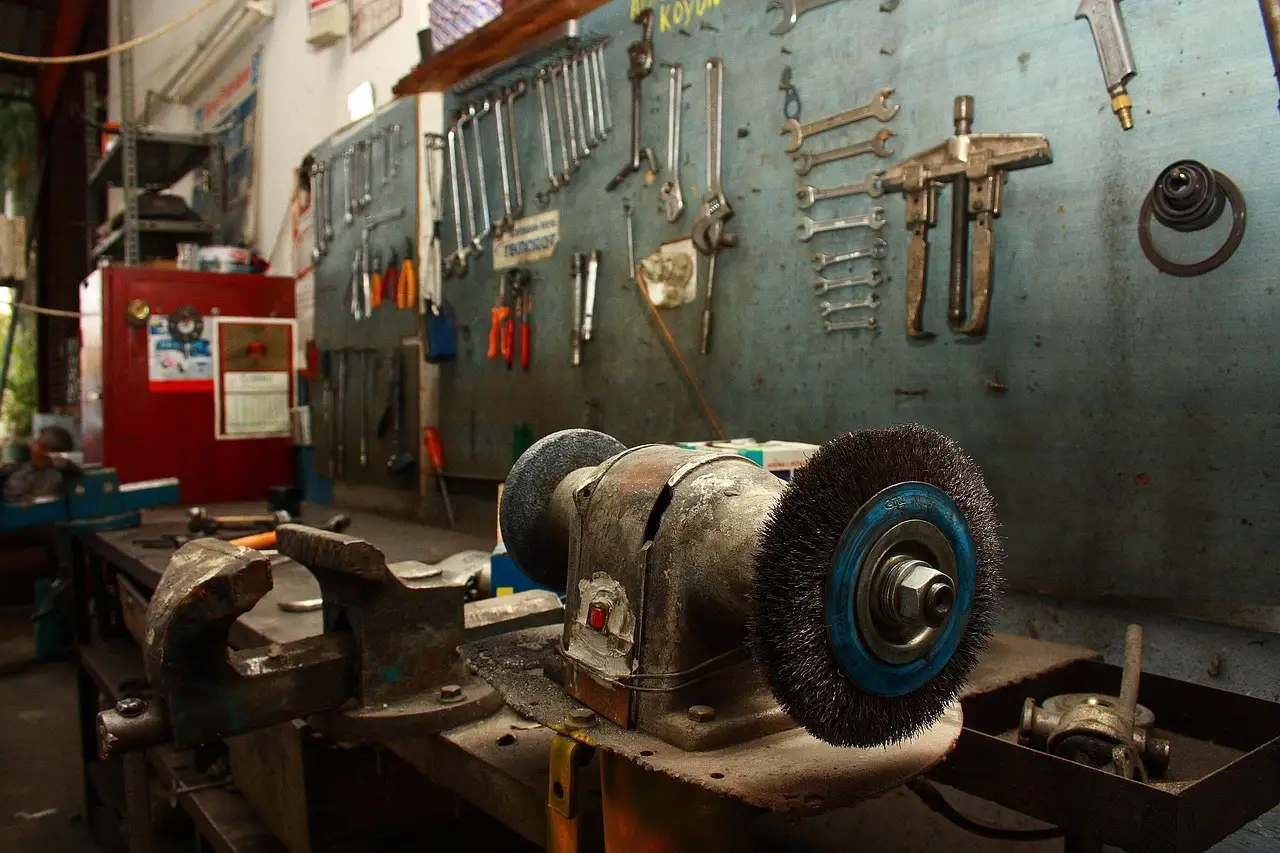
Best Car Maintenance Kits for DIY Beginners (2026): we compared
The best car maintenance kit for DIY beginners is a minimum-viable toolkit built around a socket set, torque wrench, jack stands, tire gauge, and safety gear, because it handles the first jobs without paying for specialty tools most beginners never touch. Skimping usually means stripped fasteners, unsafe lifting, dead batteries, and messy oil changes that cost more to fix than the tools did. This guide shows the starter kit to buy first, then the exact upgrades worth adding after your first oil, tire, battery, and filter jobs.
This guide is part of our Car care and upkeep guide series.
Quick comparison
| Product | Badge | Best for | Price | ||
|---|---|---|---|---|---|
 |
Foxtrot Living Oil Change Kit, 8-Quart Pan and Oil FunnelFox Trot | Our pick | 8-quart pan · Oil funnel · Chemical-resistant | $36.54
Price as of 8 Oct 2026
|
View |
 |
Scissor Car Jack 2 Ton (4409 lbs) Tire Changing Kit withGurduenon | Pair with it | 2-ton scissor jack · Lug wrench · Gloves | $26.06
Price as of 8 Oct 2026
|
View |
 |
Battery Terminal Cleaner Tool Kit, 2-Pack Battery Post WireOimyalsi | Budget pick | 2-pack brush · 10 washers · Red/Green | $6.99
Price as of 8 Oct 2026
|
View |
 |
WORKPRO Universal Oil Filter Wrench Adjustable (2-3/8 toWORKPRO | Upgrade pick | Adjustable 2-3/8 to 3-3/4 in · Magnetic jaws | $13.29
Price as of 8 Oct 2026
|
View |
 |
Performance Tool W2972 Digital Automotive Multimeter withPerformance Tool | Also great | Digital multimeter · Large LCD · 42-in leads | $34.75
Price as of 8 Oct 2026
|
View |
Use this table as the buying filter: maintenance tools first, cleaning items separate, roadside gear only if you need it in the trunk. The right starter kit gets you through the first four jobs without forcing a second purchase the same month.
📊 The THINKWORK kit has 31 pieces. Source: Best Beginner Car Maintenance Kits for First-Time Owners.
How we chose
We compared kits by what a beginner can actually use on day one, what still has to be bought separately, how well the tools store in a car or garage, and whether the set is ready for wheel work. We also looked for failure points beginners hit first: stripped bolts, weak jacks, seized battery terminals, and missing filter tools.
The goal was not the biggest box. It was the first box that supports basic maintenance safely, then gives a clean path to the next tool.
Top pick: the minimum viable kit for first-time DIYers
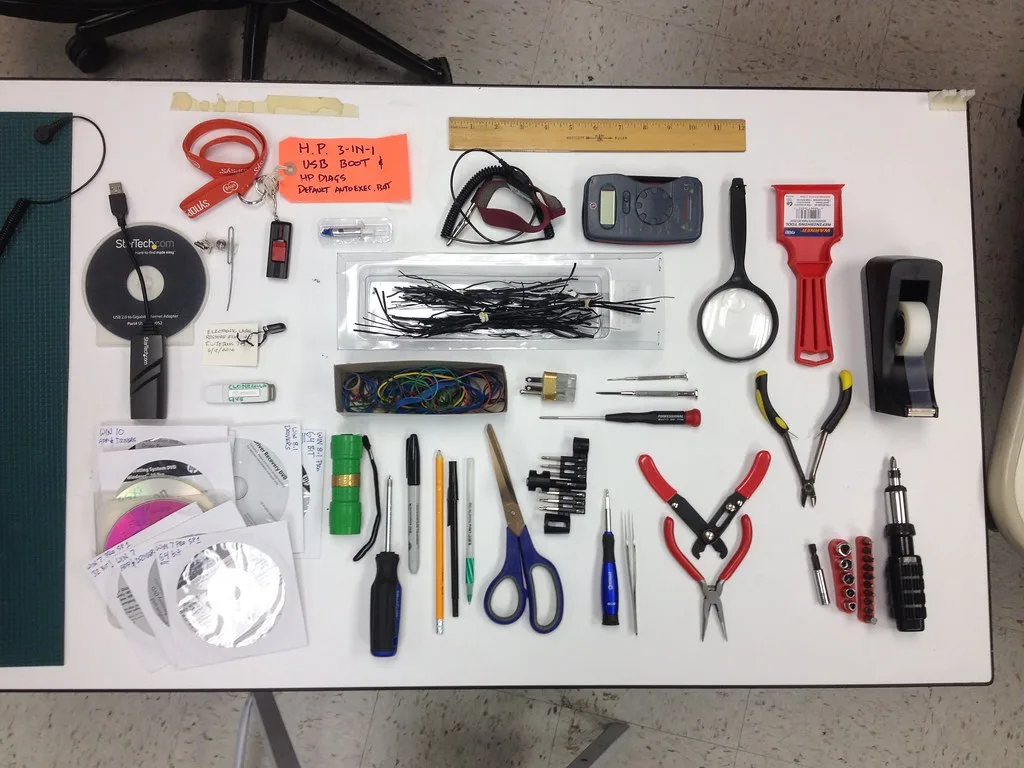
A solid starter kit should include a socket/ratchet tool set, a torque wrench with enough range for common jobs, a tire pressure gauge, jack stands, wheel chocks, a drain pan, a funnel, gloves, safety glasses, a flashlight, and a storage case. That combination covers the first oil change, battery inspection, pressure checks, and a wheel-off job without buying clutter that sits unused.
The reason it wins is simple: every piece earns its keep quickly. A basic socket set pulls fasteners. The torque wrench protects lug nuts. Jack stands and chocks make tire work safer. A gauge and light get used monthly, not once a year.
What this kit should include
- Ratchet handle with 1/4-inch drive sockets and an extension bar for basic repair work and fastener removal.
- Torque wrench with a 150 ft-lb range for lug nuts and other wheel hardware.
- Car jack, jack stands, and wheel chocks for lifting the vehicle on level ground.
- Tire pressure gauge for cold pressure checks against the door placard PSI.
- Gloves, safety glasses, and a work light or flashlight.
- Drain pan and funnel for oil and fluid service.
- Blow-molded case or toolbox with custom slots or compartments.
What job it lets you do first
The first real job is usually a tire pressure check, then a basic oil change, then a battery inspection. After that, many beginners move to a cabin air filter or engine air filter swap. Those are the jobs that teach tool control without sending you into deep engine work.
Best budget starter kit for basic checks and fastener removal
For the cheapest usable setup, the priority is a socket/ratchet set with a compact case, a flashlight, gloves, and a tire pressure gauge. That is enough for trim screws, battery covers, hose clamps, filter housings, and small fasteners. It is not enough for safe wheel work or a proper oil change on its own.
Budget kits are fine when the first goal is learning where parts live and how fasteners feel. They fail fast if you try to use them for lug nuts, lifted work, or stuck drain plugs.
What it will not cover
It will not safely support a tire rotation, a brake inspection, or a wheel removal job unless you add a jack, stands, and a torque wrench. It also will not handle seized battery terminals well without a battery brush or terminal cleaner.
The first upgrade to buy next
The next purchase should be a torque wrench, then jack stands and wheel chocks. Those three turn a cheap starter box into something that can support real maintenance instead of just small disassembly jobs.
Best kit for tire work: lug nuts, rotations, and pressure checks
If tire work is the plan, the torque wrench matters more than the ratchet. Lug nuts need repeatable tightening, and a 150 ft-lb range is the right beginner target for that job. It helps prevent under-torqued wheels, over-torqued studs, and damaged wheels from guesswork.
For tire rotation, use a jack, jack stands, and wheel chocks on level ground. A tire pressure gauge belongs in the same kit, because every rotation should end with a cold pressure check against the door placard PSI.
Why the torque wrench matters here
Wheel work has the highest penalty for sloppy technique. Too loose, and the wheel can shift. Too tight, and the studs or wheel seat can be damaged. A beginner-friendly torque wrench is easy to use when the scale is clearly marked and the handle is not ambiguous.
The tools you need before your first rotation
- Jack rated for the vehicle.
- Jack stands for support after lifting.
- Wheel chocks on the wheels staying on the ground.
- Socket/ratchet set or lug wrench for removal.
- Torque wrench set to the correct lug nut spec.
- Tire pressure gauge for final checks.
Best kit for fluid changes and filter swaps
Fluid work starts with the right small tools: a funnel, a drain pan, gloves, and the owner’s manual. Oil changes are the entry point, but coolant, brake fluid, and washer fluid checks are part of the same habit. The manual decides the fluid type and the service interval, not the tool kit.
Engine air filter and cabin air filter replacements are good beginner jobs because they usually need simple access and basic hand tools. They matter because they keep airflow cleaner for the engine and HVAC system, and clogged filters can make a car feel sluggish or smell stale.
Oil change basics
For oil work, the beginner kit needs a drain pan that can catch the full service volume, a funnel for refill, and a socket set for the drain plug and filter housing if required. A filter wrench can help when the filter is stubborn. Do not guess on oil type or quantity; use the owner’s manual.
Coolant, brake fluid, and washer fluid checks
Coolant and brake fluid are not casual top-off jobs. They should be checked against the manual, and brake fluid contamination or a low level can point to a fault that belongs in a shop. Washer fluid is the easy one. Coolant and brake fluid deserve more caution.
Air filter access
Most engine air filters sit in the engine bay and use clips or screws. Cabin filters often hide behind a glovebox or cover panel. Broken plastic fasteners are common here, so a small trim-friendly tool and patience matter more than brute force.
What should be in a beginner maintenance kit?
A beginner maintenance kit should contain the tools needed for inspection, fluid changes, wheel work, and basic fastener removal. That means sockets, a ratchet, extensions, a torque wrench, a jack, jack stands, wheel chocks, a tire pressure gauge, a drain pan, a funnel, gloves, glasses, and a light.
Safety gear and storage belong in the same purchase. A blow-molded case or toolbox keeps the set portable, labeled, and easy to reach when a job starts on a Saturday and finishes after dark.
What belongs in a cleaning kit instead
Cleaning items are separate. Wash and wax, tire foam protectant, interior protectant, and glass wipes make the car look better, but they do not help you change oil, tighten lug nuts, or clean battery terminals. A cleaning kit can wait until the maintenance kit is done.
Beginner task-to-tool matrix
This matrix shows the common DIY jobs that new owners often tackle first. It separates what is safe to do at home from what still deserves a shop, and it shows the first upgrade to buy after you try the job once.
| DIY job | Exact tools required | Risk if skipped or done wrong | First upgrade to buy next |
|---|---|---|---|
| Oil change | Drain pan, funnel, socket/ratchet set, gloves, owner’s manual | Messy spills, stripped drain plug, wrong oil level | Oil filter wrench and better drain pan |
| Tire rotation and wheel tightening | Jack, jack stands, wheel chocks, torque wrench, lug socket | Under-torqued wheels, wheel damage, unsafe lifting | Longer breaker bar for stuck lugs |
| Battery cleaning and inspection | Battery brush, baking soda cleaning mix, gloves, safety glasses | Corrosion buildup, poor starts, terminal damage | Battery terminal protector washers |
| Engine air filter swap | Socket set or screwdriver, clean rag, flashlight | Dirty airflow, broken clips, poor fit | Trim tool for plastic retainers |
| Cabin air filter swap | Socket set or screwdriver, flashlight, gloves | Reduced HVAC flow, dust in cabin, cracked covers | Panel clip tool |
| Fluid top-offs and level checks | Funnel, gloves, owner’s manual, flashlight | Wrong fluid, overfill, low level damage | Dedicated fluid labels and small pour bottle |
| Brake visual checks | Jack, jack stands, flashlight, wheel chocks | Missed pad wear or leaks, unsafe inspection | Wheel brush and inspection mirror |
| Basic fastener removal and trim work | Socket/ratchet set, extension bar, flashlight | Stripped bolts, broken plastic fasteners | Trim clip assortment and magnetic tray |
How many pieces do I need in a beginner car tool kit?
In my experience, most beginners need fewer pieces than they think. A usable kit is often around ten core items once you separate maintenance tools from cleaning products and roadside gear. The important part is coverage: wheel work, fluid work, battery care, and fastener removal should all be possible without borrowing tools.
A larger count can be useful if it includes the right socket sizes, extensions, and a torque wrench. A bigger box that adds duplicates and specialty bits is less useful than a smaller box that covers the first four jobs cleanly.
How to split the kit by category
- Maintenance tools: sockets, ratchet, torque wrench, jack, jack stands, drain pan, funnel, tire gauge.
- Safety gear: gloves, safety glasses, work light, wheel chocks.
- Cleaning kit: wash and wax, tire foam protectant, interior protectant, glass wipes.
- Roadside gear: jumper pack, if you want emergency starts in the trunk.
Do I need a torque wrench for basic car maintenance?
Yes, if you plan to remove wheels, rotate tires, or do brake checks at home. A torque wrench is the difference between “tight enough” and a value you can repeat. For beginners, a 150 ft-lb range is the most useful starting point because it fits lug nut work well.
It also reduces the chance of damaged studs, warped seating surfaces, and the ugly habit of leaning on a breaker bar until something gives. Many beginners skip it once, then buy it after the first wheel job.
What tools do I need to change my own oil and tires?
For oil changes, you need a drain pan, funnel, socket/ratchet set, gloves, and the correct oil and filter from the manual. For tire work, add a jack, jack stands, wheel chocks, a torque wrench, and a tire pressure gauge. Those are the minimum safe tools for those jobs.
Do not mix the two jobs into a vague all-purpose kit. Oil work is messy. Tire work is safety-critical. A beginner should buy around the job, not around a flashy box count.
What is the difference between a car maintenance kit and a cleaning kit?
A maintenance kit keeps the car running and safe. A cleaning kit keeps it presentable. They overlap only in storage space. Wash and wax, tire foam protectant, interior protectant, and glass wipes belong in cleaning supplies, not in the maintenance core.
That split matters because beginners often overspend on detailing products while missing a torque wrench or jack stands. A spotless car with loose lug nuts is the wrong trade.
What makes a beginner-friendly car tool set durable?
Durability for beginners is less about marketing claims and more about failure resistance in real use. Look for a ratchet that does not skip under moderate load, sockets that fit fasteners without slop, a case that keeps parts from rattling loose, and tool markings that are easy to read in poor light.
Corrosion resistance matters because tools live in garages, trunks, and damp driveways. So does simple layout. A case with custom slots or clear compartments is more durable in practice than a pile of tools that gets lost after the first job.
How do I store car maintenance tools so they stay organized?
Use a blow-molded case or a compact toolbox with labeled slots, and keep the most-used items in the same order every time. That saves time when a job starts in a tight driveway and keeps small parts from disappearing into a larger drawer or trunk.
Safety gear should live with the kit. Gloves, glasses, wheel chocks, and a flashlight need to be easy to grab. If the tools are spread across the house, they stop being a kit.
What safety gear should be in a DIY car maintenance kit?
At minimum, a beginner kit should include nitrile or mechanic’s gloves, safety glasses, a work light or flashlight, and wheel chocks. Those items protect hands, eyes, and the car itself when you are lifting, draining fluids, or reaching around hot or sharp parts.
Wheel chocks are not optional for tire work. Gloves and glasses are cheap compared with a splash of brake fluid or a slipped wrench. Keep the safety gear in the trunk or the same storage case so it gets used instead of forgotten.
Best products to add once the core kit is in place
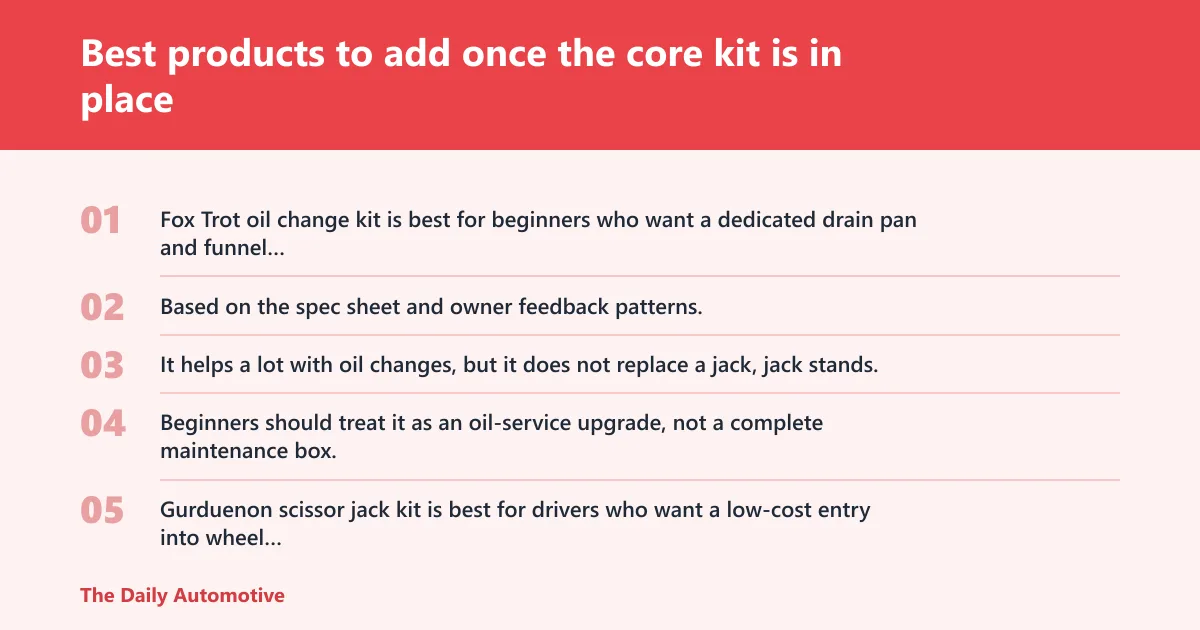
Fox Trot oil change kit is best for beginners who want a dedicated drain pan and funnel for oil work. Based on the spec sheet and owner feedback patterns, the chemical-resistant build and ergonomic handles make it a sensible first add-on after a basic socket kit.
The drawback is that it is narrow in scope. It helps a lot with oil changes, but it does not replace a jack, jack stands, a torque wrench, or battery tools. Beginners should treat it as an oil-service upgrade, not a complete maintenance box.
Gurduenon scissor jack kit is best for drivers who want a low-cost entry into wheel changes and emergency tire work. The included jack, lug wrench, gloves, and gauge give it real utility for a first tire rotation or roadside swap, especially when storage space is tight.
The drawback is that a scissor jack kit is still a starter solution, not a full wheel-service system. It is best paired with jack stands and a torque wrench for home use, and beginners should still lift on level ground with wheel chocks in place.
Oimyalsi battery terminal cleaner kit is best for beginners dealing with battery corrosion or slower starts. The dual-ended brushes and anti-corrosion washers make terminal service straightforward, and that matters when a battery is hard to reach or visibly crusted at the posts.
The drawback is obvious: it fixes terminal corrosion, not a weak battery. A beginner still needs a voltage check around 12.6 volts at rest and should replace a battery that fails testing instead of cleaning it twice.
WORKPRO adjustable oil filter wrench is best for stubborn filter removal during oil changes. The adjustable jaw range makes it useful across several filter sizes, and the magnetic three-jaw design helps hold the filter when it is slippery or over-tightened.
The drawback is that universal fit tools can still miss some awkward filter locations. It helps most when combined with a drain pan, funnel, and the correct replacement filter for the car, not as a stand-alone solution.
Performance Tool digital multimeter is best for beginners who want to go beyond battery corrosion and actually check electrical health. It helps with voltage checks, and that matters when you are separating a dirty terminal from a weak charging system.
The drawback is that a multimeter adds learning curve. A beginner can use it well for a resting battery check, but it is not necessary for the first oil change or tire rotation.
Which one should you buy
If you want the cheapest usable setup, buy a socket/ratchet set, tire pressure gauge, gloves, glasses, flashlight, and a compact case first. Add the torque wrench next. That path covers the widest set of beginner jobs without buying a drawer full of extras you will not touch yet.
If you will do tire and wheel work, move the jack stands and torque wrench to the top of the list. If you plan to service fluids and filters at home, the Fox Trot oil change kit and the WORKPRO filter wrench are the first specialty add-ons worth paying for. If storage space is limited, choose a compact toolbox over a larger kit with more duplicate bits.
Newer cars usually reward smaller hand-tool kits and trim tools because they rely on plastic covers and tighter packaging. Older, higher-mileage cars tend to need the battery brush, filter wrench, and torque wrench sooner because corrosion and stubborn fasteners show up earlier.
One more useful split: keep the cleaning kit separate from maintenance. The Armor All-style wash, tire, interior, and glass products belong in a separate tote, not in the same box as your sockets and stands.
Frequently asked questions
What should be in a car maintenance kit for beginners?
A beginner maintenance kit should include a socket/ratchet set, extension bar, torque wrench, jack stands, wheel chocks, tire pressure gauge, drain pan, funnel, gloves, safety glasses, and a flashlight. That mix supports the first oil, tire, battery, and filter jobs without forcing unsafe shortcuts.
Products related to this article
Sponsored / affiliate links. As an Amazon Associate I earn from qualifying purchases. I may earn additional commission from eligible campaigns.