Best Car Tools for New Owners (2026): we compared
For a first-year driver, start with a small set of basic tools such as a tire gauge, portable jump starter, lug wrench, jack, flashlight, microfiber towels, and a basic OBD2 scanner. Skip them, and small faults turn into tow bills, missed work, or a car stranded in a lot. This guide ranks the best maintenance tools for new car owners by priority, splits emergency gear from routine gear, and shows where to stop before overspending.
This guide is part of our Car care and upkeep guide series.
Quick comparison
| Product | Badge | Best for | Price | ||
|---|---|---|---|---|---|
 |
FIXD Bluetooth OBD2 Scanner – Car Diagnostic Check EngineFIXD | Our pick | Bluetooth OBD2 scanner for check engine codes | $39.99
Price as of 3 Oct 2026
|
View |
 |
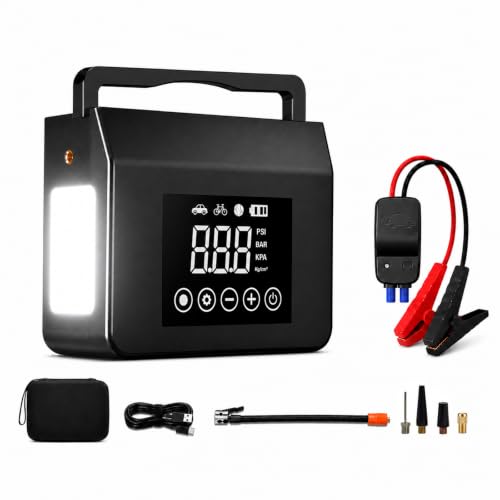
S ZEVZO ET03 Car Jump Starter 4000A Jump Starter BatteryS ZEVZO | Also great | 4000A jump starter with 74Wh power bank | $53.99
Price as of 3 Oct 2026
|
View |
 |
UPENJOK 15-Piece 1/2" Drive Shallow Impact Socket Set,Upenjok | Budget pick | 15-piece metric 1/2-inch drive shallow impact socket set | $37.99
Price as of 3 Oct 2026
|
View |
 |
OlarHike 12000mAh Heavy Duty Tire Inflator Portable AirOlarHike | Pair with it | 12000mAh portable tire inflator with dual power modes | $89.99
Price as of 3 Oct 2026
|
View |
 |
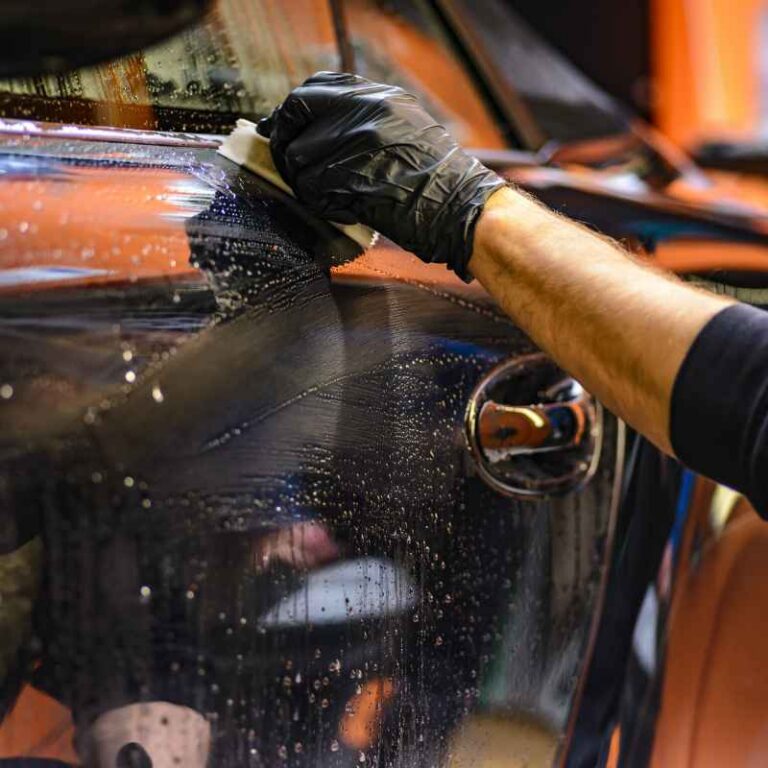
Sbulhia Microfiber Car Wash Sponge, Scratch-Free VehicleSbulhia | Our pick | $4.69
Price as of 11 Oct 2026
|
View |
The best first purchase is a tire pressure gauge because it gets used every month and stops the most common beginner mistake: driving on the wrong pressure for too long. The best emergency purchase is a portable jump starter, while the best diagnostic buy is a basic OBD2 scanner.
How we chose
The ranking appears to be based on first-year urgency, safety impact, DIY difficulty, trunk portability, and expected use frequency. I moved a tool up if it fixed a common beginner problem, fit small-storage living, and paid off before the car’s first year service milestone.
Routine tools and roadside tools are separated on purpose. A new owner should not buy a garage full of gear when three items belong in the trunk and three others can wait on a shelf at home.
Tire pressure gauge: best for routine checks
A tire pressure gauge is the first tool most new owners should buy because it gets used monthly, takes seconds to use, and catches underinflation before the tread starts wearing unevenly. It also builds the habit that cuts down avoidable repair bills.
For the first year, this is the cheapest habit-builder in the kit. The guide says tyre pressure should be checked monthly, the correct tyre pressure is on the driver’s door-jamb sticker, and the penny test is a rough tread-depth check. That makes this tool more useful than flashier gear for most beginners.
The drawback is simple: it does one job. It will not fix a slow leak, a damaged valve stem, or a tire that has already been run low for too long. If the readings keep dropping, the car needs a shop visit, not another pressure check.
Portable jump starter: best for dead-battery emergencies
A portable jump starter is the best emergency tool for a new owner who parks outside, drives older cars, or cannot rely on another driver for a jump. It is cleaner than old-style cables and can get a dead battery moving without asking a stranger for help.
Look for battery capacity, peak amps, USB charging, and reverse polarity protection. The S ZEVZO unit here also includes an LED light and can start dead 0V batteries using its force start function, which matters when a battery falls all the way flat.
The tradeoff is storage and maintenance. Jump starters need to be charged, checked occasionally, and kept in a place where the battery will not freeze or overheat. They are a better trunk item than jumper cables for many first-year owners, but they are still only for battery problems, not a bad alternator or starter motor.
OBD2 scanner: best for check engine lights
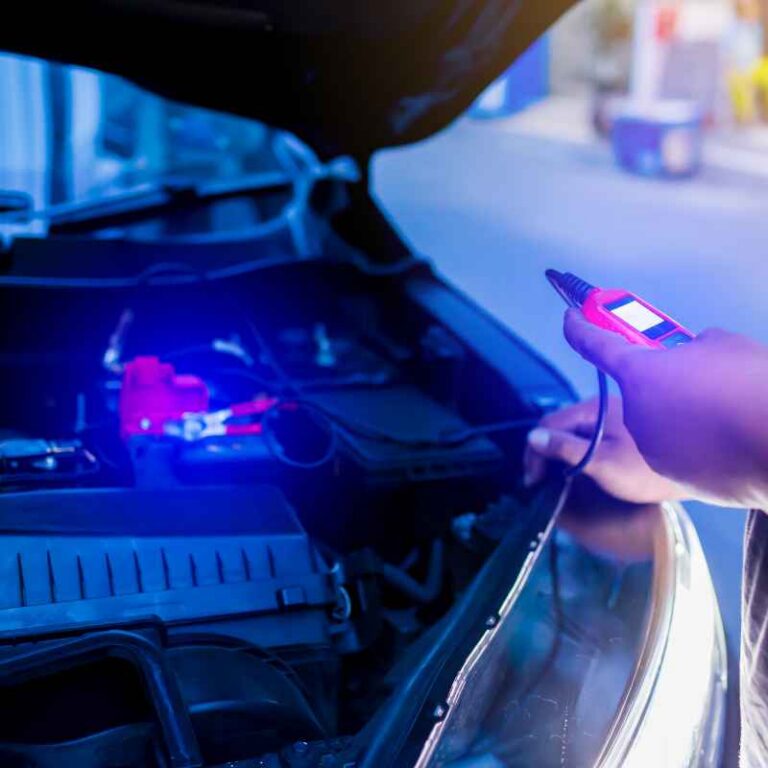
A basic OBD2 scanner is worth buying early if the car is still under the owner’s learning curve and the driver wants a simple answer when the check engine light comes on. A Bluetooth OBD2 scanner is the guide’s recommended type for reading check engine lights, and it can share a report with a mechanic before a shop visit.
That report matters. It helps separate a loose gas cap from a fault that needs immediate attention. The FIXD unit’s app-based scans and simple explanations fit a new owner better than a tool that just spits out code numbers with no context.
The limit is clear. A scanner can read a code, but it does not repair the cause. If the car is misfiring hard, running rough, overheating, or flashing the check engine light, the right move is to stop and call a mechanic rather than keep driving.
Socket set: best for basic DIY maintenance
A socket set is the core hand-tool buy for a new owner who plans to do basic maintenance at home. A good starter set should cover both metric and SAE fasteners, include 1/4-inch and 3/8-inch drives, use a solid ratchet, and come in chrome vanadium steel with organized storage.
The logic is practical. Many first-year jobs are simple: battery terminals, trim fasteners, filters, splash shields, and small brackets. If the sockets are missing sizes or the case is a mess, the tool gets ignored when a problem shows up on a Saturday afternoon.
This Upenjok set is metric only, so it is useful for many modern cars but not a complete answer for every vehicle. That makes it a decent specialty purchase, not a full universal starter kit. New owners should match the set to the car’s fasteners before buying.
Roadside safety kit: best for staying visible after a breakdown
A roadside safety kit belongs in the car from day one, especially for night driving, highway commutes, or apartment parking lots with poor lighting. Reflective triangles or LED flares, a high-visibility vest, and a compact first-aid kit are the main items that matter when the car is already stopped.
The first-aid kit should include bandages, antiseptic wipes, gauze, medical tape, and a thermal blanket. That is enough for small cuts, scraped knuckles, and waiting out cold weather while help arrives. It is not a replacement for emergency medical care.
The honest drawback is that safety gear takes discipline. Many drivers buy it, then leave it buried under shopping bags. Keep it accessible, not deep in the trunk. Visibility gear only works when it can be reached fast on the shoulder.
Light, funnels, and fluid tools: best for simple upkeep
Lighting and fluid tools matter because most beginner maintenance happens in poor light and with fluids that are easy to spill. A flashlight or work light with multiple brightness modes, a rechargeable battery, and a strobe or signaling function makes under-hood checks much easier. The guide’s flashlight example has multiple brightness modes and a strobe function.
A funnel set with flexible spouts helps with contamination prevention during top-ups. It is the difference between a clean fill and brake fluid, coolant, or washer fluid ending up on painted surfaces or in the wrong reservoir. The guide says windshield washer fluid can be topped up safely at any time, which makes it the simplest fluid job for a new owner.
A fluid extraction pump is a more specialized buy. It is useful for manual, mess-free fluid transfer and basic fluid checking or removal, but it is not needed for the first day of ownership. Keep it at home or in a garage, not in the trunk.
Owner’s manual and first-year tool priority matrix
The owner’s manual is one of the most useful tools in the car because it gives service intervals, fluid locations, and vehicle-specific guidance. It costs nothing to read and prevents a lot of guesswork when a fluid warning or maintenance reminder appears.
| Tool | Urgency | Safety impact | DIY difficulty | Trunk portability | Use frequency | Buy now or later |
|---|---|---|---|---|---|---|
| Tire pressure gauge | 5 | 5 | 1 | 5 | 5 | Buy now |
| Portable jump starter | 5 | 4 | 2 | 4 | 2 | Buy now |
| OBD2 scanner | 4 | 4 | 2 | 5 | 3 | Buy now |
| Socket set | 3 | 3 | 3 | 3 | 2 | Buy later |
| Roadside safety kit | 5 | 5 | 1 | 4 | 2 | Buy now |
| Light, funnel, fluid tools | 3 | 2 | 2 | 3 | 2 | Buy later |
Scores are ranked from 1 to 5 for a first-year owner with no DIY background. High urgency and high safety impact push a tool forward. Lower portability matters less for home storage items, which is why the socket set and fluid tools can wait if the trunk kit is still incomplete.
Buy-now versus buy-later, by storage
Keep in the car: tire pressure gauge, portable jump starter, flashlight, roadside safety kit, and first-aid kit. These fit small trunks and solve the most common roadside problems.
Keep at home: socket set, funnel set, fluid extraction pump, and spare microfiber towels. These are better for apartment shelves, a closet, or a garage because they are used less often and stay cleaner there.
What tools should a new car owner keep in the car?
Keep the tools that solve roadside problems, not the full maintenance bench. A tire gauge, jump starter, flashlight, first-aid kit, safety triangles or LED flares, and a phone charger cover the most common first-year emergencies without eating trunk space. The owner’s manual should stay with the car too.
If storage is tight, leave the socket set, funnel kit, and fluid pump at home. Those tools are useful, but they are not the first things needed on a shoulder at night. The goal is a compact kit that solves a dead battery, low tire pressure, or a warning light without clutter.
What is the most useful tool for basic car maintenance?
The most useful basic maintenance tool for a new owner is a tire pressure gauge. It gets used often, is easy to understand, and helps prevent uneven tire wear before it starts. It also teaches the habit of checking the car on a schedule instead of waiting for a problem.
If the owner wants one more item after that, the OBD2 scanner is the next smart buy for warning lights. Together, those two tools cover the most common first-year questions without pushing a beginner into complicated repairs.
Do I need an OBD2 scanner as a new car owner?
Yes, if the owner wants a simple way to read check engine lights and avoid guessing. A Bluetooth OBD2 scanner is a good first-step tool because it can give a code, a plain-language explanation, and a report that can be shared with a mechanic.
No, if the car is leased, covered under warranty, or the owner does not plan to do any diagnosis at home. In that case, it is still useful, but not urgent. A steady check engine light may wait for a scheduled shop visit; a flashing light usually should not.
What car maintenance tools are worth buying first?
Buy the tools that prevent beginner mistakes before buying the tools that support optional DIY work. The best first buys are a tire pressure gauge, jump starter, roadside safety gear, flashlight, and OBD2 scanner. Add a socket set once the owner is ready for simple mechanical tasks at home.
That order keeps spending under control and covers the most likely first-year issues: low tire pressure, a dead battery, a warning light, and poor visibility on the shoulder. It also avoids buying items that sit unused in a trunk for months.
What tools help with a check engine light?
A Bluetooth OBD2 scanner helps most with a check engine light because it reads the code and points the owner toward a likely cause. That can save a wasted trip when the issue is minor or confirm that the car needs a shop right away.
If the light is flashing, the engine is shaking, or the car is overheating, do not try to troubleshoot at the curb. Those are stop-and-call-mechanic situations. A scanner is for information, not for pushing a failing engine farther down the road.
What should go in a beginner car maintenance kit?
A beginner kit should include a tire pressure gauge, jump starter, flashlight, microfiber towels, funnel set, basic OBD2 scanner, gloves, first-aid kit, and roadside visibility gear. That mix covers the most common first-year needs without piling on tools that require experience to use well.
For a small-trunk setup, split the kit into two bags: emergency items in the car and maintenance items at home. That keeps the car light and makes the useful items easy to find when something goes wrong.
Which tools are for emergencies versus routine maintenance?
Emergency tools are the ones used after a breakdown: jump starter, roadside triangles or LED flares, high-visibility vest, flashlight, and first-aid kit. Routine tools are used on a schedule: tire pressure gauge, OBD2 scanner, socket set, funnel set, and fluid extraction pump.
That split matters because it changes where the tool lives and how fast it should be bought. Emergency gear belongs in the car. Routine tools can live at home unless the owner drives long distances or wants to do checks in a parking lot.
How much should a new car owner spend on tools?
A sensible first-year budget is to spend in phases. Start with the low-cost essentials: tire gauge, flashlight, microfiber towels, and a safety kit. Next, add a jump starter and OBD2 scanner. Buy the socket set and fluid tools later, once the owner knows the car and has a real use for them.
The trap is buying a large, “complete” kit before understanding the car’s needs. That usually means duplicated tools, poor storage, and money spent on items that never leave the trunk. A phased budget keeps the first purchase useful and the later purchases intentional.
What tools can prevent expensive car repairs?
The best repair-prevention tools are the ones that catch problems early: a tire pressure gauge, OBD2 scanner, and flashlight. Tire checks stop uneven wear, scanners catch warning lights before a drivability problem grows, and good lighting makes it easier to spot leaks, loose caps, and low fluids.
The owner’s manual is part of the prevention plan too. It tells the driver where the fluids are, when service is due, and what is normal for that specific car. That combination can prevent a lot of avoidable shop visits.
Which one should you buy first?
If the budget is tight, buy the tire pressure gauge first, then a flashlight, then a basic OBD2 scanner. That order gives the most useful routine check, a way to see under the hood, and a simple answer when a warning light appears.
If the car is parked outside or driven on longer routes, move the portable jump starter to the front of the line. If the goal is the best all-around first purchase, the tire gauge still wins because it gets used monthly and teaches the owner to check the car before problems grow.
Frequently asked questions
What tools should a new car owner keep in the car?
Keep a tire pressure gauge, jump starter, flashlight, first-aid kit, roadside triangles or LED flares, and a high-visibility vest in the car. Those items deal with the most common first-year problems without using much space. Store maintenance-only tools at home unless the car has serious space to spare.
What is the most useful tool for basic car maintenance?
A tire pressure gauge is the most useful basic tool for a new owner. It gets used regularly, supports safe tire wear, and takes almost no time to use. A basic OBD2 scanner is the next smartest buy if the owner wants to read warning lights instead of guessing.
Do I need an OBD2 scanner as a new car owner?
Many new owners benefit from one because it gives a quick read on check engine lights and helps decide whether a visit to the shop is urgent. It is especially useful when paired with a mechanic report. If the car is under warranty and the owner never plans to diagnose anything, it can wait.
What car maintenance tools are worth buying first?
Start with the tire pressure gauge, jump starter, flashlight, safety kit, and OBD2 scanner. Those five cover the most likely first-year problems and fit small storage spaces well. Add the socket set and fluid tools later when the owner is ready to do routine work at home.
How much should a new car owner spend on tools?
Spend in stages, not all at once. A tight starter budget should cover the emergency kit and tire gauge first, then the scanner and jump starter. The socket set, funnel kit, and fluid pump can wait until the owner has a reason to use them.
What tools can prevent expensive car repairs?
The best prevention tools are the tire pressure gauge, OBD2 scanner, and owner’s manual. They catch issues early, point to the right service interval, and keep a beginner from guessing on fluids or warning lights. That is usually enough to avoid the most avoidable repair bills in year one.
Products related to this article
Sponsored / affiliate links. As an Amazon Associate I earn from qualifying purchases. I may earn additional commission from eligible campaigns.