Clutch Kit Review: What to Buy for the Right Repair
Match the kit to the failure mode: for most street cars, buy a full clutch kit with disc, pressure plate, release bearing, and pilot bearing; for towing or hard driving, choose higher clamp load and heat-tolerant friction. Ignore fitment or duty cycle and you can buy twice, then still face slip, chatter, or a pedal problem. This guide compares clutch kits by wear symptoms, included parts, fitment checks, and driving use so you can choose the right replacement before price alone.
Top clutch kit picks by use case


The best clutch kit choice depends on the failed part, how the vehicle is used, and whether the flywheel and release parts are still usable. For most drivers, a complete OEM-style kit is the safest starting point because it covers the wear items that fail together. If the car tows or has engine mods, move up in clamp load and heat tolerance.
Best for daily commuting
Choose a full kit with an OEM-style pressure plate and organic-style friction if the car sees stop-and-go traffic, cold starts, and short trips. Daily use rewards smooth engagement and reasonable pedal effort more than peak holding force. That usually means better drivability and less chatter on launch.
Best for towing or heavy loads
Pick a kit with higher clamp load and friction material rated for heat if the vehicle pulls trailers, climbs grades, or runs with frequent cargo weight. Towing raises thermal load, so the disc and pressure plate must hold torque without constant slip. A kit that feels slightly heavier can be the right tradeoff.
Best for mild performance builds
Choose a street-oriented performance kit when the engine makes more torque than stock or sees harder launches. The useful target is a clutch that resists slip without turning every commute into a left-leg workout. Avoid race-only parts unless the car is built around them and driven that way.
Best for budget replacement
A budget kit works when the car is stock, the flywheel is usable, and the goal is to restore factory behavior at the lowest sensible cost. Do not cut corners on release parts if noise or hard shifting already exists. Cheap kits save less if you have to reopen the transmission soon after.
Quick picks: choose a kit by how you drive
Use the table below as a first filter. It focuses on fitment logic, not brand names alone.
| Use case | What to buy | Key spec to prioritize | Flywheel condition | Buy if you want |
|---|---|---|---|---|
| Daily driver | Complete OEM-style kit | Moderate clamp load, smooth friction | Resurface if within spec and not heat-damaged | Low noise and easy engagement |
| Tow-use truck or SUV | Heavy-duty street kit | Higher clamp load and heat tolerance | Replace if cracked, warped, or heat-spotted | Holding power under load |
| Mild performance build | Performance street kit | Higher torque capacity, firmer pedal | Check carefully for runout and hot spots | Slip resistance with street manners |
| Budget repair | Complete value kit | Correct fitment and full hardware list | Only reuse a clean, serviceable flywheel | Lowest cost without skipping parts |
Say your compact sedan starts slipping in 4th gear at highway speed but still drives normally around town. That often points to a disc near the end of its life or a pressure plate that no longer clamps hard enough under load. A street kit with the correct torque capacity is a better buy than the cheapest catalog match.
What should be in a clutch kit?
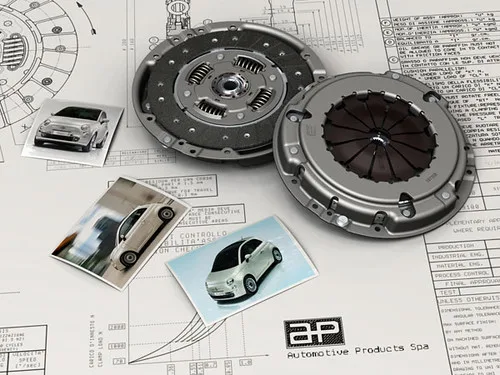
A typical clutch kit usually includes the friction disc, pressure plate, and release bearing, and may also include a pilot bearing or pilot bushing and an alignment tool when needed. That package covers the parts that wear together. If the listing leaves out release or pilot components, compare the missing parts cost before deciding.
Clutch disc and friction material
The clutch disc is the friction element that transfers engine torque. On a manual transmission, most automotive clutches are dry clutches, and dry clutches use dry friction to transfer power. The disc material must match torque capacity and use case. Too little capacity means slip; too aggressive a compound can make engagement rough in traffic.
Pressure plate and clamp load
The pressure plate controls clamp load, which is the force squeezing the disc against the flywheel. In general, more clamp load can improve holding power but may also increase pedal effort. OEM variants usually aim for smooth engagement and acceptable effort. Performance variants raise clamp load and heat tolerance, then ask more from the left leg.
Release bearing, pilot bearing, and hardware
The release bearing is often replaced during clutch service when the transmission is out, especially if there is any noise, roughness, or pedal vibration. The pilot bearing or bushing supports the transmission input shaft and can cause noise if worn. Fresh hardware matters because reused fasteners and clips can compromise clamp consistency and release action.
Alignment tool and installation extras
The alignment tool helps center the disc during fitment so the transmission input shaft can slide in more easily. Some kits include new clips, bolts, or a guide tool; others do not. Missing small parts can stall an otherwise straightforward job, so read the contents list before ordering.
How to choose the right clutch kit
Start with torque capacity, then work backward to pedal effort, flywheel condition, and release type. That order matters because a clutch that holds power but fits poorly or feels wrong is still the wrong kit. The best choice is the one that matches both the engine and the driver’s use pattern.
- Match the disc’s torque capacity to the engine and expected use.
- Check whether the pressure plate clamp load will make pedal effort acceptable.
- Inspect the flywheel for hot spots, cracks, runout, and service limits.
- Confirm whether the car uses a push-type or pull-type release system.
- Compare kit contents, warranty, and missing hardware before price.
Match torque capacity to the engine
The clutch disc needs enough capacity for the engine’s output and the way that power is used. A stock commuter does not need the same holding margin as a turbo build or tow rig. If the engine has been tuned, added torque can move a marginal clutch from acceptable to slipping.
Balance clamp load against pedal effort
Clamp load changes how hard the pedal feels. A mild OEM-style pressure plate is usually easier in traffic. A higher-load performance plate holds better under heat, but it can feel heavier and more abrupt. That tradeoff is fine if you wanted it; it is a problem if you did not plan for it.
Check flywheel condition before buying
Do not ignore the flywheel. It should be resurfaced only if it appears to be within service limits, has no cracks, and shows no obvious severe heat damage. Hot spots often show that the flywheel overheated, which can shorten clutch life and cause chatter. If the flywheel is damaged or not serviceable, replacement is the safer call.
Confirm push-type or pull-type release design
A push-type clutch disengages by pushing the release bearing. A pull-type clutch disengages by pulling the release bearing. Mixing the wrong release parts can create fitment problems or a pedal that feels wrong from the first press. Always match the kit to the vehicle’s release mechanism. (en.wikipedia.org)
Decide whether OEM or aftermarket fits the job
OEM is not automatically better, and aftermarket is not automatically stronger. OEM-style kits often suit stock cars and drivers who want original pedal feel. Aftermarket kits can be the better answer for towing, heat, or added torque, as long as the kit includes the right parts and fits the release system.
Why clutch kits fail: symptoms and likely causes
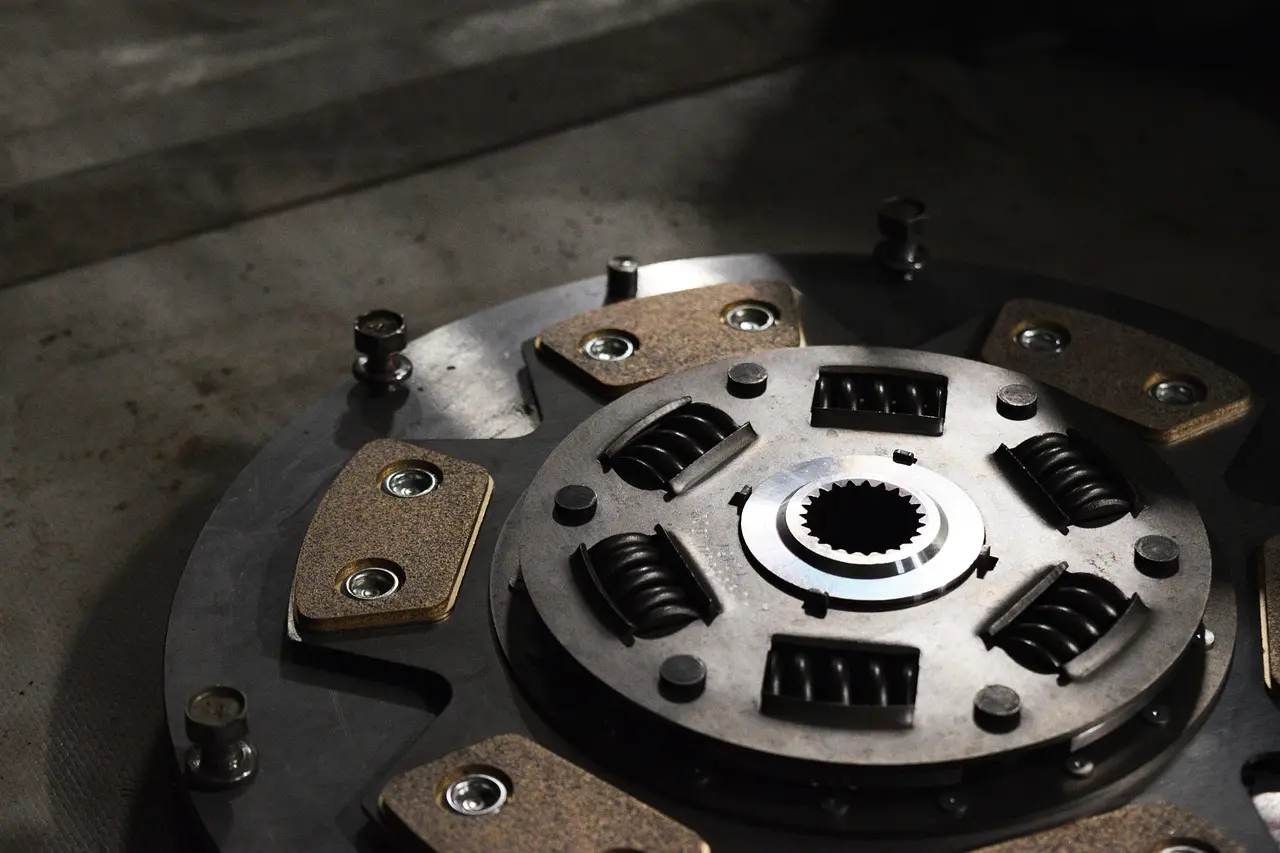
Clutch failures usually show up as slip, chatter, hard shifts, or noise, and each symptom points to a different cause. A worn disc is not the only culprit. Release parts, flywheel condition, contamination, and cable or hydraulic issues can all mimic clutch wear.
Slip under load
Slip under load usually means the disc is worn, the pressure plate clamp load is weak, or the friction surface is contaminated with oil. Clutch slip should be minimized to avoid wear. If the engine revs rise faster than vehicle speed in a higher gear, the clutch is not holding as it should.
Chatter on takeoff
Chatter often points to an uneven flywheel, hot spots, contamination, or a disc that grabs inconsistently. A warped or heat-damaged flywheel can make smooth engagement impossible. Chatter can also show up when a performance disc is paired with a flywheel or pressure plate that does not suit it.
Hard pedal or poor release
A hard pedal can come from a high-clamp pressure plate, a failing hydraulic system, or a release design mismatch. Poor release shows up as difficult shifting or creeping with the pedal down. If the clutch does not fully disengage, the problem may be the release bearing, hydraulic travel, or pilot support.
Noise from release bearing or pilot bearing
Release bearing noise often sounds like a squeal, whir, or growl that changes when the pedal moves. Pilot bearing noise can show up as rumble or input-shaft drag with the pedal depressed. Both parts should be checked during clutch service because transmission removal is already the expensive part.
How do push-type and pull-type clutches differ?
Push-type and pull-type clutches differ in how the release bearing acts on the pressure plate. A push-type clutch disengages by pushing the release bearing, while a pull-type clutch disengages by pulling the release bearing. The wrong release parts or fork setup can stop the system from working correctly.
Release mechanism basics
Push-type systems are more common in many manual drivetrains and use a release bearing that pushes on the pressure plate fingers. Pull-type systems use a different action and matching hardware. The clutch kit must match the vehicle’s design, not just the engine size or transmission brand.
Application differences
Pull-type clutches are often found in specific performance or compact packaging applications where the release design was engineered around that mechanism. Push-type clutches are more common in mainstream service parts. Mixing them is not a small mistake; it can create an immediate no-release condition.
Fitment mistakes to avoid
Do not buy a kit because it is listed for the transmission family alone. Confirm release type, input shaft support parts, and whether the kit expects a new pilot bearing or bushing. A common first-timer mistake is ordering the disc and pressure plate but forgetting the release hardware that makes the system usable.
Buying matrix: daily driving, towing, and performance
The best clutch kit matches duty cycle first. A commuter, a tow vehicle, and a modified street car ask different things from the disc, pressure plate, flywheel, and release parts. Use the matrix below to compare the required traits before comparing brand names.
| Use case | Required clamp load | Pedal effort | Flywheel condition | Hardware and extras |
|---|---|---|---|---|
| Daily driving | Near-OEM or mild increase | Low to moderate | Resurface if clean and within limits | Release bearing, pilot bearing, alignment tool |
| Towing | Higher clamp load | Moderate to firm | Replace if heat spots or cracks exist | New release parts, fresh fasteners if specified |
| Performance use | High enough for added torque | Firm | Inspect carefully; replace if questionable | Compatible hardware, correct release type, pilot support |
Daily driving requirements
Daily use favors smooth clutch engagement, modest pedal effort, and long life over aggressive bite. A dry clutch is the standard design for most manual passenger cars, and its wear is highly sensitive to slip and heat. If the car sees traffic, buy for drivability and complete parts coverage.
Towing and load-duty requirements
Towing pushes heat into the clutch and flywheel. That makes clamp load and friction stability more important than light pedal feel. A kit that tolerates heat better can outlast a softer one even if it costs more up front, especially when the truck or SUV starts loaded on hills.
Performance-modified engine requirements
Modified engines raise torque demand quickly. A stock replacement kit may work for a while, then slip once boost, tune, or tire grip increases. Performance kits can be worth it for a daily driver when the engine has real torque gains, but they are poor value if the car is stock and lightly driven.
Flywheel, hardware, and labor cost checkpoints
Expect the total job to cost more than the kit. Add flywheel machining or replacement, fluid, small hardware, and labor if you are not doing the work yourself. The smart buy is the kit that avoids reopening the transmission because a cheap bearing, missing clip, or bad flywheel was skipped.
Frequently asked questions
How long does a clutch kit last
Clutch life depends on driving style, load, and heat, not just mileage. Stop-and-go commuting, towing, launches, and slipping the pedal shorten life quickly. A well-matched kit installed on a healthy flywheel and used with minimal slip can last much longer than one that is constantly overheated.
What is the best clutch kit brand
The best brand is the one that fits the vehicle, includes the right parts, and matches the job. Do not rank kits by name alone. Compare release type, torque capacity, included bearings, flywheel compatibility, and warranty terms first, then choose the brand that actually fits your use case.
What should be included in a clutch kit
A good kit should include the clutch disc, pressure plate, release bearing, and, when needed, a pilot bearing or bushing and alignment tool. Hardware may be included as well. If a kit leaves out wear items that must be replaced during the job, compare the real installed cost before buying.
How do I know if my clutch kit is worn out
Common warning signs are slip under load, chatter on takeoff, difficulty shifting, a high engagement point, or release bearing noise. These symptoms do not all point to the same part, so inspect the flywheel, pilot support, and hydraulic or cable system before assuming only the disc is worn.
Is an OEM clutch kit better than an aftermarket kit
OEM kits are often the safest choice for stock vehicles because they usually preserve factory pedal feel and fitment. Aftermarket kits can be better for towing, heat, or added torque if they are matched to the application. Better means better suited, not automatically more expensive.
Do I need a flywheel when replacing a clutch kit
Not always, but the flywheel must be inspected every time. If it is cracked, heat-spotted, warped, or outside service limits, replacement is the right move. If it is clean and within spec, resurfacing may be enough. Reusing a damaged flywheel can ruin a new clutch quickly.
Products related to this article
Sponsored / affiliate links. As an Amazon Associate I earn from qualifying purchases. I may earn additional commission from eligible campaigns.