Best Cooling System Flush Kits for Cars (2026): we compared
For most DIYers, the best cooling system flush kit is the one that matches your car’s fill point and comes with the right adapters; if your engine traps air, buy a vacuum fill and bleed kit instead of a basic hose adapter. A wrong kit can leave air pockets, overheating, and repeat repairs that cost far more than the tool. This guide shows which flush kit fits your cooling-system problem, vehicle layout, and bleeding difficulty.
This guide is part of our Car engine troubleshooting guide series.
Quick comparison
| Product | Badge | Best for | Price | ||
|---|---|---|---|---|---|
 |
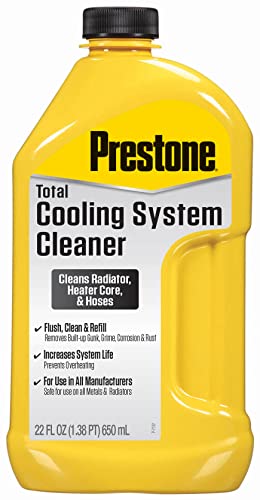
Prestone Flush ‘N Fill Radiator Cleaner Kit, Pack of 6Prestone | Our pick | Pack of 6; complete flush & fill kit | $42.96
Price as of 4 Oct 2026
|
View |
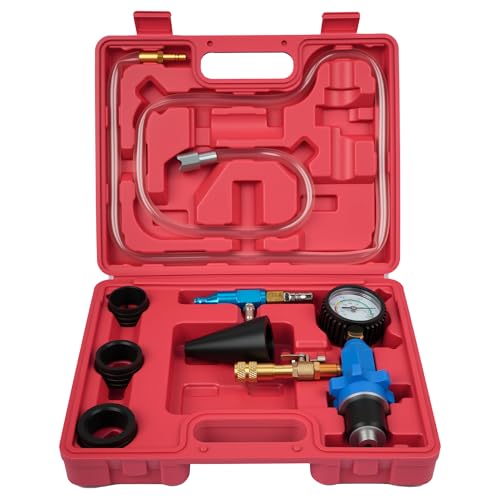 |
DAYUAN Cooling System Vacuum Purge Radiator Coolant RefillDAYUAN | Upgrade pick | Vacuum purge kit; 3 adapter sizes | $26.19
Price as of 4 Oct 2026
|
View |
The table below is for matching the tool to the job, not chasing the cheapest listing. The sweet spot on most shopping pages sits in the $20-$30 range, where dedicated lever-action flush guns often deliver better value than a bare-bones kit.
That said, the right tool changes with the failure mode. Rusty coolant, weak cabin heat, trapped air, and leak checks each point to a different kit style.
How we chose
We compared kit style, adapter coverage, and how each tool handles bleeding or flushing on real vehicle layouts. We also weighed build quality, hose length, and whether the tool fixes a symptom or merely makes the job easier.
Price mattered, but only after fitment. A cheap kit that does not seal on the fill neck or cannot reach the heater circuit is false economy.
For product ranking, we leaned on the 2026 buying guide’s list of 10 coolant flush kit options, its stated top recommendation, and the price band where value is concentrated. Ratings in the guide run from 4.3 to 5.0 stars, but the better filter is job match.
Prestone Flush ‘N Fill Radiator Cleaner Kit, Pack of 6: best for backflushing and refill convenience
Based on the spec sheet and owner feedback, this is the better fit when you want a complete flush-and-fill setup for most cars and light trucks, not a specialty bleeding tool. The included tee, preventer, clamps, and splash tube make it useful for routine maintenance, and the quick refill format can save time.
The drawback is simple: it is more of a system kit than a pure flushing gun, so it is not the first choice for a car that traps air badly or needs very controlled bleeding. It also asks for more installation effort up front than a no-spill funnel.
DAYUAN Cooling System Vacuum Purge Radiator Coolant Refill Tool Kit: best for air-free refills on hard-to-bleed systems
This kit is the stronger choice when the real problem is trapped air, not dirty coolant. The vacuum purge function helps pull air out before refill, and the three adapter sizes plus dual air plug styles make it more adaptable than a basic funnel for mixed vehicle coverage.
The tradeoff is complexity. It is more specialized than a funnel kit, so a beginner doing a simple drain-and-fill may not use its full capability, and adapter fitment still matters a lot on tight engine bays and unusual fill necks.
What is the best cooling system flush kit for car engines?
For most car engines, the best cooling system flush kit is a dedicated lever-action flush gun if you need to clear debris, or a vacuum refill kit if the real problem is trapped air. The winning choice is the one that solves your symptom without creating a bleeding problem afterward.
The 2026 guide’s top recommendation is the Lever Action Coolant System Flush Gun Kit, and the list concentrates real value in the $20-$30 range. That makes sense for DIY work: a flush gun is direct for radiator cleaning, while a vacuum tool matters more on systems that are hard to refill cleanly.
What a flush gun does well
A coolant flush gun uses a lever-action design and connects to water or air through a hose. That makes it useful for radiator flushing and heater core flushing when you need controlled backflow or forward flow through passages that may have rust and scale.
Typical pricing around $20-$30 is where these tools make the most sense. In that bracket, you are paying for fit, valve feel, and hose management instead of shiny extras.
What it does not solve
A flush gun does not automatically purge air from the system after refill. If the engine is known for air pockets, you still need a bleeding strategy, and that often means a vacuum refill kit or at least a no-spill funnel with a careful warm-up bleed.
Do I need a flush gun or a no-spill funnel kit?
Choose a flush gun if you are clearing dirty coolant, rust, or heater-core restriction through the system. Choose a no-spill funnel kit if the job is mostly filling and bleeding after service, because the shut-off valve helps control mess and trapped air at the filler neck.
If you are new to DIY coolant service, the funnel kit is usually easier. If you are chasing debris or trying to move flow through a restricted circuit, the flush gun earns its keep fast.
Why the shut-off valve matters
A no-spill funnel kit with shut-off valve reduces coolant drips during fill and helps keep the neck full while air burps out. That matters on vehicles with tall radiators, awkward caps, or fill points above the engine where splashing becomes a problem.
It is budget-friendly too; the budget pick in the guide is a No-Spill Coolant Funnel Kit with Shut-Off Valve priced at $19.83. That is about the right spend if your goal is a clean refill, not an aggressive flush.
When a funnel beats a gun
A funnel is better when the cooling system is open and you are simply topping, bleeding, or refilling after hose, thermostat, or coolant changes. It is also friendlier for first-time DIY use because the process is visual and slower, which reduces overfill mistakes.
Where the funnel falls short
It does not backflush a heater core, and it will not clear sludge out of a radiator. If the coolant is rusty or brown, a funnel alone only helps you refill the problem after the drain.
Which coolant flush kit works best for heater core flushing?
A heater core flush kit is the right pick when cabin heat is weak and the heater circuit looks restricted. Look for heater-core-specific adapters or nozzle shapes, because the hose sizes and connection angles there are often different from the main radiator lines.
That detail matters more than brand name. A narrow, fragile heater core can be damaged by a sloppy fit or too much pressure, so the best kit is the one that seals cleanly and lets you work gently.
Signs the heater circuit is the problem
Weak cabin heat, uneven vent temperature, or a hose pair that feels much different in temperature are classic clues. If the engine runs fine but the cabin stays cool, the heater core may be partially blocked rather than the radiator failing.
What not to force
Do not drive heavy pressure through a delicate heater core just because the kit fits. If the flow is badly restricted, use short bursts and inspect the discharge instead of trying to blast the passage clean in one pass.
How much should I spend on a cooling system flush kit?
Most DIY owners should plan on spending around $20-$30 for a useful flush gun or basic funnel setup, and a bit more for a vacuum refill kit. The guide’s value zone sits squarely in that band, where you get practical fit and better control without paying for excess packaging.
If you only need a refill aid, the budget funnel makes sense. If you need better bleeding on a finicky system, paying more for a vacuum kit is smarter than buying a second cheap tool later.
Price-to-performance view
- Budget: a no-spill funnel kit near $20 for fill and bleed work.
- Value: a lever-action flush gun around the low-to-mid $20s for cleaning and flushing.
- Specialized: a vacuum refill kit when air management matters more than flushing force.
The guide’s best-value pick is a Lever Action Coolant Flush Gun Kit for Heater priced at $22.98. The premium pick is a Lever Action Coolant System Flush Gun Kit at $26.88, which still sits in the same practical value band.
Can I use a coolant vacuum refill kit instead of a flush kit?
A coolant vacuum refill kit can replace part of the job if the main issue is refilling and bleeding, but it does not replace a true flush tool for contaminated coolant. Vacuum refill changes the fill process, not the cleaning process, so it is best for hard-to-bleed systems.
Use it when the system is sensitive to trapped air, when the engine bay is tight, or when repeated manual bleeding has failed. Use a flush gun when sludge, rust, or heater-core debris is the real complaint.
Adapter count and fitment issues
Vacuum kits vary a lot in adapter count. More adapters help, but only if the sleeves actually seal on your car’s fill neck, and that is where careful fitment beats a long features list.
When it is worth the extra cost
If your vehicle is known for air pockets, a vacuum refill kit saves time and reduces the chance of repeated overheating after service. If your cooling system is simple and easy to bleed, a funnel is usually enough.
What features should I look for in a coolant flush kit?
Look for fitment first, then control. The right kit should match your radiator neck or hose connections, include enough hose length to reach the work area, and give you a way to manage flow without forcing pressure into fragile parts.
For flush guns, lever action and solid hose connections matter. For funnels, the shut-off valve matters. For vacuum kits, adapter coverage and sealing quality matter. For pressure testers, adapter count and gauge clarity matter.
Failure modes to watch
- Trapped air: leads to overheating, poor heater output, and misleading coolant level checks.
- Weak cabin heat: points to a heater-core flow problem, not always a bad radiator.
- Poor connector fitment: causes leaks, poor suction, or a failed flush.
- Overpressure: can damage a heater core or push fluid where it should not go.
- Incomplete flushes: happen when the tool cannot reach the right passage or the hose route is wrong.
Which coolant flush kit is easiest for first-time DIY use?
A no-spill funnel kit is often a practical starting point for first-time DIY use because the process is visible and lower risk. The shut-off valve helps keep coolant where it belongs, and the kit’s job is straightforward: fill, bleed, and monitor the level.
If the vehicle is hard to bleed, a vacuum refill kit can still be easier than repeated funnel bleeding, but it asks for more setup. A flush gun is more effective for dirty systems, yet it demands more judgment about where and how to push flow.
Beginner choice by job
For a simple coolant change on an easy-to-bleed car, buy the funnel kit. For a car that traps air, buy the vacuum kit. For a dirty system or a heater core complaint, buy the flush gun or heater-core-specific flush kit.
Are lever action flush guns better than funnel kits?
Lever action flush guns are better when the job is cleaning, because they move water or air through the system instead of only helping you fill it. Funnel kits are better when the job is bleeding, because they reduce mess and make air burping easier during refill.
So the answer is not one tool winning every time. If your coolant is rusty, the gun usually wins. If your system is clean but annoying to refill, the funnel wins.
Coolant flush gun kit: best for fast radiator and heater-core flushing
Flush guns are the right answer for debris removal. A lever-action design lets you control hose-connected water or air flushing, which is useful on radiators and heater cores when you need to dislodge scale, rust, or sediment.
Before buying, inspect hose length, fittings, and general build quality. Cheap fittings waste time, and short hoses can make an otherwise useful tool annoying to position in a cramped bay.
When hose-connected flushing helps
Hose-connected water or air flushing helps when flow is partially blocked but the circuit is still structurally sound. It is a practical way to restore circulation before you refill, especially on older vehicles or neglected maintenance histories.
No-spill coolant funnel kit: best for filling and bleeding
This is the smartest buy when the cooling system is already clean and you mainly need to refill without making a mess. The shut-off valve keeps the funnel controlled, and the open top lets you watch air burps as the system takes fluid.
It beats a flush gun for first-time DIY use because there is less pressure, less setup, and less chance of forcing fluid the wrong way. Its limit is obvious: it cannot clean a blocked circuit.
Coolant vacuum refill kit: best for hard-to-bleed systems
Choose this when the car is notorious for air pockets or when the fill point sits awkwardly high. Vacuum refill changes the fill process by drawing air out first, which makes a proper coolant service far more predictable on some engines.
The drawback is that fitment is less forgiving than a funnel. If the adapter does not seal or the kit does not include the right sleeve, the vacuum method loses its edge quickly.
Heater core flush kit: best for weak cabin heat
This is the kit to buy when cabin heat is weak and the heater circuit seems restricted. Heater-core-specific adapters or nozzle shapes matter because the core inlet and outlet connections are often tighter, more fragile, and less friendly to generic hose ends.
Do not force a large adapter onto a delicate core. The goal is to restore flow, not to crack a small passage and create a much bigger repair.
The decision matrix: choose by symptom, vehicle, and skill

Start with the symptom, then check the vehicle layout, then judge your comfort level. That sequence keeps you from buying a fancy tool that does not address the actual failure mode.
| Symptom or job | Vehicle type or layout | DIY skill level | Best kit style | Why it fits |
|---|---|---|---|---|
| Rusty coolant or sludge | Most cars and light trucks with accessible hoses | Intermediate | Coolant flush gun kit | Works for radiator and heater core flushing with hose-connected water or air |
| Weak cabin heat | Cars with a restricted heater circuit | Intermediate | Heater core flush kit | Uses heater-core-specific adapters or nozzle shapes for better fitment |
| Air pockets after coolant change | Modern engines with high fill points or bleed screws | Beginner to intermediate | No-spill coolant funnel kit | Shut-off valve helps bleeding and reduces mess |
| Repeated trapped air after service | Tight engine bays or systems that are hard to bleed | Intermediate | Coolant vacuum refill kit | Vacuum refill function removes air before fill |
| Leak checks and pressure diagnosis | Any vehicle when fault tracing matters | Beginner to intermediate | Radiator pressure tester kit | Pressure testing capability helps locate leaks; not a flush tool |
Best kit for rusty coolant and sludge
Buy a flush gun. That is the cleanest match for dirty coolant because it actually moves fluid through the passages instead of only helping you refill afterward.
Best kit for modern cars with bleed screws and tight engine bays
Buy a no-spill funnel if bleeding is straightforward, or a vacuum refill kit if the engine keeps trapping air. Tight packaging around the radiator cap area usually argues for the vacuum tool.
Best kit for beginners doing a first coolant service
Buy the funnel kit first. It is cheap, easy to understand, and good enough for many routine services where the cooling system is healthy and only needs a clean refill.
Best kit when diagnosing a cooling-system fault
Buy a radiator pressure tester kit. It checks system integrity and can expose leaks, but it is a diagnosis tool, not a flush kit, so it should sit alongside a flush or refill tool rather than replace it.
Which one should you buy
If you want the cheapest useful tool, buy the no-spill funnel kit. If you want the best all-around flushing value, buy the lever-action flush gun. If your vehicle traps air, spend more on the vacuum refill kit. If cabin heat is the complaint, choose the heater-core flush kit, and if you are chasing leaks, add a pressure tester.
For the budget-minded buyer, the guide’s No-Spill Coolant Funnel Kit with Shut-Off Valve at $19.83 is the cleanest entry point. For value, the Lever Action Coolant Flush Gun Kit for Heater at $22.98 is hard to ignore. For the most difficult bleeding jobs, the DAYUAN vacuum purge kit is the smarter special-purpose buy at $26.19.
The 2026 guide’s premium lever-action flush gun at $26.88 still sits in the same value band, which is why dedicated lever-action flush guns are often the better dollar-for-dollar choice when flushing is the main job. If you already know your system is air-prone, though, do not buy a flush gun and hope it becomes a bleed tool.
Frequently asked questions
What is the best cooling system flush kit for car engines?
For most car engines, the best kit is the one matched to the failure mode. A lever-action flush gun is best for dirty coolant and heater-core cleaning, while a vacuum refill kit is better for engines that trap air. If the job is only refill and bleed, a no-spill funnel is enough.
Do I need a flush gun or a no-spill funnel kit?
Use a flush gun when you need to clear rust, scale, or sludge from the radiator or heater core. Use a no-spill funnel kit when the coolant system is already clean and you mainly need a controlled fill with less mess and less trapped air during bleeding.
Which coolant flush kit works best for heater core flushing?
A heater core flush kit is the better choice because it includes heater-core-specific adapters or nozzle shapes. Those fittings matter when the core is partially blocked and the connection space is tight. A generic funnel will not clean the core, and a pressure-heavy approach can damage it.
How much should I spend on a cooling system flush kit?
Plan on about $20-$30 for the tools that matter most to DIY owners. That range usually covers a useful flush gun or a no-spill funnel kit. Vacuum refill kits cost more, but the added expense is justified when your vehicle is stubborn about bleeding air.
Can I use a coolant vacuum refill kit instead of a flush kit?
Yes, but only for the refill side of the job. A vacuum refill kit is good at removing air before fill, which helps hard-to-bleed systems. It does not clean rust or sludge the way a flush gun does, so it cannot replace flushing when contamination is the issue.
What features should I look for in a coolant flush kit?
Look for fitment, hose length, and the right function for the problem. Flush guns need solid lever action and hose-connected water or air handling. Funnel kits need a shut-off valve. Vacuum kits need adapter coverage. Pressure testers need gauge clarity and enough adapters for your vehicle.
Products related to this article
Sponsored / affiliate links. As an Amazon Associate I earn from qualifying purchases. I may earn additional commission from eligible campaigns.