Best Small White Cars You Will Certainly Adore
Choosing the Best Small White Cars You’ll Love can seem like a lot. There are so many choices and things to think about! It can be tricky for anyone who’s just starting out. But don’t worry, it doesn’t have to be hard. This guide will take you step-by-step through everything you need to know. We’ll look at the best options available. Ready to find your perfect small white car?
Reasons to Choose a Small White Car
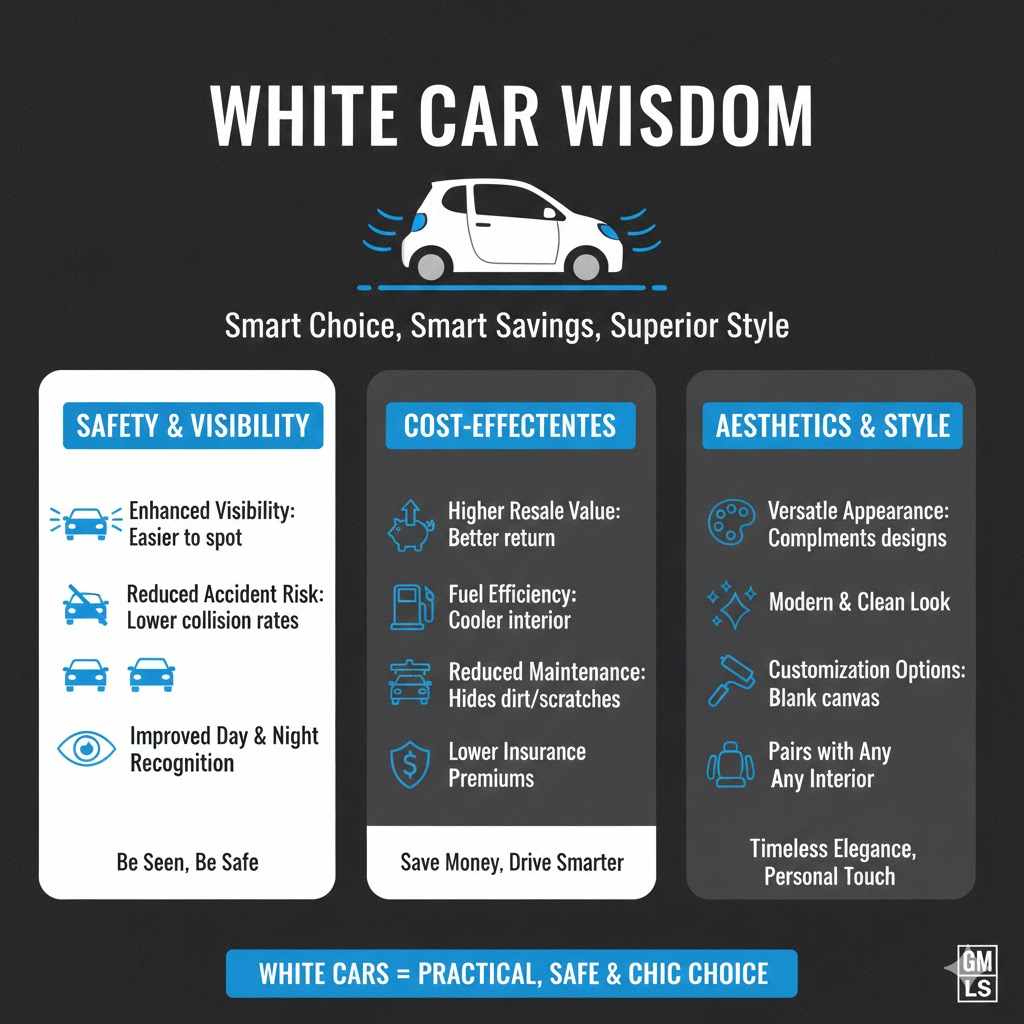
Deciding on a car color is more than just picking what looks good. White cars offer several advantages that make them a popular choice. They reflect sunlight, keeping the interior cooler on hot days. This can reduce the need for air conditioning, saving fuel. White also makes a car more visible, improving safety. Moreover, white cars often hold their value well over time. They are easy to maintain and hide minor scratches and dirt better than darker colors. White is a timeless color that complements various styles and designs. Plus, it gives a clean, modern look.
Safety and Visibility in White Cars
One key reason for choosing a white car is improved safety. White is a highly reflective color. It makes your car more visible, especially in low-light conditions like dawn, dusk, or during rainy weather. This increased visibility can help other drivers see you sooner. This reduces the risk of accidents. White cars blend well with their surroundings during daylight, but stand out more at night. This gives you an edge in accident avoidance. White’s visibility is a real asset. It is a smart choice for those prioritizing safety.
- Enhanced Visibility: White cars are easier to spot. This helps drivers avoid collisions.
- Reduced Accident Risk: Studies suggest that white cars have lower accident rates.
- Improved Daytime and Nighttime Recognition: White is noticeable in all lighting conditions.
- Early Warning to Other Drivers: The bright color helps others see you in time to react.
A study by Monash University found that white cars were involved in fewer accidents, showcasing the safety advantages of high visibility. The study indicated that white cars are approximately 12% less likely to be involved in a collision than darker-colored vehicles.
Cost-Effectiveness of White Cars
Buying a white car can lead to long-term cost savings. White cars are known for maintaining their value better than some other colors. This can translate to a higher resale price when you decide to sell or trade in your car. Because white reflects sunlight, it keeps the car’s interior cooler.
This can reduce the need for air conditioning, leading to better fuel efficiency. White also requires less frequent washing compared to darker colors. Dirt and scratches are less noticeable. This saves you money on car washes and detailing. White is not only a stylish choice, it is also a practical one for your wallet.
- Higher Resale Value: White cars often hold their value well. This provides a better return on investment.
- Fuel Efficiency: Keeping the interior cooler can improve fuel economy. This decreases running costs.
- Reduced Maintenance: White cars typically hide dirt and scratches, so you can spend less on washing and detailing.
- Lower Insurance Premiums: Some insurance companies consider color when calculating premiums. White is often associated with lower rates.
According to data from the National Automobile Dealers Association (NADA), white cars consistently rank among the top colors with the best resale values, ensuring a strong return when it’s time to sell. White is a practical and financially smart option for car buyers.
Aesthetics and Style of White Cars
White is a classic and adaptable color that complements different car designs. It gives a clean and modern look. It looks good on any size or style. Whether you are into sporty cars, family-friendly SUVs, or small city cars, white is a good fit. White cars can be easily personalized.
You can add accessories and accents in any color you like to change their appearance. White also pairs well with various interior colors. It provides a bright and airy feel inside the car. Plus, white cars often stand out in traffic, making a statement. White is a versatile color that fits any taste.
- Versatile Appearance: White goes well with different car designs and body styles.
- Modern and Clean Look: It offers a fresh and contemporary aesthetic.
- Customization Options: White cars provide a great canvas for personalization.
- Pairs with Any Interior: White complements any interior color scheme.
Top Small White Car Options
There are many great small white cars on the market. These cars are known for being easy to drive, fuel-efficient, and perfect for city life. Let’s look at some of the best small white car options you can find. Each car offers unique features and qualities, ensuring a car that fits your needs.
Honda Civic
The Honda Civic is a popular choice for good reason. It offers a great balance of comfort, performance, and reliability. Its sleek design makes it look good on the road, while its efficient engine ensures good gas mileage. The Civic is known for its spacious interior and advanced technology features. These include a user-friendly infotainment system. The Civic is a practical choice. It is fun to drive, making it a favorite for many car buyers. The Civic is a safe bet when it comes to small white cars.
- Reliability: Honda is known for building cars that last a long time. This makes the Civic a smart choice for the long term.
- Fuel Efficiency: The Civic gives great gas mileage. This helps save money at the pump.
- Interior Comfort: The car provides a comfortable ride. It has plenty of space for passengers.
- Modern Technology: The Civic comes with lots of tech, including a good infotainment system.
Honda Civics consistently earn high scores in reliability surveys, often ranking among the top vehicles in their class. The Insurance Institute for Highway Safety (IIHS) gives the Civic high marks for safety, solidifying its place as a reliable and secure vehicle.
Toyota Corolla
The Toyota Corolla is a staple in the automotive industry. It is known for its dependability and fuel economy. The Corolla offers a smooth ride and a comfortable interior. It is perfect for daily commutes and longer trips. It also offers advanced safety features and a user-friendly interface. Toyota’s reputation for quality makes the Corolla a safe and sensible choice. It is a great pick if you want a reliable and practical small white car.
- Dependability: Toyota is famous for making cars that last. The Corolla is known for its high reliability ratings.
- Fuel Economy: The Corolla’s engine helps save money. You get great gas mileage.
- Safety Features: The car has many safety features. This helps keep you and your passengers safe.
- User-Friendly Design: The Corolla has a simple, easy-to-use interface.
According to J.D. Power, the Toyota Corolla often receives high ratings for dependability, showcasing its long-term reliability. The Corolla regularly scores well in IIHS crash tests, highlighting its commitment to safety.
Mazda3
The Mazda3 is a great choice for driving pleasure. It is a sporty small white car known for its stylish design and fun handling. The Mazda3 offers a premium interior with high-quality materials and advanced technology. It provides an engaging driving experience. Its fuel efficiency and practical features make it an attractive option for both city and highway driving. If you enjoy driving, then the Mazda3 might be perfect for you.
- Sporty Handling: The Mazda3 provides a fun and engaging driving experience.
- Stylish Design: The car has a sleek and attractive design.
- Premium Interior: Inside the car, you’ll find high-quality materials and technology.
- Fuel Efficiency: The Mazda3 offers good gas mileage. This makes it a cost-effective choice.
The Mazda3 has earned recognition for its stylish design, often winning awards for its exterior and interior aesthetics. The Mazda3 has earned recognition for its stylish design, often winning awards for its exterior and interior aesthetics. Consumer Reports frequently gives the Mazda3 high marks for driving dynamics, highlighting its engaging handling and performance.
Hyundai Elantra
The Hyundai Elantra is a well-rounded small white car. It is known for its value and impressive features. The Elantra offers a spacious interior, a long list of tech features, and an efficient engine. It gives a comfortable and modern driving experience. Its affordable price point makes it attractive to many buyers. The Elantra combines practicality, style, and value, making it a great option.
- Value for Money: The Elantra offers many features for its price. This makes it a good deal.
- Spacious Interior: You will find plenty of room for passengers and cargo inside.
- Tech-Savvy Features: The Elantra has advanced tech, including smartphone integration and safety systems.
- Fuel Efficiency: The Elantra is known for good gas mileage. This helps reduce running costs.
The Hyundai Elantra often receives high marks in safety assessments from IIHS and the National Highway Traffic Safety Administration (NHTSA), making it a top safety choice. The Elantra is known for offering one of the best warranties in the industry, including a long powertrain warranty.
Kia Forte
The Kia Forte is another excellent option in the small white car category. It provides great value with its appealing design and long list of features. The Forte offers a comfortable interior, user-friendly technology, and a fuel-efficient engine. It is also well-regarded for its reliability and warranty. The Kia Forte is a smart choice for those seeking a stylish, practical, and dependable small car. The car gives you a lot for your money.
- Attractive Design: The Forte looks modern and stylish on the road.
- User-Friendly Technology: The car features an easy-to-use infotainment system and tech features.
- Reliability: Kia vehicles are known for their strong reliability and quality.
- Long Warranty: Kia offers great warranty coverage.
Kia is known for having a strong safety record. The Forte is no exception, earning high safety ratings from IIHS and NHTSA. The Forte’s long warranty, including a 10-year/100,000-mile powertrain warranty, shows Kia’s commitment to quality and owner confidence.
Key Features to Consider
When selecting a small white car, several key features should guide your choice. These elements affect the driving experience. They impact the overall value. Make sure you know what to look for.
Fuel Efficiency
Fuel efficiency is important. It affects your everyday costs and environmental impact. Look for cars with high MPG ratings. Hybrid or electric models offer the best fuel economy. These cars will save you money on gas. Consider the type of driving you mostly do. If you drive in the city, look for a car with good city MPG. If you drive on highways, look for good highway MPG.
Research the car’s fuel economy ratings. This information is available from the manufacturer. Pay attention to reviews and reports. These can give you real-world insights into fuel efficiency. Choosing a fuel-efficient small white car will save you money. It will also reduce your carbon footprint.
- MPG Ratings: Check the city and highway MPG.
- Hybrid and Electric Options: Consider hybrid or electric models for the best fuel economy.
- Driving Habits: Consider where and how often you will be driving the car.
- Fuel Cost Savings: Calculate how much you could save on gas costs over time.
The EPA provides ratings that can help you compare fuel efficiency for different models. A study by the U.S. Department of Energy found that fuel-efficient vehicles significantly reduce greenhouse gas emissions, contributing to a cleaner environment.
Safety Features
Safety features are critical for protecting you and your passengers. Look for cars equipped with advanced safety technologies. These include airbags, anti-lock brakes (ABS), and electronic stability control (ESC). Also, consider the availability of driver-assistance systems.
Features such as lane departure warning, blind-spot monitoring, and automatic emergency braking are useful. Look at safety ratings from the IIHS and NHTSA. These organizations test and rate cars based on crashworthiness. They also test the effectiveness of safety systems. Choosing a car with comprehensive safety features can improve your driving experience. More importantly, it can protect you in case of a crash.
- Airbags and ABS: Make sure the car has these essential safety features.
- Driver-Assistance Systems: Consider features like lane departure warning and blind-spot monitoring.
- Safety Ratings: Check crash test scores from IIHS and NHTSA.
- Active Safety Systems: Look for features that help prevent accidents, like automatic emergency braking.
The IIHS and NHTSA offer detailed crash test results and safety ratings, giving you insight into how different cars perform. Cars with top safety ratings often experience lower insurance premiums, which can save money.
Technology and Infotainment
Modern cars are packed with technology. Consider the infotainment system. Make sure it is easy to use and has the features you need. Look for a touchscreen display, smartphone integration (Apple CarPlay and Android Auto).
Also, consider built-in navigation, if you want it. Some cars have advanced driver-assistance systems. These can make driving easier and safer. Think about the car’s connectivity features. These include Bluetooth, USB ports, and Wi-Fi hotspot capabilities. This technology will enhance your driving experience. It will keep you connected and entertained.
- Touchscreen Display: Check the size and ease of use of the screen.
- Smartphone Integration: Make sure the car supports Apple CarPlay and Android Auto.
- Connectivity: Look for Bluetooth, USB ports, and Wi-Fi hotspot capabilities.
- Driver-Assistance Systems: Consider advanced features like adaptive cruise control and lane keep assist.
Studies show that cars with advanced infotainment systems can improve driver satisfaction. The integration of smartphone apps can make driving more enjoyable and less stressful.
Size and Practicality
When selecting a small white car, size and practicality are essential. Think about how you plan to use the car. Consider your needs. If you live in a city or have limited parking, a compact car might be best. If you regularly transport passengers or cargo, you might need something with more space. Pay attention to the car’s interior space.
Make sure it has enough room for passengers and your belongings. Check the cargo capacity. Think about the car’s maneuverability. Evaluate the car’s ease of parking. Choose a car that fits your lifestyle. Make sure it meets your daily needs. This ensures a comfortable and stress-free driving experience.
- Interior Space: Evaluate the legroom and headroom for passengers.
- Cargo Capacity: Make sure there is enough space for your luggage.
- Maneuverability: Consider the car’s turning radius, which is important for city driving.
- Ease of Parking: Assess the car’s size and visibility when parking.
Research published by the AAA shows that drivers often underestimate the importance of cargo space when choosing a vehicle. According to the EPA, compact cars typically offer better fuel efficiency and lower emissions. This makes them ideal for urban environments.
Maintaining Your Small White Car
Proper care will keep your small white car looking its best. Follow these tips to protect your investment and maintain the car’s appearance.
Washing and Cleaning
Regular washing is key to keeping your white car clean. Wash the car every two weeks. This will remove dirt and grime that can damage the paint. Use a pH-neutral car wash soap and a soft microfiber wash mitt. This will prevent scratches.
Wash your car in the shade. This will avoid water spots. Dry the car with a clean, soft microfiber towel. This will prevent water stains. Clean your car’s interior regularly. Vacuum the seats and carpets. Wipe down the dashboard and door panels. These steps keep your car clean inside and out.
- Frequency: Wash your car every two weeks. This removes dirt.
- Materials: Use pH-neutral soap and a soft microfiber mitt and towel.
- Technique: Wash in the shade to prevent water spots.
- Interior Cleaning: Vacuum and wipe down the interior surfaces.
Research indicates that regular car washing helps protect the paint from environmental damage. A clean car may also contribute to better resale value.
Protecting the Paint
Protecting your car’s paint will keep it looking its best. Apply a wax or sealant every few months. This creates a protective layer. It helps to repel dirt, water, and UV rays. Consider a paint protection film (PPF). This transparent film can guard against scratches and chips. Park your car in a garage or shaded area. This can prevent sun damage. Avoid using abrasive cleaners. Avoid scratching the paint. Regularly inspect your car. Address any scratches or chips promptly. Protecting the paint is very important.
- Waxing and Sealing: Apply wax or sealant every few months to protect the paint.
- Paint Protection Film (PPF): Consider using PPF to guard against scratches and chips.
- Parking: Park in a garage or shaded area to prevent sun damage.
- Inspection: Regularly inspect for scratches and chips.
Studies show that car wax provides a protective barrier against environmental damage. The paint protection film is also a very good investment.
Regular Maintenance
Regular maintenance will keep your car running smoothly. Follow the manufacturer’s recommended maintenance schedule. This includes oil changes, filter replacements, and spark plug checks. Check your tire pressure and rotate your tires regularly.
Keep an eye on fluid levels. This includes engine oil, coolant, and brake fluid. Inspect the brakes, lights, and wipers. These should be in good working condition. Addressing issues will help prevent bigger problems down the road. This also ensures your car is safe and reliable. Routine care is always best.
- Maintenance Schedule: Follow the manufacturer’s recommendations.
- Tire Care: Check and rotate your tires.
- Fluid Levels: Regularly check engine oil, coolant, and brake fluid.
- Inspection: Inspect brakes, lights, and wipers.
Research indicates that regular maintenance significantly extends the life of a vehicle. Studies show a direct correlation between proper maintenance and fuel efficiency, ensuring long-term savings.
| Maintenance Task | Frequency | Importance |
|---|---|---|
| Oil Change | Every 5,000-7,500 miles | Ensures engine performance and longevity. |
| Tire Rotation | Every 6,000-8,000 miles | Ensures even tire wear and optimal handling. |
| Filter Replacement | As needed (air, oil, cabin) | Maintains engine efficiency and air quality. |
| Brake Inspection | Annually or as needed | Ensures safe braking performance. |
Making Your Decision
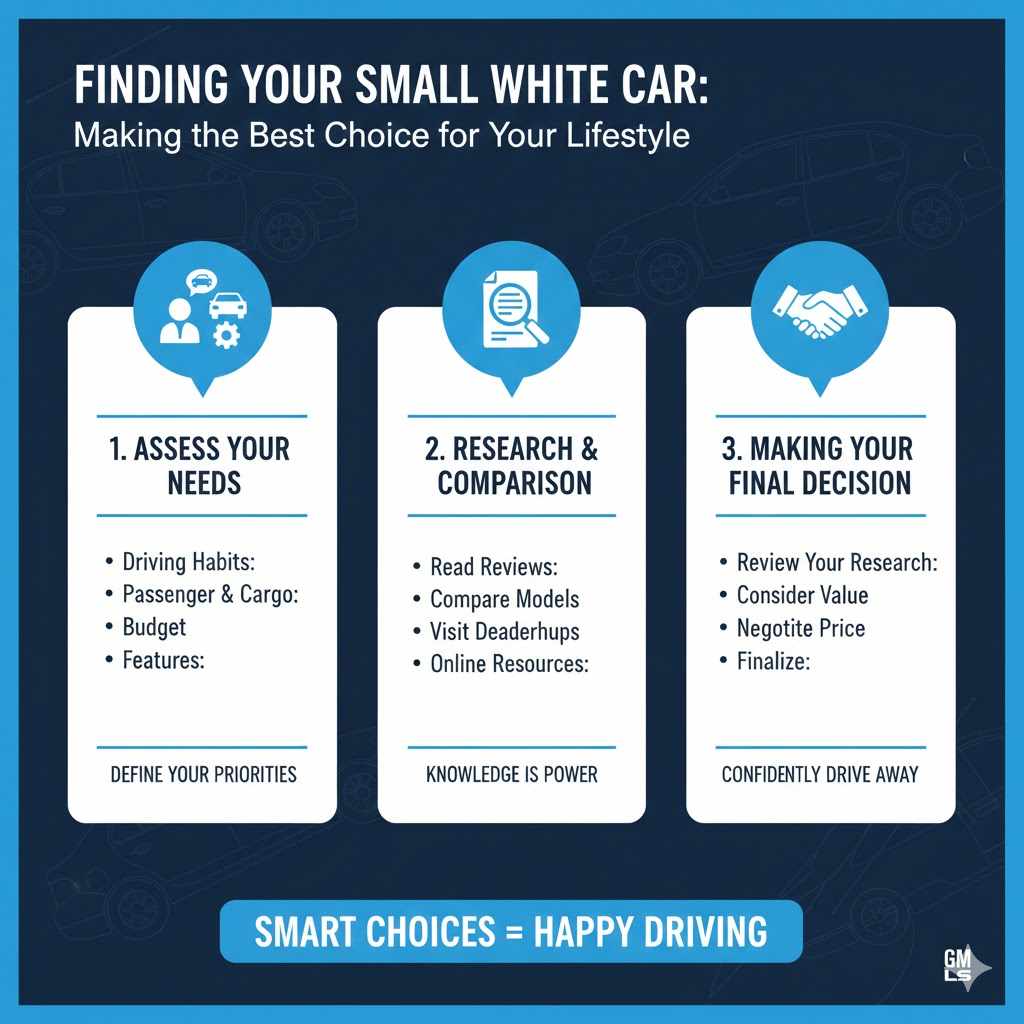
Choosing the perfect small white car is easier when you know what to look for. Think about your needs and preferences. By following these steps, you will make the best choice. Here’s a short guide to guide you.
Assess Your Needs
Before you start, figure out what you need in a car. Think about how you will mostly use the car. Will you be driving in the city or on the highway? Do you need space for passengers or cargo? Consider your budget. Include the price of the car and the ongoing costs of ownership. These include fuel, insurance, and maintenance. Write a list of must-have features. Include safety features, technology, and any other requirements. Knowing your needs will help you narrow your options. You will find the perfect car faster.
- Driving Habits: How and where do you typically drive?
- Passenger and Cargo Needs: Do you need to carry people or items?
- Budget: What are the purchase price, fuel, insurance, and maintenance costs?
- Features: Make a list of essential features.
Surveys show that buyers who clearly define their needs are more satisfied with their car choice. Budgeting for ongoing car expenses can help prevent financial stress.
Research and Comparison
Once you know what you are looking for, start researching. Look at the top small white cars and read reviews. Learn about each car’s features, performance, and safety ratings. Compare different models side by side. Use online tools and comparison guides. These will make the process easier. Consider the fuel efficiency, technology features, and available options.
Visit dealerships to see and test drive the cars. The test drive lets you feel how the car handles. It lets you see if the interior fits your needs. Research will help you make a well-informed decision. It will help you pick a car that is right for you.
- Read Reviews: Research car specifications and real-world reviews.
- Compare Models: Create a side-by-side comparison of the options.
- Visit Dealerships: Test drive cars. Experience the cars first hand.
- Online Resources: Use comparison tools to help.
Consumer Reports and J.D. Power provide valuable insights into car reliability and owner satisfaction. Test driving multiple vehicles is shown to increase the chance of finding the perfect car.
Making Your Final Decision
After researching and testing, you can make your choice. Think about your needs and the car’s features. Consider the car’s overall value. Balance the purchase price, fuel costs, and maintenance expenses. Negotiate the price with the dealer. Ask about any available incentives or financing options. Before signing any papers, review all the details.
Read the warranty and any other conditions. Once you are sure, you can get your new car! You will now be ready to drive your small white car. It is a big decision, so take your time. Pick the car that feels right for you.
- Review Your Research: Compare the pros and cons of each choice.
- Consider Value: Balance the costs with features and benefits.
- Negotiate Price: Get a good deal.
- Finalize: Review the paperwork before signing.
Car buying satisfaction improves when you allow time to make a decision. The Kelley Blue Book website offers valuable price and valuation data. Ensure your selection aligns with your needs and budget.
Frequently Asked Questions
Question: What are the benefits of choosing a white car?
Answer: White cars are often preferred because they are very visible, which can increase safety. They reflect sunlight, keeping the interior cooler and can hold their value well over time.
Question: How do I maintain the paint on my white car?
Answer: Regular washing, waxing, and the use of paint protection products, like a paint protection film (PPF), can keep your car’s paint in good condition.
Question: What features should I focus on when choosing a small car?
Answer: Consider fuel efficiency, safety features (like airbags and driver-assistance systems), technology and infotainment systems, and the overall size and practicality of the car.
Question: What are some great small white car options?
Answer: Some great choices include the Honda Civic, Toyota Corolla, Mazda3, Hyundai Elantra, and Kia Forte. All have various features to choose from.
Question: Where can I find the best deals on a small white car?
Answer: Research car prices online. Visit multiple dealerships to compare prices and financing options. Consider looking for available incentives to save money.
Final Thoughts
Choosing the perfect small white car involves some thinking. This guide gives you a solid plan to make your choice. We explored the many benefits of white cars, focusing on their safety, style, and value. The top models were covered, from the dependable Honda Civic to the stylish Mazda3. Knowing your needs is essential.
Researching your options and comparing features will let you make a good decision. Remember to think about what is important to you: fuel economy, safety, and technology. Maintaining your car is important. Regular washing and protective measures will keep it looking nice for years. Now, you have the information to find the Best Small White Cars You’ll Love. With the right tools, you will find a car that suits your lifestyle. Get ready to find your ideal small white car!