Best Waterproof Car Covers for Weather (2026): We Compared
CoverSeal Heavy Duty Outdoor is the top pick for the strongest all-around outdoor hold, because Car and Driver named it best overall and noted its fully weighted bottom edge helps it seal better on smooth pavement. That matters when rain, snow, wind, and rodents are all in play, since each one exploits gaps at the hem and seams.
Quick comparison
| Product | Badge | Best for | Price | ||
|---|---|---|---|---|---|
 |
Tozaroa Car Cover Waterproof All-Weather,Outdoor FullTozaroa | Our pick | C4 · 186-193 inch · Custom fit | $62.96
Price as of 24 Oct 2026
|
View |
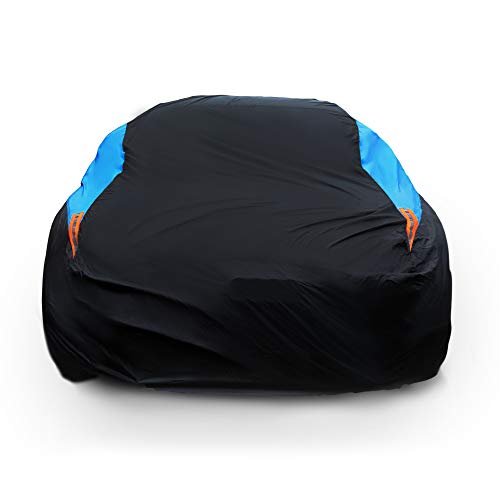 |
MORNYRAY Waterproof Car Cover All Weather Snowproof UVMORNYRAY | Budget pick | Universal · 194-206 inch · Blue | $35.17
Price as of 24 Oct 2026
|
View |
 |
EJAEE Universal Waterproof Car Cover Full Enclosed FloodEJAEE | Upgrade pick | 24x19Ft · Flood protection · Full seal | $249.99
Price as of 24 Oct 2026
|
View |
 |
ATOCOVER YL Waterproof Breathable All-Weather Car CoverATOCOVER | Also great | 189 inch · Breathable · Mirror pockets | $25.79
Price as of 24 Oct 2026
|
View |
 |
Tozaroa Large Car Cover Waterproof All-Weather,OutdoorTozaroa | Also great | 209-218 inch · Custom fit · All-weather | $69.99
Price as of 24 Oct 2026
|
View |
Use the table to match the cover to the failure mode you expect most: standing water, snow load, wind, rodent pressure, or daily on-off use. If you park on smooth pavement and want the tightest seal, CoverSeal leads; if fit choice matters most, EzyShade stands out.
📊 Car and Driver says EzyShade comes in 30 sizes. Source: Best Car Covers for 2026, Tested.
How we chose
We compared the listed covers on four practical points: waterproof construction that does more than sound good on a product page, retention features that stop wind lift, fit system details that reduce abrasion, and how well each design matches outdoor storage conditions.
That means looking at seams, hems, straps, mirror pockets, and the fabric stack itself. A cover can block rain on paper and still fail at the edges, where water and grit usually get in first.
We also weighed use case, not just claims. Daily outdoor parking, winter storage, gravel drives, and rodent-prone lots all push a cover in different directions.
What makes a car cover truly waterproof?
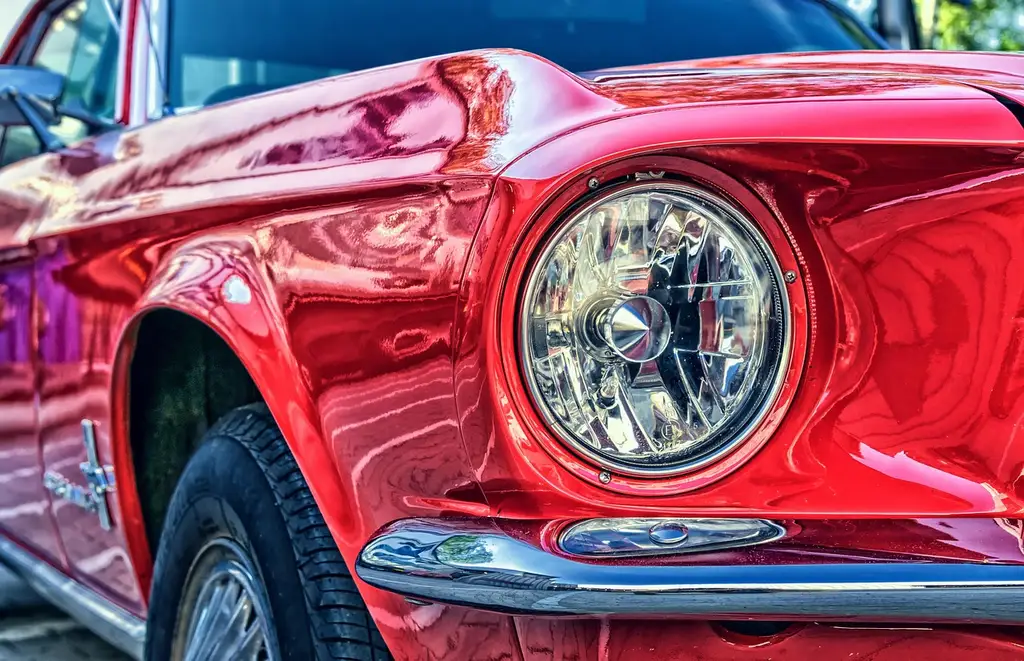
A truly waterproof car cover keeps liquid water out through the fabric and, more important, at the weak points: seams, hems, vents, mirror pockets, and the lower edge. Water-resistant fabric can shrug off light rain for a short stretch, but it is not the same as a sealed build that resists soaked-through panels and edge leakage.
Where waterproof claims fail first
The fabric itself is only part of the story. Seams can wick moisture, hems can open in wind, and mirror pockets or vent openings can let water reach the body if the fit is loose or the cover shifts during a storm.
That is why a cover with a waterproof outer layer still needs a soft backing and a retention system. A sealed shell without secure tie-downs can flap, wear through, and let water work in through stretched edges.
Why multi-layer builds usually hold up better
Multi-layer covers usually protect better than thin single-layer shells because they spread wear across more material and usually add a softer inner face. That helps with rain resistance, UV protection, and paint safety, especially when the cover gets removed and refit often.
The tradeoff is bulk. More layers can be harder to fold, slower to dry, and less pleasant for a driver who removes the cover every morning.
CoverSeal Heavy Duty Outdoor: best for all-around protection
CoverSeal Heavy Duty Outdoor is the strongest all-around pick for owners who need better sealing and retention in real weather. Car and Driver named it the best overall cover, and it uses a fully weighted bottom edge that helps it sit tighter on smooth surfaces.
It also makes sense when storm exposure and rodent deterrence matter. A tighter lower seal leaves fewer gaps for wind to grab and less open space for pests to exploit, especially on asphalt or cement where the edge can sit flat.
The drawback is surface dependence. Car and Driver said it seals better on smooth surfaces, so gravel driveways and uneven parking areas can reduce the benefit of that weighted edge. It can also feel bulkier than a lighter daily-use cover.
SealSkin ProGuard: best for heavy-duty value
SealSkin ProGuard suits buyers who want a waterproof base model with a tougher feel than a simple dust cover. Car and Driver describes it as waterproof even at the base model, and its soft inner layer plus polypropylene outer layer make it a serious weather option.
The elastic hem and three clasping straps help with wind control, which matters if you park in an exposed lot or on a street with regular gusts. It is a sensible pick for drivers who want a sturdier build without moving to a full enclosure system.
The drawback is fit sensitivity. A universal design can be right for the listed sedan length, but it will not match a vehicle-specific pattern as closely, so mirror areas and lower corners may not sit as cleanly as a custom cover.
EzyShade 10-Layer Waterproof All-Weather: best for fit options
EzyShade is the fit-first choice here. Car and Driver says it comes in 30 sizes, and the outer layer is marketed as waterproof, which gives you a wider chance of matching the body shape instead of forcing a close-enough universal fit.
That makes it useful for owners who care about sizing precision or who want the reflective option for street parking visibility. It also uses three plastic clasps to help keep the cover secure.
The drawback is that fit depends on the sizing chart, not just the vehicle nameplate. If you guess wrong, a cover with many size options can still leave loose fabric at the lower edge or put too much tension across the panels.
ATOCOVER YL Waterproof Breathable All-Weather: best for small cars
ATOCOVER YL is the lightest fit-focused option for hatchbacks, coupes, and small cars that need waterproofing without a heavy, bulky shell. Its breathable waterproof and dustproof material, plus a scratch-friendly inner design, make it useful for owners who remove and refit a cover often.
The mirror pockets help the cover sit in the right place, which lowers flap and abrasion risk. That matters when the car is parked outside and the cover has to come off in a hurry before work or after a storm.
The drawback is obvious: it is not aimed at larger vehicles, and a lighter construction usually gives up some long-term storm confidence compared with heavier-duty covers. It is better for moderate exposure than for severe winter storage.
Tozaroa Large Car Cover: best for large coupes
Tozaroa Large Car Cover is the choice for larger coupes and classic-sized bodies that need a custom fit in the 209-218 inch range. The heavy-duty tear-resistant construction and waterproof, UV-protective coating make it fit the same problem as the smaller Tozaroa version, just at a longer body length.
It works best when you already know your vehicle sits in that size band and you want fewer loose panels than a universal cover would leave behind. That matters for wind security and for reducing dirt movement under the fabric.
The drawback is the same as most size-specific covers: if you miss the chart, you buy the wrong size. On a gravel drive or in a gusty area, an off-size cover can rub, shift, and wear faster than it should.
How do you choose the right fit?
Choose fit by year, make, and model first, then verify the size chart against your exact body style. A good fit stays put without stretching tight across corners, and it leaves less slack for wind to grab. Too loose invites flap; too tight can stress seams and abrade paint.
Fit details that matter
Mirror pockets help position the shell correctly on many modern cars. Elastic hems pull the lower edge in, while straps and buckles hold the cover down when wind starts lifting the sides.
Custom-fit covers usually fit better than universal covers because they follow body shape more closely. Universal designs can still work, but they depend more on tie-downs and more careful sizing.
Surface changes the fit outcome
Asphalt or cement usually gives a cover a better chance to seal at the bottom edge. Gravel is harder on the underside because small stones can move under the hem and add abrasion every time the cover shifts.
Picture a sedan parked on a gravel driveway through a snowy week. If the lower edge drags and the straps are loose, grit can work up into the inner layer and the cover can wear faster than the same model parked on smooth concrete.
Which one should you buy?
Start with the failure mode, not the logo. If you need the tightest all-around outdoor hold, CoverSeal Heavy Duty Outdoor is the best bet. If price matters most and you still want a waterproof, strapped cover, SealSkin ProGuard is the value play. If fit choices matter more than everything else, EzyShade is the better path.
For heavy rain and snow, favor the cover with the strongest seal at the bottom edge and the least chance of pooling at the seams. For windy parking, choose the one with straps, buckles, and a hem that stays anchored rather than a loose shell with no retention system.
For rodent-prone storage, a tighter seal on smooth pavement matters because it closes off access points near the ground. For frequent daily removal, lighter construction and a clear size match matter more than maximum bulk.
A common mistake is choosing a waterproof cover based only on sedan, SUV, or truck size without checking mirror shape, antenna clearance, or the tie-down system. A sedan-size universal cover that looks close on paper can still be a poor match if your mirrors, roofline, or bumper shape push the fabric out of place.
Waterproof car cover decision matrix
| Use case | Exact feature that matters | Failure risk if omitted | Best-fit cover type |
|---|---|---|---|
| Heavy rain | Taped or well-sealed seams, waterproof outer layer, secure hem | Water wicks through seams and pools at the lower edge | Heavy-duty multi-layer cover with a tight bottom seal |
| Snow and ice | Thicker construction, strong wind retention, soft inner face | Snow load stretches fabric and ice can bind the cover to the car | Multi-layer cover with straps and a paint-safe lining |
| Windy parking | Elastic hem, straps, buckles, weighted edge | Flapping wears panels, exposes paint, and loosens the lower edge | Retention-focused cover with a tighter fit system |
| Rodent-prone storage | Close lower seal, fewer openings, snug fit on smooth pavement | Pests can enter gaps near wheels, rocker panels, or the hem | Cover with strong perimeter hold and minimal slack |
| Frequent daily removal | Clear sizing, manageable weight, easy-to-follow fold pattern | Hard-to-handle covers get skipped, torn, or installed loosely | Light-to-midweight fit-specific cover |
Frequently asked questions
What is the best waterproof car cover for outdoor parking?
CoverSeal Heavy Duty Outdoor is the strongest all-around outdoor parking choice in this group because Car and Driver named it best overall and noted its fully weighted bottom edge. That matters when you need better sealing, better retention, and less chance of wind working under the cover.
Are waterproof car covers really waterproof or just water-resistant?
Some are truly waterproof on the fabric layer, but that does not mean the entire cover is immune to leaks. Seams, hems, mirror pockets, and vents are common failure points, so a cover can keep out rain on one panel and still let moisture in at the edges.
Which car cover is best for rain and snow?
For rain and snow, choose the cover with the strongest combination of waterproof material, tight perimeter hold, and a soft inner layer that will not grind against paint when frozen or wet. Among these options, CoverSeal is the best all-around pick, while SealSkin ProGuard is the better value call.
How do I choose the right size car cover for my vehicle?
Use your year, make, and model first, then confirm the size chart against body style and mirror placement. A cover that is too loose can flap and abrade; one that is too tight can strain seams and leave the lower edge lifted where rain and dirt can get in.
Do waterproof car covers scratch paint?
They can, especially if the underside is rough, the fit is wrong, or dirt gets trapped between the cover and the paint. A soft inner lining helps, but so does a clean car, a correct size, and a cover that does not move constantly in the wind.
What features should a windproof car cover have?
Look for elastic hems, straps, buckles, and a design that stays low at the bottom edge. A weighted perimeter helps, too. Without those features, wind can get under the cover, lift it, and turn small movement into repeated abrasion.
Can I use a waterproof car cover on a daily driver?
Yes, but daily use changes the buying decision. A daily driver needs a cover that goes on and off quickly, folds without a fight, and fits closely enough to avoid drag. Heavy, bulky models protect well but can become annoying enough that owners stop using them.
What is the best car cover for long-term outdoor storage?
For long-term outdoor storage, choose a cover with the best seal, the most stable fit, and a lining that will not chew through paint over time. That usually points to a custom or semi-custom fit on smooth pavement, especially if the car faces snow, wind, or rodents.
Do I need a custom-fit cover or a universal cover?
Custom-fit usually wins when you want the cleanest seal and the least extra fabric. Universal covers can work for broad body classes, but they rely more on straps and hem tension, so they are more sensitive to shape differences, mirror placement, and parking surface.
Products related to this article
Sponsored / affiliate links. As an Amazon Associate I earn from qualifying purchases. I may earn additional commission from eligible campaigns.