Michelin Defender 2 Review: Worth It for Daily Driving?
The Michelin Defender 2 is a smart buy for drivers who want long tread life, low cabin noise on the highway, and steady wet-road commuting; skip it if you want sharp steering or winter grip, because its value depends on easy miles, not excitement. Buy wrong, and you pay more for tire changes, road noise, and a ride that never feels worth the premium. This review explains who gets the most from its 80,000-mile warranty, EV-friendly wear, and touring comfort, and who should choose another tire.
This guide is part of our Car accessories guide series.
Verdict


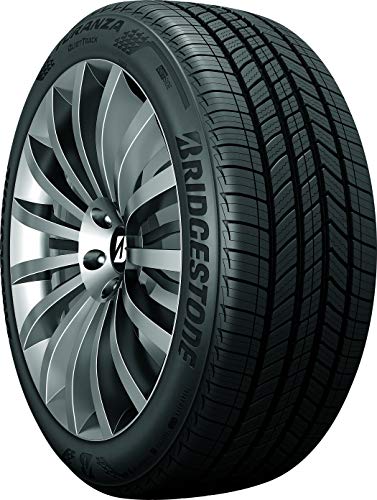

For the right buyer, this is a practical premium all-season tire, not a showpiece. The value shows up on commuting routes, school runs, and highway miles where reduced noise, steady wet traction, and long wear matter more than quick turn-in or aggressive lane changes.
According to Michelin Defender 2 Review 2026: Is It Worth Buying? — Tire Rack lists the Defender 2 for coupes, sedans, crossovers, SUVs, and minivans.
Specs at a glance
| Item | Defender 2 details |
|---|---|
| Tire type | Premium all-season touring tire |
| Vehicle fitment | Sedans, minivans, crossovers, SUVs, coupes |
| Size range | 15 inches to 20 inches |
| Treadwear warranty | 6 years / 80,000 miles |
| UTQG example | 840 B B |
| Practical UTQG meaning | B traction and B temperature point to a comfort-first all-season tire, not a max-grip or high-heat performance tire |
| Tread depth example | 10.5/32-inch |
| Load range variants | SL and XL |
| Max load in one listed size | 2,039 lb per tire |
| EV readiness | EV Ready compatibility |
The headline specs are simple. Michelin positions the Defender 2 as a premium all-season touring tire for everyday vehicles, and Tire Rack lists it for coupes, sedans, crossovers, SUVs, and minivans. The important part is the size and load match, not the badge on the sidewall.
That UTQG example, 840 B B, matters because it signals a tire built for wear and comfort first. A B traction grade and B temperature grade are not bad marks; they just confirm this is not the tire for hard driving, repeated high-speed heat, or a winter-first job.
Who it is for
The Defender 2 fits drivers who want quiet commuting, family hauling, and long service life more than sharp response. Michelin says it is aimed at sedans, minivans, and crossovers, and that lines up with the tire’s best use: steady highway miles, rain commuting, and low-drama ownership.
It also makes sense for EV buyers, but only when the size, load range, and speed rating are right. “EV Ready” should be read as a wear-and-load-minded setup, not as a promise of magic range gains or special winter grip.
Sedan and commuter use
For sedans, the Defender 2 is a good fit when the car is used for work commutes, errands, and long interstate runs. The long warranty and comfort bias matter most here, because these cars often spend most of their life at steady speeds on average pavement.
SUV, crossover, and minivan use
For crossovers and minivans, the tire makes sense when cargo, passengers, and highway stability matter more than fast steering. In those cases, the load rating and size match become more important than the Michelin name itself, especially in XL fitments.
EV buyers and what EV Ready means here
EV buyers should look at the Defender 2 when they want lower cabin noise, even wear, and a size with the right load reserve. EV weight and instant torque can punish a weak fitment, so the right SL or XL version matters more than the tire’s brand promise.
What works on the road?
The Defender 2 does its best work in normal daily driving. It is strong in dry commuting, credible in rain, quiet at speed, and built to wear slowly. That combination is why many owners shop it as a long-term replacement rather than a short-term upgrade.
Dry road behavior
Dry grip is good for a touring tire. Steering response is calm rather than sharp, but that is the point of this category. It tracks predictably in lane changes and steady cornering, yet it will not feel eager if the driver likes quick turn-in or frequent back-road pace.
Wet grip and hydroplaning resistance
Wet performance is one of the Defender 2’s stronger suits. One review scores wet weather at 9.2 out of 10, and that lines up with the tire’s commuter focus. In practical terms, this is the part of ownership where the model earns its premium price most often.
Hydroplaning resistance is also part of the appeal. Wide rain grooves and touring-tire siping help, but the real value comes from consistency when roads are slick, puddled, or grooved from truck traffic. It is a rain tire before it is a snow tire.
Ride comfort, cabin noise, and treadwear
Comfort is the other major win. The Defender 2 is quiet and comfortable in the way touring tires should be, with less hum than many general-purpose all-season options. One review gives it an 8.9 out of 10 overall, which fits the common ownership story: easy to live with, easy to forget.
Treadwear is where the warranty gets attention, but warranty miles are not the same as real lifespan. Road quality, alignment, rotation habits, vehicle weight, and driving style all matter. A careful commuter may get close to the claim; a heavy crossover with poor alignment may not.
What does not work as well?
The biggest drawback is not a defect. It is fit and purpose. The Defender 2 is built for calm all-season use, so it gives up some steering sharpness, cold-weather bite, and enthusiast feel to get that long-wear, low-noise personality.
Light snow versus severe winter limits
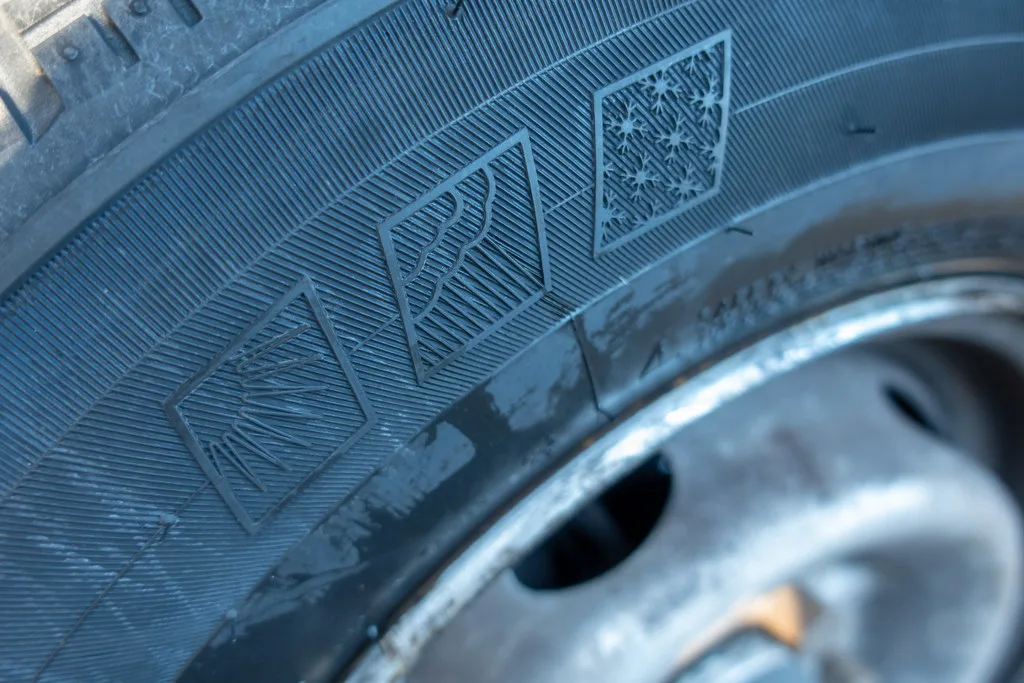
Light snow is acceptable. Severe winter use is not. One review scores winter weather at 8.3 out of 10, and another testing review puts snow performance at 7.5 out of 10, which is fine for occasional flurries and cleared roads but not enough for icy hills, packed snow, or long cold snaps.
If winter is real where the vehicle lives, use a winter tire. The Defender 2 can handle the kind of dusting that catches commuters on the way to work, but it should not be treated like a substitute for dedicated snow rubber.
Sporty driving and steering response limits
Drivers who want quick steering feel, firm sidewalls, and fast transitions should look elsewhere. The Defender 2 is tuned for stability and wear, not enthusiasm. That trade-off is fine on a minivan or highway sedan, and less satisfying on a driver-focused car.
Size and load spec mismatches to watch
Size mistakes matter here. SL and XL are not cosmetic labels; they change how the tire carries weight and supports the vehicle. A too-light spec can feel soft or wear oddly on heavier vehicles, while a too-stiff spec can make ride quality worse than expected.
Staggered fitments need extra care. If the vehicle uses different front and rear sizes, the Defender 2 has to match both dimensions and load needs exactly. Speed rating matters too, with H, V, and W fitments needing a correct match to the vehicle’s original intent.
Pros and cons
Pros
- Long 6-year / 80,000-mile treadwear warranty
- Quiet, comfortable touring ride
- Strong wet-road commuting manners
- EV Ready compatibility
- Wide size range from 15 inches to 20 inches
Cons
- Not a severe-winter tire
- Not the best choice for sporty steering
- Price is premium for a touring tire
- Wrong SL or XL fitment can hurt ride or wear
- Warranty miles are not the same as real-world lifespan
Which size and vehicle should buy it?
The best fit depends on vehicle mass, load needs, and how the car is used. A sedan commuter can live happily with the right standard load version, while a crossover, minivan, or EV often needs the extra support of XL sizing. The name matters less than the spec match.
Size-and-use-case decision table
| Vehicle type | Defender 2 fitment strength | Trade-off | Red-flag conditions |
|---|---|---|---|
| Sedan | Quiet commute, long wear, good rain manners | Less steering sharpness than sportier touring tires | Sporty driving, frequent mountain descents, oversized wheels with low profile sidewalls |
| SUV | Stable highway manners, useful load support in XL sizes | Ride can feel firmer if the load spec is mismatched | Frequent deep snow, towing beyond the tire’s stated load, staggered fitment complexity |
| Minivan | Comfort, passenger-friendly noise levels, wear life | Not a performance tire for quick steering | Heavy cargo use without confirming XL spec, winter-only climates |
| EV | EV Ready compatibility, noise control, wear focus | Needs careful load and speed rating selection | Staggered setup, high torque launches, wrong load index, winter regions |
Sedan fitment decisions
Sedans get the best value when the car is a commuter and the tire size falls in the 15- to 20-inch range offered. H and V speed ratings usually suit this role well, but the original vehicle spec should decide the final choice, not habit.
SUV and crossover fitment decisions
For SUVs and crossovers, the XL version often makes more sense because weight and cargo demand more support. If the vehicle is a soft-roader used mostly on pavement, the Defender 2 makes sense; if it is used for rough-weather duty, a winter-first option may be better.
Minivan and family-hauler fitment decisions
Minivans benefit from quiet ride quality and even wear. This is where the tire’s comfort-first bias pays off. Families who log miles on school routes and road trips can see more value than drivers who only care about dry grip.
EV fitment and staggered setup warnings
EV buyers need to check load index, speed rating, and the front/rear setup before buying. Staggered fitments can limit rotation options and shorten usable life if the sizes are wrong or the vehicle asks for more load support than the selected tire provides.
How does it compare with key alternatives?
The Defender 2 sits in a crowded touring segment, so the best comparison is use case. Some rivals are cheaper, some steer better, and some focus more on rain or efficiency. The Michelin is strongest when long wear and quiet commuting matter most.
Michelin Defender 2 vs Defender T+H
The original Defender T+H is the obvious in-family comparison for buyers cross-shopping an older touring Michelin. Based on the spec sheet and owner feedback patterns, the Defender 2 is the more modern long-wear choice, while the older tire may still tempt buyers if pricing is sharper or local inventory is better.
The drawback to staying with the older model is simple: it is the older model. Unless price beats the Defender 2 by enough to matter, the newer tire is the easier long-term pick for commuters who want the latest touring setup.
Michelin Defender 2 vs Energy Saver A/S
The Energy Saver A/S is the better comparison for drivers who care more about efficiency-minded commuting than all-around touring breadth. The Defender 2 is the broader comfort and wear play; the Energy Saver style of tire is usually chosen when rolling resistance and light-duty commuting are the main goals.
That means the Defender 2 is the safer pick for heavier family use, while the Energy Saver A/S makes more sense when the car is light, the daily drive is tame, and every bit of efficiency matters.
Michelin Defender 2 vs Yokohama AVID Ascend LX and AVID TOURING-S
The Yokohama AVID Ascend LX is a logical rival for buyers who want touring comfort with strong value. The AVID TOURING-S is usually the more budget-conscious comparison. Against both, the Defender 2 justifies itself with premium-brand positioning and a long warranty, but it does not always win on price.
If the budget matters more than brand loyalty, the Yokohama options deserve a look. If the buyer wants the most polished commuter tire from the list, the Michelin has the cleaner ownership story.
Michelin Defender 2 vs Primacy, Latitude, Premier LTX, and Goodyear Assurance
Compared with Michelin Primacy, the Defender 2 is the more straightforward long-wear touring choice for everyday drivers. Primacy-family tires tend to appeal more when refined road feel or vehicle-specific tuning matters. Latitude and Premier LTX sit on the SUV and light-truck side of the aisle, so they make more sense for higher-riding vehicles or different load demands.
Against Goodyear Assurance options, the Defender 2 usually competes on comfort and warranty appeal. The Goodyear family often wins on price spread or local availability, but the Michelin name carries strong weight when the buyer wants a premium all-season that favors long ownership over the cheapest start.
Should you buy the Michelin Defender 2?
Buy it if the vehicle is a sedan, crossover, SUV, or minivan used mostly on pavement, and the goal is quiet commuting with long tread life. It is also a sensible pick for EVs when the load and speed specs line up, because that is where the tire’s design effort pays off.
Skip it if the vehicle faces harsh winters, if the driver wants sharper steering, or if the correct size demands a more specialized tire. Premium pricing makes sense only when the owner keeps the vehicle long enough to spread the cost across many miles.
Best-buy scenarios
- Daily commuters who want a calm ride and strong rain manners.
- Families who rack up highway miles and value low noise.
- Owners planning to keep the vehicle long enough to benefit from the 80,000-mile warranty.
- EV drivers who need the right load rating and want touring comfort.
Skip-it scenarios
- Drivers in severe winter climates.
- Owners who want sporty steering feel.
- Vehicles with unusual staggered fitments that limit rotation and complicate sizing.
- Shoppers who will trade away warranty depth for a lower purchase price.
Ownership value and cost-per-mile framing
The premium price only makes sense when the tire lasts. Spread across an 80,000-mile claim, the purchase becomes easier to justify than many cheaper tires that wear out sooner, but real-world mileage still depends on alignment, inflation, and rotation. If the Defender 2 saves one replacement cycle, the math starts to favor it quickly.
That is the cleanest way to judge it: not by sticker shock, but by how long the tire stays quiet, safe in rain, and usable before replacement.
Frequently asked questions
Are Michelin Defender tires good?
Yes, for the right job. The Defender 2 is good if the driver wants a quiet, long-wearing all-season tire for commuting, family transport, and highway use. It is less convincing for sporty driving or severe winter duty, where its comfort-first tuning is a compromise.
Are Michelin Defender tires worth the money?
They are worth the money when the vehicle will rack up miles and the owner values long tread life, low noise, and rain confidence. They are harder to justify if the car is driven lightly, replaced often, or used in a climate that needs dedicated winter rubber.
Michelin Defender vs Defender 2 review
The Defender 2 is the newer, more relevant buy for most shoppers. It keeps the touring comfort and long-wear mission, while the older Defender T+H mainly makes sense if it is meaningfully cheaper or the exact required size is easier to find.
Michelin Defender 2 review for SUV
For SUVs, the Defender 2 works best on pavement-focused vehicles that need quiet manners and steady wear. It is a good match for family hauling and highway use, but buyers should confirm XL load support and avoid it if the SUV sees serious winter conditions.
Michelin Defender 2 review for EV
For EVs, the Defender 2 makes sense when the car needs load capacity, low road noise, and even wear. EV Ready is useful, but only if the exact size and load index match the vehicle’s weight and torque demands. It is not a cure-all for winter traction.
Michelin Defender 2 review for snow
It is acceptable in light snow and on cleared roads, but it is not a winter tire. The tire’s snow performance is fine for occasional flakes and cautious commuting, yet icy roads, packed snow, and long cold stretches call for dedicated winter rubber.
Products related to this article
Sponsored / affiliate links. As an Amazon Associate I earn from qualifying purchases. I may earn additional commission from eligible campaigns.