Lights for Under the Car: Tested & Reviewed (3 Picks)
The best under-car lights are sealed kits with adhesive and screw mounting, plus app control that keeps working through water, vibration, and messy wiring. For most owners, that points to one of three proven picks. Weak kits peel off, corrode, flicker, or short out, turning a style upgrade into a repair bill. This guide compares three underglow kits by durability, fitment, control method, and install difficulty.
Best undercar lights at a glance


| Pick | Best for | Key spec | Why it stands out |
|---|---|---|---|
| OPT7 Aura DreamColor RGB-IC | Best overall | 252 RGB-IC 5050 LEDs, app and remote dual control, IP67 casing | Stronger balance of control, sealing, and wiring support |
| Govee RGBIC underglow car lights | Best app control | 4-piece or 8-piece setup, Govee Home app, phone-mic music sync, 12V to 24V DC | Best fit if you want phone-based scene control and easy adjustment |
| Yielinth underglow kit | Best budget durability | 164 inches total across four strips, Bluetooth app and RF remote, IP68, -20 to 80 degrees Celsius | Good spec sheet for the money, with a wider temperature range than many value kits |
Which underglow kit is best overall?
The OPT7 Aura DreamColor RGB-IC is the best overall pick because it combines app and remote control, 252 RGB-IC 5050 LEDs, IP67 waterproof and dustproof casing, and an inline fuse battery setup. That mix matters more than raw brightness when the real goal is surviving rain, vibration, and imperfect installs.
Why it leads on wiring, sealing, and support
RGBIC means each segment can behave independently, so you can run chasing or flowing effects without relying on one flat color across the whole strip. That matters for style, but the practical win is control flexibility. A 1-year warranty can also be a cleaner fallback than many no-name kits if a connector fails early.
IP67 is a strong rating for rain and road spray, but it does not excuse sloppy connector sealing. The strip can survive exposure while a poorly wrapped splice or loose controller plug becomes the weak point. The included inline fuse battery setup is the right kind of hardware for direct 12V wiring, since it helps protect the circuit if something shorts.
Which kit is best for app control?
Govee RGBIC underglow car lights are a strong app-first option because the Govee Home app handles scenes, color changes, and music sync through the phone microphone. The kit also supports 12V to 24V DC, which broadens fitment across common cars, SUVs, and some larger vehicles.
When phone-mic music sync matters
The key detail is where the music input comes from. Here, sync depends on the phone microphone rather than a controller mic on the strip system, so responsiveness tracks where the phone sits and how noisy the cabin is. That is fine for casual use, but it is less independent than a setup with its own mic housing.
Govee’s 4-piece kit includes two 2.9-foot strips and two 3.9-foot strips, which gives you a clear starting point for a car-sized installation. An 8-piece version makes more sense if you want fuller coverage or need to bridge a longer wheelbase without stretching the layout too far.
Which kit is best for budget durability?
The Yielinth underglow kit is a budget-oriented option because it pairs Bluetooth app control with an RF remote and advertises IP68 waterproofing plus a -20 to 80 degrees Celsius operating range. The 164 inches total across four strips gives you enough length for many cars without forcing a custom layout.
Where IP68 helps and where sealing still matters
IP68 is a higher water-resistance claim than IP67, and it is common on budget underglow kits. That still does not mean the controller, splice points, or power entry are immune to failure. If the connector shells are not sealed well, water intrusion can start at the weakest joint, not the LED strip itself.
That operating range also matters for daily-driven cars that see winter cold or hot pavement. Heat and cold do not just affect the LEDs. They also stress adhesive tape, plastic clips, and cable insulation, which is where cheaper kits often begin to fail after the first week of rough use.
What underglow lights are and why they matter for style
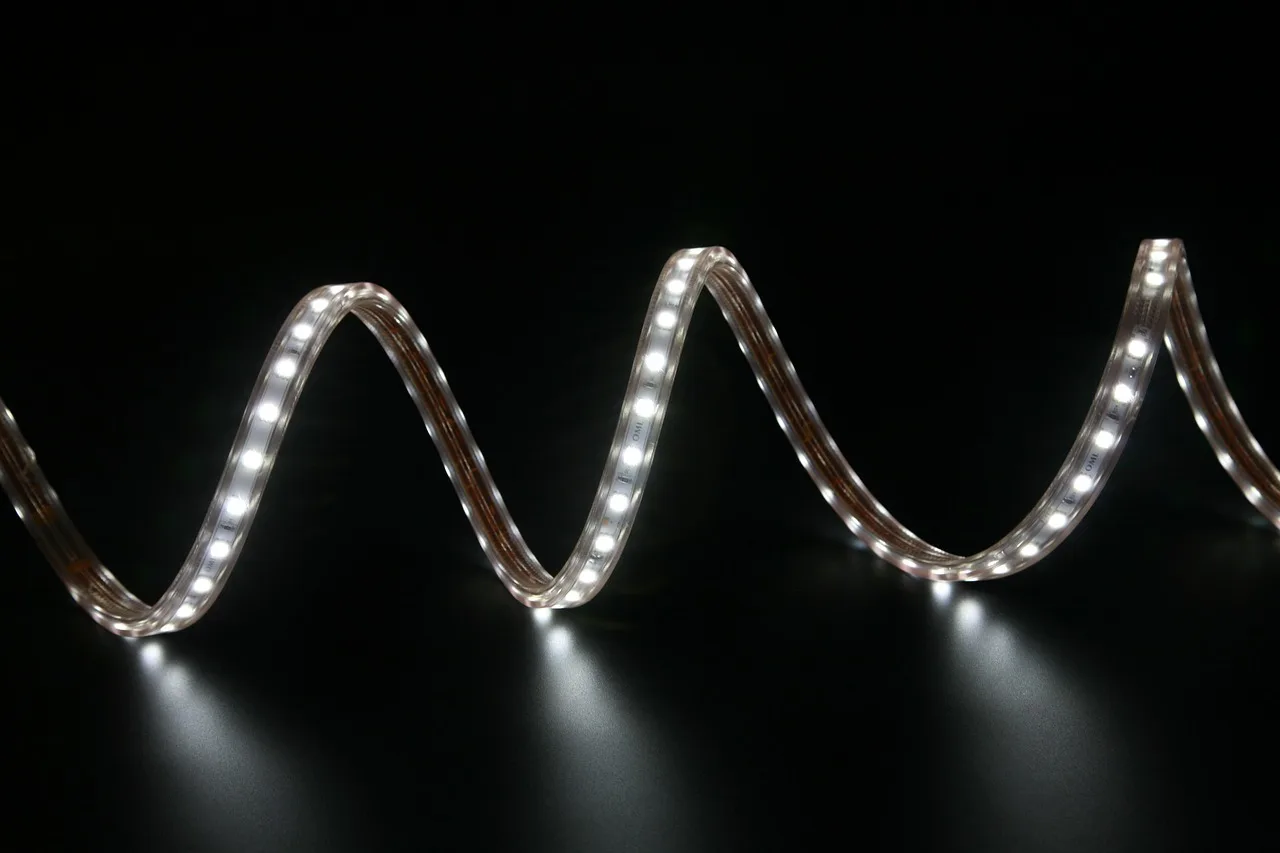
Underglow lights are LED strips or bars mounted under the vehicle so they wash light onto the pavement and wheel areas. RGBIC LED underglow kits add per-segment color control, chasing effects, smartphone app control, and music sync, which is why they show up on cars, SUVs, and trucks more often than simple one-color strips.
Quick comparison before you buy
- OPT7 Aura DreamColor RGB-IC: best all-around balance of sealing, wiring, and control.
- Govee RGBIC underglow car lights: best if you want app control and scene changes from the phone.
- Yielinth underglow kit: best value if you want IP68 and a wider temperature range.
How to choose undercar lights
Start with vehicle size, then move to power method, then decide how much control you actually want. A compact car can often use a four-strip kit. A sedan usually needs more careful rear coverage. SUVs, trucks, and RVs often need longer runs, extra mounting points, or an 8-piece layout to help avoid gaps.
Vehicle length and coverage needs
A compact car usually fits a shorter kit without much trimming. A sedan often benefits from a front-and-rear split that avoids dragging the strips too close to the exhaust or suspension. Trucks and RVs need more planning because frame height, wheelbase, and exposed hardware increase the chance of road-debris strike.
Say your sedan has low side skirts and only modest open space under the rocker panels. A shorter kit with clean mounting points can look tidier and survive better than a longer kit forced into a bend. Suppose your truck sits higher and sees gravel roads; extra clips and brackets matter more than a flashy controller.
App control versus remote control
App control is best when you want finer color control, saved scenes, and music sync, but it depends on a phone being present and properly paired. A remote is faster for simple changes and avoids phone friction. For many owners, the best answer is dual control: app for setup, remote for quick use.
Direct 12V wiring versus cigarette lighter power
Direct 12V wiring is the cleaner choice for most underbody kits because it reduces loose adapters and keeps the wiring out of the cabin. A cigarette lighter adapter is simpler, but it can limit placement and may not match the current draw of a longer kit. An inline fuse is the safer route either way.
Power draw matters because a poorly fused circuit can turn a small short into a damaged wire or dead controller. Hardwiring also makes installation more involved. Expect extra parts such as fuse taps, ring terminals, sealant, and sometimes heat-shrink tubing if the kit does not include a complete wiring kit.
Mounting hardware and install time
Adhesive tape is the fastest mount, but it is also the first thing to fail on dirty frames, textured underbodies, or rough roads. Clips and screws hold better, though they add time and require careful placement. Zip ties and brackets help keep lines tight where vibration or splash is constant.
A clean install can still take time once you count cleaning, test-fitting, routing, and sealing. The hidden cost is not just the kit itself. It is the extra clips, fuse taps, sealant, and any replacement tape you need after the first failed stick-down.
Lights table
| Failure point | Symptom | Likely cause | Prevention step | Who each pick is best for |
|---|---|---|---|---|
| Adhesive failure | One strip sags, peels, or drags on speed bumps | Dirty mounting surface, heat cycling, weak tape, road vibration | Clean the surface, use clips or screws where possible, and back up tape with zip ties or brackets | OPT7 for owners who want a more secure wiring setup; Yielinth for buyers who will add hardware |
| Water ingress at connectors | Flicker, dim sections, or a dead segment after rain | Loose connector shell, unsealed splice, moisture at the joint | Seal every connector and splice, not just the strip body; route joints upward where splash is lower | OPT7 for better sealed casing; Govee for app users who will seal the controller area carefully |
| Controller overheating | Lights cut out, then return after cooling | Poor airflow, controller buried near heat, excessive load | Mount the controller away from exhaust heat and do not wrap it in insulation or tape | Govee for cleaner app control; OPT7 for buyers who want the fuse setup and stronger wiring path |
| App dependency | No changes when the phone is absent, lost pairing, or low battery | Phone-mic sync reliance, Bluetooth pairing issues, app permissions | Choose a kit with a remote too, or keep one controller preset you can use without the phone | Govee if app control matters most; Yielinth or OPT7 if you want a backup remote |
| Road-debris exposure | Scraped strip, cracked lens, or torn cable after rough roads | Low ground clearance, exposed routing, weak brackets | Route inside protected edges, use brackets or clips, and avoid hanging the strip below the frame line | Yielinth for flexible installs; OPT7 for buyers who want a more structured setup |
Are underglow lights waterproof enough for rain and road spray?
Often, yes for the strip body, but not automatically for the whole system. IP67 and IP68 both help with rain and road spray, yet the weak points are usually connectors, splices, and the controller housing. If those are not sealed well, water can still reach the failure point.
That is why premium kits often advertise a waterproof strip and still ship with a separate controller or wiring setup that needs careful routing. A kit that survives a wet week is not the same as a kit that survives a sloppy install. The connector path is where many failures start.
Which underglow kits last the longest on daily-driven cars?
The longest-lasting kits are the ones that resist adhesive peel, water entry, and heat while giving you a sane wiring path. On daily-driven cars, OPT7 is the safest overall pick, while Yielinth is the better budget durability play. Govee is strongest when app control matters more than sealed, hardwired simplicity.
Daily use punishes loose mounts and exposed connectors more than spec sheets suggest. A kit that looks fine on day one can fail quickly if the cable hangs low, the controller sits near heat, or the strip relies only on tape. Durability is mostly about installation discipline.
Frequently asked questions
What are the best lights for under the car?
The best under-car lights are the ones that combine sealed housings, secure mounting, and a power setup you can protect with a fuse. For most buyers, OPT7 is the best overall choice, Govee is best for app control, and Yielinth is best for value with stronger water-resistance claims.
Do I need app control or is a remote better for underbody lights?
App control is better if you want detailed color control, saved modes, and music sync. A remote is better if you want quick changes without relying on the phone. Many drivers prefer both, because the remote is faster for daily use and the app is better for setup.
What length underglow kit fits a car vs a truck?
A compact car often works with a shorter four-strip kit, while a sedan usually needs more careful placement to cover the wheelbase cleanly. Trucks, SUVs, and RVs often need longer total strip length or an 8-piece layout. Measure the usable mounting line, not just the vehicle length.
Which underglow lights are easiest to install?
The easiest kits are the ones with pre-cut strip sections, clear wiring routing, and dual control so you do not have to depend on a phone every time. In practice, an easier install also depends on mount points. Adhesive-only kits are quick, but clips and screws make the result more durable.
Are RGBIC underglow kits better than regular RGB kits?
For visual effects, yes. RGBIC lets each segment behave independently, so you can run chasing or flowing patterns instead of one static color across the whole strip. That does not automatically make the kit tougher, but it does make the lighting more flexible for cars, SUVs, and trucks.
Products related to this article
Sponsored / affiliate links. As an Amazon Associate I earn from qualifying purchases. I may earn additional commission from eligible campaigns.