3 Best Buffers for Cars (2026): We Compared
The best buffer for car detailing is the one that fits your skill level and paint condition. If you are new to machine polishing, start with a dual-action buffer. For heavier correction, use a rotary or a forced-rotation tool. Pick the wrong type, and you can waste money, slow down correction, or burn clear coat on a panel that needed a gentler approach. This guide compares 3 picks and explains how to choose by paint condition, pad size, power source, and how long you plan to polish.
Quick comparison
| Product | Badge | Best for | Price | ||
|---|---|---|---|---|---|
 |
Car Buffer Polisher: 6 Inch Dual Action Orbital BufferDEKOPRO | Our pick | 6-inch · 7 amp · dual action | $49.99
Price as of 23 Oct 2026
|
View |
 |
Buffer Polisher, SPTA 5-Inch 125mm Dual Action RandomSPTA | Also great | 5-inch · 6.5A · dual action | $107.84
Price as of 23 Oct 2026
|
View |
 |
VERVEWAVE Cordless Buffer Polisher Kit for Dewalt 20VVERVEWAVE | Pair with it | 6-inch · cordless · variable speed | $53.98
Price as of 23 Oct 2026
|
View |
 |
RUPES BigFoot LHR15 Mark V Random Orbital Polisher – ToolRUPES | Upgrade pick | BigFoot · random orbital · tool only | $552.00
Price as of 23 Oct 2026
|
View |
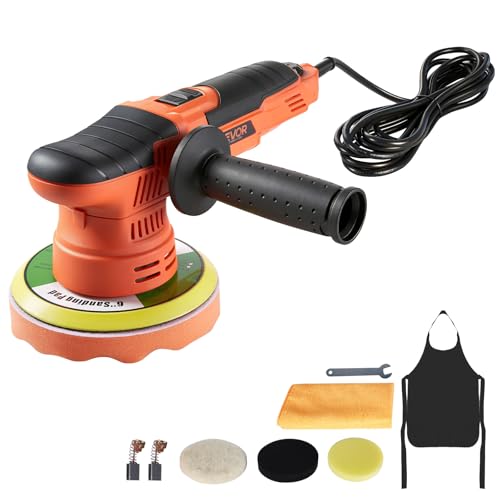 |
VEVOR Car Buffer Polisher, 6-Inch Dual Action PolisherVEVOR | Our pick | $59.90
Price as of 30 Oct 2026
|
View |
For most DIY owners, the SPTA dual-action buffer is the safest all-around choice because it uses a 5-inch setup, offers controlled motion, and includes both 5-inch and 6-inch pad options. Choose the DEKOPRO if you want the lowest entry cost, or the VERVEWAVE cordless kit if mobility matters more than wall power.
📊 Car and Driver said the Swirl Killer’s max speed is 6500 OPM. Source: Caranddriver.
How we chose
The comparison below favors buffers that make sense for home detailing, not pro shop checkout lists. Skill level came first, then paint condition, panel size, power source, pad compatibility, speed control, and the cost of ownership items that often get missed.
That means looking beyond the machine itself. Replacement pads, backing plates, compound, and batteries can change the real cost fast.
We also weighed safety. Dual-action motion is easier to control than rotary motion, and a buffer that stalls, slings polish, or runs hot creates more risk than value for a first-time user.
SPTA 5-inch dual action buffer: best for most DIY detailers
The SPTA 5-inch dual-action random orbital polisher is the best fit for most DIY users who want one machine for wax, light swirl removal, and moderate correction. Its 5-inch size gives better control on doors, fenders, and bumpers, while the 6-speed control and smooth start help reduce pad chatter when you are learning the tool.
What stands out is the balance of control and coverage. The kit includes both 5-inch and 6-inch pad options plus side and D-handle support, so you can keep a firmer grip during correction work or move to a larger pad when you want to cover more sheet metal.
The drawback is price. At $107.84, it costs more than the budget option, and the dual-action format still needs the right pad and compound pairing to pull out deeper defects. It is not the fastest route for severe oxidation, and it still requires patient overlapping passes rather than aggressive pressure.
DEKOPRO 6-inch dual action buffer: best budget buffer
The DEKOPRO 6-inch dual-action buffer is the value pick for drivers who want a simple machine for waxing and light correction without spending much. Its 7 amp motor, 6 variable speeds, and included pads make it a practical first purchase for routine detailing on a compact car or sedan.
Its biggest strength is price. At $49.99, it is the easiest entry point here, and the 6-inch pad size helps cover larger flat panels faster than a 5-inch setup. That makes it a reasonable choice for maintenance jobs where you want to spread wax or sealant quickly.
The trade-off is control. A 6-inch pad is less nimble around mirrors, spoilers, and tight body lines, and the larger footprint can make edge work more awkward for a new user. If your goal is swirl removal on curved panels, a smaller pad setup is usually easier to manage.
VERVEWAVE cordless buffer: best for mobility
The VERVEWAVE cordless buffer is best for users who value movement around the car more than uninterrupted runtime. It runs on a DeWalt 20V battery platform, uses a 6-inch orbital format, and includes 17 accessories, so it works best for quick jobs, driveway detailing, and places where a cord would get in the way.
The cordless advantage is obvious: no outlet search and no cord dragging across paint. It is also easier to move around larger vehicles without constantly repositioning a power lead, which helps on roof sections and rear hatch areas.
The downside is runtime reality. Battery tools trade mobility for session length, and heavy compound work on an SUV can drain batteries far faster than the advertised claims suggest. It is also tool-only, so battery ecosystem compatibility matters before you buy.
What is the best car buffer?
The best car buffer for most DIY detailers is a dual-action machine with variable speed control, a manageable pad size, and enough power to keep the pad moving under light pressure. For this comparison, the SPTA 5-inch dual-action polisher is the safest general pick because it balances control, pad choice, and usable speed settings.
That answer changes if your job changes. If you only spread wax on a sedan, the budget DEKOPRO makes more sense. If you polish away from outlets or move between cars at different locations, the cordless VERVEWAVE is easier to live with.
A buffer is not a one-size purchase. Panel size, paint condition, and how long you plan to work matter more than brand hype.
What is the best buffer for car detailing?
For car detailing, the best buffer is the one that matches the correction task. Light wax work needs a gentler machine and softer pad. Swirl removal or oxidation calls for more pad bite, better compound pairing, and a machine that keeps speed under load without jumping across the panel.
Dual-action polishers fit most detailing needs because they reduce swirl-mark risk while still correcting clear coat defects. Rotary tools remove defects faster, but they demand more heat control and skill, especially near edges and body lines where clear coat is thinner.
If your detailing work is mostly maintenance, choose a dual-action buffer. If you already understand paint reaction, pad selection, and speed control, a more aggressive setup may be justified for deeper correction.
What is the difference between rotary and dual-action buffers?
A rotary buffer spins on a single axis and cuts faster, which can remove defects and oxidation quickly. A dual-action random orbital polisher moves in overlapping passes instead of one direct spin, which is why it is safer for beginners and less likely to leave fresh swirl marks.
That safety comes with a trade-off. Dual-action machines usually correct more slowly than rotaries, so they need the right pad and compound pairing and more passes to reach the same result on harder defects.
Rotary machines also carry more burn-through risk because they build heat faster, especially on edges, creases, and dry paint. If you are new to polishing, a dual-action tool is the better first machine.
How do I choose between a corded and cordless car buffer?
Choose corded if you want continuous runtime and are working through a long session. Choose cordless if mobility matters more and the battery platform already fits your other tools. Corded machines are better for SUVs, multi-panel correction, and compound-heavy work where you do not want a battery fade mid-job.
Cordless tools list voltage and mAh capacity, and those numbers matter because they shape both punch and runtime. A higher-voltage battery can help the tool feel stronger, but capacity still decides how long it can stay useful under load.
Battery compatibility matters too. If a cordless buffer accepts batteries you already own, the total cost is easier to justify. If it needs a new charger and extra packs, the real price rises quickly.
Hidden ownership costs to factor
- Replacement pads for different paint stages.
- Backing plates if the included one is not the size you want.
- Compound and polish, which the machine does not include.
- Extra batteries and a charger for cordless work.
- Pad cleaners or pad swaps when foam loads up with residue.
How do I use a car buffer safely without burning the paint?
Use light pressure, keep the pad flat, and work a test spot before doing the whole panel. Clear coat is heat sensitive, so excessive force, slow movement, and repeated passes in one place can build heat and raise burn risk fast. Road & Track explicitly warns not to press too hard and notes that excessive pressure can burn the clear coat.
Start with trim masking, inspect the paint, and check for thin or repainted areas before correction. Then choose a lower speed for spreading product and a higher speed only when the pad, compound, and panel condition call for it.
A common first-timer mistake is forcing a 6-inch pad across a tight bumper corner at high speed. The machine bogs down, the pad stalls, and the user pushes harder, which increases heat and sling instead of improving correction.
Buffer checklist
- Wash and dry the car so grit does not scratch the clear coat.
- Mask trim, emblems, and sharp edges.
- Check pad and backing plate compatibility before starting.
- Start on a small test spot in an inconspicuous area.
- Use overlapping passes with steady movement.
- Stop if the pad loads up, chatters, or grabs an edge.
What makes a buffer good for beginners?
A good beginner buffer has a dual-action motion, a speed dial that is easy to read, and a pad size that does not feel bulky in your hands. It should resist pad stall under normal light pressure and move smoothly enough that you can learn technique without fighting the tool.
Beginner-friendly machines also keep heat and sling under control. The goal is not raw cut. The goal is predictable motion, safer paint correction, and fewer chances to mark the clear coat while you learn how the pad behaves.
Road & Track recommends the Adam’s Polishes Swirl Killer 15mm Polisher for beginners, which matches the general rule: start with dual-action, keep the pad moving, and avoid trying to force defect removal with pressure.
Setup notes for first-time use
Use a 5-inch pad first if control matters more than coverage. It is easier to guide around mirrors, door handles, and curved panels than a larger pad, and it is less likely to stall when the machine meets a body line.
Keep the speed low when you spread wax, then move up only when correction work requires it. A simple speed dial is useful if you can change settings without looking away from the panel.
How important is buffer weight and vibration?
Weight and vibration matter because they affect control, fatigue, and how long you can keep the pad flat. A heavier buffer can feel stable, but too much weight makes overhead work and vertical panels harder to manage. Excess vibration can also make it harder to hold a steady path.
That is one reason the RUPES BigFoot LHR15 Mark V is often discussed for reduced vibration and compact handling. Smooth operation helps the user keep even pressure and cleaner passes, especially during longer correction jobs.
If two machines have similar output, choose the one that feels easier to steer and less tiring in the hand. That matters more than a spec sheet headline.
Car buffer decision matrix
Use this matrix to match machine type, pad size, and power source to the job. It keeps the decision tied to paint condition and panel size instead of brand name alone.
| Scenario | Buffer type | Power source | Pad size | Speed range | Risk level |
|---|---|---|---|---|---|
| Beginner, light wax on a coupe | Dual-action random orbital | Corded | 5-inch | Low speed for spreading, moderate for final pass | Low |
| Beginner, swirl removal on a sedan | Dual-action random orbital | Corded | 5-inch | Moderate speed with overlapping passes | Low to medium |
| Experienced user, oxidation on a larger hood | Dual-action with stronger motor or rotary | Corded | 6-inch | Moderate to higher speed, careful heat control | Medium |
| Experienced user, heavy defect removal on an SUV | Rotary or aggressive dual-action | Corded | 6-inch | Higher correction speed, slow arm movement | High |
| Mobile detailer, quick maintenance on a coupe | Dual-action random orbital | Cordless | 5-inch | Low to moderate speed | Medium |
| Mobile detailer, large SUV with heavy compound work | Dual-action random orbital | Cordless | 6-inch | Moderate speed, battery swap likely | Medium to high |
How pad size changes the job
A 5-inch pad is best for control-focused work, especially on curved panels and tight body lines. A 6-inch pad gives better coverage on doors, hoods, and roof sections, so it is easier to move faster across broader surfaces.
Larger pads, including 7-inch or more, cover more area but usually ask more from the machine and the user. They can be useful on large panels, yet they are less forgiving around edges and corners.
Pad size must match the backing plate. If the plate is too large or too small for the pad, fit and rotation suffer, and the tool may behave poorly under load.
Backing plate and attachment basics
Most modern pads use hook-and-loop attachment, which makes pad changes quicker and easier. The backing plate is the part that holds the pad, so its size determines which pads fit safely and how easily you can swap between foam, microfiber, and wool.
Easy changeover matters more than many buyers expect. If you plan to switch between cutting and finishing pads during one session, a compatible backing plate saves time and reduces frustration.
Which one should you buy?
If you want the safest first machine, buy the SPTA 5-inch dual-action buffer. It gives the best mix of control, pad choice, and beginner-friendly handling for swirl work and light correction.
If you want the lowest-cost entry point, buy the DEKOPRO. It is the easiest way to get into machine polishing, but you give up some control on tight panels and deeper correction work.
If you work away from outlets or move between vehicles, buy the VERVEWAVE cordless kit. Just plan for battery runtime, and make sure your battery ecosystem already matches the tool.
Say your car is a compact coupe with light wash marring and you plan to polish for an hour on a Saturday. A 5-inch dual-action corded buffer is the cleanest fit. Suppose you are working on a full-size SUV with oxidized paint and you want to finish in one session. Continuous corded power matters more than cordless mobility.
Frequently asked questions
What speed setting should I use on a car buffer?
Use low speed for wax or sealant spread, then move to a higher speed only when correction work demands it. Exact numbers vary by machine, but the useful rule is simple: lower speed for laying product, moderate to higher speed for defect removal, and always keep the pad flat.
Products related to this article
Sponsored / affiliate links. As an Amazon Associate I earn from qualifying purchases. I may earn additional commission from eligible campaigns.
 Cordless Buffer Polisher Kit for Dewalt 20V Battery(No Battery) Orbital Car Polisher 6 Variable Speed 1800 to 6500 RPM, Car Buffer Polishers for Car Detailing,Polishing,Waxing(Battery Not Included)
 DEWALT Buffer Polisher, 7-in-9-in, 12 amp, Variable Speed Dial 0-3,500 RPM’s, Soft Start Corded Car Buffer (DWP849X)