Can a Dirty Air Filter Cause a Car to Stall? Explained
Have you ever been driving along, maybe on your way to work or picking up groceries, and suddenly your car sputtered and died? It’s a frustrating and sometimes scary experience. You might wonder what went wrong, and if that innocent-looking air filter under your hood could be to blame. This post will help you figure out if a dirty air filter is indeed a culprit for your car stalling and what you can do about it.
Imagine this: You’re cruising down the highway, radio playing your favorite song, and then, without warning, your engine coughs, sputters, and goes silent. Pulling over to the side of the road is never fun. Often, drivers immediately jump to thinking about major engine problems or electrical failures.
However, sometimes the issue is much simpler and stems from a component that plays a vital role in your engine’s performance: the air filter. You might be asking, Can a dirty air filter cause a car to stall? Explained, this post will provide a clear and easy-to-understand answer.
By reading on, you’ll gain valuable knowledge about this common car problem, helping you identify potential issues and understand your vehicle better, ultimately leading to better maintenance and fewer unexpected breakdowns.
Understanding Your Car’s Air Filter
Your car’s engine needs air to run, just like you do. This air is drawn into the engine through the air intake system, and before it gets to the engine’s combustion chambers, it passes through an air filter. The primary job of the air filter is to trap dirt, dust, bugs, and other debris from entering the engine.
Think of it as a sieve or a mask for your engine. If this filter becomes clogged with gunk, it restricts the flow of air into the engine.
Why Airflow is Crucial for Your Engine
Engines operate on a precise mixture of air and fuel. This mixture is ignited to create the power that moves your car. For optimal performance and efficiency, the engine needs a specific ratio of air to fuel.
When the air filter is clean, it allows the correct amount of air to enter. However, as the air filter gets dirty and clogged, it starts to restrict the amount of air that can pass through it.
The Air-Fuel Ratio Imbalance
When the air filter is dirty, less air enters the engine. If the amount of air is reduced while the amount of fuel remains relatively constant (or the engine’s computer tries to compensate incorrectly), it creates an air-fuel ratio imbalance. This imbalance is often referred to as a “rich” mixture, meaning there’s too much fuel for the amount of air.
Too much fuel can lead to several performance issues.
How a Clogged Air Filter Can Cause Stalling
A severely clogged air filter can lead to a car stalling through a few direct mechanisms:
- Insufficient Air for Combustion: When the air filter is so blocked that not enough air can get into the engine, combustion becomes inefficient. The engine might struggle to maintain its operational speed, leading to sputtering and eventually stalling, especially when the engine is under load, like going uphill or accelerating.
- Air-Fuel Mixture Problems: Modern cars use sensors to monitor the air-fuel mixture and adjust it for optimal performance. A heavily restricted airflow can confuse these sensors, leading the engine’s computer (ECU) to deliver too much fuel. This rich mixture can foul spark plugs, misfire, and cause the engine to run poorly, ultimately leading to a stall.
- Idle Control Issues: When your car is idling (stopped at a light, for example), it requires a very specific, low amount of airflow. A clogged air filter can make it difficult for the engine to maintain a steady idle. The engine might stumble, the RPMs can drop too low, and it can stall because it can’t get enough air to keep running at that low speed.
- Engine Overheating (Indirectly): While not a direct cause, a severely restricted air filter can contribute to an engine working harder than it should. This can, in some cases, lead to increased engine temperatures, which can then trigger other engine protection systems that might cause it to shut down.
Symptoms of a Dirty Air Filter
Before your car stalls, you might notice other signs that your air filter needs attention. Recognizing these symptoms can help you address the problem before it becomes serious:
- Reduced Engine Performance: You might feel a noticeable decrease in acceleration power. Your car might feel sluggish.
- Poor Fuel Economy: An engine struggling to breathe will often use more fuel to compensate, leading to more frequent trips to the gas station.
- Check Engine Light: Modern cars have sophisticated diagnostics. A persistent air-fuel mixture problem caused by a dirty air filter can trigger the check engine light.
- Unusual Engine Noises: Some drivers report hearing sputtering or backfiring sounds when the air filter is extremely clogged.
- Black Smoke from the Exhaust: This indicates an excessively rich fuel mixture, where unburned fuel is being expelled.
Other Reasons Your Car Might Stall
It’s important to remember that a dirty air filter isn’t the only reason a car might stall. If you’re experiencing stalling, consider these other common culprits:
Fuel System Issues
Problems with the fuel pump, fuel injectors, or fuel filter can prevent the engine from getting enough fuel. If the fuel pump is weak or clogged, it might not deliver fuel at the required pressure, leading to the engine cutting out, especially under load.
Ignition System Problems
Worn spark plugs, faulty spark plug wires, or a bad ignition coil can lead to misfires and an incomplete combustion process. If enough cylinders are misfiring, the engine can stall.
Electrical System Failures
A failing alternator can lead to a depleted battery, causing the car to stall once the battery can no longer power the vehicle’s essential systems. Issues with the crankshaft position sensor or camshaft position sensor can also cause the engine to stall unexpectedly.
Vacuum Leaks
Leaks in the vacuum hoses or intake manifold can allow unmetered air into the engine, disrupting the air-fuel mixture and causing erratic idling or stalling.
Clogged Catalytic Converter
A severely clogged catalytic converter can create excessive backpressure, making it difficult for the engine to expel exhaust gases. This restriction can choke the engine and cause it to stall.
Transmission Issues
In automatic transmissions, if the torque converter is not allowing the engine to disconnect from the transmission when you stop, it can essentially stall the engine, similar to not pushing in the clutch on a manual car.
How to Check and Replace Your Air Filter
Checking and replacing your car’s air filter is one of the simplest and most cost-effective maintenance tasks you can perform. Here’s a general guide:
Locating the Air Filter Housing
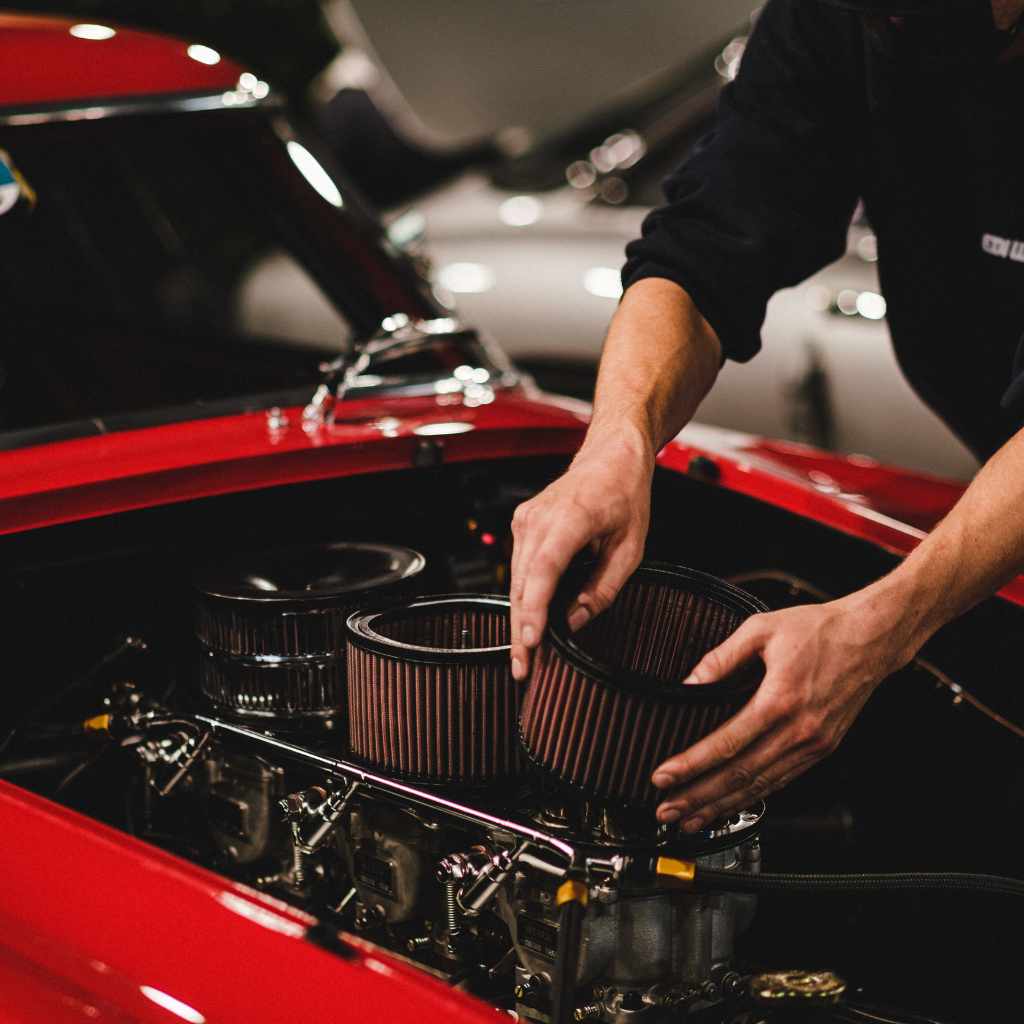
The air filter is typically housed in a black plastic box under the hood. You’ll follow a large plastic or rubber tube that leads from the front of the car to this box. The housing is usually secured with clips or screws.
Inspecting the Filter
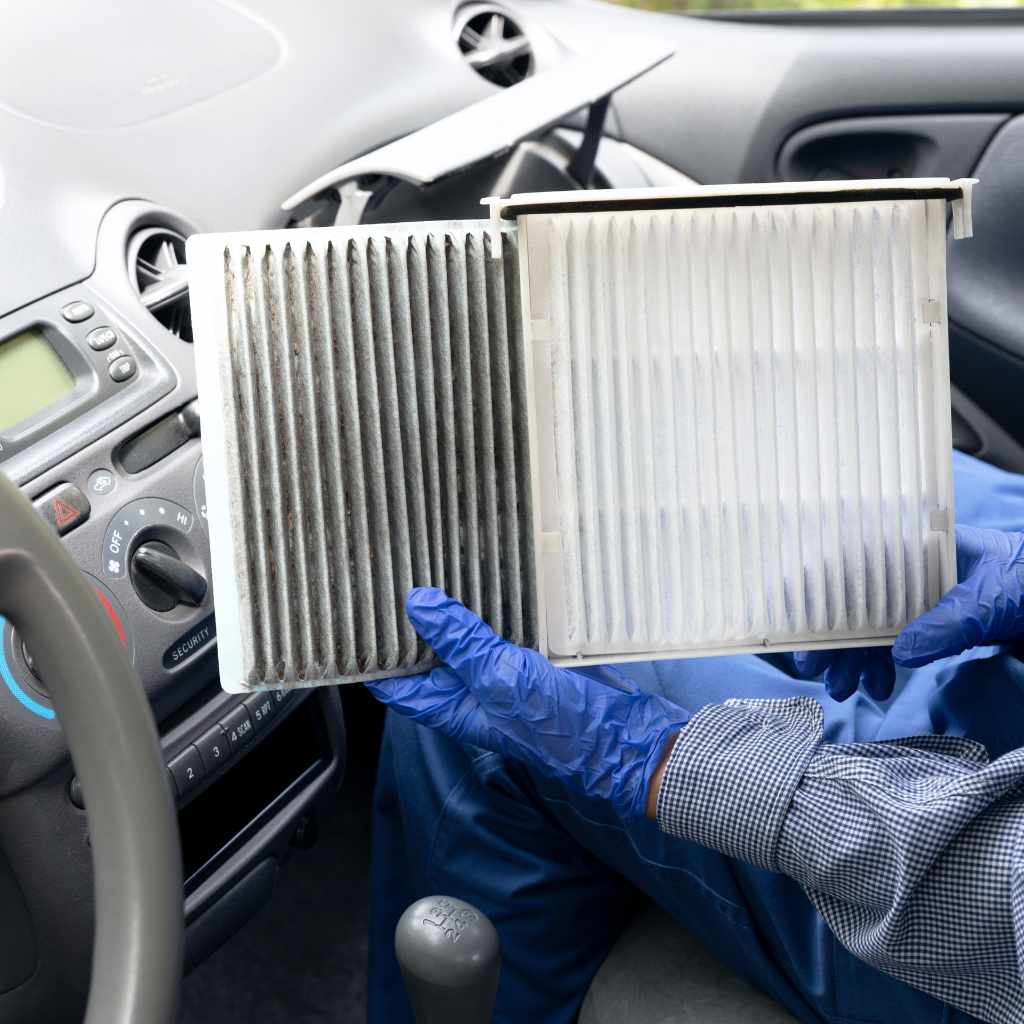
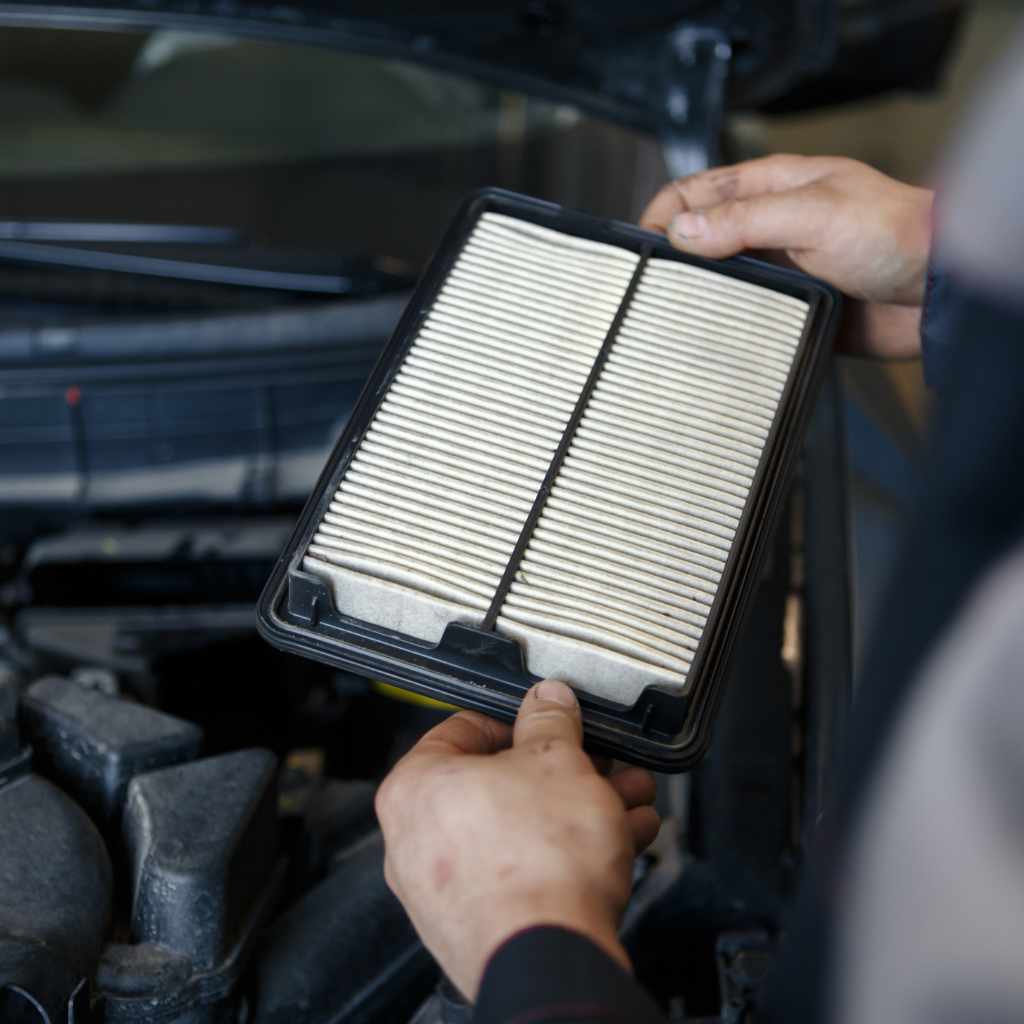
Once you open the housing, you can carefully remove the old air filter. Hold it up to a light source. If you can’t see much light passing through, or if it’s visibly covered in dirt, dust, and debris, it’s time for a replacement.
Replacing the Filter
Simply remove the old filter and insert the new one, ensuring it’s seated correctly. Close up the air filter housing, making sure all clips or screws are secured.
Most car manufacturers recommend replacing the air filter every 12,000 to 15,000 miles, or once a year. However, if you drive in dusty conditions, you might need to replace it more often.
When to Seek Professional Help
While a dirty air filter is a common and manageable issue, if you’ve checked your air filter and it’s clean, or if you’re experiencing stalling along with other concerning symptoms like warning lights, strange noises, or persistent running problems, it’s best to consult a qualified mechanic. They have the diagnostic tools and expertise to pinpoint more complex issues within the fuel, ignition, or electrical systems.
Frequently Asked Questions
Question: Can a dirty air filter cause a car to stall at idle
Answer: Yes, a very dirty air filter can restrict airflow so much that the engine struggles to maintain a stable idle speed, leading to sputtering and stalling.
Question: How often should I check my car’s air filter
Answer: It’s a good idea to check your air filter at least once every oil change, or every 10,000-15,000 miles. If you drive in dusty environments, check it more frequently.
Question: Will a dirty air filter affect my car’s acceleration
Answer: Absolutely. A clogged air filter restricts the air your engine needs for combustion, leading to reduced power and sluggish acceleration.
Question: Is it safe to drive with a dirty air filter
Answer: While your car will likely still run, it’s not ideal. Driving with a dirty air filter can lead to poor fuel economy, reduced performance, and potential engine damage over time if left unaddressed.
Question: What is the cost of replacing a car air filter
Answer: Replacing a car air filter is generally inexpensive. The filter itself can cost anywhere from $15 to $40, and if you do it yourself, there’s no labor cost. A mechanic might charge a bit more for the part and labor.
Final Thoughts
So, Can a Dirty Air Filter Cause a Car to Stall? Explained, the answer is a definite yes, especially when it becomes severely clogged. This simple component plays a vital role in maintaining the correct air-fuel mixture your engine needs to run smoothly.
When airflow is restricted, the engine can falter, leading to those frustrating moments of stalling, particularly at idle or during acceleration. Paying attention to your car’s air filter is a smart maintenance practice that can prevent many common drivability issues. Regular checks, especially if you drive in dusty areas, can save you from unexpected breakdowns and costly repairs.
Don’t underestimate the impact of a clean air filter on your car’s overall health and performance. Make it a habit to inspect it and replace it when needed. Your car will thank you with smoother operation and better fuel efficiency.