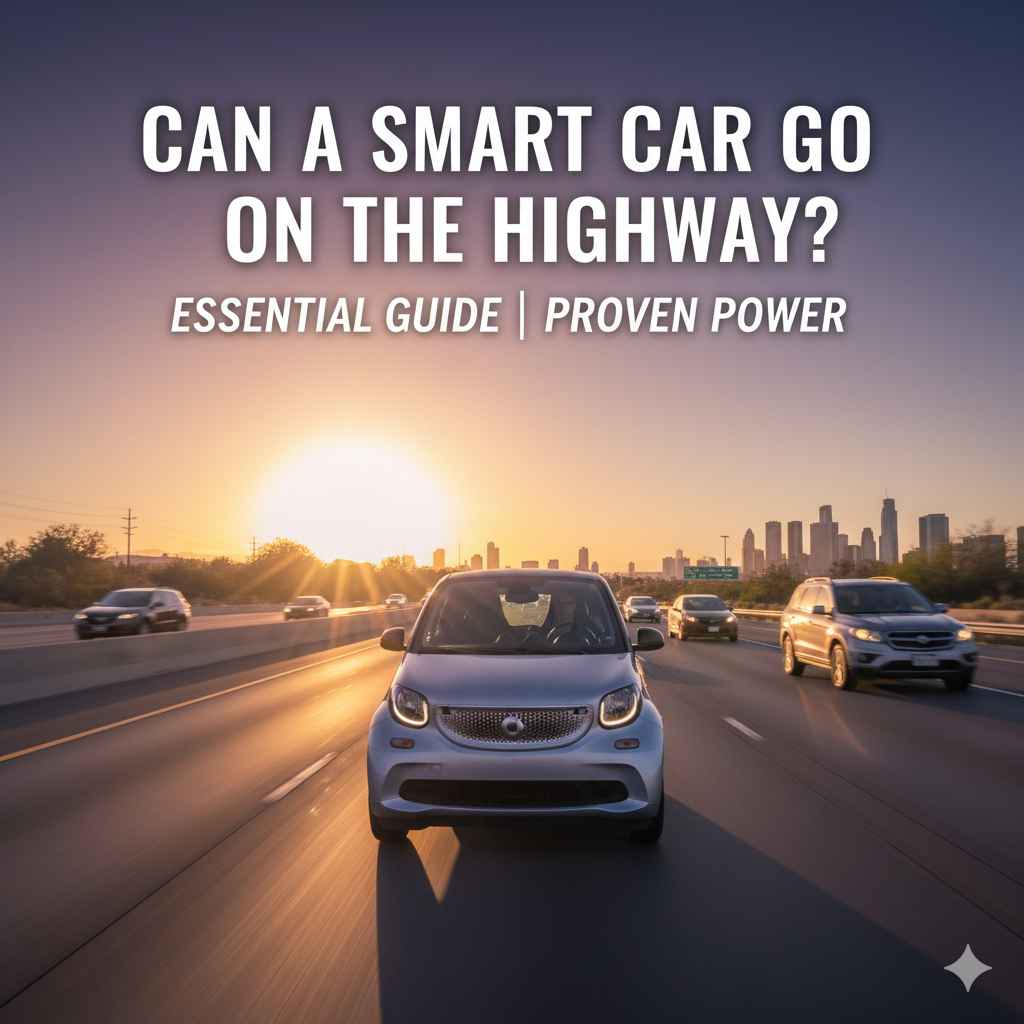
Can A Smart Car Go On The Highway: Essential Guide
Yes, most modern smart cars are absolutely capable of going on the highway! With advancements in automotive technology, these compact vehicles offer surprising highway performance and safety features, dispelling common myths. This guide breaks down what you need to know to drive your smart car confidently on the open road.
Driving a car, especially on a highway, can sometimes feel a little daunting. Many people wonder if smaller vehicles, like those from the “smart” brand, are truly built for faster speeds and longer trips typically found on highways. You might see a smart car zipping around town and think, “But can it handle the big roads?” It’s a perfectly normal question to ask, and the good news is that the answer is usually a resounding yes! Modern smart cars are designed with more than just city driving in mind. They’ve come a long way in terms of power, stability, and safety. This guide is here to clear up any confusion and show you exactly what makes a smart car highway-ready. We’ll explore the technology, the specific models, and the best practices to ensure your highway drives are smooth and secure.
Understanding “Smart Car”
First off, when we talk about a “smart car” in this context, we’re primarily referring to the vehicles made by the brand Smart, which is a subsidiary of Daimler AG (the same company behind Mercedes-Benz). These cars are known for their incredibly small size, maneuverability, and fuel efficiency, making them ideal for urban environments. However, the term “smart car” can also sometimes be used more broadly to describe any car with advanced technology, like those with sophisticated driver-assist systems. For this guide, we’ll focus on the ‘Smart’ brand vehicles, specifically models like the Smart Fortwo and Smart Forfour, and their capabilities for highway driving.
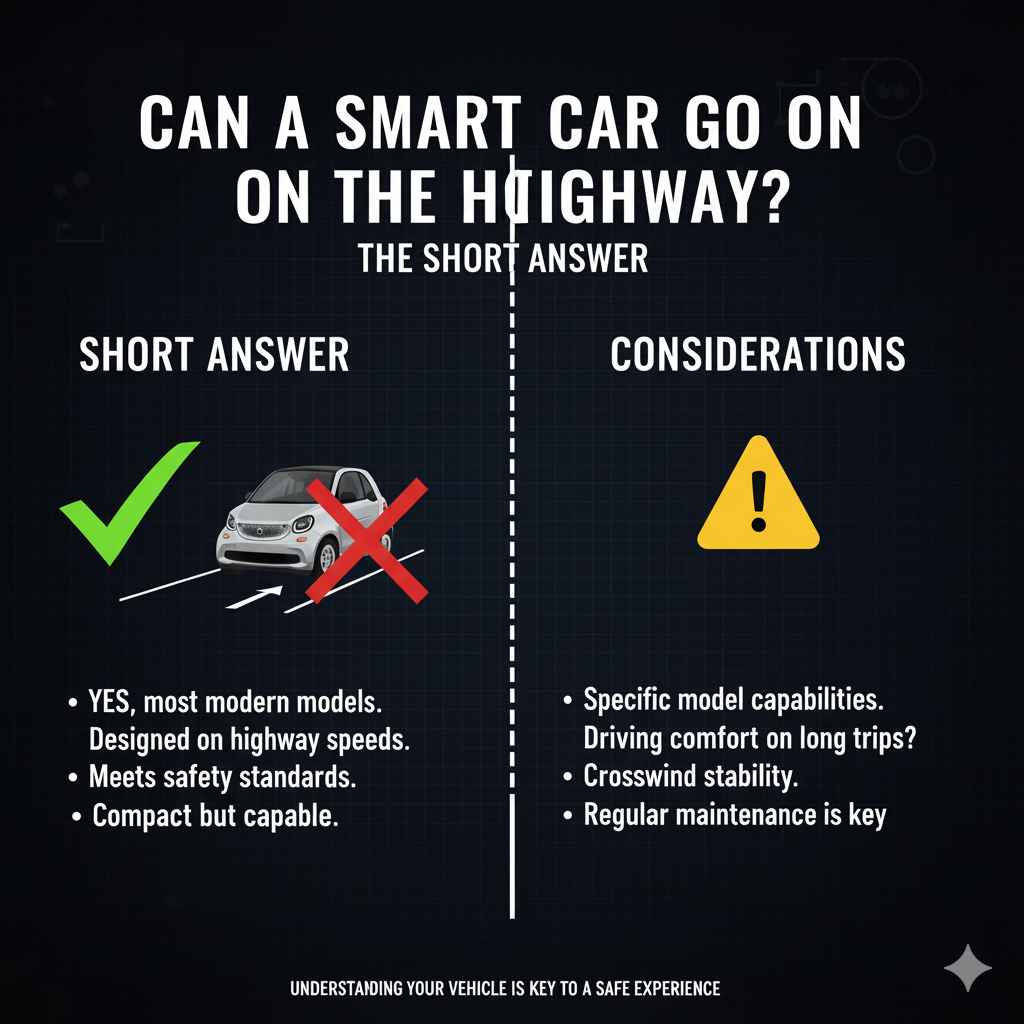
Can A Smart Car Go On The Highway? The Short Answer
Yes, most modern SmartFortwo and Smart Forfour models are designed and equipped to safely drive on highways. While their compact nature might make you pause, these vehicles meet the necessary safety standards and performance requirements for highway use. However, understanding the specific model’s capabilities and driving considerations is key to a comfortable and safe experience.
Smart Car Models and Their Highway Capabilities
Smart has produced a few key models over the years, and their highway readiness can vary slightly. It’s always best to check your specific model’s owner’s manual, but here’s a general overview:
Smart Fortwo
The Smart Fortwo is the poster child for urban mobility. Its defining characteristic is its two-seater design and exceptionally short wheelbase, making it a breeze to park and navigate through tight city streets. But can it do the highway? Absolutely. Modern Fortwo models are powered by engines (both gasoline and electric) that are capable of highway speeds. While it might not be the most comfortable for very long journeys, or the quickest to accelerate when merging, it’s certainly built to handle highway speeds safely. The chassis has been engineered for stability, and safety features have been enhanced over the generations to provide peace of mind on the open road.
Smart Forfour
As the name suggests, the Smart Forfour offers seating for four people. This makes it a more versatile option than the Fortwo, and its highway capabilities are generally considered to be more robust due to its slightly longer wheelbase and sometimes more powerful engine options. The Forfour provides a more stable ride at higher speeds compared to the Fortwo, offering a more conventional driving experience for those who might need to venture onto highways more frequently. It still retains the Smart brand’s signature compact dimensions but offers greater practicality.
Electric Smart Cars (EQ Models)
Smart also offers electric versions of its Fortwo and Forfour models, branded as “EQ.” These electric vehicles are perfectly capable of highway driving. The instantaneous torque from electric motors can provide brisk acceleration, which is beneficial for merging onto highways. While battery range is always a consideration for longer trips, for daily commutes or inter-city travel, the EQ models perform admirably on highways. Charging infrastructure is also rapidly improving, making longer electric journeys more feasible than ever before.
What Makes a Smart Car Highway-Ready?
Several factors contribute to a Smart car’s ability to handle highway driving:
- Engine Power: While not sports cars, modern Smart cars are equipped with engines sufficient to reach and maintain highway speeds (typically 65-75 mph or 105-120 km/h).
- Safety Features: Newer models come equipped with essential safety features like Anti-lock Braking Systems (ABS), Electronic Stability Control (ESC), and airbags. These systems are crucial for maintaining control at higher speeds and in challenging driving conditions. For instance, ESC helps prevent skidding by automatically applying brakes to individual wheels.
- Structural Integrity: Despite their small size, Smart cars feature a strong safety cell (the “Tridion” safety cell in many models) designed to protect occupants in case of a collision.
- Suspension and Handling: The suspension is tuned to provide reasonable stability at highway speeds, though a longer, heavier vehicle might feel more planted.
- Regulatory Compliance: All vehicles sold in major markets must meet stringent safety and performance standards to be road-legal, including those for highway use.
Essential Checks Before Your Highway Journey
Before you embark on a highway trip in your Smart car, a few precautionary checks can ensure a safe and smooth experience. Think of these as your pre-flight checklist for the road!
1. Tire Pressure and Condition
Properly inflated tires are crucial for safety and fuel efficiency, especially at highway speeds. Underinflated tires can overheat and increase the risk of a blowout. Check your tires against the recommended pressure found on the sticker inside your driver’s side door jamb or in your owner’s manual.
How to check:
- Ensure tires are cold (driven less than a mile).
- Use a reliable tire pressure gauge.
- Inflate to the recommended PSI.
- Visually inspect for any cuts, bulges, or uneven wear.
For more detailed guidance on tire maintenance, you can refer to resources like those from the National Highway Traffic Safety Administration (NHTSA).
2. Fluid Levels
Ensure all essential fluid levels are within their recommended ranges. This includes engine oil, coolant, brake fluid, and windshield washer fluid. Low levels can indicate a leak or simply the need for a top-up, and are critical for the car’s performance and safety.
3. Brakes
Your brakes are your most important safety feature. Listen for any unusual noises (grinding, squealing) and ensure the brake pedal feels firm, not spongy. If you have any doubts about your brakes, have them inspected by a qualified mechanic before heading onto the highway.
4. Lights and Signals
All exterior lights – headlights, taillights, brake lights, and turn signals – must be working correctly. This is vital for visibility and communication with other drivers, especially on a busy highway. A quick walk-around check is all it takes.
5. Windshield Wipers and Washer Fluid
Visibility is paramount on the highway. Ensure your windshield wipers are in good condition and that the washer fluid reservoir is full to clear away any road spray or debris.
Driving Your Smart Car on the Highway: Tips for Success
Driving a smaller car on the highway requires a slightly different approach than a larger vehicle. Here are some tips to make your experience safe and comfortable:
1. Merging Safely
Merging onto a highway can be one of the trickier parts of highway driving for any car, and especially for a smaller one. Look for a sufficient gap in traffic, accelerate to match the speed of the highway traffic as much as possible before merging, and then adjust your speed smoothly. Don’t be afraid to use your turn signal well in advance.
2. Maintain a Consistent Speed
Try to maintain a steady speed that is close to the flow of traffic. Constantly accelerating and decelerating can be inefficient and put extra strain on your car, be it gasoline or electric. Most highways have a minimum and maximum speed limit; aim to stay within this range.
3. Be Aware of Larger Vehicles
Smart cars are significantly smaller and lighter than many other vehicles on the road. Be extremely mindful of large trucks and SUVs. Avoid driving in their blind spots, and give them plenty of space. Strong winds from passing trucks can also affect a smaller car’s stability.
4. Plan Your Stops
While a Smart car can handle highway speeds, it’s not designed for prolonged high-speed cruising over hundreds of miles without breaks, especially concerning fuel or battery range. Plan your stops for refueling, recharging, or just to stretch your legs. This is also a good opportunity to let your car rest and check any gauges.
5. Use Cruise Control (If Equipped)
If your Smart car has cruise control, use it on long, straight stretches of highway. This can help maintain a consistent speed, improve fuel efficiency, and reduce driver fatigue. However, always be ready to disengage it and take manual control when conditions require it.
6. Stay in the Appropriate Lane
Generally, it’s best to stay in the right or middle lanes on multi-lane highways. Reserve the left lane for passing. This helps maintain traffic flow and provides a buffer from faster-moving traffic.
Performance and Efficiency on the Highway
One of the primary draws of Smart cars is their excellent fuel efficiency in urban settings. On the highway, this efficiency can also be quite good, especially for the gasoline models under steady cruising. Electric models will see their range decrease at higher speeds compared to city driving, which is typical for EVs. Understanding your car’s specific range or fuel consumption at highway speeds is important for longer trips.
Fuel Economy Comparison (Approximate, varies by model and driving conditions):
| Smart Model | City MPG (Approx.) | Highway MPG (Approx.) | Notes |
|---|---|---|---|
| Smart Fortwo (Gasoline) | 30-35 | 35-40 | Excellent for its size. Highway MPG can be similar or slightly better than city due to consistent speed. |
| Smart Forfour (Gasoline) | 28-33 | 33-38 | Slightly lower MPG than Fortwo but still very efficient. |
| Smart EQ Fortwo (Electric) | ~90-100 MPGe | ~75-85 MPGe | MPGe (Miles Per Gallon equivalent) is used for electric vehicles. Range significantly impacted by speed. |
Note: Figures are estimates and can vary based on driving style, road conditions, and specific model year. Always refer to your vehicle’s official specifications.
Potential Limitations and Considerations
While Smart cars are highway-capable, acknowledging their limitations is part of being a responsible driver. These cars are designed with specific priorities, and understanding them helps manage expectations.
- Acceleration: While they can reach highway speeds, the acceleration might not be as immediate or powerful as in larger vehicles. This is particularly noticeable when merging into fast-moving traffic or during overtakes.
- Ride Comfort: Due to their short wheelbase, Smart cars can feel the road more than longer vehicles. Uneven surfaces, potholes, or significant road seams might lead to a bouncier ride on the highway.
- Wind Sensitivity: Their light weight and small size can make them more susceptible to crosswinds or the turbulence generated by larger vehicles.
- Interior Space: For longer journeys, the limited interior space, especially in the Fortwo, might become a factor for driver or passenger comfort.
- Cargo Space: If you need to transport a lot of luggage, a Smart car might not be the most practical choice for a long highway trip.
When to Reconsider Highway Travel in a Smart Car
While generally capable, there might be scenarios where highway travel in a Smart car is less ideal or requires extra caution:
- Extreme Weather Conditions: Heavy rain, strong winds, or snow can make driving any vehicle more challenging. In a small, lightweight car like a Smart, these conditions can be amplified.
- Very Long Distances: For multi-day road trips covering thousands of miles, a car designed for more sustained comfort and space might be a better option to minimize fatigue.
- Need to Carry Significant Cargo: If you’re moving, going on an extended camping trip, or need to transport bulky items, a Smart car’s cargo capacity will likely be insufficient.
- Very High-Speed Limits: In regions with consistently high speed limits (e.g., above 80 mph or 130 km/h), a Smart car might be pushing its optimal performance envelope, and comfort may decrease.
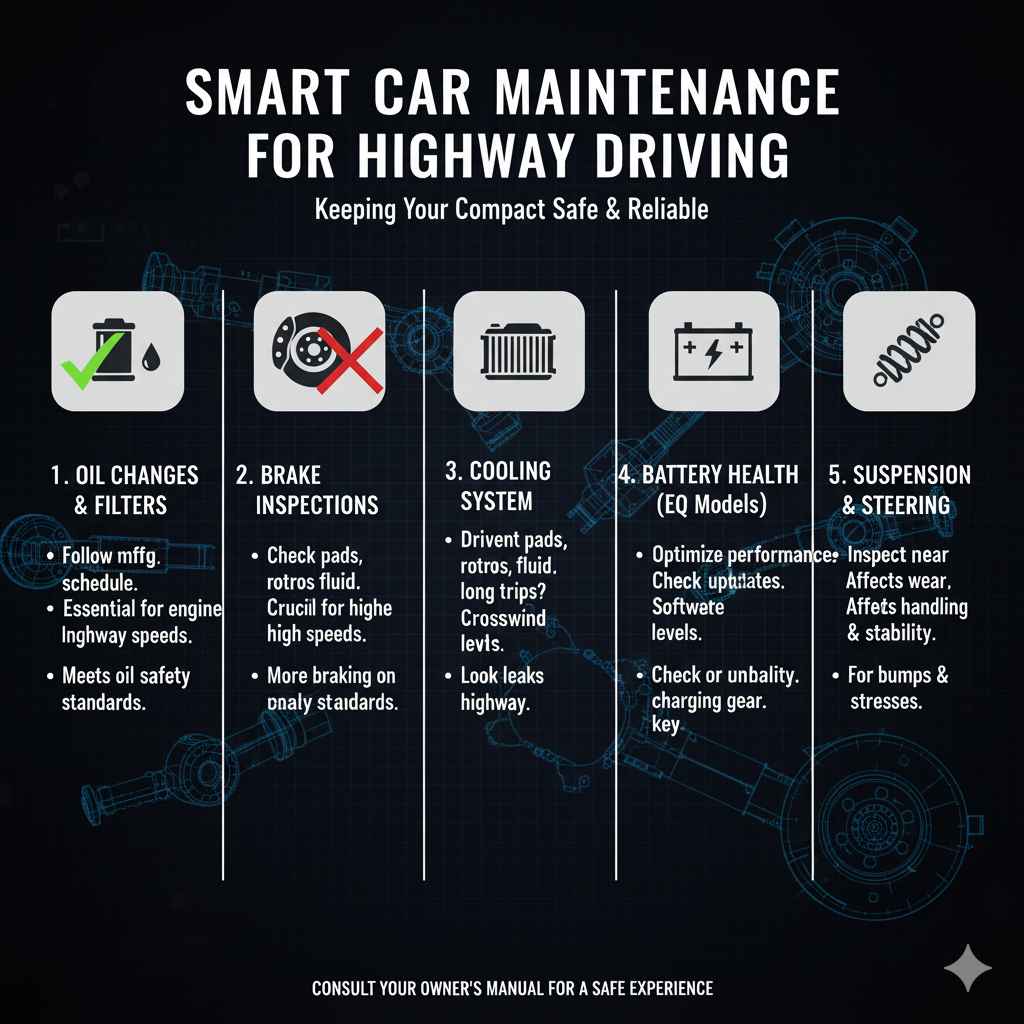
Smart Car Maintenance for Highway Driving
Regular and thorough maintenance is even more critical when your Smart car is used for highway driving. High speeds and sustained operation put different kinds of stress on your vehicle.
1. Oil Changes and Filter Replacements
Follow the manufacturer’s recommended schedule for oil and filter changes. Clean oil is essential for engine longevity, especially under the more demanding conditions of highway driving.
2. Brake Inspections
As mentioned, brakes are crucial. Regularly have your brake pads, rotors, and fluid checked. Highway driving often involves more braking due to higher speeds and traffic.
3. Cooling System Check
Ensure your engine’s cooling system is in good working order. Overheating can be a risk on longer drives, particularly in warmer climates. Check coolant levels and look for any signs of leaks.
4. Battery Health (for EQ Models)
For electric Smart cars, maintaining battery health is key. Regular software updates from the manufacturer can help optimize battery performance and longevity. Ensure your charging equipment is also in good condition.
5. Suspension and Steering Components
With the increased bumps and stresses of highway driving, it’s wise to have your suspension and steering components inspected periodically for wear and tear. Worn components can affect handling and stability.
For detailed maintenance schedules and requirements for your specific Smart car model, always consult your owner’s manual, which serves as the definitive guide provided by the manufacturer.
Frequently Asked Questions (FAQ)
Q1: What is the maximum highway speed for a Smart Fortwo?
A: Most modern Smart Fortwo models are designed to safely reach and maintain speeds typically found on highways, often in the range of 70-85 mph (110-137 km/h). However, they are most comfortable and efficient at speeds around the legal limit. Always check your specific model’s specifications and adhere to local speed limits.
Q2: Can a Smart car handle long-distance highway trips?
A: Yes, a Smart car can handle long-distance highway trips, but it’s important to manage expectations regarding comfort and frequency. While technically capable, their compact size means they may not be as comfortable for prolonged periods as larger vehicles. Planning for more frequent breaks is advisable.
Q3: Are Smart cars safe on the highway in case of an accident?
A: Yes, Smart cars are equipped with comprehensive safety features designed to protect occupants. Models like the Fortwo feature a high-strength ‘Tridion’ safety cell, airbags, and advanced electronic stability control systems, meeting rigorous safety standards for highway use.
Q4: How does the electric Smart EQ perform on the highway?
A: The electric Smart EQ models perform well on the highway with good acceleration due to instant torque. However, highway speeds consume battery charge more quickly than city driving, so range will be reduced. It’s essential to plan charging stops for longer journeys.
Q5: What is the difference in highway capability between a Fortwo and a Forfour?
A: The Smart Forfour, with its slightly longer wheelbase and four-seat capacity, generally offers a more stable and comfortable ride on the highway compared to the two-seater Fortwo. Both are highway-capable, but the Forfour may feel a bit more at home on longer stretches.
Q6: Do I need special tires for highway driving in my Smart car?
A: No, you do not need “special” tires. You simply need to ensure your tires are the correct size for your Smart car, are in good condition, properly inflated, and appropriate for the season and your driving conditions (e.g., all-season tires). Always follow your manufacturer’s tire recommendations.
Conclusion
So, can a smart car go on the highway? Absolutely! Modern Smart cars, including the Fortwo and Forfour, and their electric EQ counterparts, are fully capable of handling highway driving safely and efficiently. While their compact nature means they excel in urban environments, they are engineered with robust safety features, sufficient power, and stable handling to make your highway journeys perfectly manageable.