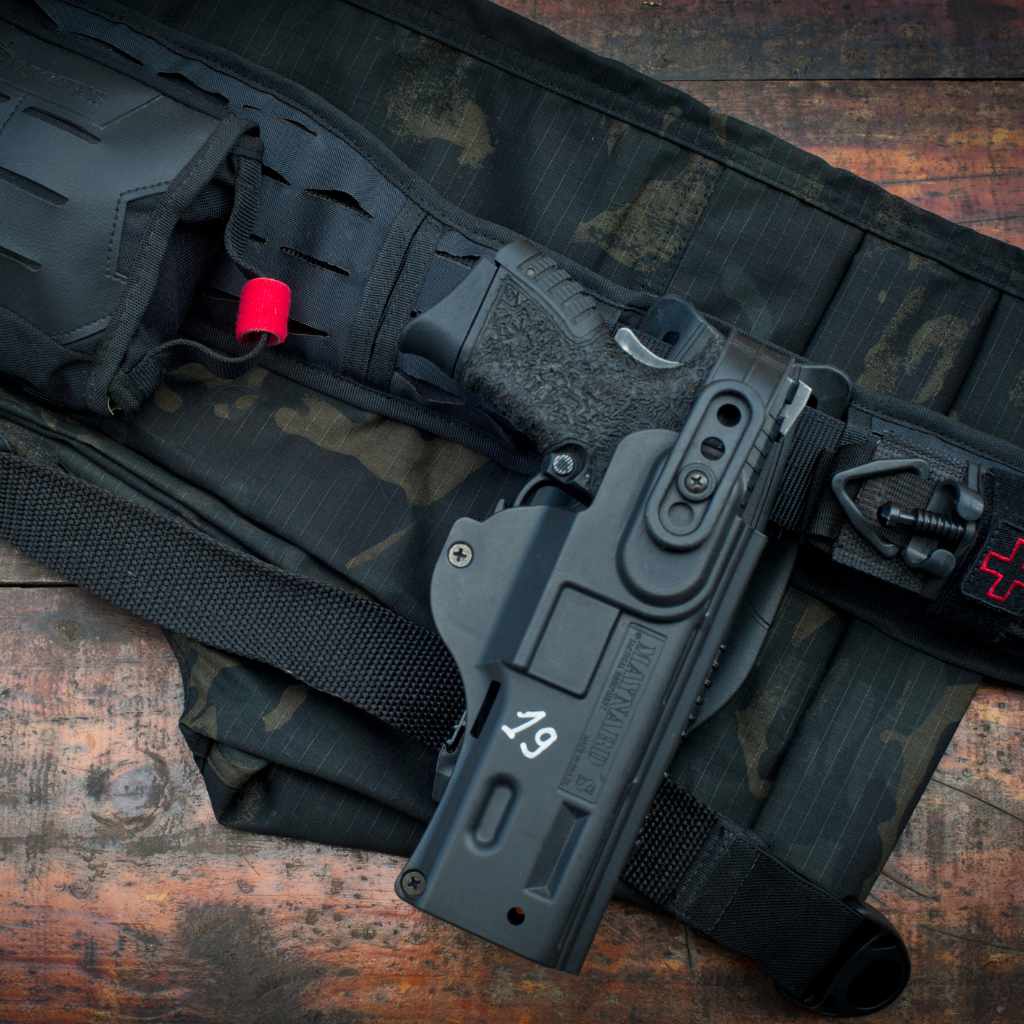
Can I Carry My Gun In Someone Else’s Car Texas: Essential Guide
This guide addresses the critical question: Yes, generally, you can legally carry a handgun in another person’s private vehicle in Texas, provided you meet the standard requirements for carrying a handgun (like being 18+ and not a prohibited person). However, specific rules about concealed vs. open carry and location restrictions still apply, making understanding the nuances essential for safe and legal transport.
Can I Carry My Gun In Someone Else’s Car Texas: Essential Guide
As a Texas driver, you know the roads here are a core part of life. Whether you’re running errands or taking a long road trip in a friend’s vehicle, a common question pops up: What are the rules for keeping my personal handgun safe and legal when I’m riding shotgun in someone else’s car? It can feel confusing because the rules for carrying a gun in your own vehicle are strict, but borrowing a car changes the legal ground slightly.
Don’t worry! We’re going to break down the Texas Penal Code regarding firearms in motor vehicles using plain, easy-to-understand language. We will focus on what you need to know to stay confident and compliant, whether you have a License To Carry (LTC) or are carrying under Constitutional Carry rules. Get ready for a clear, step-by-step overview of this important topic.

Understanding Texas Firearm Carry Basics
Before diving into the specifics of someone else’s car, let’s quickly review the foundational laws in Texas. These rules apply whether you are in your car, a friend’s car, or an Uber. Texas law classifies carriers in two main groups: those with a License To Carry (LTC) and those carrying under the new Constitutional Carry law (Permitless Carry).
The Two Types of Carriers
The location and manner of carry often depend on whether you have that official LTC plastic license. If you’re over 21 and meet all other eligibility requirements, you can carry under Constitutional Carry. If you are 18 or older and meet the training requirements, you might have an LTC.
- License To Carry (LTC): Offers the most flexibility regarding where you can carry (especially concealed) and reciprocal agreements with other states.
- Constitutional Carry (Permitless Carry): Since September 2021, most eligible adults (18+) can carry a handgun they legally own without a license, provided they are not otherwise prohibited from possessing a firearm.
The Importance of Being a “Prohibited Person”
No matter who owns the car or whether you have a license, if you fall into a category of people legally barred from possessing a firearm, none of this matters. You absolutely cannot carry a gun in any vehicle if you are a:
- Felon (unless rights have been restored).
- Person convicted of certain misdemeanors (like Assault Causing Bodily Injury).
- Fugitive from justice.
- Someone subject to a protective order.
If you are not a prohibited person, the focus shifts to where the gun is located in the vehicle.
The Crucial Distinction: Your Car vs. Someone Else’s
In Texas, the law concerning firearms stored in a vehicle is generally tied to where the firearm is located, rather than strict ownership of the car. When you are a passenger in a friend’s car, for all practical purposes regarding the storage rules, that vehicle becomes a temporary space you occupy.
Statutory Protection for Vehicle Storage
Texas Penal Code Section 46.035(a)—which deals with where LTC holders can carry—often provides exceptions for keeping a handgun in a locked glove compartment or a closed container in a vehicle. The key concept here is the right to travel.
For someone carrying under Constitutional Carry (Permitless Carry), the rules are simpler regarding location within the car. Since the handgun does not need to be concealed or open in public areas, its placement within the car is less regulated than it might be for someone who only has an LTC and is not carrying openly.
Here is where Texas law specifically addresses placing a firearm in a vehicle:
| Scenario | General Rule (Applies in Other’s Car) | Key Consideration |
|---|---|---|
| Concealed Carry (No LTC) | Must be concealed from view AND in a locked glove compartment or console, OR on your person. | If not concealed and out of sight, you could violate general prohibitions against open carry while traveling. |
| Concealed Carry (With LTC) | Can be on your person, or in a locked console/glove box, or concealed. | LTC holders have more protection for carrying on their person even if momentarily visible. |
| Open Carry (No LTC) | Generally prohibited in public areas, but in a private vehicle, it’s covered by vehicle storage exemptions when traveling. | The gun should remain securely stored if you leave the car or if the stopped car enters a restricted area. |
Step-by-Step: Safely Placing Your Gun in a Friend’s Car
Safety and compliance go hand-in-hand. When you get into a vehicle that isn’t yours, follow these steps to ensure you are legally transporting your firearm.
Step 1: Confirm Your Status and Eligibility
First, double-check that you meet the basic criteria to possess a firearm in Texas (not a prohibited person, legal age). If you are carrying under Constitutional Carry (18+), you rely heavily on the vehicle storage protection.
Step 2: Determine Your Carry Method
How are you planning to carry it? In someone else’s car, the safest and most compliant methods usually involve securing the weapon inside the vehicle cabin.
- On Your Person (Concealed or Open): If you have an LTC, you can carry it on your hip or in a concealed manner (waistband, purse, etc.) without issue in the car, as long as you stay outside restricted zones. If you are carrying under Constitutional Carry rules, it can be on your person, but it should generally remain concealed unless you are actively traveling (see Step 3).
- Secure Storage: This is often the simplest way when in a borrowed car. Place the handgun inside the center console, the glove compartment, or a locked case/container secured in the vehicle.
Step 3: Understanding “Traveling”
Texas law is designed to protect individuals who are “traveling.” When you are in a private vehicle, you are generally considered to be traveling. This means the protection for storing the gun in the console or glove box is active.
What if you stop for gas? If you stop for a quick moment to run into a store, you must continue treating the vehicle as your secure transport hub. If you exit the vehicle and expose the firearm, or if you place it somewhere other than on your person or secure storage, you may run afoul of open carry laws.
Step 4: Respecting the Vehicle Owner’s Rules (Crucial Point!)
This is the absolute most important step when dealing with someone else’s property. While Texas law generally protects your right to possess a firearm in a private vehicle, the owner of that vehicle retains the right to tell you not to bring a firearm into their property.
- Ask First: If you are unsure, always ask the owner: “Is it okay if I keep my handgun secured in the console while we drive?”
- Violation of Consent: If the owner explicitly tells you not to bring a gun into their car, having it there, even legally stored, can constitute trespassing or violation of their property rules, which can have consequences outside of criminal firearm law.
Restricted Locations That Apply Everywhere in Texas
Even when traveling in a friend’s vehicle, certain locations are “gun-free zones.” If the vehicle stops or parks in one of these areas, simply having the gun in the car (even locked up) can create legal issues related to entering the premises.
You must disarm yourself if you are entering these locations, regardless of whose car you are in:
- On the premises of a school (K-12, college, university).
- Any location with a sign posted clearly forbidding firearms (Texas Penal Code 30.06 or 30.07 signage).
- Polling places while voting is in progress.
- Courthouses or certain government facilities.
- Racetracks.
- Inside a jail or prison facility.
For more in-depth reading on Texas Penal Code restrictions, you can always refer to official sources, such as the Texas Government Code regarding places where firearms are prohibited.
Concealment vs. Open Carry in a Borrowed Car
The method of carry matters significantly, especially in Texas, where open carry by non-LTC holders used to be much more restricted than carry by LTC holders.
If You Have an LTC:
If you have a valid Texas LTC, you have more latitude. You can carry the handgun openly on your hip or concealed, whether the car is yours or anyone else’s. The law is less concerned with the vehicle storage exemption and more concerned with your LTC status.
If You Do NOT Have an LTC (Constitutional Carry):
This is where precision matters most. In a non-LTC scenario, the primary protection while in a private vehicle is the vehicle storage rule or carrying concealed on your person.
If you have the firearm out on the seat or visible outside of a console/glove box when you are stopped, you could potentially be seen as violating the general prohibition against carrying a handgun openly in public, even if you were “traveling” moments before. Keep it:
- On your body (concealed).
- In a locked container.
- In the glove compartment or center console.
What If the Car Owner Has a Different Policy?
This is a common point of confusion. Let’s say you are legally allowed to carry your gun in Texas, but your friend (the car owner) has decided they do not want any firearms in their personal property.
Remember, a private vehicle is treated legally as private property. While state law allows you to travel with a gun, the operator or owner of the private property (the car) generally has the right to set the rules for what can enter their property.
If the owner says, “No guns allowed in my car,” you must comply with their request. Choosing to leave the firearm in the car against their explicit wishes can create a situation where you might face civil action from the owner, or depending on circumstances, potential issues regarding criminal trespass if you refuse to comply with their directive regarding their private property.
Think of it like this: You can legally bring a guest to your home, but if you change your mind at the door, your guest must leave, regardless of their legal rights to be elsewhere in the city.
Quick Reference: Comparison of Carry Methods in Borrowed Cars
Here is a fast look at the safest ways to transport your firearm in a borrowed vehicle:
| Carry Method | Best For | Safety/Compliance Note |
|---|---|---|
| On Your Person (Concealed/Open) | LTC Holders or Secure Travel | Ensure you are not entering a prohibited zone (like a bar). |
| Locked Glove Box/Console | Constitutional Carriers (No LTC) | The safest default. Requires the gun to be inaccessible to unauthorized persons. |
| In Open View on a Seat | Generally Not Recommended | Can be misinterpreted as illegal open carry if you stop, especially if you do not have an LTC. |
Travel Tips for Long Trips in Borrowed Vehicles
If you are taking an extended trip in a friend’s vehicle, especially across county or city lines, remember that local ordinances can sometimes cause headaches. While state law generally preempts local laws on where an LTC holder can carry, vehicle storage rules can still be subject to local interpretation.
If you are traveling with the firearm, prioritize keeping it secured.
- Be Mindful of Stop Locations: If you have to stop for the night at a hotel, ensure the firearm is either secured on your person (if you have an LTC) or locked securely in the vehicle console, knowing that while hotel access varies, the vehicle itself is generally covered under “traveling” protection when parked on public access property.
- Ammunition Separation (Old Rule, Still Good Practice): While modern Texas law allows loaded firearms in vehicles under the right circumstances, if you choose to disable the weapon for extra security, ensure the ammunition is accessible but separated (e.g., magazine empty, weapon secured). For most carriers, keeping it loaded in the console is standard practice.
- Never Give the Keys to Law Enforcement Carelessly: If you are pulled over, inform the officer immediately where the firearm is located (e.g., “Officer, I have a handgun secured in the center console”). Do not reach for the gun or the console area unless specifically instructed by the officer to retrieve it.
Frequently Asked Questions (FAQ) for Texas Drivers
Q: If I have an LTC, can I keep my gun on my lap in a friend’s car?
A: Yes. An LTC holder can carry a handgun on their person, which includes keeping it on their lap while driving or riding in a private vehicle, regardless of who owns the car, provided you are not in a prohibited location.
Q: If I don’t have an LTC, where is the safest place to put my gun in a borrowed car?
A: The safest place is secured within a closed container, such as the factory glove compartment or a locked center console, while you are traveling. This keeps it concealed and protected under vehicle storage provisions.
Q: Does the car owner need to know I have a gun in their vehicle?
A: While it may not be a legal requirement by state criminal law to inform the owner, it is highly recommended for good relations and to avoid disputes about property rules. If the owner forbids it, you must comply with their wishes.
Q: What if the car I am in gets searched by police?
A: If you are lawfully stopped, and the police have legal justification to search the vehicle, your firearm will be treated as contraband or legal property based on your status. Always be honest and direct with law enforcement about the location of the firearm immediately upon contact.
Q: Can I leave my gun locked in the glove compartment if I stop at a restaurant?
A: Yes, generally. When you exit the car, the firearm is considered “in the vehicle for the purpose of traveling.” However, if the restaurant contains restricted signage (30.06/30.07 signs), you must remove the firearm from the vehicle entirely or secure it elsewhere before approaching the entrance.