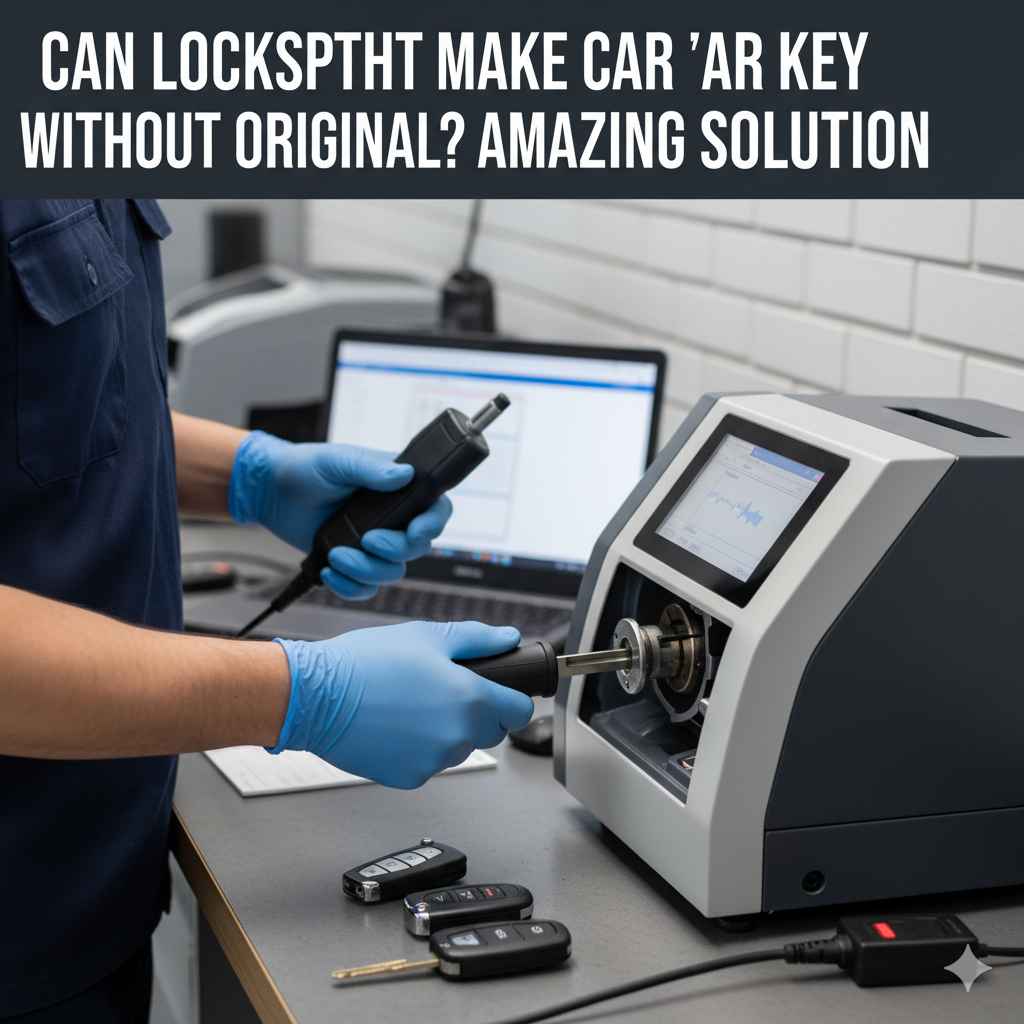
Can Locksmith Make Car Key Without Original? Amazing Solution
Yes, a skilled locksmith can absolutely make a car key without the original. Modern locksmiths have advanced technology and specialized knowledge to create new keys using your car’s VIN or by working directly with the ignition and door locks. We’ll show you how they do it and what you need to know.
Losing your car key or having it break can be a real headache. It’s a moment of panic we’ve all probably experienced, wondering how you’ll get back on the road. The big question that pops into mind is: “Can a locksmith make a car key without the original?” The good news is, in most cases, the answer is a resounding “yes!” You don’t always need that missing piece of plastic and metal to get a replacement. This guide will walk you through exactly how locksmiths achieve this impressive feat, what information you’ll need, and what to expect. Let’s dive in and turn that stressful situation into a solvable one!
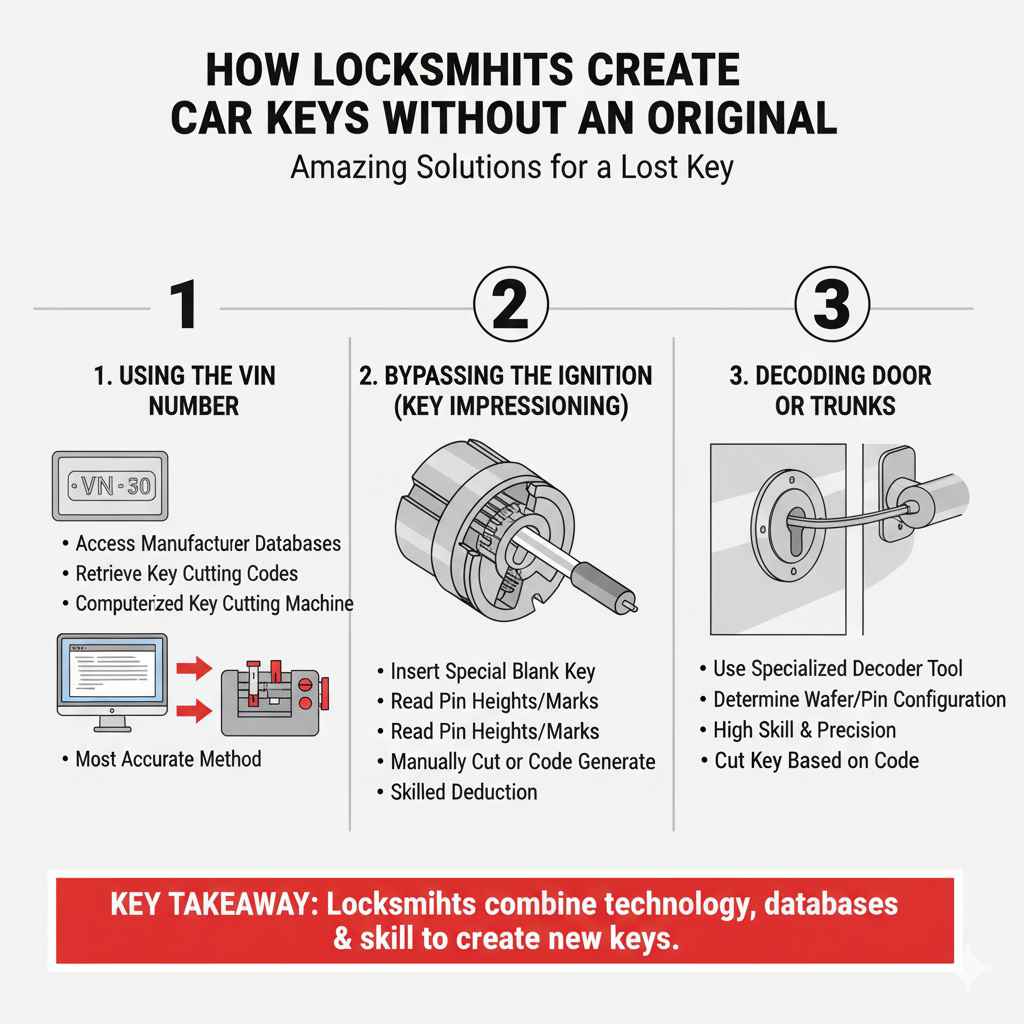
How Locksmiths Create Car Keys Without an Original
It might sound like magic, but locksmiths use a combination of technology, specific knowledge about your vehicle, and often, a bit of clever deduction to create a new key. Here are the primary methods they employ:
1. Using the VIN Number
One of the most common and efficient ways a locksmith can create a replacement key is by using your car’s Vehicle Identification Number (VIN).
- What is a VIN? Your VIN is a unique 17-character code that identifies your specific vehicle. It’s like a fingerprint for your car and contains information about its manufacturer, model year, and even the factory where it was built.
- How Locksmiths Use It: Most car manufacturers keep detailed records linking a vehicle’s VIN to its original key codes. Locksmiths can access these databases (often through specialized software or by contacting the dealership) to retrieve the precise cutting codes needed for your key.
- Key Cutting: With the cutting code, a locksmith can then use a computerized key cutting machine to mill a brand-new key that will perfectly match your car’s locks. This is the most accurate method when an original key is unavailable.
2. Bypassing the Ignition (Key Impressioning)
If the VIN method isn’t possible (sometimes older vehicles or specific makes/models might have less accessible VIN data), locksmiths have other tricks up their sleeves. This often involves working directly with your car’s ignition cylinder.
- The Process: The locksmith will insert a specially designed blank key into the ignition or, in some cases, remove the ignition cylinder entirely. They then carefully manipulate the blank key or a tool within the cylinder.
- Reading the Tumblers: Inside the ignition are small metal pins called tumblers. Each pin has a specific height. When the correct key is inserted, the tops of these pins align perfectly, allowing the cylinder to turn. By carefully feeling or visually inspecting the marks left on the blank key by the tumblers, the locksmith can determine the precise depth and spacing needed for each cut.
- Creating the Key: Once the locksmith has determined the correct depths for each cut, they can use this information to cut a new key manually or by using a code generated from their observations.
3. Decoding Door or Trunk Locks
Similar to working with the ignition, a locksmith can sometimes decode the cuts of your car’s door or trunk locks if the ignition isn’t accessible or if those locks are the only ones available.
- How it Works: They’ll use a specialized tool called a “decoder” or “pick” to read the internal workings of the door lock cylinder. This tool helps them determine the exact depth and configuration of the wafers or pins within the lock.
- Precision Needed: This method requires a high level of skill and precision, as the internal mechanisms of car door locks can be quite intricate.
- Cutting the Key: Once the code is deciphered, the locksmith can use it to cut a new key that will operate the door lock, and consequently, often the ignition as well.
What You Will Need to Provide
Even without your original key, a locksmith will need certain information and proof of ownership to create a new one for you.
-
Proof of Ownership: This is the most critical part. Locksmiths are trained to work legally and ethically. They will absolutely require proof that you are the rightful owner of the vehicle. This typically includes:
- Your driver’s license or another government-issued ID.
- The vehicle’s registration certificate.
- The vehicle’s title (in some cases).
-
Vehicle Details:
- Make, Model, and Year of your car.
- The VIN (if you have it readily available – it’s usually on the driver’s side dashboard visible from the windshield, or on your insurance/registration documents).
- The license plate number.
- Location of the Vehicle: The locksmith will need to know where your car is located to perform the service.
Types of Car Keys Locksmiths Can Make
Modern cars come with a variety of key types, and skilled automotive locksmiths can handle most of them.
- Standard (Sidewinder) Keys: These are traditional metal keys with wavy cuts along the edge.
- Transponder Keys: These keys have a small chip (transponder) embedded in the plastic head. This chip communicates with your car’s immobilizer system to allow it to start. Without the correct chip programming, the car won’t start, even if the key turns the ignition. Locksmiths can cut the key and program the transponder chip.
- Remote Head Keys (Key Fobs): These combine a traditional key blade with a remote control for locking/unlocking doors and sometimes a panic button. Locksmiths can duplicate these and program both the key and the remote functions.
- Smart Keys / Proximity Keys: These allow you to unlock and start your car without taking the key out of your pocket or bag. They work via radio signals. Locksmiths can program these sophisticated keys as well.
How Transponder Keys Work
Transponder keys are a big reason why simply cutting a new metal key isn’t always enough.
A transponder key contains a small electronic chip that emits a unique radio frequency signal. When you insert the key into the ignition and turn it, your car’s immobilizer system (a security device) reads this signal. If the signal matches what the car expects, the immobilizer allows the engine to start. If the chip is missing, damaged, or not programmed correctly, the car’s computer will prevent the engine from running, often by disabling the fuel pump or ignition system.
When a locksmith makes a transponder key without the original, they don’t just cut the metal blade. They also need to:
- Obtain the correct transponder chip: There are many different types of transponder chips, and the locksmith needs to identify the exact type that your car requires.
- Program the chip: Using specialized diagnostic equipment, the locksmith will “pair” the new transponder chip to your car’s computer. This process ensures that the car recognizes the new key as legitimate and allows it to start.
Pros and Cons of Using a Locksmith
Opting for a locksmith to replace your car key comes with several advantages, but it’s also good to be aware of potential downsides.
Pros
| Advantage | Description |
|---|---|
| Speed and Convenience | Locksmiths can often come to your location (home, work, roadside) and provide a replacement key much faster than a dealership, sometimes within an hour or two. |
| Cost Savings | Generally, locksmiths are more affordable than car dealerships for key replacement, especially for older models or when towing is involved. |
| 24/7 Availability | Many locksmith services operate around the clock, meaning you can get help at any time, including nights and weekends, which is crucial if you’re stranded. |
| Expertise with Various Makes/Models | Reputable automotive locksmiths are equipped to handle a wide range of car brands and models, including those with complex key systems. |
| No Towing Needed | Since they can come to your car, you avoid the expense and hassle of towing your vehicle to a dealership. |
Cons
| Disadvantage | Description |
|---|---|
| Finding a Reputable Locksmith | The market has some less scrupulous operators. It’s essential to research and choose a fully licensed, insured, and well-reviewed locksmith. |
| Complexity of Newer Keys | While most locksmiths can handle modern keys, extremely new or high-security vehicle keys might require specialized equipment that not every locksmith possesses. |
| Potential for VIN Data Issues | For a small percentage of older or custom vehicles, VIN-based key codes might not be readily available in manufacturer databases. |
| Programming Limitations | Some very specific or rare car models might have programming systems that require dealership-level diagnostic tools, though this is becoming less common as locksmith technology advances. |
How to Choose the Right Locksmith
When you’re in a bind, it’s tempting to call the first number you find. However, taking a moment to choose wisely can save you time, money, and a lot of frustration.
- Check for Licensing and Insurance: A professional locksmith will be licensed by their state (if required) and fully insured. This protects you in case of any accidental damage to your vehicle.
- Read Reviews: Look for locksmiths with consistently positive reviews on platforms like Google, Yelp, or the Better Business Bureau (BBB). Pay attention to comments about their punctuality, professionalism, and pricing. You can find accredited businesses through the Better Business Bureau.
- Ask for a Quote Upfront: Before they come out, get a clear, written or verbal quote for the service. Ask about all potential fees, including service calls, key cutting, and programming. Beware of unusually low quotes, as they might not include hidden charges.
- Verify Their Expertise: When you call, ask if they have experience with your specific car make, model, and year, especially if it’s a newer vehicle with advanced key technology.
- Look for Specialization: Many locksmiths advertise as “automotive locksmiths” or “car key specialists.” These professionals have invested in the specific tools and training needed for vehicle keys.
- Get a Business Name and Address: Be wary of services that only offer a P.O. Box or a generic phone number without a registered business name, as this can be a sign of a less legitimate operation.
What if My Car Has a High-Security Key?
Many modern cars are equipped with what are known as “high-security” keys. These are designed to be more difficult to copy and often have unique features that standard key cutting machines cannot replicate.
- Laser-Cut Keys: These keys have cuts that are much shallower and more precise than traditional keys, often made on the side of the key blade rather than the edge. They require specialized laser cutting machines.
- Sidewinder Keys with Complex Patterns: Some keys have intricate, wavy patterns that require advanced cutting equipment.
- Proximity/Smart Keys: As mentioned before, these are sophisticated electronic devices that need advanced programming tools.
The good news is that most reputable automotive locksmiths are equipped to handle high-security keys. They invest in the necessary laser cutting machines and programming devices. However, it’s even more important to ensure you’re using a specialist in these cases. Always confirm with the locksmith that they can handle your specific type of key. For the most cutting-edge systems, sometimes a dealership might still be the only option, but this is increasingly rare.
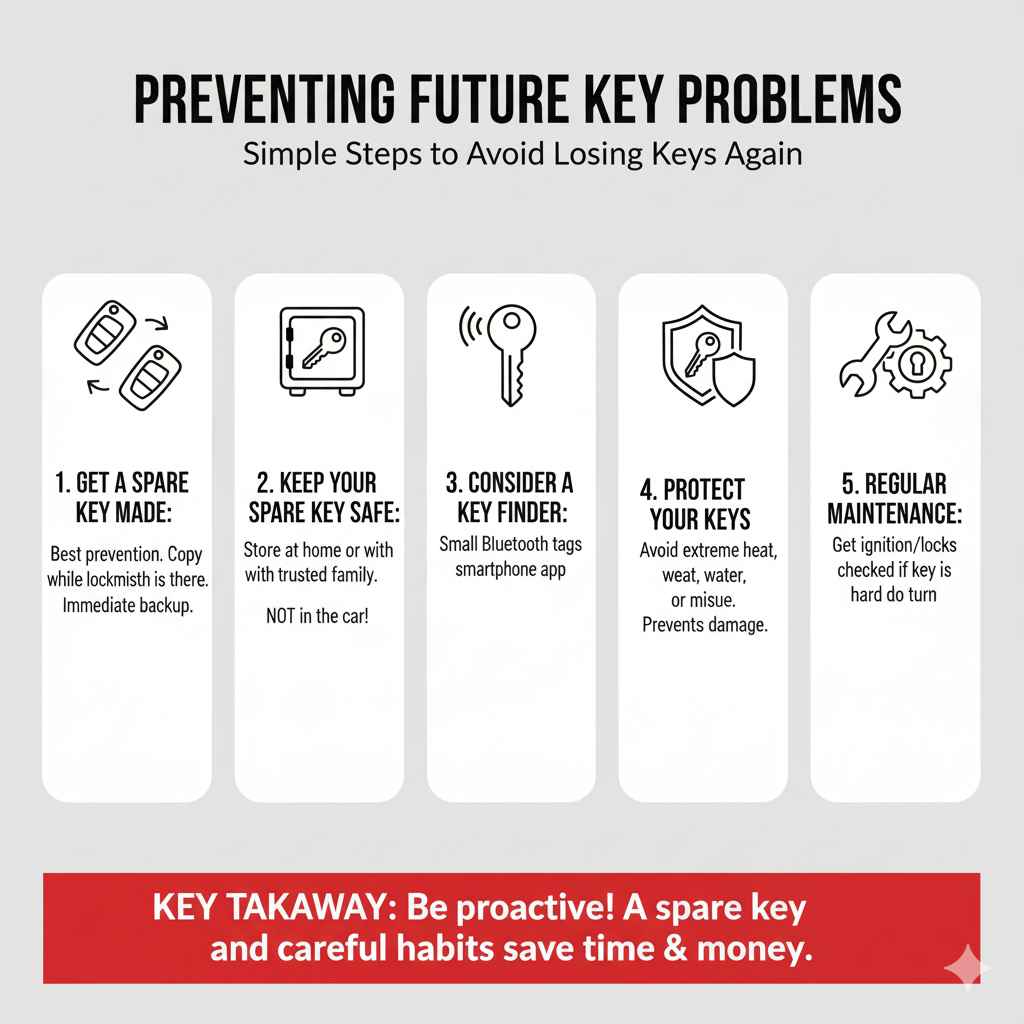
Preventing Future Key Problems
Once you’ve got your new key, it’s a great time to think about how to avoid this situation in the future.
- Get a Spare Key Made: This is the best prevention. Even if you think you’ll never lose your primary key, having a spare means you can get back on the road immediately if your main one goes missing or breaks. You can get a spare made while the locksmith is already there, often at a reduced price compared to a separate service call.
- Keep Your Spare Key Safe: Store your spare key in a secure, memorable place at home or with a trusted family member. Don’t leave it in the car!
- Consider a Key Finder: For those who are prone to misplacing keys, small Bluetooth key finders can be attached to your keychain. They connect to a smartphone app, allowing you to locate your keys via a signal or last known location.
- Protect Your Keys: Avoid exposing your keys to extreme conditions (like leaving them in a hot car for too long, which can damage electronic components) or using them for tasks they weren’t designed for (like prying things open).
- Regular Maintenance: If you notice your key is getting hard to turn in the ignition or locks, get it checked. Sometimes, a worn lock cylinder can cause issues that make keys difficult to use or even break them.
Frequently Asked Questions
Q1: Can a locksmith really make a key without any reference at all?
A1: Generally, no. While they don’t need your original key, they will need either your VIN to look up the key code, or they will need access to your car’s locks (ignition, door) to manually decode the key cuts. They also require proof of ownership.
Q2: How long does it typically take for a locksmith to make a car key without the original?
A2: For standard keys, it can often be done in 30-60 minutes. For transponder or smart keys that require programming, it might take anywhere from 1 to 2 hours, depending on the complexity and the locksmith’s equipment.
Q3: Is it cheaper to go to a dealership or a locksmith for a replacement car key?
A3: In most cases, a qualified automotive locksmith is significantly cheaper than a dealership. Dealerships often charge higher labor rates and may require you to tow your vehicle to them, adding to the cost.
Q4: Will a locksmith make a key for an older car that doesn’t have a chip?
A4: Absolutely! Older cars typically only use standard metal keys. Locksmiths can easily cut these using the VIN or by decoding the door/ignition lock. This is often a very straightforward and affordable service.
Q5: What proof of ownership do I need to provide?
A5: You’ll typically need a valid government-issued ID (like a driver’s license) and proof that you own the car, such as the vehicle registration certificate or title. The exact requirements can vary slightly by location.