Can Opening a Window Stop Carbon Monoxide Poisonings? Truth Revealed
Have you ever wondered if simply opening a window can protect you from carbon monoxide poisoning? It’s a question that might cross your mind if you’re worried about this silent danger in your home.
Carbon monoxide is invisible and odorless, making it hard to detect until it’s too late. But can fresh air from an open window really save you and your loved ones? Keep reading to find out the truth and learn what you can do right now to keep your home safe.
Your safety depends on knowing the facts.
What Is Carbon Monoxide?
Carbon monoxide is a colorless, odorless gas. People cannot see or smell it. This makes it very dangerous. Carbon monoxide can cause serious harm or death. It forms when fuels burn without enough oxygen. Common sources include cars, heaters, and stoves.
Understanding carbon monoxide helps prevent poisoning. Knowing its risks is important for safety at home and work. Detecting it early saves lives.
What Is Carbon Monoxide Made Of?
Carbon monoxide contains one carbon atom and one oxygen atom. It forms during incomplete burning of fuels. This happens when oxygen is low or blocked. Common fuels that produce it include gas, wood, and coal.
How Does Carbon Monoxide Affect The Body?
Carbon monoxide blocks oxygen in the blood. It binds with hemoglobin, stopping oxygen flow. This causes headaches, dizziness, and weakness. High levels can lead to unconsciousness or death.
Where Does Carbon Monoxide Come From?
It comes from burning fuel in cars, heaters, and grills. Poorly ventilated rooms increase carbon monoxide build-up. Faulty appliances and blocked vents are common culprits. Outdoor sources include vehicle exhaust and industrial emissions.

Sources Of Carbon Monoxide Indoors
Carbon monoxide (CO) is a colorless, odorless gas that can build up inside homes. It comes from burning fuels like gas, wood, or coal. Understanding where CO comes from indoors helps keep you safe. Some common sources produce this gas even when you do not see smoke.
Most indoor carbon monoxide comes from appliances or equipment that burn fuel. Poor ventilation or malfunctioning devices can increase CO levels quickly. Knowing these sources helps you prevent CO poisoning in your home.
Gas Stoves And Ovens
Gas stoves and ovens release carbon monoxide when they burn natural gas. Using them without proper ventilation can cause CO to build up. Always use a vent hood or open a window while cooking.
Fireplaces And Wood Stoves
Fireplaces and wood stoves produce carbon monoxide by burning wood. Blocked chimneys or poor airflow trap the gas inside. Regular cleaning and maintenance reduce the risk.
Furnaces And Heaters
Furnaces and space heaters that burn fuel can emit carbon monoxide. Faulty equipment or blocked vents worsen the problem. Annual inspections ensure they work safely.
Car Engines In Attached Garages
Running a car engine inside an attached garage releases large amounts of CO. The gas can seep into the house quickly. Never leave a car running in a closed garage.
Portable Generators
Portable generators produce carbon monoxide during power outages. Using them indoors or near open windows is very dangerous. Place generators outside and far from doors and windows.
How Carbon Monoxide Affects Health
Carbon monoxide is a silent threat. It is a colorless, odorless gas that can harm your body without warning. Understanding how it affects health helps you stay safe and act quickly.
When carbon monoxide enters your bloodstream, it blocks oxygen. Your organs and tissues do not get enough oxygen to work well. This lack of oxygen causes serious health problems fast.
Short-term Health Effects Of Carbon Monoxide
Exposure to carbon monoxide can cause headaches, dizziness, and nausea. You may feel weak and confused. These symptoms often feel like the flu but get worse quickly. High levels can lead to loss of consciousness or death.
Long-term Health Effects Of Carbon Monoxide
Repeated or long exposure can damage the brain and heart. Memory problems and difficulty concentrating may occur. Some people suffer lasting heart issues after exposure. Early treatment is key to reducing long-term risks.
Who Is Most At Risk?
Children, elderly people, and those with heart or lung conditions are more vulnerable. Pregnant women and unborn babies also face higher risks. These groups need extra protection from carbon monoxide exposure.
Role Of Ventilation In Reducing Carbon Monoxide
Ventilation plays a key role in reducing carbon monoxide (CO) levels indoors. It helps move fresh air inside and pushes out harmful gases. Good airflow lowers the risk of CO buildup. This is vital in homes with gas appliances or attached garages. Proper ventilation supports health and safety by diluting toxic air.
Effectiveness Of Opening Windows
Opening windows allows fresh air to enter and stale air to leave. This can reduce carbon monoxide concentration temporarily. It works best when there is a strong breeze. Cross-ventilation, opening windows on opposite sides, improves airflow. This method helps lower CO levels but may not remove all gas quickly.
Limitations Of Natural Ventilation
Natural ventilation depends on weather and wind conditions. On calm days, air may not move enough to clear CO. Opening windows might not reach hidden areas where gas collects. It cannot replace proper CO detectors or ventilation systems. Relying only on open windows can give a false sense of safety.
Emergency Measures During Carbon Monoxide Exposure
Carbon monoxide poisoning is a serious risk that requires quick action. Knowing emergency measures can save lives. Opening a window alone is not enough to stop poisoning.
Immediate steps and knowing when to evacuate are crucial during exposure. Acting fast reduces harm and protects everyone in the area.
Immediate Steps To Take
First, leave the room or building immediately. Fresh air is vital to reduce carbon monoxide levels.
Call emergency services right away. Explain the situation clearly and follow their instructions.
Do not use fans or open windows only. They cannot remove carbon monoxide fast enough.
Seek medical help, even if symptoms seem mild. Carbon monoxide can cause delayed health problems.
When To Evacuate
Evacuate at once if anyone feels dizzy, weak, or nauseous. These are signs of poisoning.
If a carbon monoxide alarm sounds, leave the building immediately. Do not ignore the warning.
Evacuate even if symptoms are not present. Carbon monoxide is invisible and dangerous.
Wait for emergency responders to confirm it is safe before returning.
Prevention Strategies For Carbon Monoxide Poisoning
Preventing carbon monoxide poisoning requires clear and simple actions. This invisible gas can cause serious harm. Taking steps to reduce its risk is essential for every home. Awareness and preparation help keep families safe.
Installing Detectors
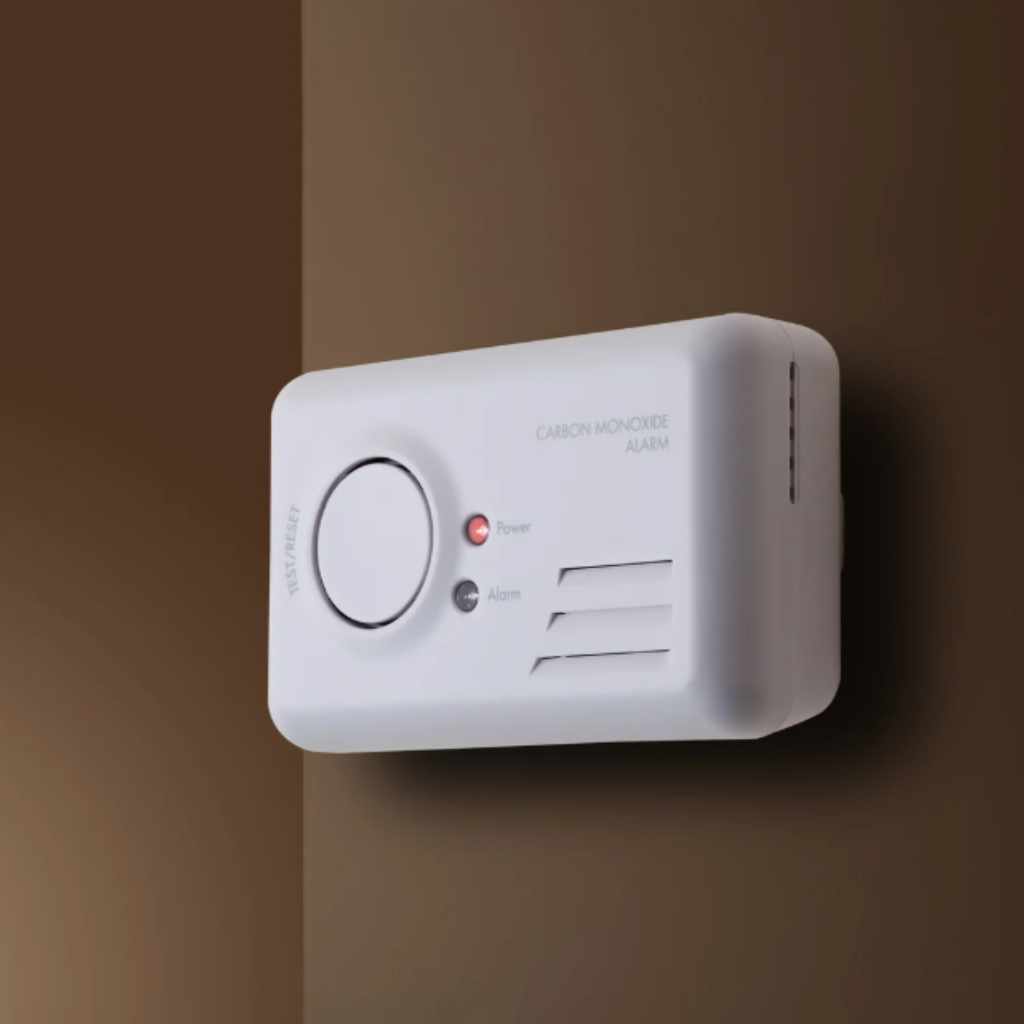
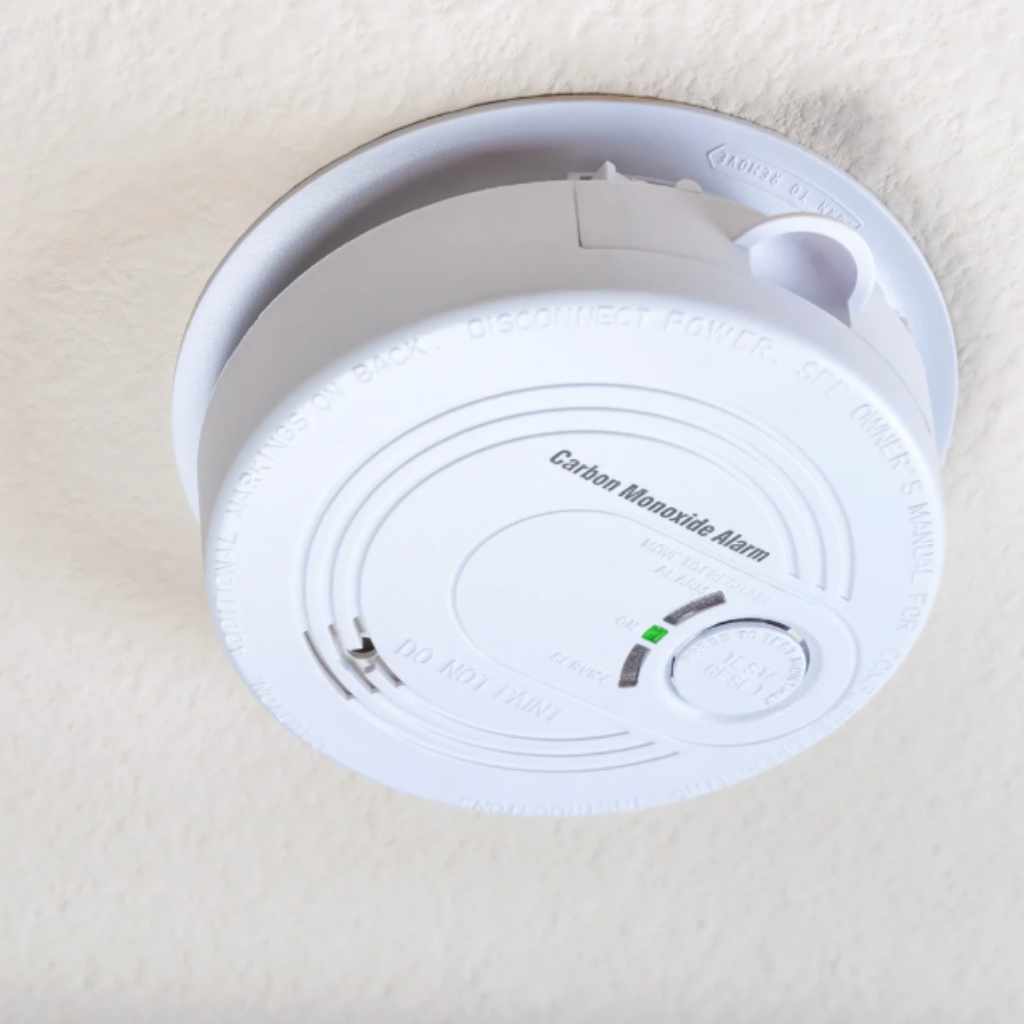
Carbon monoxide detectors are vital for safety. They sense dangerous gas levels early. Place detectors near bedrooms and fuel-burning appliances. Test them monthly to ensure they work well. Replace batteries every six months to stay protected. These devices save lives by giving timely warnings.
Regular Maintenance Of Appliances
Check heating systems, water heaters, and stoves yearly. Clean and inspect vents and chimneys to prevent blockages. Faulty appliances can leak carbon monoxide into your home. Hire professionals for proper maintenance. Regular care keeps appliances running safely and efficiently.
Myths And Facts About Carbon Monoxide Safety
Carbon monoxide (CO) is a dangerous gas. It is colorless and odorless, so many people do not notice it. Myths about carbon monoxide can cause unsafe actions. Knowing the facts helps keep you safe. This section clears up common myths and shares important facts.
Myth: Opening A Window Stops Carbon Monoxide Poisoning
Some think opening a window stops carbon monoxide buildup. This is not true. Carbon monoxide mixes quickly with indoor air. One window open does not remove it fast enough. Poisoning can still happen even with open windows.
Fact: Carbon Monoxide Needs Proper Ventilation
Good ventilation means fresh air moves through the whole space. It requires more than just one open window. Exhaust fans and vents help clear carbon monoxide. Proper ventilation lowers the gas levels safely.
Myth: You Can Smell Carbon Monoxide
Many believe carbon monoxide has a smell. It does not. Carbon monoxide is invisible and odorless. You cannot rely on your nose to detect it. Special detectors are the only safe way to know.
Fact: Carbon Monoxide Detectors Save Lives
Detectors sense carbon monoxide early. They alert you before levels become dangerous. Installing detectors near sleeping areas is best. They provide critical time to escape or ventilate.
Myth: Carbon Monoxide Only Comes From Cars
Cars produce carbon monoxide, but so do many home devices. Gas heaters, stoves, and fireplaces can create it. Any fuel-burning appliance can cause carbon monoxide buildup. Regular checks and maintenance reduce risks.
Frequently Asked Questions
Can Opening A Window Prevent Carbon Monoxide Poisoning?
Opening a window can help reduce carbon monoxide levels but is not a reliable prevention method. Proper ventilation and detectors are essential for safety.
Is Fresh Air Enough To Stop Carbon Monoxide Buildup?
Fresh air dilutes carbon monoxide but does not eliminate it entirely. Always use a CO detector and ensure appliances are maintained.
How Effective Is Window Ventilation Against Carbon Monoxide?
Window ventilation can lower CO concentration temporarily but cannot replace proper ventilation systems or detectors in preventing poisoning.
Should I Rely On Windows To Avoid Carbon Monoxide Risks?
No, windows alone are insufficient. Install CO alarms and maintain appliances for effective carbon monoxide safety.
Conclusion
Opening a window alone does not stop carbon monoxide poisoning. This gas is colorless and can spread quickly indoors. Proper ventilation helps but is not enough to keep you safe. Always use carbon monoxide detectors in your home. They alert you before the gas reaches dangerous levels.
Regular maintenance of heaters and appliances also reduces risks. Stay aware and take all safety steps seriously. Your health depends on careful prevention, not just fresh air. Stay safe and protect your loved ones every day.