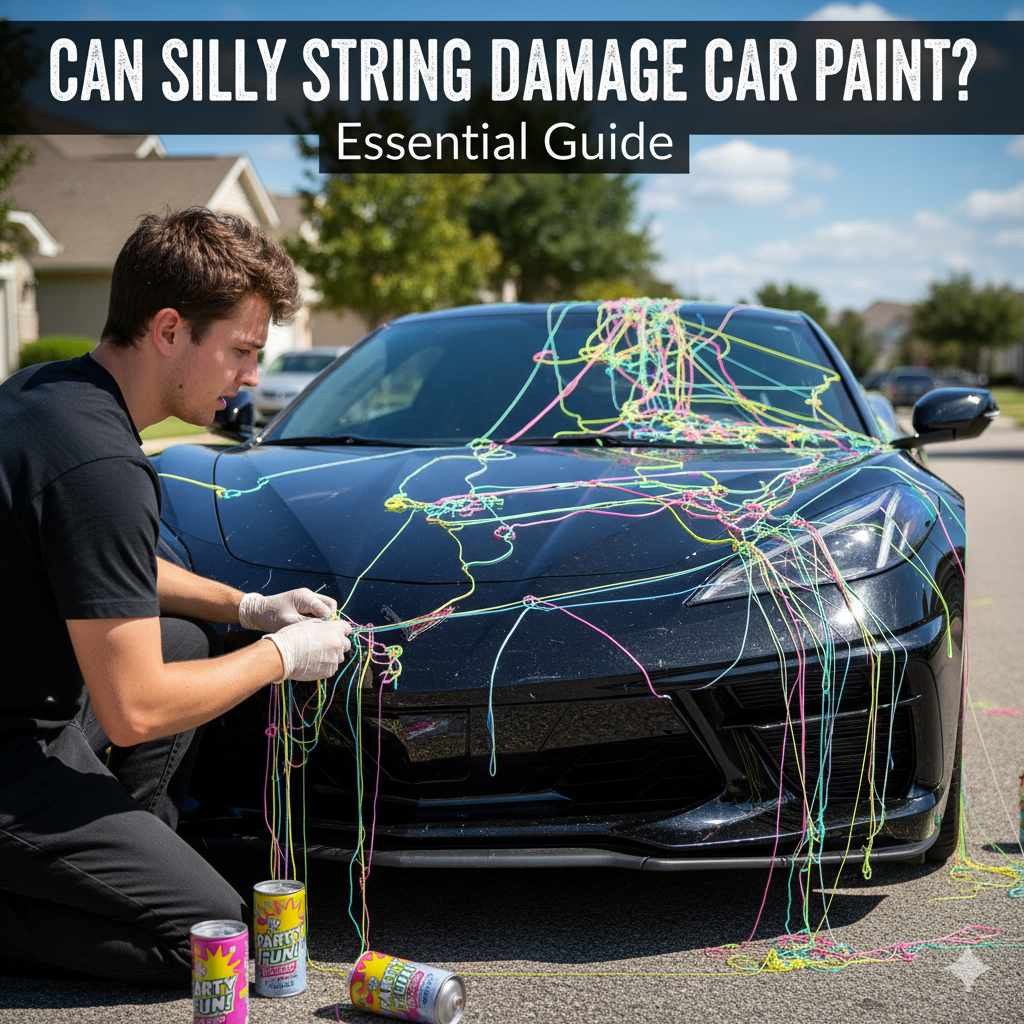
Can Silly String Damage Car Paint? Essential Guide
Yes, Silly String can potentially damage car paint, especially if left on for too long or if it contains harsh dyes. Prompt cleaning with soap and water is usually effective, but certain formulas might require more gentle methods to avoid scratching or staining your vehicle’s finish.
Have you ever seen a car covered in Silly String after a party or celebration? It might look funny, but then you start to wonder: “Can Silly String damage car paint?” It’s a common question for car owners who want to keep their ride looking its best. If you’ve been in this situation, you know the worry that creeps in. The good news is, understanding how to deal with it makes things much simpler. We’re here to walk you through exactly what you need to know, from why it can be a problem to the best ways to clean it off safely. Let’s dive in and make sure your car’s paint stays in great shape!
Understanding Silly String and Car Paint
Silly String is a popular party novelty that shoots out a colorful, foamy string when sprayed from a can. It’s loads of fun, creating a festive atmosphere. However, its ingredients are designed to stick and dry, which is where potential issues for your car’s paint can arise. Car paint is a multi-layered system designed to protect the metal underneath and provide a beautiful finish. It’s more delicate than you might think.
What’s in Silly String That Could Affect Paint?
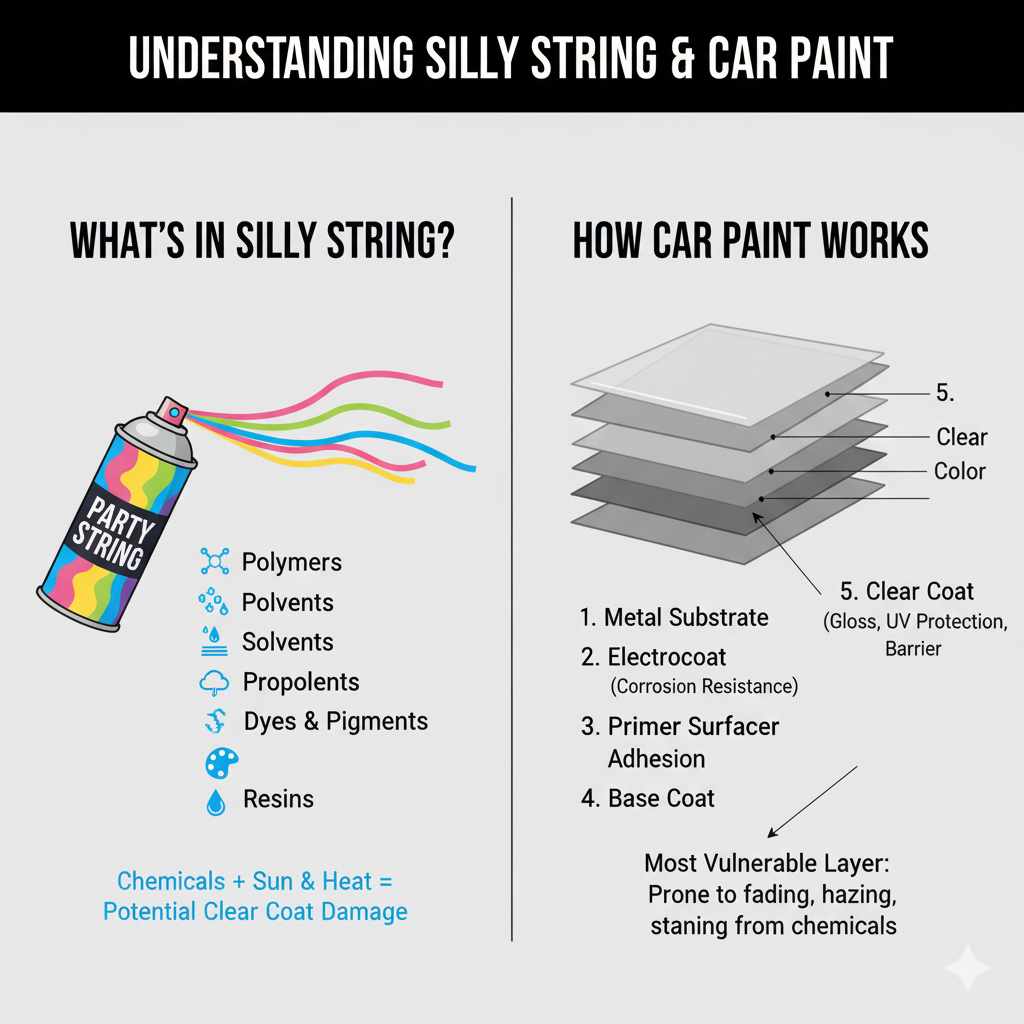
The exact ingredients in Silly String can vary slightly between brands and formulations, but generally, it contains:
- Polymers: These form the string-like material.
- Solvents: Used to keep the polymers liquid in the can and help them dry when sprayed. Some solvents can be harsh.
- Propellants: Gases that push the product out of the can.
- Dyes and Pigments: These are responsible for the bright colors. Some dyes, especially in older or cheaper formulas, can be more prone to staining.
- Resins: Help the string adhere and dry.
While most modern Silly String formulas are designed to be relatively harmless and eventually degrade, they are still chemicals. When these chemicals sit on your car’s paint, especially under sunlight and heat, they can sometimes react with the clear coat, leading to problems.
How Car Paint Works (The Basics)
Your car’s paint job is more than just a pretty color. It’s a sophisticated protective coating made of several layers:
- Metal Substrate: The car’s body panel.
- Electrocoat (E-coat): A primer that provides corrosion resistance.
- Primer Surfacer: Fills in minor imperfections and promotes adhesion of subsequent layers.
- Base Coat: This is the color layer.
- Clear Coat: The top layer, which provides gloss, UV protection, and guards against scratches and environmental contaminants.
The clear coat is the part that’s most exposed and most likely to be affected by something like Silly String. If the clear coat is compromised, it can lead to fading, hazing, or even the dye from the Silly String transferring to the paint.
Can Silly String Really Damage Car Paint? The Risks
The short answer is: it can, under certain circumstances. It’s not guaranteed to cause damage every single time, but it’s definitely a risk worth understanding. Here’s why:
Staining
The dyes in Silly String are the primary culprits for staining. While many are water-based, some can be more potent. If the Silly String sits on your car’s paint for an extended period, especially in direct sunlight, the dyes can seep into the clear coat and cause discoloration. This is more likely on lighter-colored cars. Sometimes, the stain is superficial and can be washed off. Other times, it can penetrate the clear coat, making it much harder to remove.
Chemical Reaction
The solvents and resins in Silly String, while generally mild, can potentially react with certain types of car wax or sealants. These protective layers on your paint might break down on contact with the chemicals, exposing the clear coat underneath. This can soften the paint slightly, making it more susceptible to picking up dirt or staining. Over time, repeated exposure or prolonged contact could, in rare cases, etch or dull the clear coat.
Adhesion and Residue
When Silly String dries, it forms a somewhat sticky residue. If left to dry completely, it can harden and become difficult to remove. Attempting to forcefully scrape or wipe off hardened Silly String can lead to scratches on the paint surface. Even if you manage to remove the bulk of it, a fine, sticky residue might remain, attracting dust and dirt.
Environmental Factors
Sunlight and heat are major factors that can increase the risk of Silly String causing damage. Heat can soften the car’s paint and clear coat, making it more vulnerable to chemical reactions and dye penetration. UV rays from the sun can also degrade the paint over time, making it less resilient to contaminants like Silly String residue.
| Potential Damage Type | Description | Likelihood | Severity (if occurs) |
|---|---|---|---|
| Staining | Dyes transfer to the paint, causing discoloration. | Medium (higher on light colors, prolonged exposure) | Low to Medium (depending on dye type and contact time) |
| Wax/Sealant Damage | Chemicals break down protective waxes or sealants. | Medium (especially with older or aggressive formulas) | Low (clear coat is still largely intact) |
| Scratching | Caused by trying to remove dried or hardened Silly String. | Medium (depends on removal method) | Low to High (depending on force and method) |
| Etching/Dulling | Chemicals react with and degrade the clear coat. | Low (requires prolonged, aggressive contact) | Medium to High |
Prompt Action: What to Do Immediately After Silly String Contact
The absolute best defense against Silly String damage is quick action. The longer it stays on your car, the higher the chance of it causing problems. If your car gets hit with Silly String, here’s your immediate action plan:
Step 1: Assess the Situation
Take a quick look. Is it just a light dusting, or is it heavily coated? Are there thick globs of string? This will help you decide how quickly and aggressively you need to act.
Step 2: Water Rinse
Your first line of defense is water. If you have access to a hose, give the affected areas a good rinse. Use moderate pressure. The goal here is to wash away as much of the loose Silly String as possible before it starts to dry or react with the paint. Start from the top of the car and work your way down. This helps prevent dirt and debris from being dragged across clean sections.
Step 3: Gentle Washing
If the water rinse doesn’t get everything, the next step is a gentle wash. Use a dedicated automotive car wash soap and a soft wash mitt or microfiber towel. Work in small sections.
What you’ll need:
- Two buckets (one for soapy water, one for rinsing the mitt)
- pH-neutral car wash soap
- Soft wash mitt (microfiber is ideal)
- Clean microfiber drying towels
Fill one bucket with your car wash soap mixture and the other with clean water for rinsing your mitt. This “two-bucket method” helps prevent dirt from being transferred back onto the car, reducing the risk of scratches. Gently wash the areas with Silly String. Rinse your mitt frequently in the clean water bucket. Be thorough but gentle. Avoid scrubbing hard, as this can push the dried string into the paint.
Step 4: Rinse Thoroughly
After washing, rinse the entire car thoroughly with clean water. Make sure no soap residue or Silly String remnants are left behind.
Step 5: Dry with Care
Use clean, soft microfiber drying towels to dry the car. Pat or gently wipe the water away. Avoid using old bath towels or rough cloths, as they can cause swirl marks.
Dealing with Stubborn Silly String Residue
Sometimes, despite your best efforts, some tough residue might remain. Don’t panic! There are safe ways to tackle it. The key is to rehydrate and gently lift the residue rather than scraping it.
Method 1: Re-wetting and Gentle Wiping
Often, dried Silly String can be softened again with water. Spray the residue with water and let it soak for a few minutes. Then, try gently wiping it away with a damp microfiber towel. You might need to repeat this a few times. If there’s still some left, a bit of car wash soap can help break down the stickiness.
Method 2: Using a Clay Bar
If washing and gentle wiping don’t remove all the residue, a clay bar is an excellent tool. A clay bar is a synthetic material that safely lifts contaminants from your car’s paint surface without scratching (when used correctly).
How to use a clay bar safely:
-
Lubrication is key: Never use a clay bar on dry paint. You’ll need a lubricant, which can
be a dedicated clay lubricant spray or even a mixture of water and a few drops of car wash
soap in a spray bottle. - Work in small sections: Spray the lubricant generously on the area with the Silly String residue.
- Glide the clay bar: Gently rub the clay bar over the lubricated surface. You will feel it glide smoothly when the contamination is removed. If you feel it sticking or hear it grinding, the surface isn’t lubricated enough, or you need to clean your clay bar.
- Fold and clean: As the clay bar picks up residue, fold it in on itself or knead it to expose a clean surface. If you drop the clay bar on the ground, discard it immediately, as it will pick up grit that can scratch your paint.
- Wipe away residue: After claying, wipe the area with a clean microfiber towel.
Clay bars are readily available at auto parts stores and online. For more information on how to properly detail your car, resources like Autogeek or the Meguiar’s detailing guides often have excellent tutorials.
Method 3: Isopropyl Alcohol (Use with Caution!)
For very stubborn, dried-on residue that resists other methods, a mild isopropyl alcohol (rubbing alcohol) solution can sometimes work. Isopropyl alcohol is a solvent, so it can break down sticky substances. However, it can also strip waxes and sealants, and if used too aggressively or in high concentrations, it could potentially affect some paint types.
How to use isopropyl alcohol:
- Dilute it: Mix isopropyl alcohol with distilled water at a 1:1 ratio (50% alcohol, 50% water). Never use pure, undiluted alcohol on car paint.
- Test in an inconspicuous area: Before applying to the main area, test the diluted solution on a small, hidden spot of your paint (like a door jamb) to ensure it doesn’t cause any adverse reactions.
- Apply with a microfiber towel: Dampen a clean microfiber towel with the diluted solution. Gently blot or wipe the Silly String residue. Do NOT rub aggressively.
- Rinse immediately: After the residue is gone, immediately rinse the area thoroughly with water and wash it with car soap to remove any alcohol traces.
- Re-wax: Since alcohol will strip any existing protection, you’ll want to reapply wax or sealant to the cleaned area to restore protection.
Always remember that automotive paints and finishes can vary. For specific advice on your vehicle’s paint system, consulting your car manufacturer’s guides or a professional detailer is wise.
When to Seek Professional Help
In most cases, if you catch Silly String early and follow the gentle cleaning steps, you won’t have any lasting issues. However, there are times when professional help is the best option:
- Deep Stains: If Silly String has caused a deep stain or discoloration that you can’t remove with DIY methods, a professional detailer can often use specialized polishes and techniques to correct it.
- Dull or Etched Clear Coat: If the paint appears dull, hazy, or feels rough to the touch after attempting to clean, it might indicate that the clear coat has been chemically etched. A professional can assess the damage and perform paint correction processes such as compounding and polishing.
- Uncertainty: If you’re not comfortable with any of the cleaning steps, especially using a clay bar or alcohol, it’s always safer to have a professional handle it. They have the experience and tools to do it correctly.
- Valuable or Classic Cars: For owners of high-value or classic vehicles, the risk of DIY error might outweigh the cost of professional detailing from the start.
A professional detailer has access to advanced tools and chemicals that can safely remove stubborn contaminants and restore your car’s finish to a like-new condition. For more on paint correction and professional detailing, you can look to resources like the International Surface Preparation and Finishing Association (ISPA) for industry standards.
Preventing Future Silly String Mishaps
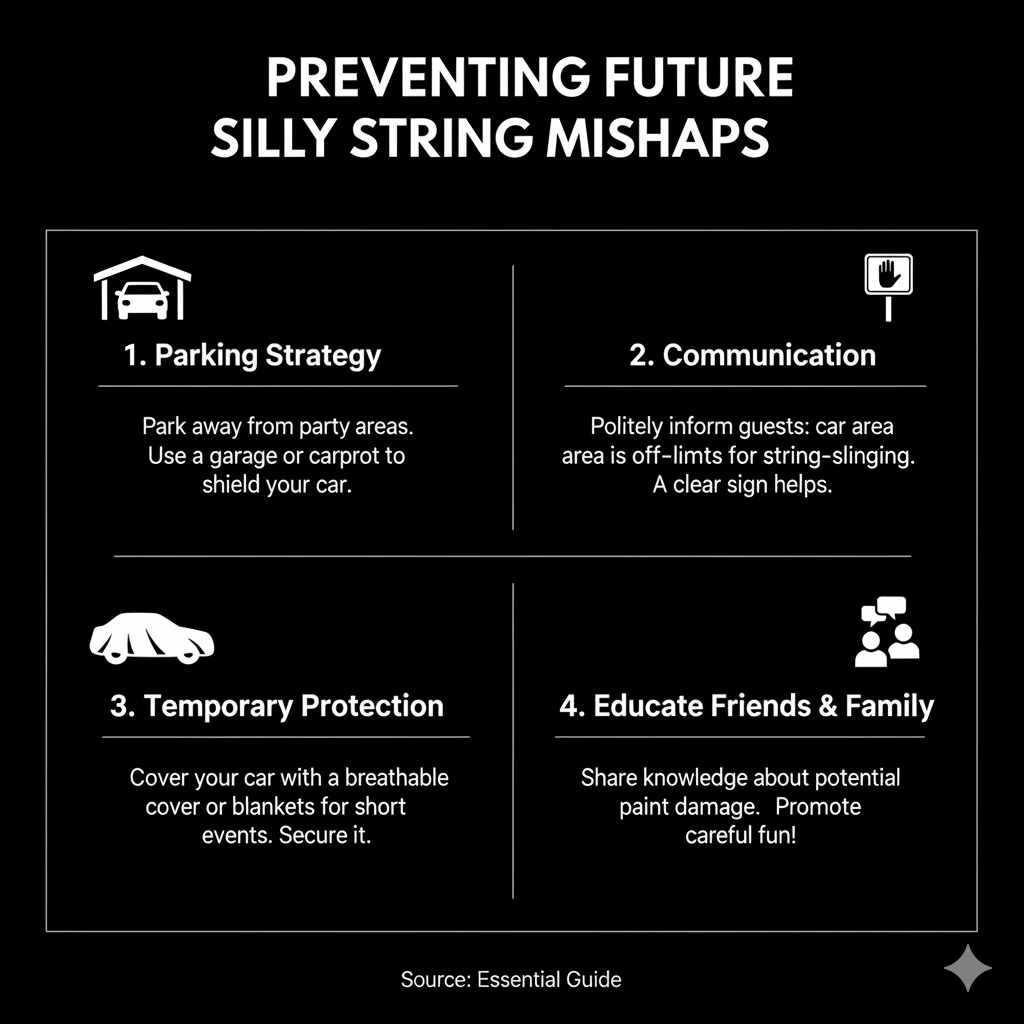
The best way to avoid worrying about your car’s paint being damaged by Silly String is to prevent it from getting on your car in the first place. Here are a few proactive tips:
- Parking Strategy: If you know a party with Silly String is happening, try to park your car away from the main action. Keep cars parked in a garage or under a carport if possible.
- Communication: If you’re hosting a party or attending one where Silly String will be present, gently inform guests that the car area is off-limits for string-slinging. A polite sign can also help.
- Temporary Protection: For events where you absolutely must have your car nearby, consider covering it with a breathable car cover or even large blankets if it’s a short-term event. Ensure the cover is secured so it doesn’t blow off.
- Educate Friends and Family: Share this knowledge with others! The more people know about potential damage, the more likely they are to be careful around vehicles.
FAQ Section
Is all Silly String bad for car paint?
Most modern Silly String formulas are water-based and designed to break down. However, even these can cause issues if left on too long, especially in the sun. Older or less reputable brands might contain harsher chemicals or dyes that pose a greater risk of staining or damaging the paint. It’s always best to assume it’s a potential risk and clean it off promptly.
How long can Silly String sit on car paint before it causes damage?
There’s no exact timeline, as it depends on the paint’s condition, the type of Silly String, and environmental factors like sun exposure and temperature. As a general rule, it’s safest to remove it within a few hours. Leaving it overnight, especially in warm, sunny conditions, significantly increases the risk of staining or paint damage.
Can Silly String damage a car’s vinyl wrap or PPF?
Yes, Silly String can potentially damage vinyl wraps and Paint Protection Film (PPF) as well. The dyes can stain the vinyl or film, and the solvents could affect the adhesive or the film itself, especially if left for extended periods. Gentle cleaning methods similar to those for paint are recommended, but always proceed with caution.
What should I do if Silly String stains my car’s paint?
If you notice a stain, try washing the area thoroughly with car soap and water. If that doesn’t work, a clay bar treatment might remove the surface stain. For deeper stains, a diluted isopropyl alcohol solution applied gently, followed by a thorough rinse and re-waxing, is an option. If the discoloration persists, professional paint correction may be necessary.
My car is black. Is it more susceptible to Silly String damage?
Darker colored cars, like black, are more prone to showing swirl marks and scratches from improper cleaning. However, they are generally less susceptible to staining from Silly String dyes compared to lighter colors. The risk of chemical etching or the removal of wax/sealants still applies to all colors. The main concern for black paint will be the potential for scratches if the removal process isn’t gentle.