Can You Leave a Car Battery Charging All Weekend?
It’s a common question for car owners, especially those new to car maintenance: Can you leave a car battery charging all weekend? You might worry about overcharging it or causing damage. This can feel like a tricky puzzle, but it doesn’t have to be. We’ll break it down into simple steps, so you can feel confident.
Stick around to find out exactly what you need to know to keep your battery healthy and avoid any unwanted surprises.
Understanding Your Car Battery Charging Needs
Many car owners wonder about the best way to charge their car batteries, especially when they need a longer charge. This section will explain why this question is so popular and provide clear answers. We’ll cover the basics of car battery charging and what makes it seem confusing at first.
You’ll learn about different types of chargers and how they affect your battery.
Types of Car Battery Chargers
There are a few main kinds of battery chargers you might use. Understanding these will help you know which one is right for your situation.
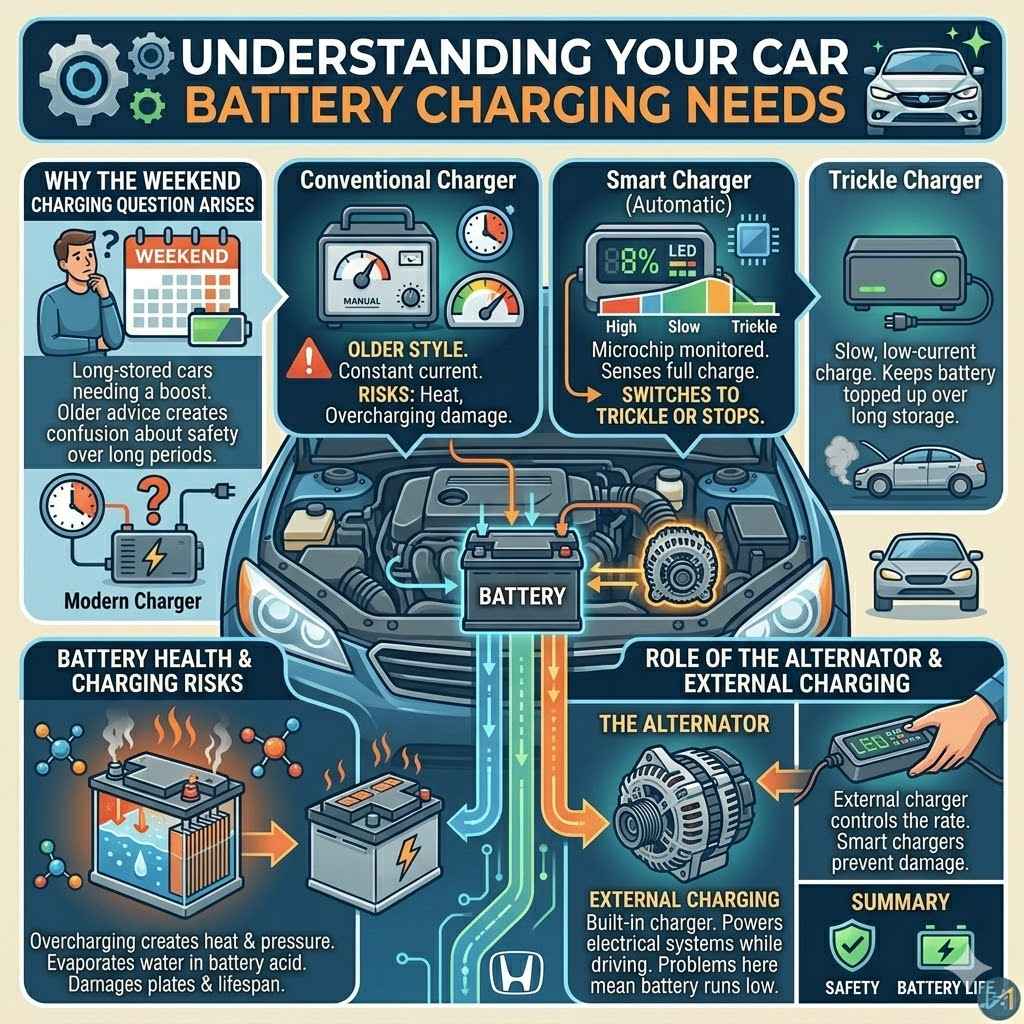
Conventional Chargers
These are the older style chargers. They send a constant amount of electricity to the battery. You need to watch them closely because they don’t stop charging on their own.
If you leave them connected for too long, they can overcharge the battery. Overcharging means too much electricity goes into the battery, which can make it too hot. This heat can damage the battery’s insides and shorten its life.
You usually set a timer on these or unplug them yourself when you think the battery is full.
Automatic or Smart Chargers
These are much better for preventing overcharging. Smart chargers use microchips to monitor the battery’s charge level. They start with a high charge rate and then slow down as the battery gets full.
Once the battery reaches its full charge, these chargers switch to a trickle charge or stop charging altogether. This means you can often leave them connected for a while without worrying. They are designed to keep the battery topped up without causing harm.
Trickle Chargers
Trickle chargers provide a very low, slow charge. They are great for keeping a battery at full charge over long periods, like when a car is stored. They deliver a small amount of power to replace what the battery naturally loses over time.
Because the charge is so slow, they are very unlikely to overcharge a battery. They are a good option if you won’t be using your car for weeks or months.
Why the Weekend Charging Question Arises
People often ask about charging a car battery all weekend because they might have a car that’s been sitting for a while and needs a good boost. Or maybe they’re going on a long trip and want to ensure the battery is in top shape. The confusion comes from remembering older advice or not knowing if modern chargers are safe for long periods.
It’s easy to imagine that leaving something plugged in for days would be bad. Think about charging your phone; you usually unplug it once it’s full. Car batteries are different, and modern chargers are designed to handle this.
Battery Health and Charging
A car battery’s job is to provide a lot of power quickly to start the engine. It also stores power from the alternator while the car is running. When a battery is low, it needs to be recharged.
Overcharging can cause damage by creating too much heat and pressure inside the battery.
This heat can cause the water in the battery acid to evaporate faster. This can lead to the battery plates being exposed, which is bad for their performance and lifespan. Modern chargers are built to avoid this.
The Role of the Alternator
When your car is running, the alternator is responsible for keeping the battery charged and powering the car’s electrical systems. It’s like a built-in charger. If your battery is constantly running low, it could mean there’s a problem with the alternator or something is draining the battery when the car is off.
Understanding how the alternator works helps explain why a battery can be damaged. If the alternator overcharges the battery while driving, that’s a different problem than a charger running too long. But when you’re using an external charger, the charger itself is in control.
Can You Leave a Car Battery Charging All Weekend Safely
This is the big question, and the answer often depends on the type of charger you are using. Modern charging technology has made it much safer to leave a car battery on charge for extended periods. We will explore the factors that determine safety and offer clear guidance.
Smart Chargers and Weekend Charging
Smart chargers are designed with safety features that make charging all weekend perfectly fine. They don’t just keep pouring electricity in. Instead, they sense when the battery is full and adjust their output.
When a smart charger detects a full battery, it will typically switch to a maintenance mode. This mode provides a very small amount of power to counteract any natural self-discharge the battery might experience. It’s like a tiny top-up to keep the battery at 100% without causing harm.
- Smart chargers monitor the battery’s voltage and current. They adjust the charging process based on real-time feedback from the battery. This prevents overcharging and heat buildup, which are the primary concerns.
- The maintenance mode, often called a float charge, is very low power. It’s just enough to keep the battery healthy without stressing it. Think of it as keeping a tool charged when it’s not in use.
- Many smart chargers have multi-stage charging. This means they might use a quick charge phase, then a slower charge, and finally the maintenance phase. Each stage is optimized for battery health.
For example, if you’re going away for a long weekend and have a smart charger, you can plug in the battery before you leave. You can come back on Monday, and the battery will be fully charged and ready to go. This is a common practice for people storing classic cars or vehicles not used daily.
Conventional Chargers and Weekend Charging Risks
Using a conventional charger all weekend is generally not recommended. These chargers provide a constant, unmonitored charge.
The main risk with conventional chargers is overcharging. If you leave one connected for too long, it can overheat the battery. This can lead to several problems.
- Overcharging can cause excessive gassing within the battery. This gassing is a chemical process that can build pressure and release harmful fumes.
- The heat generated from overcharging can warp the battery’s internal components. This damage can be permanent and reduce the battery’s lifespan significantly.
- A deeply overcharged battery might never hold a full charge again. It becomes less effective at starting your car.
If you must use a conventional charger, it’s crucial to monitor the battery’s temperature and charge level regularly. You should plan to disconnect it as soon as the battery appears to be fully charged, or even a bit before to be safe. This requires your active attention throughout the charging process.
When to Avoid Weekend Charging
Even with a smart charger, there are situations where leaving a battery on charge all weekend might not be ideal. If the battery is very old or already damaged, it might not react well to continuous charging. Also, if the charger itself is faulty, it could pose a risk.
Always inspect your battery for any signs of damage like cracks or leaks before charging. If you see anything unusual, it’s best to consult a professional.
Trickle Chargers and Extended Charging
Trickle chargers are specifically designed for long-term battery maintenance. They provide a very slow, low-level charge. This makes them ideal for keeping a battery topped up for weeks or even months.
Because the charge rate is so low, there is virtually no risk of overcharging with a trickle charger. They are perfect for vehicles that are stored during winter or not used regularly.
- Trickle chargers are great for maintaining a battery’s state of charge. They prevent the battery from discharging too much when the car is idle.
- The slow charge prevents damage. It’s much gentler than the faster charging rates of other types of chargers.
- They are often used for seasonal vehicles like RVs, boats, or motorcycles that sit unused for long periods.
A car battery might lose a small amount of its charge over time, even when not in use. A trickle charger compensates for this natural loss. This ensures that when you need to start the car, the battery has enough power.
Battery Condition Matters
The health of your car battery plays a big role in how it handles charging. A brand-new, healthy battery will react differently than an older one that’s nearing the end of its life.
Older batteries might have reduced capacity. They may also have internal issues that make them more susceptible to damage from charging.
- If a battery is old, its internal resistance might be higher. This can cause it to generate more heat when charging.
- Damaged or sulfated batteries might not accept a charge properly. They could overheat or show false readings to a smart charger.
- It’s always a good idea to get your battery tested periodically, especially if it’s more than three years old. This helps you know its condition before you start charging it for extended periods.
Factors Influencing Safe Weekend Charging
Several key factors determine whether leaving a car battery on charge all weekend is a good idea. These include the type of charger, the battery’s condition, and environmental factors. Understanding these will give you the full picture.
Charger Technology and Safety Features
The most critical factor is the charger itself. Modern chargers have advanced features that were not available in older models.
These features are designed to protect the battery and prevent common charging mistakes.
- Microprocessor Control: Many smart chargers use microprocessors to manage the charging cycle. This allows for precise control over voltage and current.
- Multi-Stage Charging: Chargers that go through different stages (e.g., bulk, absorption, float) are designed for optimal battery health. The float stage is key for long-term charging.
- Automatic Shut-off/Maintenance Mode: The ability for the charger to detect a full battery and switch to a maintenance mode or shut off is essential for safety.
For instance, a charger with a “float” mode will only supply a small amount of power to keep the battery topped off. This is very different from a “bulk” charge, which delivers a high amount of power to quickly replenish a depleted battery.
Battery Age and Condition
A battery’s age and its current condition are vital. Older batteries are more prone to issues.
They might not be able to handle extended charging cycles as well as new ones.
- Sulfation: Over time, lead sulfate crystals can build up on the battery plates. This reduces the battery’s ability to accept and hold a charge, and can cause it to overheat.
- Internal Resistance: As batteries age, their internal resistance generally increases. Higher resistance means more energy is lost as heat during charging.
- Physical Damage: Cracks, leaks, or corroded terminals can compromise the battery’s structure and safety.
A battery that has been deeply discharged multiple times may also be compromised. Some chargers have a “reconditioning” mode to help with mild sulfation, but a severely damaged battery might still be a risk.
Environmental Considerations
Where you charge the battery can also play a role. Extreme temperatures can affect the charging process.
Charging in a very hot environment can increase the risk of overheating.
- Temperature: Batteries should ideally be charged at moderate temperatures, typically between 50-70°F (10-21°C). Charging in extreme heat or cold can be less efficient and potentially harmful.
- Ventilation: It’s important to charge batteries in a well-ventilated area. Batteries can release hydrogen gas during charging, which is flammable.
- Location: Avoid charging in damp or corrosive environments. This can lead to corrosion on the charger and battery terminals.
For example, charging a battery in an uninsulated garage during a hot summer might raise the battery’s temperature above safe levels, even with a smart charger. It’s always best to follow the charger manufacturer’s recommendations for optimal charging conditions.
Charger Capacity and Battery Size
The charger needs to be appropriate for the size of the battery you are charging. Most car batteries are 12-volt systems. However, their capacity is measured in Amp-hours (Ah).
Using a charger that is too powerful for a small battery can be like using a fire hose to fill a teacup.
- Matching Charger Amps to Battery Ah: A general rule is that a charger’s amperage output should be around 10-20% of the battery’s Ah rating for optimal charging. For example, a 60 Ah battery might be best charged with a 6-10 Amp charger.
- Over-Amperage: A charger with too high an amperage can force current into the battery faster than it can handle, leading to overheating and damage.
- Under-Amperage: A charger with too low an amperage will take a very long time to charge, and might struggle to fully charge a deeply depleted battery.
Most modern car battery chargers are designed to work with a range of battery sizes. However, it is always a good practice to check the charger’s specifications to ensure it is compatible with your car’s battery.
How to Charge a Car Battery Safely All Weekend
If you have the right equipment and follow some simple guidelines, charging your car battery all weekend can be done safely and effectively. This section provides practical steps to ensure a successful charging experience.
1. Choose the Right Charger
As discussed, a smart charger or an automatic charger is your best bet for weekend charging. These chargers have built-in safety features to prevent overcharging.
If you only have a conventional charger, it’s best not to leave it unattended for the entire weekend.
- Smart Charger Benefits: They monitor the battery, adjust charging rates, and switch to a maintenance mode, making them ideal for extended charging.
- Check the Label: Look for terms like “automatic,” “smart,” “multi-stage,” or “float charging” on the charger’s packaging or manual.
- Avoid Basic Chargers: Simple chargers without any intelligence can overcharge and damage the battery if left too long.
A good quality smart charger is an investment that can save you from costly battery replacements and potential damage down the line.
2. Prepare Your Battery
Before you connect any charger, it’s important to prepare your battery. This involves a few quick checks.
Make sure the battery is clean and accessible.
- Clean Terminals: Inspect the battery terminals (the positive and negative posts) for corrosion. If you see any white or bluish powder, clean it off with a wire brush and a mixture of baking soda and water. This ensures a good connection.
- Check Battery Fluid Levels (if applicable): For older “maintainable” batteries, there are caps on top. If the fluid level is low, add distilled water until the plates are covered. Most modern car batteries are “maintenance-free” and do not require this.
- Inspect for Damage: Look for any cracks in the battery case, leaks, or swelling. If you find any damage, do not charge the battery and replace it immediately.
A clean and well-maintained battery will charge more efficiently and safely.
3. Connect the Charger Correctly
The order in which you connect and disconnect the charger is important to prevent sparks.
Sparks can ignite flammable hydrogen gas that batteries release.
Connection Steps:
- Turn off the charger and unplug it from the wall outlet.
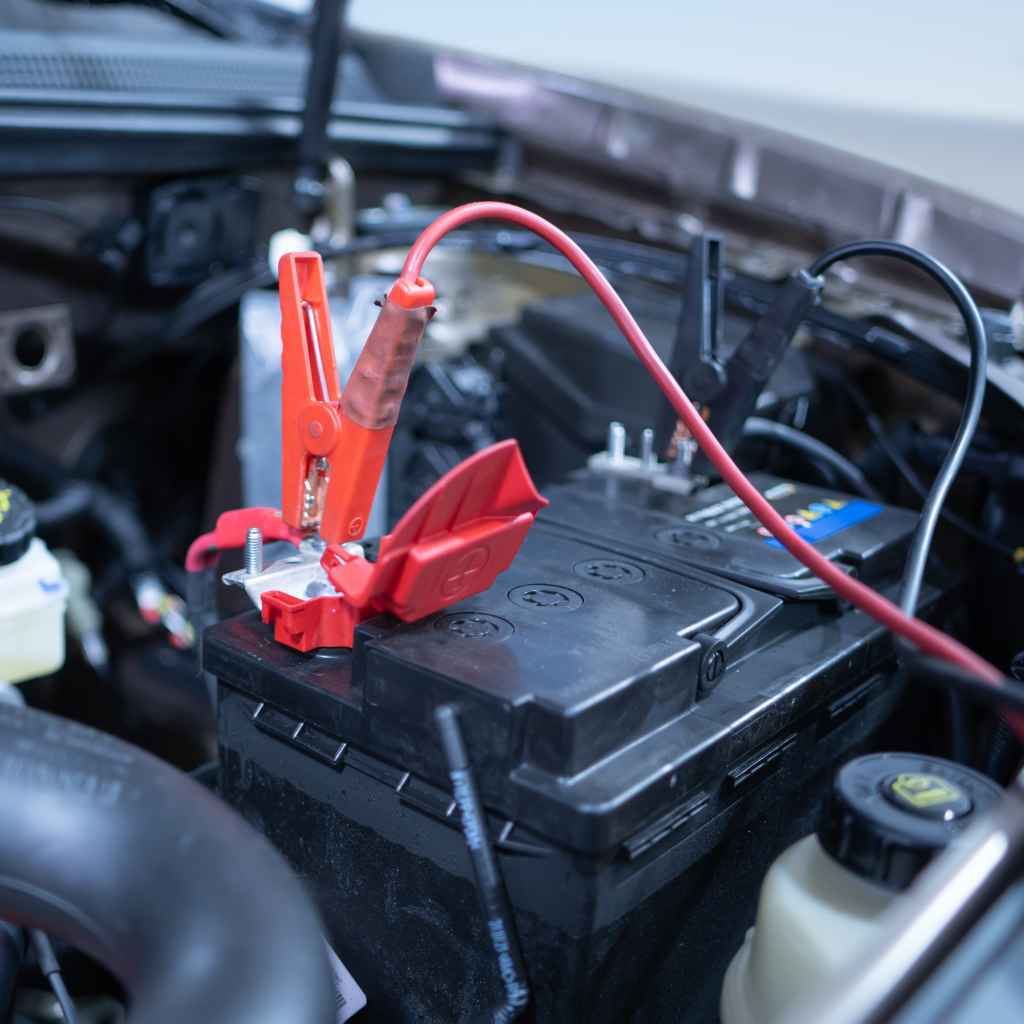
- Connect the POSITIVE (red) clamp from the charger to the POSITIVE (+) terminal on the battery.
- Connect the NEGATIVE (black) clamp from the charger to the NEGATIVE (-) terminal on the battery, or to a clean, unpainted metal surface on the car’s engine block or chassis, away from the battery. This is often called a “ground” connection and helps prevent sparks near the battery.
- Once both clamps are securely attached, plug the charger into the wall outlet and turn it on.
4. Monitor the Charging Process
Even with a smart charger, it’s good practice to check in periodically, especially during the first few hours.
This allows you to ensure everything is working as expected.
- Listen for unusual noises: A healthy battery might make a slight hissing sound during charging, but loud boiling or cracking sounds are a cause for concern.
- Feel for excessive heat: The battery may get slightly warm, but it should not be hot to the touch. If it feels excessively hot, disconnect the charger immediately.
- Check charger indicators: Most smart chargers have indicator lights that show the charging status (e.g., charging, charged, maintenance mode).
If you notice any problems, disconnect the charger and consult the charger’s manual or a professional.
5. Disconnect the Charger
When the weekend is over, or the charger indicates the battery is fully charged, it’s time to disconnect.
Again, follow the correct order to avoid sparks.
Disconnection Steps:
- Turn off the charger and unplug it from the wall outlet.
- Disconnect the NEGATIVE (black) clamp first from the battery terminal or ground point.
- Disconnect the POSITIVE (red) clamp from the POSITIVE (+) terminal on the battery.
- Store the charger and clamps safely.
This process ensures that any residual charge or static discharge doesn’t create a spark near the battery.
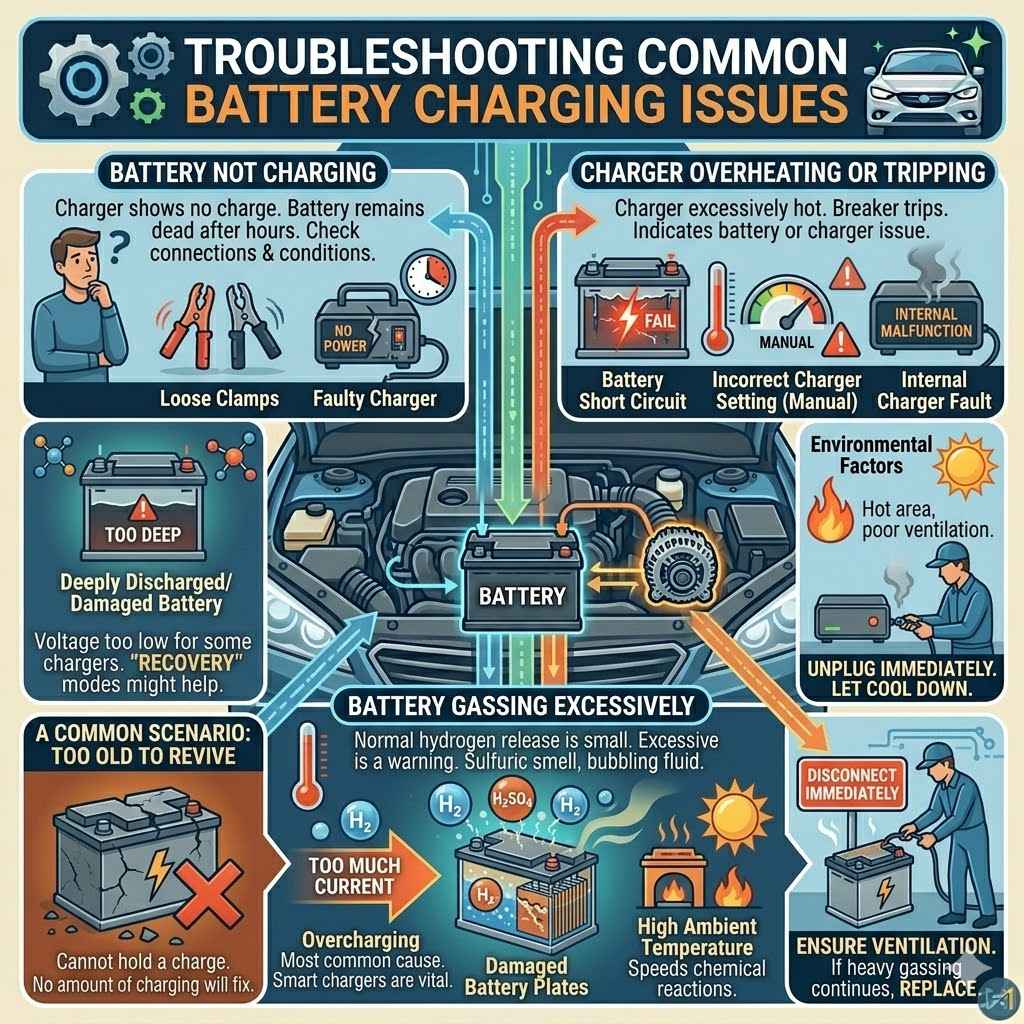
Troubleshooting Common Battery Charging Issues
Sometimes, even with the best intentions, you might run into problems when charging a car battery. This section will help you identify and resolve common issues, ensuring you can get your battery back to full health.
Battery Not Charging
If your charger indicates that the battery is not charging, or the battery still appears dead after several hours, there could be several reasons.
First, double-check your connections. Loose clamps are a frequent culprit.
- Connection Issues: Ensure the red clamp is firmly on the positive (+) terminal and the black clamp is on the negative (-) terminal or ground point. Clean any corrosion for better contact.
- Faulty Charger: The charger itself might be damaged or not working correctly. Try testing it with another known good battery if possible, or check its power indicator light.
- Deeply Discharged or Damaged Battery: Some chargers have a minimum voltage requirement to start charging. A battery that is too deeply discharged or internally damaged might not reach this threshold. Some advanced chargers have a “recovery” or “desulfation” mode for such batteries.
- Bad Alternator (indirectly): While not a direct charging issue with an external charger, if your car’s alternator is bad, it could lead to the battery constantly being drained, making it seem like it’s not holding a charge.
A common scenario is a battery that’s so old it can no longer hold a charge. In this case, no amount of charging will revive it.
Charger Overheating or Tripping
If your charger is getting excessively hot or its safety breaker is tripping, it could indicate a problem.
This often points to an issue with the battery or the charger itself.
- Battery Short Circuit: A cell within the battery might have failed, causing a short circuit. This draws excessive current, which can cause both the battery and the charger to overheat.
- Incorrect Charger Setting: If you are using a manual charger and have set it to too high an amperage for the battery size, it can lead to overheating.
- Internal Charger Fault: The charger might have an internal malfunction, causing it to draw too much power or overheat.
- Environmental Factors: Charging in a very hot area without good ventilation can contribute to charger overheating.
If a charger is tripping, unplug it immediately. Let it cool down. Then, try again with a fully charged battery or try a different charger.
Battery Gassing Excessively
Batteries release hydrogen gas during charging, which is normal to a small extent. However, excessive gassing, often accompanied by a strong sulfuric smell or bubbling in the battery fluid, is a warning sign.
This usually indicates overcharging or internal battery issues.
- Overcharging: This is the most common cause of excessive gassing. It means too much current is being forced into the battery. This is why smart chargers are so important.
- Damaged Battery Plates: If the battery plates are damaged or shorted, it can lead to uncontrolled chemical reactions and increased gassing.
- High Ambient Temperature: Charging in very hot conditions can exacerbate gassing, as heat speeds up chemical reactions.
If you notice excessive gassing, disconnect the charger immediately. Ensure the area is well-ventilated. If the battery continues to gas heavily after being disconnected, it may need to be replaced.
Frequently Asked Questions
Question: Can I leave my car battery plugged in overnight?
Answer: Yes, if you are using a modern automatic or smart charger, it is generally safe to leave your car battery plugged in overnight. These chargers are designed to stop charging or switch to a low-power maintenance mode once the battery is full, preventing overcharging.
Question: What happens if I overcharge a car battery?
Answer: Overcharging a car battery can cause it to overheat, damage its internal components, reduce its lifespan, and potentially lead to a dangerous buildup of explosive gases. It can make the battery unable to hold a charge properly.
Question: How long does it typically take to charge a car battery?
Answer: The time it takes to charge a car battery varies greatly depending on the battery’s state of discharge, its capacity, and the charger’s amperage. A fully depleted car battery could take anywhere from 4 to 24 hours or more to charge fully with a typical charger.
Question: Should I charge my car battery in the winter?
Answer: Yes, it can be beneficial to charge your car battery in the winter, especially if your car is not driven frequently. Cold weather reduces a battery’s performance and its ability to hold a charge, so a periodic top-up can help ensure it starts reliably.
Question: Is it bad to charge a car battery that is already mostly charged?
Answer: For modern smart chargers, it is generally not harmful to charge a battery that is already mostly charged. The charger will simply recognize the high charge level and switch to its maintenance mode, providing a trickle charge to keep it topped up without overcharging.
Summary
So, can you leave a car battery charging all weekend? Yes, with a smart or automatic charger. These modern devices prevent overcharging by switching to a maintenance mode. Conventional chargers should be monitored closely to avoid damage.
Always ensure your battery is in good condition and connections are secure. Using the right charger and following these simple steps keeps your battery healthy and ready to go.