Can You Take an Abandoned Car? Legal Facts
Thinking about grabbing that dusty car sitting by the roadside? It’s a question many beginners wonder about, and it can seem tricky because of all the rules. Don’t worry, we’re here to break it down super simply.
We’ll cover all the Can You Take an Abandoned Car? Legal Facts so you know exactly what’s what. Stick around, and we’ll make it clear as day.
Can You Take an Abandoned Car? Legal Facts
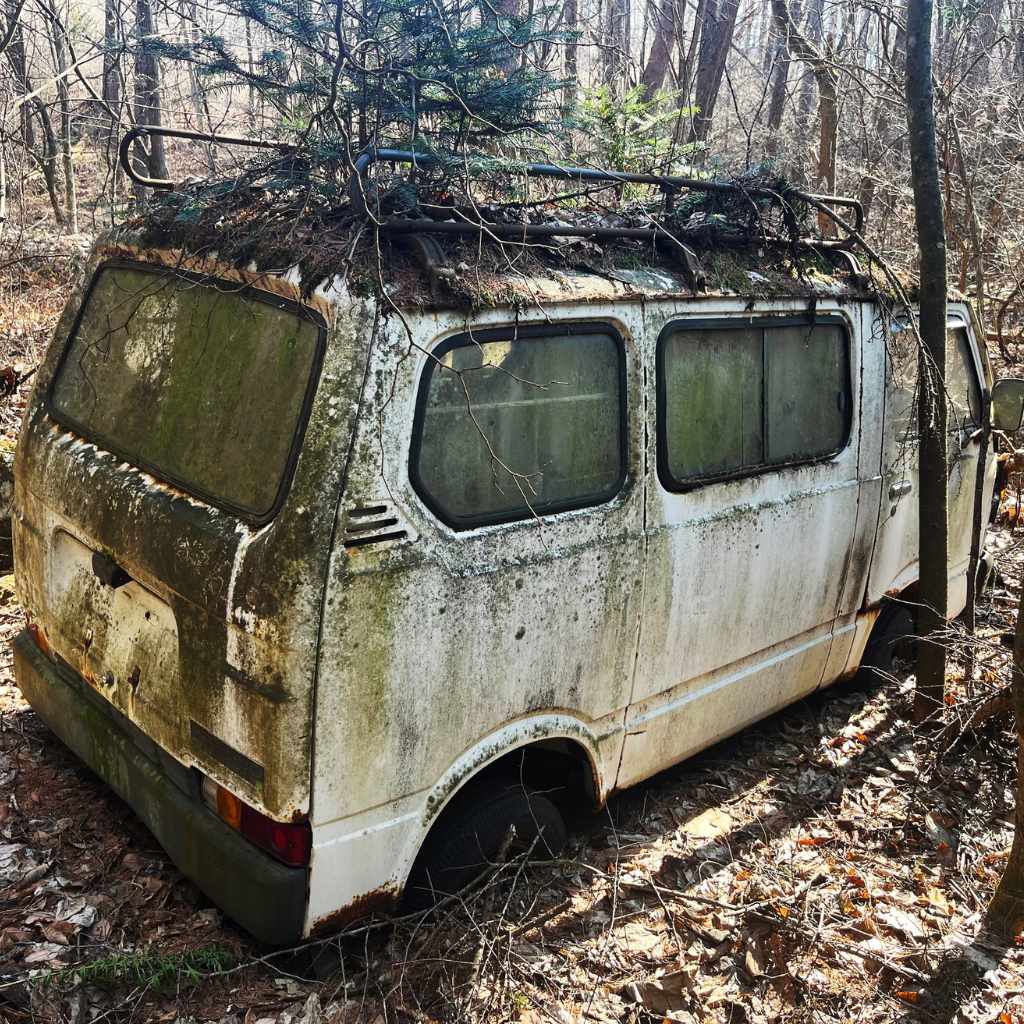
Spotting a car that looks like it’s been sitting for ages can spark an idea: could you just take it? It’s a common thought, especially for those who love a good project or need a vehicle. However, the reality of taking an abandoned car is far more complicated than it might first appear.
The idea often comes up when someone sees a car on private property, public land, or even just left on the street for an extended period, looking neglected and forgotten. This is where the question Can You Take an Abandoned Car? Legal Facts becomes super important.
Without knowing the rules, you could get yourself into serious trouble.
What Exactly Is an Abandoned Car?
Before we even think about taking a car, we need to know what “abandoned” really means in the eyes of the law. It’s not just about a car looking old or dirty. Typically, a car is considered abandoned when it has been left in a specific location for a certain amount of time without the owner showing any interest in it.
Different places have different rules about how long a car has to be left before it’s officially abandoned. It usually involves a vehicle that is inoperable or is a hazard to public health or safety.
The definition can also depend on where the car is located. A car on private property might be treated differently than one on a public street. Sometimes, the vehicle’s condition plays a role too.
If it’s clearly damaged, missing parts, or appears to be a safety risk, it’s more likely to be considered abandoned by authorities. Understanding these basics is the first step in figuring out if any car is truly up for grabs.

Why It’s Not As Simple As It Seems
The common misconception is that if a car looks abandoned, it’s free for anyone to claim. This simply isn’t true. There are legal owners, and just because you haven’t seen them in a while doesn’t mean they’ve given up all rights.
Taking a car without going through the proper channels can lead to accusations of theft or trespassing, which are serious offenses. The legal framework is there to protect property rights, even for items that appear neglected.
Many people get into trouble because they assume ownership based on appearance or duration of disuse. This often leads to legal disputes, fines, or even criminal charges. The process is designed to ensure that property is returned to its rightful owner or disposed of lawfully.
So, before you even think about touching a car that looks abandoned, you need to know the actual legal steps involved.
The Legal Process For Claiming An Abandoned Vehicle
If you are interested in a car that appears abandoned, whether it’s on your property or elsewhere, there’s a specific legal process you need to follow. This process varies by state and sometimes even by county or city. However, the general idea is to notify the proper authorities and allow them to try and find the owner or officially declare the vehicle abandoned.
Step 1 Notify The Authorities
The very first thing to do is contact your local law enforcement or the department responsible for handling abandoned vehicles. This might be your local police department, sheriff’s office, or a specific city or county agency. You’ll usually need to provide information about the car, such as its location, make, model, color, and license plate number if available.
They will then typically investigate.
Step 2 Official Investigation And Notice
Once you report the vehicle, authorities will usually investigate. They’ll try to identify the owner using the VIN (Vehicle Identification Number) and license plate information. If they locate the owner, they will notify them and give them a deadline to move the car or claim it.
If the owner cannot be found or doesn’t respond, the vehicle may be officially declared abandoned.
Step 3 Public Auction Or Disposal
After a car has been legally declared abandoned, it usually becomes the property of the state or local government. From there, it’s often sold at a public auction to recover any costs associated with towing, storage, and the process of declaring it abandoned. Sometimes, if it’s in very poor condition, it might be sent for scrap.
When Can You Legally Take An Abandoned Car?
It’s crucial to understand that “taking” an abandoned car often means buying it legally through an auction or obtaining a salvage title. You cannot simply drive it away. The only scenario where you might be able to claim a car directly without an auction is if it’s abandoned on your private property, and even then, there are specific procedures.
You’d likely still need to notify authorities and follow their guidelines to ensure you gain legal ownership.
If a car is on public property, like a street, your only legal path to ownership is typically through the government auction process. This ensures fairness and prevents individuals from claiming property that still legally belongs to someone else. The key takeaway is that “taking” usually involves a legitimate transaction, not just picking it up.
Can You Take A Car Abandoned On Your Property?
This is a common scenario. If a car is left on your private land without your permission and without the owner’s engagement, it can be frustrating. Most jurisdictions have laws specifically for abandoned vehicles on private property.
You generally cannot just tow it yourself or start using it.
You will need to follow specific steps:
- Document the vehicle and its location with photos.
- Contact your local law enforcement or a code enforcement office.
- They will usually initiate a process to find the owner and issue notices.
- If the owner cannot be found or doesn’t act, the property owner may have the right to have the car removed, often at the owner’s expense (which may be unrecoverable) or through a lien process.
- Sometimes, you might be able to acquire ownership after a set period of time and adherence to all legal requirements, but this is rare and highly dependent on local laws.
Can You Take A Car Abandoned On Public Property?
Taking a car that’s been abandoned on a public street or lot is even more restrictive. These vehicles are typically under the jurisdiction of the city or county. They will likely have a policy for removing vehicles that are derelict, unregistered, or have been left for an extended period.
The process usually involves:
- The authorities tagging the vehicle.
- Attempting to contact the registered owner.
- If no contact is made, the vehicle is towed to an impound lot.
- The owner has a limited time to reclaim the vehicle, usually paying towing and storage fees.
- If unclaimed, the vehicle is then typically sold at a public auction.
Therefore, you cannot simply “take” a car abandoned on public property. Your path to ownership is through purchasing it at auction.
The Risks Of Taking An Unclaimed Car Without Following Procedures
The risks associated with trying to claim an abandoned car without following the correct legal procedures are significant. These include:
- Theft Charges: You could be charged with grand theft auto or a similar offense, leading to fines and jail time.
- Trespassing: If the car is on private property that is not yours, you could face trespassing charges.
- Civil Lawsuits: The legal owner, if they reappear, could sue you for the value of their property or for damages.
- Fines: Local ordinances often carry hefty fines for illegally removing or tampering with abandoned vehicles.
- No Legal Ownership: Even if you manage to get the car, you won’t have legal title, meaning you can’t register it, insure it, or sell it. It can be seized at any time.
It’s essential to remember that the law protects property ownership. Jumping the legal steps means you are essentially taking someone else’s property, regardless of its condition or perceived abandonment.
Understanding Vehicle Identification Numbers (VIN) And Titles
A Vehicle Identification Number (VIN) is like a car’s social security number. It’s a unique 17-character code that identifies a specific vehicle. Law enforcement and title offices use the VIN to trace ownership, check for theft records, and verify its status.
When a car is legally declared abandoned and sold, a new title is issued. This title is proof of legal ownership.
Trying to obtain a title for a car you’ve taken without proper legal channels is impossible. A VIN check can reveal if a car has been reported stolen, has outstanding liens, or is otherwise encumbered. Purchasing a vehicle with a clear title is the only way to ensure you have legal rights to it.
An auction from a government agency usually provides a valid title, often a salvage title, which still allows for legal ownership and registration after repairs.
Salvage Titles Explained
When a vehicle is damaged significantly, often in an accident, an insurance company might declare it a total loss. In such cases, the vehicle is given a “salvage title.” This means the car is considered damaged beyond economic repair. However, it can often be repaired and then inspected by the state to receive a “rebuilt title” or “restored salvage title.
Abandoned vehicles that are sold at auction might also come with a salvage title, especially if they are in poor condition. This doesn’t mean you can’t own it. It means that once you’ve repaired it to a roadworthy state, it will need to undergo a rigorous inspection to get a rebuilt title.
This process ensures that the vehicle is safe for the road before it’s put back into use.
The Value Of Auctions
Government and police auctions are often the best and most legitimate way to acquire a car that has been declared abandoned. These auctions provide an opportunity to buy vehicles at potentially low prices. The key advantage is that the vehicles sold through these channels typically come with a clear title, or at least the necessary paperwork to obtain a legal title after purchase.
Attending these auctions requires some preparation. You’ll want to inspect the cars if possible, understand the auction terms, and know your budget. It’s a legitimate way to get a project car or even a daily driver if you find the right deal.
Always ensure you are bidding through official channels and receiving proper documentation of your purchase.
Alternatives To Taking An Abandoned Car
If your interest in an abandoned car stems from needing a vehicle or a project, there are other legal and straightforward options:
- Purchase Used Cars: Look at dealerships, online marketplaces, or private sellers. You can find reliable cars at various price points.
- Auctions: Besides government auctions for abandoned vehicles, there are also general auto auctions where you can buy vehicles with clear titles.
- Car Sharing or Public Transport: If your need is occasional, these might be more cost-effective solutions.
- Rentals: For short-term needs, renting a car is always an option.
These alternatives ensure you avoid the legal pitfalls and potential headaches associated with attempting to claim an abandoned vehicle illegally.

Frequently Asked Questions
Question: Can I just take a car that’s been sitting on the street for months?
Answer: No, you cannot simply take a car that has been sitting on the street for months. It is still considered property, and taking it without following proper legal procedures can lead to theft charges. You need to report it to local authorities who will then handle its removal and potential auction.
Question: What if the abandoned car is on my private property?
Answer: If an abandoned car is on your private property, you cannot just take it. You must follow your local laws, which typically involve reporting it to law enforcement or code enforcement. They will attempt to notify the owner and, if unsuccessful, may allow you to have it removed through a legal process, but not necessarily claim ownership directly without further steps.
Question: How can I legally buy an abandoned car?
Answer: The most common and legal way to buy an abandoned car is through a public auction conducted by local government or law enforcement agencies. These auctions are where vehicles that have been legally declared abandoned are sold to the public.
Question: Will I get a clean title if I buy a car at an auction?
Answer: It depends on the auction and the vehicle’s history. Often, cars from abandoned vehicle auctions will come with a salvage title, meaning they were declared a total loss or are in poor condition. You may be able to get a rebuilt title after repairs and inspection.
Always confirm the type of title you will receive before bidding.
Question: What are the penalties for taking an abandoned car illegally?
Answer: Penalties can be severe and include charges for theft, trespassing, and fines. You could face significant legal trouble, including criminal charges and civil lawsuits from the rightful owner, as well as substantial fines.
Final Thoughts
Exploring the question of Can You Take an Abandoned Car? Legal Facts reveals that it’s never as simple as just taking what looks unclaimed. Ownership is protected by law, and there are specific processes for dealing with vehicles that appear to be left behind.
Whether a car is on public land or private property, there are official channels to follow. These usually involve reporting the vehicle to the authorities, who then attempt to locate the owner. If the owner is found and doesn’t respond, or if they cannot be found, the vehicle is often declared abandoned and may be sold at public auction.
This auction process is the primary legal route for individuals to acquire such vehicles. For those interested in abandoned cars, understanding these legalities is key to avoiding serious trouble. Look into local government auctions and ensure you get a proper title after any purchase.
Many resources exist to help you find legal alternatives if you need a vehicle.