What Is the Voltage of a Car Cigarette Lighter? (12V DC Explained)
A car’s cigarette lighter socket runs on 12 volts DC — typically 11.5V with the engine off and up to 14.7V while running, per the ISO 4165/SAE J563 standard. Plug in a device rated for a different voltage without an adapter and you can instantly fry it or blow a 10-20A fuse. This guide covers the voltage range, fuse and wattage limits, why voltage dips at startup, and how to pick a compatible charger or inverter.
Quick Answer
A car cigarette lighter socket supplies 12 volts DC, fluctuating roughly between 11.5V (engine off) and 14.7V (engine running). It’s protected by a 10A, 15A, or 20A fuse, capping output at 120–240 watts. Voltage can briefly dip to 5–6V while the engine cranks, which is why some USB devices reboot at startup. Always match a device’s rated voltage — usually 5V for USB gear — before plugging it in without an adapter.
The Standard Voltage for Car Power Outlets
In almost all passenger vehicles worldwide, the standard voltage supplied by the car’s electrical system and delivered through the cigarette lighter socket is 12 volts. This 12-volt system is a universal standard for automotive electrical components. It’s designed to power everything from your headlights and radio to the various accessories you might plug into the cigarette lighter port.
This 12-volt DC (Direct Current) power is the same type of electricity that many small electronic devices use. However, it’s important to remember that the actual voltage can fluctuate slightly. It might be a little lower when the engine is off and the battery is the sole power source, and it can be a bit higher when the engine is running and the alternator is charging the battery.
This range is typically between 11.5 volts and 14.7 volts, but for practical purposes and device compatibility, 12 volts is the number to keep in mind.
Fuse Rating and Maximum Wattage: How Much Power Can It Handle?
The cigarette lighter circuit is protected by a fuse, and that fuse’s amperage — not just the 12-volt rating — determines how much power the socket can actually deliver before it shuts the circuit down. Most vehicles use a 10A, 15A, or 20A fuse for this circuit, and you can calculate the wattage ceiling with a simple formula: amps × volts = watts.
| Fuse Rating | Max Wattage (12V) | Typical Use |
|---|---|---|
| 10A | ~120W | Phone/GPS chargers, small USB devices |
| 15A | ~180W | Dash cams, USB hubs, small coolers |
| 20A | ~240W | Larger inverters, air compressors, tire pumps |
Sustained draw should stay well under the fuse’s rated maximum — running a device at the theoretical ceiling for long periods generates heat and wears down the socket’s contacts and wiring. Check your car’s fuse box diagram or owner’s manual to confirm the exact amperage used for your vehicle, since it varies by make and model. A plug-in cigarette lighter heater is a good real-world example — many draw close to 150W, which is already near a 15A fuse’s ceiling.
Best Voltage-Display Charger Pick
Jebsens USB-C Car Charger With Voltage Display (30W PD/QC)
Plugs into any cigarette lighter socket and shows the live input voltage on an LED display while fast-charging your device.
- Best for: Anyone who wants to see the exact real-time voltage a cigarette lighter socket is delivering
- Why we picked it: It combines the article’s core topic — live 12V/24V readout — with 30W USB-C PD/QC fast charging
- Main drawback: The digital display adds slight bulk versus a bare charger and isn’t needed if you just want power
Compare more cigarette lighter accessory options
 Option 1 BESTEK 150W Power Inverter (12V DC to 110V AC)
|
 Option 2 Liamner 120-Piece Mini Blade Fuse Assortment Kit
|
 Option 3 4-Port 90W USB-C Fast Car Charger
|
As an Amazon Associate we earn from qualifying purchases.
Why Does the Voltage Drop When You Start the Engine? (Cranking Sag)
The 11.5–14.7V range covers normal driving, but voltage briefly drops much lower the instant you turn the key. Cranking the starter motor pulls a huge burst of current from the battery, and system voltage can sag to as low as 5–6V for a fraction of a second before settling back to normal.
This is why some dash cams, GPS units, or USB chargers plugged into the cigarette lighter socket reboot or flicker every time you start the car — the device reads the dip as a power loss. A hardwire kit with a built-in low-voltage cutoff, or simply plugging the accessory into an always-on “battery” outlet instead of an ignition-switched one, usually solves it.
📊 System voltage can dip as low as 5–6V for a moment while the starter motor cranks — low enough that many USB accessories briefly lose power and reboot. Source: Automobile auxiliary power outlet, Wikipedia
Why 12 Volts Is the Standard
The 12-volt system tied to your car’s battery didn’t happen by accident — the automotive industry settled on it for several good reasons.
- Efficiency and Weight: Higher voltages would require thicker, heavier wiring to handle the same amount of power safely, making vehicles heavier and less fuel-efficient. Lower voltages would demand more current for the same power output, also leading to thicker wires and more heat loss. 12 volts strikes a good balance.
- Battery Technology: Lead-acid batteries, which have been the standard for car batteries for a long time, naturally operate well at around 12 volts. A typical car battery consists of six cells, each producing about 2 volts, totaling 12 volts.
- Component Availability: Many electronic components, especially those designed for mobile applications, are manufactured to work with or be easily adapted to a 12-volt DC power supply. This standardization makes it easier and cheaper to produce and integrate various electronic systems in vehicles.
- Safety: While 12 volts can still cause a shock, it is generally considered a safer low voltage for use in environments where users might be exposed to it, especially in wet conditions like inside a car.
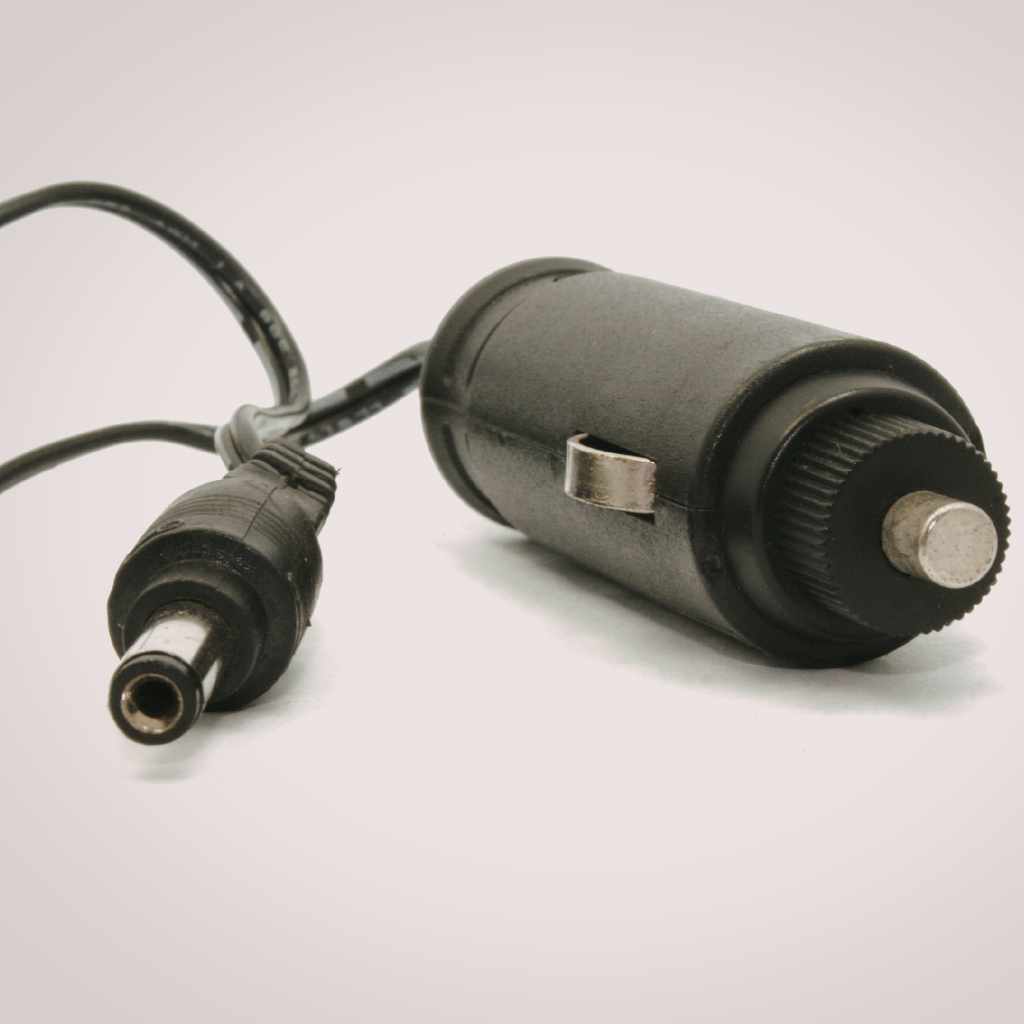
The Official Name for This Port: ISO 4165 and SAE J563
The “cigarette lighter socket” is also an official connector standard. ISO 4165 is the international standard for this port, while SAE J563 is the equivalent US standard — both describe a double-pole DC connector built to a specific size so that plugs and sockets from different manufacturers stay interchangeable.
“This standard specifies the dimensions and electrical characteristics of the double-pole connection required for the interchangeability of the electrical connections used to supply additional appliances in road vehicles with a nominal supply voltage of 12V or 24V DC at up to 12 amps.”
DC vs. AC Power
It’s crucial to understand that the power from your car’s cigarette lighter socket is Direct Current (DC). This means the electricity flows in one direction. Most of the electronic devices you’ll plug in, like phone chargers and GPS units, are designed to run on DC power or come with adapters that convert the car’s DC power to the specific DC voltage their internal components need.
Some devices, however, require Alternating Current (AC) power, like the kind you get from a wall outlet in your home. For these devices, you’ll need a power inverter. A power inverter plugs into the cigarette lighter socket and converts the car’s 12-volt DC power into 120-volt AC power (or 230-volt AC depending on your region).
These inverters have different power ratings, so you need to choose one that matches the wattage of the device you want to power.
Using Adapters and Inverters
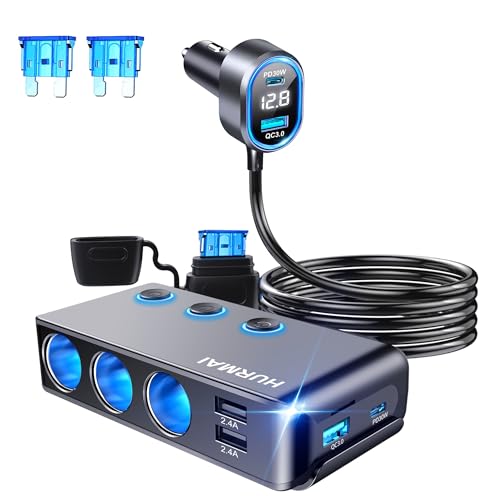
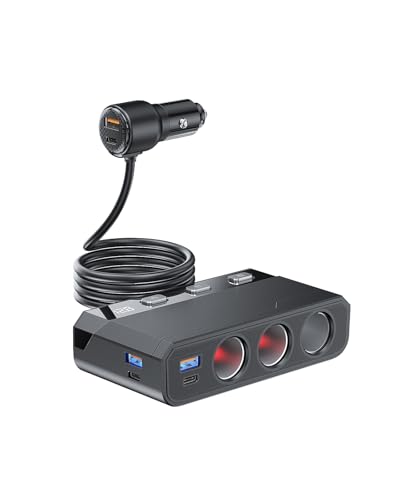
When you buy a charger or accessory for your car, it’s usually designed specifically for the 12-volt DC system. These are often called “car chargers” or “DC adapters.” They typically have a plug that fits directly into the cigarette lighter socket and an internal circuit to regulate the voltage for your device, often converting the 12V down to 5V for USB devices — the same idea used by a multi-port USB car hub.
If you have a household appliance that you want to use in your car, you will need an inverter. These devices vary in their capacity to deliver power. A small inverter might be enough to charge a laptop, while a larger one could power a small appliance like a blender or a portable refrigerator.
Always check the wattage requirements of your device and ensure the inverter can supply that power. Overloading an inverter or the car’s electrical system can lead to blown fuses or damage.
Cigarette Lighter Socket vs. USB and AC Outputs
| Output Type | Voltage | Adapter Needed |
|---|---|---|
| Cigarette lighter socket | 12V DC (11.5–14.7V) | None — native output |
| USB-A port | 5V DC | DC-DC step-down converter (built into most car chargers) |
| USB-C PD port | 5–20V DC (negotiated with device) | DC-DC converter with a PD controller chip |
| Household AC (via inverter) | 120V AC (or 230V AC) | Power inverter rated for the device’s wattage |
What Happens If I Plug In the Wrong Device?
Plugging a device designed for a different voltage or type of current (AC instead of DC) directly into the cigarette lighter socket without the correct adapter or inverter can lead to several problems:
- Device Damage: If a device requires a different voltage (e.g., 5 volts for a USB device, but it receives 12 volts), it can be instantly damaged. The internal components can burn out due to overvoltage.
- Fuse Blowing: Cars have fuses to protect the electrical system. If you plug in a device that draws too much current or creates a short circuit, it will likely blow a fuse. This is a safety mechanism to prevent more serious damage. See why car fuses keep blowing if it happens repeatedly.
- Inverter Overload: If you try to power a device with a higher wattage than your inverter can handle, the inverter might shut down, overheat, or even be damaged.
- Car Electrical System Issues: In rare cases, a severe short circuit or faulty device could potentially cause issues with other parts of the car’s electrical system, although modern cars have good protective measures.
Troubleshooting Common Issues
If your cigarette lighter socket isn’t providing power, work through these steps in order:
- Check for a Blown Fuse: This is the most frequent cause. Check your car’s owner’s manual to locate the fuse box and identify the fuse for the cigarette lighter (it might be labeled “CIG,” “ACC,” “12V,” or something similar). Visually inspect the fuse; if the metal filament inside is broken, it needs to be replaced with a new fuse of the same amperage rating.
- Confirm the Socket Has Power in the ACC Position: Sometimes the socket is wired to only receive power when the ignition is turned on (ACC position). Try turning the key to the ACC position or starting the engine to see if power is restored.
- Inspect the Socket for Damage or Corrosion: The internal contacts within the socket might be bent or corroded, preventing a good connection. You may need to clean the contacts or, in some cases, replace the socket itself.
- Test With a Different Accessory: The device or adapter you are trying to use might be faulty rather than the car’s socket. Try plugging in a different known-working accessory to confirm where the fault actually is.
Compatibility and Device Ratings
When selecting car accessories, always check their power requirements.
- Input Voltage: For car chargers, ensure they are designed for 12V DC input. Most will list a range like “DC 12V-24V,” which means they can work in both standard 12V cars and larger 24V trucks.
- Output Voltage and Amperage: For USB chargers, look at the output specifications. Standard USB is 5V. The amperage (mA or A) indicates how fast it can charge. Higher amperage means faster charging for compatible devices.
- Wattage: For inverters, the wattage rating is critical. This tells you the maximum power the inverter can supply. Ensure it exceeds the wattage of the device you intend to power. Some chargers even let you check exact amp and volt settings before you buy.
The Difference Between Cigarette Lighter Sockets and Other 12V Outlets
You might notice that some cars have multiple 12V power outlets. While they all generally supply 12 volts, there can be subtle differences:
- Accessory (ACC) vs. Battery (BATT): Some outlets are wired to only work when the ignition is in the accessory (ACC) position or the engine is running. Others are wired directly to the battery and are always on (BATT). Outlets that are always on can drain your car battery if you leave devices plugged in.
- Fused Circuits: Different outlets might be on separate fuse circuits, meaning one might still work if another’s fuse blows.
- Dedicated Outlets: Some newer cars have dedicated USB ports, which are specifically designed to provide a stable 5V output for charging smartphones and tablets. These are often separate from the traditional cigarette lighter socket.
- 12V vs. 24V Systems: Passenger cars run 12V, but heavy trucks and commercial vehicles commonly run 24V systems. The ISO 4165 standard covers both, so look for a plug or adapter rated “12V-24V” if you split time between the two.
Can I Use My Phone Charger in the Car?
Yes, absolutely, but you need the right type of charger. You cannot plug your standard home phone charger (which is designed for wall outlets) directly into the car’s cigarette lighter socket. You need a dedicated car charger that plugs into the cigarette lighter and provides a USB port.
These car chargers convert the car’s 12V DC power to the 5V DC needed by most smartphones and tablets.
Many car chargers also have surge protection and intelligent charging capabilities to prevent overcharging or damaging your phone’s battery. When buying a car charger, check that it specifies compatibility with your phone model and offers sufficient amperage for efficient charging.
Powering Laptops in Your Car
Powering a laptop in your car typically requires more power than a standard USB car charger can provide. There are two main ways to do this:
- Laptop Car Chargers: These are specific adapters designed to plug into the cigarette lighter socket and provide the correct voltage and wattage for your laptop. They are often adjustable or come with a set of tips to fit different laptop brands.
- Power Inverter: You can use a power inverter to convert the car’s 12V DC to 120V AC (or 230V AC). Then, you can plug your laptop’s original AC power adapter into the inverter. Ensure the inverter’s wattage is sufficient for your laptop’s power adapter.

Frequently Asked Questions
What is the main voltage found in a car’s cigarette lighter socket?
The standard voltage for a car’s cigarette lighter socket is 12 volts DC, generally ranging from about 11.5V with the engine off to roughly 14.7V while the engine is running and the alternator is charging the battery.
Can I plug my home electronics into the cigarette lighter socket?
No, you cannot directly plug in home electronics designed for wall outlets. You need a power inverter to convert the car’s 12V DC to AC power, or a specific 12V DC car adapter built for your device.
What happens if I plug a 5V device into a 12V socket without an adapter?
Plugging a device expecting 5V directly into a bare 12V socket will likely damage it instantly due to overvoltage. Always use a car charger or adapter that steps the voltage down first.
How do I know if my car charger is compatible?
A compatible car charger will explicitly list “12V DC input” (sometimes shown as “DC 12V-24V”) and provide the correct output connector, such as a USB-A or USB-C port, for your device.
Why are there fuses for the cigarette lighter socket?
Fuses protect the car’s electrical wiring from excessive current by melting and breaking the circuit before heat can damage the wiring or start a fire. Most cigarette lighter circuits use a 10A, 15A, or 20A fuse.
Is a car’s cigarette lighter socket 12V or 24V?
Passenger cars use a 12V DC socket, while many commercial trucks run a 24V electrical system instead. The ISO 4165 standard covers both, which is why universal 12V-24V adapters exist.
Why does my dash cam or GPS reset when I start the car?
Cranking the starter motor can pull the electrical system’s voltage down to as low as 5-6V for a split second, and many USB devices interpret that dip as a power loss and reboot. A hardwire kit with a low-voltage cutoff can prevent this.
Final Thoughts
The 12-volt DC power supplied by your car’s cigarette lighter socket is a versatile source for many electronic needs. Knowing this standard voltage — and its 10–20A fuse limits — helps you choose the right accessories and avoid damaging your devices, whether you’re charging your phone, powering a GPS, or using a small appliance with an inverter.
Always look for accessories clearly marked for automotive use and verify their input and output specifications. If you encounter an issue, a blown fuse is often the culprit — checking your car’s manual is the best first step.
Products related to this article
Sponsored / affiliate links. As an Amazon Associate I earn from qualifying purchases. I may earn additional commission from eligible campaigns.