How to Scrap a Car Without a Title: A Complete Guide
Scrapping a car without a title can seem like a daunting task, but it’s often a necessary step for vehicles that are old, damaged beyond repair, or have been stolen and recovered. Many people face this situation when they want to responsibly dispose of an old vehicle and potentially get some cash for it, only to realize they’ve misplaced or never received the title. This comprehensive guide will walk you through the entire process, from understanding the legalities to finding a reputable scrap yard that can help you, even without the official ownership document.
Simply put, scrapping a car without a title usually involves obtaining a “letter of destruction” or a sworn affidavit from your local Department of Motor Vehicles (DMV) or equivalent agency, proving you have the legal right to scrap the vehicle, even if you don’t have the physical title document. You’ll then need to find a scrap yard willing to accept this documentation and process the vehicle.
Key Takeaways
- Scrapping a car without a title is possible, but requires specific documentation from your local DMV.
- You will likely need a sworn affidavit or a “letter of destruction” to prove ownership and your right to scrap the vehicle.
- Not all scrap yards accept vehicles without titles; research and call ahead to confirm their policies.
- Prioritize responsible disposal to ensure environmental compliance and avoid legal repercussions.
- The process may vary slightly depending on your state or local regulations.
What is a Car Title and Why is it Important for Scrapping?
A car title, officially known as a Certificate of Title, is a legal document that proves ownership of a vehicle. It contains vital information such as the vehicle’s make, model, year, VIN (Vehicle Identification Number), and the owner’s name and address. For most vehicle transactions, especially sales and permanent removal from registration, a title is absolutely essential.
It acts as the key to transferring ownership and confirming that the seller has the legal right to sell or dispose of the vehicle.
When you intend to scrap a car, the title is crucial because it signifies your legal authority to sell the vehicle for parts or scrap metal. Without it, a scrap yard or junkyard cannot legally take possession of the vehicle, as they need to ensure they are not dealing with stolen property or a vehicle that someone else still legally owns. The title is also often required for the scrap yard to properly register the vehicle as “junked” or “destroyed” with the state, which helps to remove it from public records and prevent future liability for the owner.
However, life happens, and sometimes titles get lost, damaged, or were never properly transferred. This can include inherited vehicles, vehicles bought without a title (which is generally not recommended), or vehicles that have been sitting on a property for years. Fortunately, most jurisdictions understand that titles can go missing and have established procedures to help owners legally dispose of their vehicles even in these situations.
The core principle remains the same: you need to prove your legal right to the vehicle.
Understanding the Challenges of Scrapping Without a Title
The primary challenge when you don’t have a car title is proving legitimate ownership. Scrap yards are businesses that operate under strict regulations. They need to ensure that the vehicles they process are not stolen or that there aren’t outstanding liens on the vehicle.
A title serves as the primary proof of ownership, so its absence immediately raises a red flag.
Some scrap yards might have a “no title, no service” policy. This is their way of protecting themselves from legal repercussions and ensuring they comply with state laws. They want to avoid buying or processing a vehicle that could be claimed by someone else.
Even if you are the rightful owner, demonstrating this without the title requires extra effort and documentation.
Another challenge can be the process itself, which can sometimes be time-consuming and involve navigating bureaucratic procedures. Different states have different rules and require different forms. This means you can’t just assume the process in one state will be the same in another.
Additionally, the effort required might sometimes outweigh the potential scrap value of a less valuable vehicle, making it a decision that requires careful consideration of both time and potential financial return.
Steps to Scrapping Your Car Without a Title
When you find yourself needing to scrap a car but missing the title, don’t despair. There’s a structured approach to tackle this. The first and most crucial step is to contact your local Department of Motor Vehicles (DMV) or equivalent state agency.
They are the ultimate authority on vehicle titles and registration and can guide you through the correct procedure for your specific location.
At the DMV, you’ll typically need to explain your situation. Be prepared to provide as much information as possible about the vehicle, including its VIN, license plate number (if you still have it), and any purchase documentation you might have. The DMV will then guide you on obtaining a duplicate title, a “letter of destruction,” or a sworn affidavit.
Each of these documents serves as legal proof that you are authorized to dispose of the vehicle.
Once you have the necessary documentation, the next step is to find a reputable scrap yard. Not all yards are equipped or willing to handle vehicles without a traditional title. It’s advisable to call several yards beforehand to explain your situation and confirm their acceptance of the specific documents you’ve obtained from the DMV.
Be ready to provide the VIN and other identifying information over the phone.
- Contact Your Local DMV: This is the absolute first step. Explain that you need to scrap a car but do not have the title.
- Inquire About Procedures: Ask about obtaining a replacement title, a “letter of destruction,” or a sworn affidavit of ownership.
- Gather Required Information: Be prepared with the VIN, license plate number, and any proof of prior ownership you might possess.
- Complete Necessary Forms: Fill out any applications or affidavits the DMV requires. This may involve a fee.
- Obtain Official Documentation: Receive the official letter or affidavit from the DMV that authorizes you to scrap the vehicle.
- Research Scrap Yards: Identify local scrap yards and ask about their policy on accepting vehicles without titles.
- Confirm Acceptance of Documents: Ensure the scrap yard will accept the specific documentation you received from the DMV.
- Schedule Vehicle Pickup or Drop-off: Arrange for the car to be towed to the scrap yard or if they offer pickup services.
- Complete Bill of Sale/Destruction: The scrap yard will likely have you sign a document confirming the car’s disposal.
Obtaining a Duplicate Title or Letter of Destruction
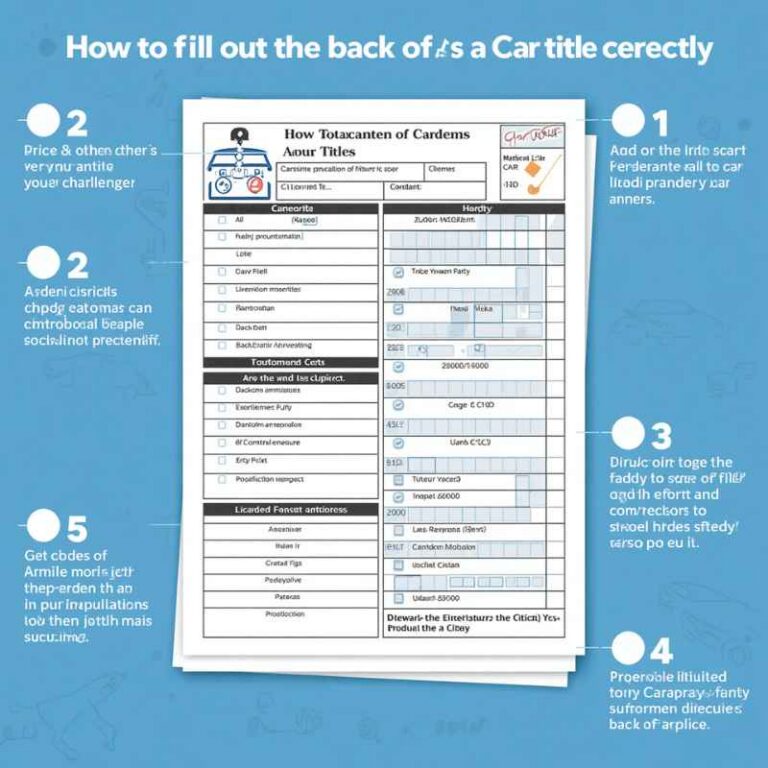
The process for getting a duplicate title or a “letter of destruction” varies significantly by state. In many cases, you’ll need to fill out a specific form provided by your state’s Department of Motor Vehicles (DMV), often called an Application for Duplicate or Lost Title. This form will typically require you to provide detailed information about the vehicle, including the VIN, make, model, and year.
You will also need to prove your identity and, in some instances, your relationship to the vehicle.
Some states might require a sworn affidavit, which is a legal document where you attest under oath that you are the rightful owner of the vehicle and that the title has been lost or is otherwise unavailable. This affidavit is often notarized. In other jurisdictions, a “letter of destruction” might be issued.
This letter serves as official confirmation from the state that the vehicle is authorized for scrapping and will be permanently removed from registration records.
There is usually a fee associated with obtaining a duplicate title or a letter of destruction. This fee varies by state but is generally nominal compared to the value of scrapping a car or the potential legal complications of not having proper documentation. It’s essential to check your specific state’s DMV website or contact them directly to understand the exact forms, requirements, fees, and processing times involved.
Some states may also have waiting periods or require proof that you have searched for the original title.
| Document Type | Purpose | Typical Requirements | Availability |
|---|---|---|---|
| Duplicate Title | Replaces a lost or damaged original title. | Title application, VIN, proof of identity, fee. | Most states offer this. |
| Letter of Destruction | Official authorization to scrap a vehicle. | Proof of ownership, VIN, application, fee. | Varies by state; some issue this directly. |
| Sworn Affidavit/Declaration | Legal statement of ownership when title is unavailable. | Completed form, notarization, VIN, proof of identity. | Commonly accepted by DMVs. |
This table outlines the different types of documentation you might need. Always confirm the specific requirements with your local DMV.
Finding a Reputable Scrap Yard
Once you have your documentation in order, the next critical step is finding a scrap yard that will accept your car. Not all junkyards or auto recyclers operate under the same policies. Some may be very strict about requiring a physical title, while others are more flexible and will work with properly authorized documentation from the DMV.
It is crucial to do your homework and call ahead.
When you call a scrap yard, be upfront about your situation. Clearly state that you need to scrap a car but do not have the physical title, and that you have obtained from the DMV. Ask them if they accept this type of documentation.
Inquire about their specific requirements, such as whether they need the original document or a copy, and if they handle the state’s paperwork for junking the vehicle.
Look for yards that are licensed and certified by your state. This ensures they operate legally and adhere to environmental regulations. Online reviews, local recommendations, and checking with your state’s environmental protection agency or automotive licensing board can help you find reputable businesses.
A good scrap yard will also provide you with a bill of sale or a receipt for the transaction, detailing the VIN and confirming the vehicle has been processed for scrap, which is important for your records.
What to Expect When You Sell Your Car for Scrap
When you arrange to scrap your car, even without a title, you can expect a straightforward process once you’ve found the right yard. The scrap yard will typically provide an estimate for your car based on its weight and the current market value of scrap metal, as well as any salvageable parts. The VIN is critical here, as they will verify the car’s identity against your documentation.
If you’re having the car picked up, they will arrange a time for their tow truck to collect the vehicle. Ensure the car is accessible. If you’re dropping it off, drive it there if possible, or arrange for a tow.
Upon arrival, they will inspect the vehicle and confirm it matches the paperwork you’ve provided. They will then have you sign a release form or bill of sale, which officially transfers ownership to them for scrapping.
Payment methods vary. Some yards pay in cash on the spot, while others might issue a check. Be aware of common scams; a legitimate yard will be transparent about their pricing and payment process.
They will also handle the necessary paperwork to officially “junk” the vehicle with the state, which involves submitting the title (or the equivalent documentation you provided) to the DMV to have it permanently removed from registration. This protects you from any future liability associated with the vehicle.
| Aspect | Description |
|---|---|
| Vehicle Appraisal | Based on weight, scrap metal prices, and salvageable parts. VIN is verified. |
| Paperwork for You | Bill of Sale or receipt provided by the scrap yard. |
| Paperwork for State | Scrap yard submits documentation to DMV to officially junk the vehicle. |
| Payment | Typically cash on the spot or a check, depending on the yard. |
| Liability Release | Signed receipt confirms transfer of ownership and responsibility. |
This table summarizes what to expect during the transaction itself. Always ensure you receive proper documentation.
Legal and Environmental Considerations
Scrapping a vehicle improperly can lead to significant legal and environmental consequences. Simply abandoning an old car or dismantling it yourself without following regulations can result in fines and penalties. Auto recycling facilities are equipped to handle hazardous materials like oil, antifreeze, and batteries, preventing them from contaminating soil and water sources.
Many states have laws requiring vehicles to be officially declared “junked” or “destroyed” with the DMV once they are scrapped. This process removes the vehicle from public registration records, meaning you are no longer responsible for taxes, insurance, or potential parking tickets associated with it. The documentation you obtain from the DMV and the receipt from the scrap yard are crucial for proving you’ve complied with these laws.
Environmentally, responsible scrapping is vital. Reputable auto recyclers adhere to strict guidelines for draining fluids, removing refrigerants, and recycling materials like metal, plastic, and glass. According to the Environmental Protection Agency (EPA), the automotive recycling industry recovers millions of tons of materials annually, significantly reducing the need for raw material extraction and conserving natural resources.
Choosing a certified and environmentally conscious scrap yard is therefore paramount.
Tip: Before you start, check your state’s Department of Environmental Protection website for a list of licensed auto recyclers. This can help you find yards that meet environmental standards.
Frequently Asked Questions
What if the car was stolen and recovered without a title?
If a car was stolen and recovered by law enforcement without a title, the process usually involves working with both the police department and the DMV. Law enforcement may provide documentation confirming its recovery status. You will still likely need to follow the DMV’s procedure for obtaining a “letter of destruction” or similar authorization based on your proof of ownership (if any) and the recovery report.
Can I sell parts from the car before scrapping it?
Yes, you can often sell salvageable parts from your car before scrapping it, provided you have the legal right to do so and are complying with local regulations regarding dismantling vehicles. However, you will still need to address the title issue for the remaining shell of the car before it can be scrapped or sold as scrap metal.
How much money can I expect to get for scrapping a car?
The amount you receive for scrapping a car depends on several factors, including the car’s weight, the current market price of scrap metal, and whether it has valuable salvageable parts. Generally, older cars in poor condition might fetch anywhere from $200 to $500, but this can vary widely. The process of scrapping without a title typically doesn’t reduce the scrap value itself, as that’s based on the material weight.
Are there any fees involved in scrapping a car without a title?
Yes, there can be fees involved. The primary fees are usually associated with obtaining a duplicate title or a “letter of destruction” from your state’s DMV. These fees are typically modest, ranging from $10 to $50, depending on the state.
The scrap yard itself usually pays you, rather than charging you, for the vehicle’s scrap value.
What happens if I try to scrap a car without any proper documentation?
Attempting to scrap a car without any form of ownership documentation or DMV authorization can lead to legal trouble. You could be accused of possessing stolen property, and legitimate scrap yards will refuse service. Furthermore, the vehicle will remain associated with your name in state records, leaving you liable for any future incidents involving the car.
Final Thoughts
Scrapping a car without a title is a manageable process when approached methodically. By working closely with your local DMV to secure the necessary legal documentation and by diligently researching and communicating with potential scrap yards, you can ensure a compliant and responsible disposal of your vehicle. This ensures you avoid future liabilities and contribute to environmental protection.
Products related to this article
Sponsored / affiliate links. As an Amazon Associate I earn from qualifying purchases. I may earn additional commission from eligible campaigns.