What Is Frame Damage on a Car? Signs and Repair Cost
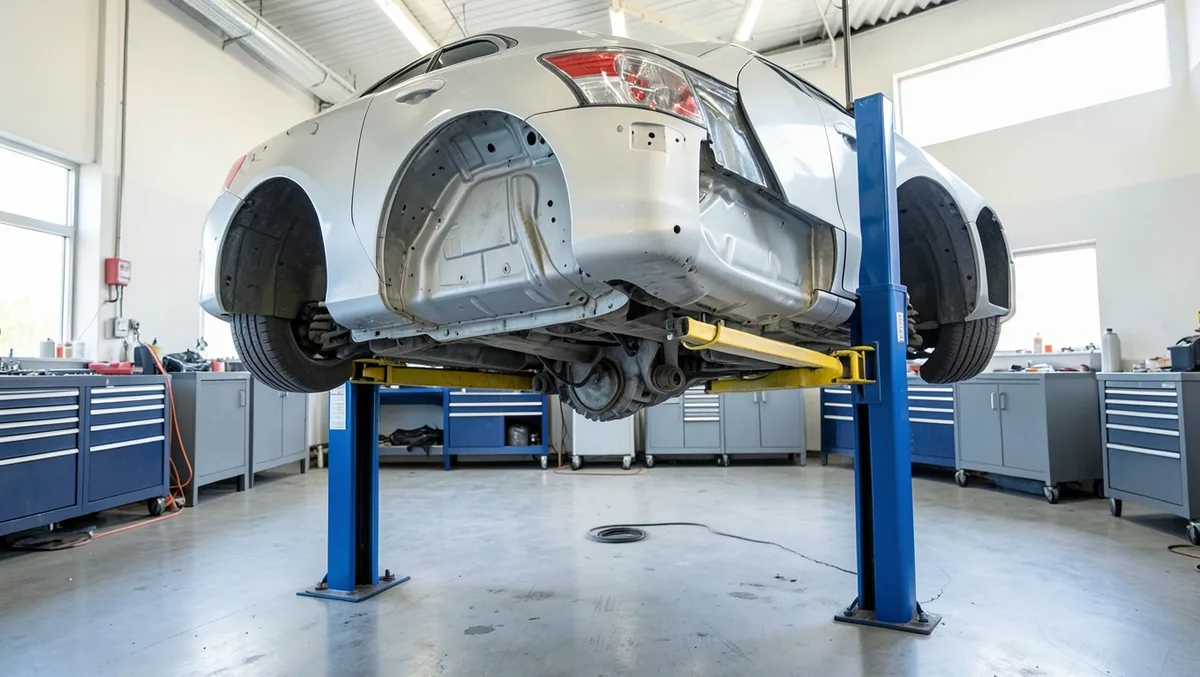
Frame damage means a car’s structural rails, crossmembers, or pillars are bent, cracked, or twisted — the load-bearing skeleton that holds the vehicle together, not just a dented fender or bumper cover.
It happens most often in a moderate-to-severe collision, but rust and corrosion can weaken the same structure over years without a single crash. A car with frame damage can drift under braking, wear tires unevenly, and absorb crash energy poorly in a second accident, so shops treat it very differently from ordinary body work. Here’s how it’s diagnosed, what it costs to fix in 2026, and when a bent frame means the car should be walked away from instead.
What “Frame Damage” Actually Means (Unibody vs. Body-on-Frame)
BEST FOR INSPECTING A USED CAR BEFORE YOU BUY
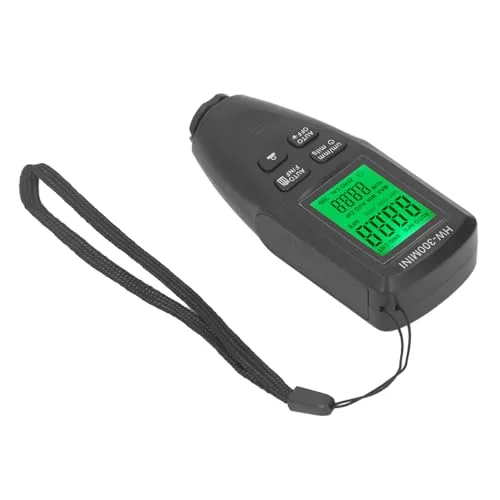 |
CFTGIW Paint Thickness Gauge – $21.60 A quick reading over each body panel flags repainted metal that can be hiding an old frame repair, before you commit to buying a used car.
|
Most people picture frame damage as a bent ladder-frame like the one under a pickup truck, but the majority of cars on the road today use unibody construction, where the body panels and structural frame are welded into a single rigid shell instead of being bolted to a separate chassis. On a unibody car, “frame damage” really means the structural rails, front and rear subframes, crossmembers, or the mounting points that hold the suspension and drivetrain have bent, buckled, or cracked. Insurance adjusters and body shops still use the word “frame” for both designs because the underlying question is identical: is the load-bearing structure that keeps the car’s dimensions and crash-energy paths intact still straight? Pickup trucks, body-on-frame SUVs like the Jeep Wrangler and Ford Bronco, and most older vehicles are the exception — they still ride on a true separate steel frame rail assembly bolted underneath the body.
Types of Frame Damage
Shops generally sort frame damage into four patterns. A twisted frame is knocked out of square on one corner, so the car sits with a visible lean and the wheels no longer track in the same plane. A sagging frame droops in the middle, usually from years of overloading or a hard hit to the underbody, and shows up as uneven ride height side to side. A mashed frame is what a head-on or rear-end collision produces — the front or rear rail accordions inward, shortening the wheelbase on that end. A sway (or shift) frame comes from a side impact and pushes one side of the structure out of alignment with the other, which is often the hardest to spot without a frame machine because the car can still look straight from the outside. Each pattern calls for a different pulling and measuring approach, which is why an accurate diagnosis matters as much as the repair itself.
What Causes Frame Damage
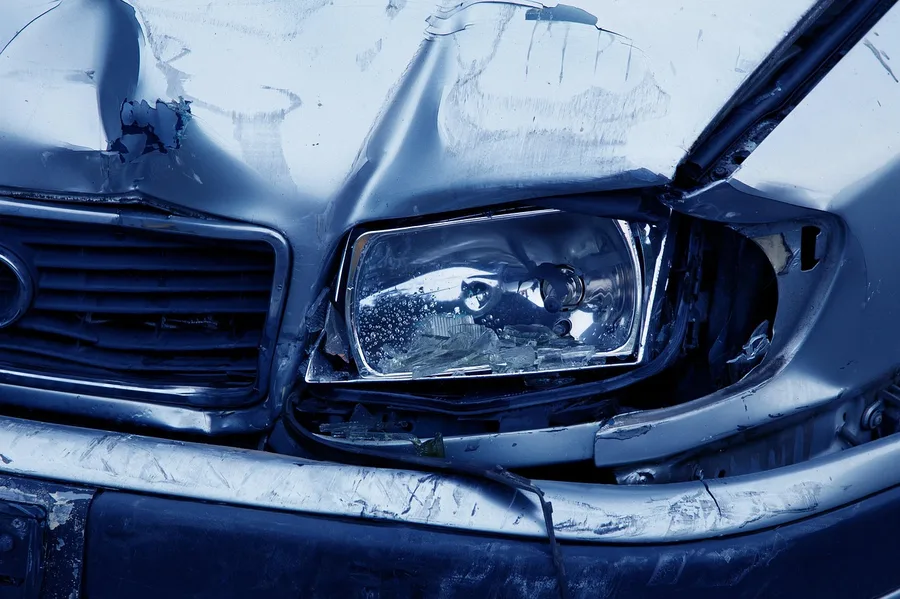
Collisions cause the vast majority of frame damage, and it doesn’t take a high-speed crash to do it — a moderate hit to a corner of the car can transmit enough force to bend a rail even when the visible body damage looks minor. Rust is the other major cause, and it works far more slowly: road salt, standing water, and years of exposure eat through frame rails from the inside out, especially in states that salt roads heavily in winter. A rusted-through rail can crack or fold under normal driving loads with no collision at all, which is why older vehicles from rust-belt states get flagged for frame corrosion during a pre-purchase inspection even with a clean accident history.
Signs of Frame Damage
The most reliable visual clue is uneven panel gaps — doors, the hood, or the trunk lid that sit crooked, won’t latch smoothly, or show a wider gap on one side than the other. Misaligned headlights, a bumper that sits at an angle, or fresh paint that doesn’t quite match its neighbor are also worth a closer look, since a repainted panel can be covering old collision repair. Behind the wheel, a car with a bent frame often pulls to one side even with the steering wheel centered, wears its tires unevenly despite a recent alignment, and can feel unstable or vague at highway speed. Persistent vibration, new creaks or rattles over bumps, and an alignment that won’t hold are all downstream symptoms of a frame that isn’t square anymore.
How Frame Damage Affects Vehicle Safety
A car’s frame is engineered with specific crumple zones and load paths so that, in a crash, the structure absorbs energy in a predictable pattern and keeps the passenger cabin intact. Once that structure has already been bent, it doesn’t return to its original strength even after a repair — the metal has been stressed beyond its original tolerances, and a straightened rail is measurably weaker than a factory rail in a second collision. That’s the real safety concern with frame damage: it isn’t just that the car drives differently today, it’s that the vehicle may protect its occupants less effectively the next time it’s in an accident.
Effects on Vehicle Value and Insurance
A documented frame-damage repair typically gets reported to vehicle history services like Carfax, and that record follows the car for the rest of its life — most buyers and dealers see it as a red flag regardless of how well the repair was done, which is why frame damage typically knocks 15% to 30% off a car’s resale value even after a proper fix. Insurers apply the same logic in reverse: if the estimated frame-repair cost comes in above roughly 70% to 80% of the car’s actual cash value, most policies require declaring it a total loss rather than paying for the repair, and the car is issued a salvage or rebuilt title instead. That threshold matters if you’re deciding whether to fight an insurer’s total-loss offer or push for a repair instead — and it’s also why a dealership selling a car with undisclosed frame damage is such a serious problem for buyers.
How Technicians Repair a Bent Frame
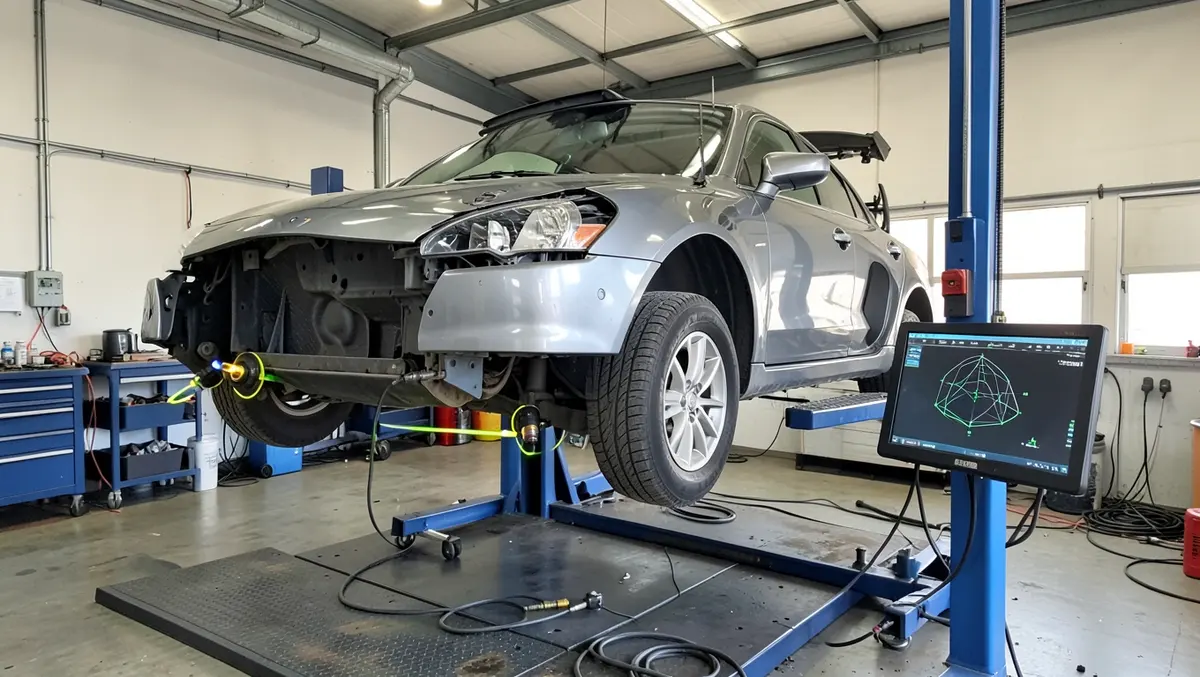
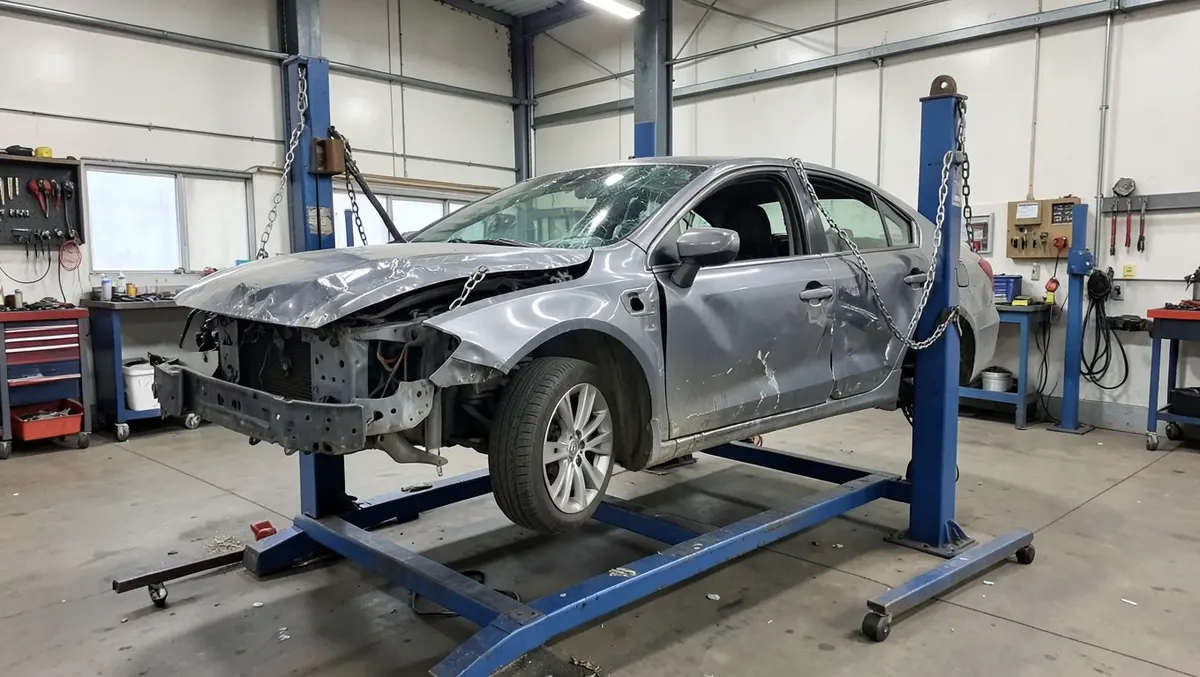
A qualified shop starts with a computerized measuring system — laser or ultrasonic sensors mounted at fixed points on the frame — that compares the car’s actual dimensions against the manufacturer’s factory specifications down to a couple of millimeters. That measurement shows the technician exactly which points are out of alignment and by how much, before any metal gets touched. The car is then anchored to a frame rack, and hydraulic rams and chains pull the damaged sections back toward spec, sometimes over multiple sessions since metal can spring back partway after each pull. Where a rail is torn, cracked, or too work-hardened to pull safely, the shop cuts out the damaged section and welds in a factory replacement piece instead. The car goes back on the measuring system afterward to confirm every point is within tolerance before it’s cleared to drive.
Frame Damage Repair Cost in 2026
Repair estimates scale with how much of the frame is affected, not just the make of car. Minor damage — a single bent point a shop can pull and verify in one session — typically runs $600 to $1,500. Moderate damage that needs replacement crossmembers or subframe sections along with precision realignment lands between $2,000 and $4,000. Severe damage, where the crumple zone has to be pulled from multiple points or a subframe section replaced outright, commonly runs $6,000 or more, and heavy structural damage on a modern unibody with high-strength steel or aluminum components can push past $20,000 — often enough on its own to trigger a total-loss payout instead of a repair.
| Severity | Typical Repair Cost |
|---|---|
| Minor (single point, one pull session) | $600 – $1,500 |
| Moderate (subframe/crossmember replacement) | $2,000 – $4,000 |
| Severe (multi-point pull, crumple zone) | $6,000 – $10,000+ |
| Heavy structural (modern unibody, HSS/aluminum) | Up to $20,000+ |
Can You Prevent Frame Damage?
You can’t prevent a collision, but you can slow the rust half of the equation considerably. Rinse the underbody after driving on salted roads in winter, since standing salt brine is what actually eats through steel, not just cold weather on its own. Have a shop inspect the frame rails and subframe during routine maintenance if the car is more than eight to ten years old or spent its life in a snowy climate, since rust starts inside box-section rails long before it’s visible from underneath. Slow down over speed bumps and potholes — repeated hard impacts, even small ones, add up on the same mounting points over years. And if you already own a car with a documented frame repair, keep the paperwork; a clear repair record with before-and-after measurements is the only thing that can offset the resale hit when you eventually sell.
Frequently Asked Questions
Can a Car With Frame Damage Be Fixed?
Yes. A qualified body shop can straighten a bent frame using a computerized measuring system and a hydraulic frame rack, and can cut out and weld in a new section where a rail is torn or too damaged to pull. Whether it’s worth fixing depends on the estimate: if the repair cost comes in below roughly 70% to 80% of the car’s value, insurers typically approve the repair; above that threshold, most policies total the car instead.
Is Frame Damage Expensive to Fix?
It depends entirely on severity. A single bent point that can be pulled back into spec in one session typically costs $600 to $1,500. Moderate damage needing subframe or crossmember replacement runs $2,000 to $4,000, and severe multi-point damage or crumple-zone repairs commonly reach $6,000 to $10,000 or more. Heavy structural damage on a modern unibody can exceed $20,000, which is usually well past the point an insurer will approve a repair instead of a payout.
Is It Worth It to Buy a Car With Frame Damage?
It can be, but only after a professional inspection confirms the frame was repaired correctly and measures within factory tolerance. A car with a branded title from frame damage typically sells for 15% to 30% less than a clean-title equivalent, which can make it a real bargain if the repair was done right — but it also carries reduced crash protection in a future accident and can be harder to finance or insure. Always get an independent inspection and the shop’s measurement printout before buying.
How Do You Know if the Frame of Your Car Is Damaged?
Look for uneven panel gaps around the doors, hood, or trunk, misaligned headlights or bumpers, and paint that doesn’t quite match between panels. Behind the wheel, watch for the car pulling to one side, uneven tire wear despite a recent alignment, unusual vibration, or an alignment that won’t hold. Any of these on its own can have another cause, but several together are a strong reason to get the frame measured by a shop before you drive it further.
Is Frame Damage the Same as Unibody Damage?
Not exactly, but they’re closely related. “Unibody damage” is the more precise term for bent structural rails, subframes, or crossmembers on a car whose body and frame are one welded unit, which describes most passenger cars and crossovers built since the 1990s. Shops and insurers still call it “frame damage” out of habit, but the diagnosis and repair process — laser measuring, frame rack, pulling or replacing sections — is the same either way.
Does Frame Damage Always Total a Car?
No. Most frame damage that’s caught early and involves only one or two points can be repaired for a few thousand dollars, well under the total-loss threshold. Insurers only total the car when the repair estimate exceeds roughly 70% to 80% of its actual cash value, which usually happens only with severe multi-point damage, a torn subframe, or an older, lower-value car where even a moderate repair bill outweighs what the car is worth.
Conclusion
Frame damage is a structural problem, not a cosmetic one, and it changes how a car protects you in the next accident even after a proper repair. Watch for uneven panel gaps, a car that pulls to one side, or paint that doesn’t match between panels, and get any suspected damage measured on a frame machine before you decide whether to repair, sell, or walk away. A clean measurement printout is the only real proof a bent frame has actually been brought back to spec.
Products related to this article
Sponsored / affiliate links. As an Amazon Associate I earn from qualifying purchases. I may earn additional commission from eligible campaigns.