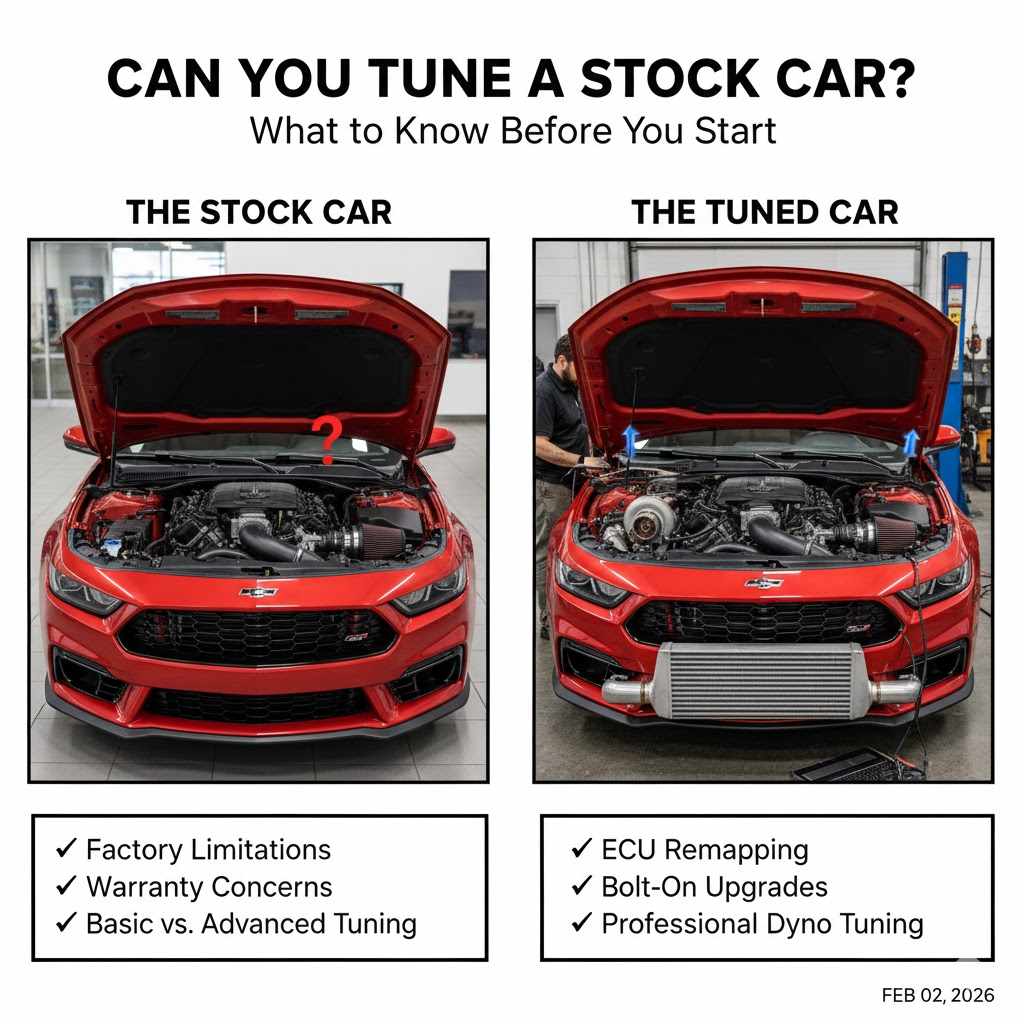
Can You Tune a Stock Car? What to Know Before You Start
Thinking about modifying your car’s engine? You’re not alone! Many car enthusiasts start by wondering: Can You Tune a Stock Car? What You Should Know. It’s common to feel a little lost when you’re starting out. There are so many options, and it can be hard to know where to begin. But don’t worry! This guide will break down the basics in easy steps. We’ll explore the main parts of car tuning, so you can learn what’s involved and how to make your car run better. Let’s get started!
What Does Tuning a Vehicle Actually Mean?
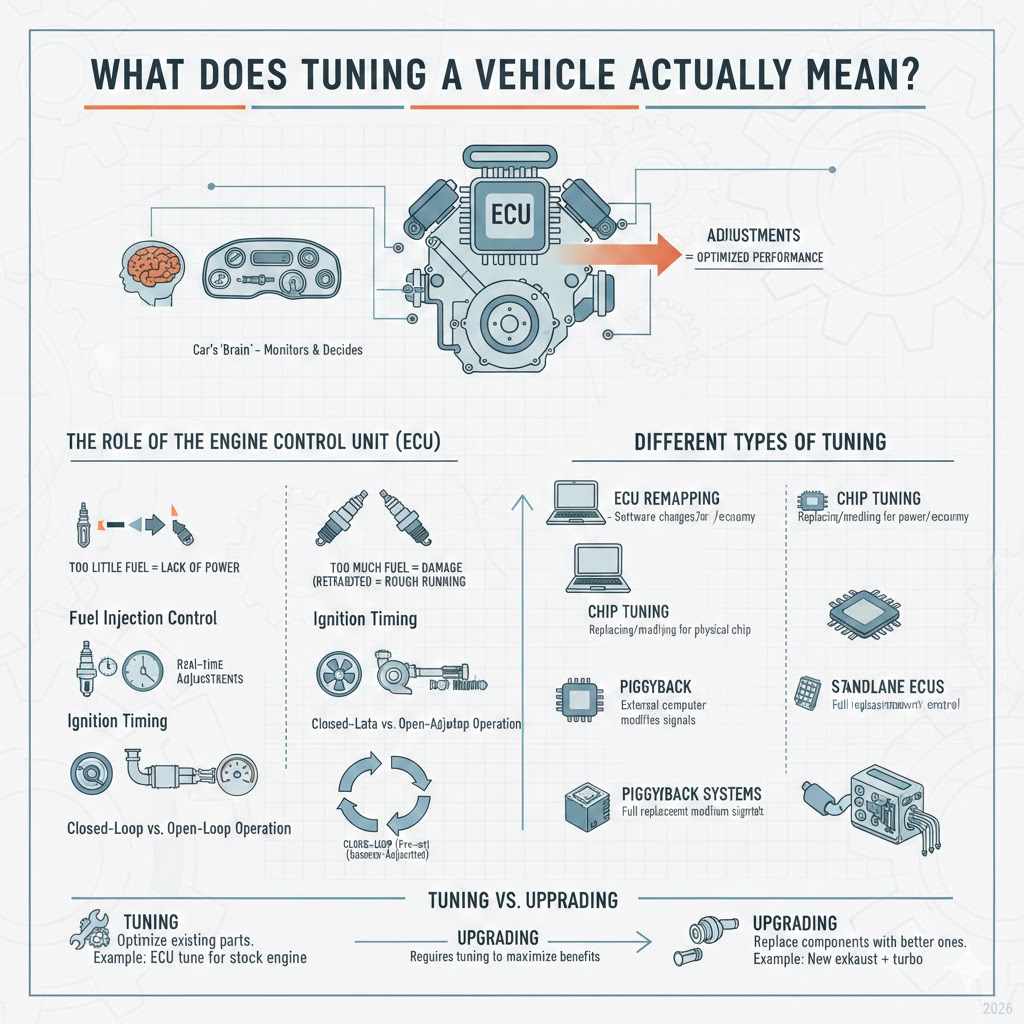
Tuning a vehicle, also called engine tuning or performance tuning, is all about adjusting your car’s engine to make it run better. This often involves changes to the car’s computer system (ECU), or Engine Control Unit, which controls vital functions like how much fuel and air the engine receives, and when the spark plugs ignite the fuel. By adjusting these settings, you can get more power, better fuel economy, or a combination of both.
It’s similar to fine-tuning a musical instrument to get the perfect sound. The goal is to optimize the engine’s performance to match your driving needs and preferences, and it can be a lot of fun for car enthusiasts. Adjusting your car is a rewarding hobby that makes your car drive smoother.
The Role of the Engine Control Unit (ECU)
The ECU is like your car’s brain. It constantly monitors various sensors, such as the air intake, temperature, and throttle position. Using this information, the ECU makes real-time decisions about how the engine operates. It controls the fuel injectors, spark plugs, and other components to ensure the engine runs efficiently and produces the desired power. Different types of ECUs exist depending on the model and the year the vehicle was made.
Older cars may have simpler ECUs, while modern cars use advanced systems with many settings. This makes it challenging, because the systems change and become more involved, but many people are up to the challenge. Learning to use the ECU is essential for tuning your car.
- Fuel Injection Control: The ECU controls how much fuel goes into the engine. It makes adjustments based on how much air the engine is getting. It also considers the engine temperature and how hard you’re pressing the accelerator. If the ECU puts in too much fuel, your car might run rough or use too much gas. If the ECU injects too little fuel, the engine could lack power or get damaged.
- Ignition Timing: The ECU decides when the spark plugs spark. The timing must be right for the fuel to burn effectively and give the car maximum power. If the spark happens too early (advanced timing), the engine could knock or be damaged. If the spark is late (retarded timing), the engine’s power will be decreased.
- Sensors and Data: The ECU gets info from several sensors that monitor the engine’s status. For example, sensors measure the amount of air coming into the engine, the exhaust gas, and how fast the engine spins. The ECU uses this information to adapt and make adjustments in real time, so the engine keeps working well under different conditions.
- Closed-Loop vs. Open-Loop Operation: A car can operate in two primary modes. In open-loop mode, the ECU works based on pre-programmed settings and doesn’t consider sensor input. Closed-loop mode is different. The ECU uses all the information from the sensors and adjusts accordingly. Closed-loop systems let the engine run more efficiently and adjust quickly to different circumstances.
What Are the Different Types of Tuning?
There are different types of tuning, all with the goal of improving the car’s performance. These methods involve adjusting how the engine performs and can be either simple or complex. Knowing what each kind does is important to make sure you get the results you want. There is no one-size-fits-all answer, so you need to know what you want to achieve.
- ECU Remapping: ECU remapping means changing the software settings within the car’s computer. It’s like giving your car a new set of instructions. This can improve the engine’s power, fuel use, and throttle response. This is a popular way to boost performance since you’re improving the software.
- Chip Tuning: Chip tuning
- Piggyback Systems: Piggyback systems add an extra computer to your car’s existing ECU. This extra computer adjusts the signals that the factory ECU sends to the engine. This lets you make changes without replacing the entire ECU, and offers another, and sometimes simpler, approach.
- Standalone ECUs: Standalone ECUs are complete replacements for the factory ECU. These units give you more control over the engine’s operations. Standalone ECUs are mainly used for high-performance builds or for older cars that might have old technology.
Tuning vs. Upgrading
It’s important to understand the difference between tuning and upgrading. Tuning means making adjustments to your engine’s current setup. The goal is to optimize how your engine runs using its stock parts. Upgrading involves replacing components with better ones. This might be installing a new exhaust system or adding a turbocharger. Both are related, because upgrades may require tuning to maximize their benefits. Also, upgrades often change how the engine performs, and you might need to adjust your settings.
When you tune a car, you make the most of the components you already have. Upgrading a car increases its capabilities. Here’s an example: You could tune your car’s ECU to get more power from the stock engine. This tuning optimizes the current setup. However, you can also upgrade the exhaust system with a more free-flowing one to allow the engine to breathe better. You would tune the ECU after that upgrade to get maximum gains. To get the best results, you often do both, but you need to know the differences to make the right choices for your car.
Key Components Involved in Tuning
Tuning involves adjustments to various components that control the engine. Knowing these key components is essential. This gives you a clear vision of the tuning process and the various possibilities available. With the knowledge of the components, you can work more effectively to reach your goals.
The Air Intake System
The air intake system supplies the engine with air. Many enthusiasts like to upgrade this system to improve the engine’s performance. Replacing the stock airbox with a high-flow air filter or a cold air intake can allow more air to enter the engine. This lets the engine breathe easier, and if you combine it with ECU tuning, you can gain more power and better throttle response. Air intake systems can be easy to alter, making them a great starting point for modifications. Tuning for the air intake system is a common first step.
- Air Filters: Upgrading the air filter to a high-flow model lets more air through. These filters usually have better filtration than factory filters and can last longer. If you have a clean air filter, then your engine will run better.
- Cold Air Intakes: These intakes place the air filter further from the engine, usually drawing air from outside the engine bay. The idea is to supply the engine with cooler, denser air, which increases power. This is because cool air has more oxygen molecules than warm air.
- Throttle Body: The throttle body controls how much air goes into the engine. Upgrading the throttle body to a larger one can improve airflow. This change can benefit the engine, giving it better throttle response and more power.
- Airflow Sensors: The mass airflow sensor (MAF) measures the amount of air entering the engine. When upgrading an air intake system, the MAF sensor often needs recalibration. That way, the ECU gets the right data, allowing the engine to run correctly.
The Fuel System
The fuel system is in charge of delivering fuel to the engine. Adjusting this system is essential for engine tuning. You have to make sure the fuel supply matches the air intake. Upgrading components such as fuel injectors and fuel pumps is important. You’ll need to tune the ECU to ensure the system is working properly. The fuel system needs to be optimized for more power and performance gains.
- Fuel Injectors: Fuel injectors spray fuel into the engine. Replacing these injectors with higher-flow injectors can help supply enough fuel for more power. This ensures that the engine gets the right amount of fuel at higher RPMs.
- Fuel Pumps: The fuel pump delivers fuel from the tank to the engine. Upgrading the fuel pump to a high-flow model will make sure the engine gets the fuel it needs. That way, the engine can maintain its performance, particularly at higher power levels.
- Fuel Pressure Regulator: This regulator maintains the fuel pressure. Adjusting the fuel pressure regulator can fine-tune the fuel delivery. This is a key step in optimizing the engine’s performance.
- Fuel Rail: The fuel rail supplies fuel to the injectors. Upgrading to a performance fuel rail can improve fuel distribution and the engine’s performance. This ensures that each cylinder gets a consistent fuel supply.
The Exhaust System
The exhaust system removes exhaust gases from the engine. Improving the exhaust system can also improve engine performance. Replacing the exhaust with a high-flow system lets exhaust gases leave the engine easier. This can reduce backpressure and boost power. ECU tuning is vital when altering the exhaust to get the best results. Improving the exhaust system is a common and helpful step in the tuning process.
- Headers: Headers replace the exhaust manifold and collect the exhaust gases. Headers designed for performance can reduce backpressure, improve the engine’s power, and optimize airflow.
- Catalytic Converters: Catalytic converters reduce harmful emissions. Replacing these with high-flow or race catalytic converters can improve exhaust flow, increasing performance. This is one aspect of the exhaust system that some drivers can overlook.
- Mufflers: Mufflers reduce noise. Upgrading the muffler to a high-flow model can improve the exhaust flow and increase power output. It also lets the car have a more aggressive sound, so be sure you like the sound.
- Exhaust Pipes: The exhaust pipes carry exhaust gases. Larger diameter pipes can improve exhaust flow and power. Choosing the right size pipes is important for the car’s overall performance.
Getting Started with Tuning Your Car
The beginning of the process can seem like a lot, but by following a step-by-step approach, it becomes more manageable. The key is to start with the basics, learn as you go, and make safe modifications. You can also explore local communities. If you take the right steps, you can start modifying your vehicle. This can be one of the more fun and interesting hobbies to have!
Assessing Your Current Vehicle
Before you begin, you need to understand your car’s condition. Assess the engine’s current state, including its age, mileage, and maintenance history. Take note of any existing issues like leaks, noises, or performance problems. Understanding these will help set a baseline. You can then make effective adjustments. A thorough assessment makes sure your modifications will be safe and successful. Check all the systems, from the brakes to the fluids, before you begin.
- Vehicle Inspection: Perform a thorough inspection of your car. Look at the engine, transmission, and all related systems. Identify any issues that need to be addressed before tuning. This will give you a clear understanding of the starting point.
- Research: Do your research. Find out what modifications are available for your car model. Learn how these modifications affect the car’s performance and reliability. Knowledge is crucial.
- Set Goals: Define your goals. Decide what you want to achieve through tuning. Do you want more power, better fuel efficiency, or both? Your goals will guide your tuning choices.
- Budgeting: Create a budget for your modifications. Tuning can involve many costs, from parts to tools. Planning your budget will make sure you don’t spend more than you are prepared to.
Choosing the Right Tuning Tools
Selecting the correct tools and equipment is crucial for tuning your car. You need tools to read data from the ECU, make adjustments, and monitor your car’s performance. The right tools can simplify the process and improve your results. It’s often worth the cost to buy high-quality equipment. This is another key step when you start tuning. Having the right tools makes the process a lot easier.
- ECU Flashing Tools: These tools let you read and write data to your ECU. There are many options, from basic OBD-II scanners to professional-grade tuning devices. Choose one that supports your car’s ECU type. These tools can allow you to change the programming, so be very careful.
- Data Loggers: Data loggers record the data from your car’s sensors. They will show how your engine is performing in real time. Use them to monitor the engine parameters and identify areas for adjustment.
- Dyno Testing: Dyno testing measures your car’s power output. This is a very useful tool for assessing your car’s performance. Dyno testing helps you see the actual impact of your adjustments.
- Hand Tools: You will also need basic hand tools. These include wrenches, screwdrivers, and socket sets. These tools are very useful for installing parts and making mechanical adjustments.
The Tuning Process
The actual tuning process involves a step-by-step approach. You start with the assessment and end with adjustments to get the best results. Each step is essential. Following this systematic approach will increase the likelihood of success. By understanding and performing these steps, you can safely tune your car.
- Connect and Read: First, you will connect your ECU flashing tool. Read the data from your car’s ECU. This allows you to create a copy of the existing engine settings. You can then make changes with the new version.
- Choose Your Tuning Strategy: Think about your goals. Select the appropriate tuning strategy for your needs. This will help you decide what parameters to change. Make sure the strategy matches the changes that you want to make.
- Change the Parameters: Use the flashing tool to change the ECU parameters. Adjust settings like fuel delivery, ignition timing, and boost pressure. Make changes gradually.
- Test and Verify: After making adjustments, test your car to check its performance. Use a data logger to monitor engine parameters. If problems arise, repeat the process.
- Refine and Repeat: Once you make sure everything’s correct, you can refine your tuning. Use dyno tests or data logging to find further gains. The tuning process often involves multiple iterations to maximize results.
Safety Considerations and Potential Issues
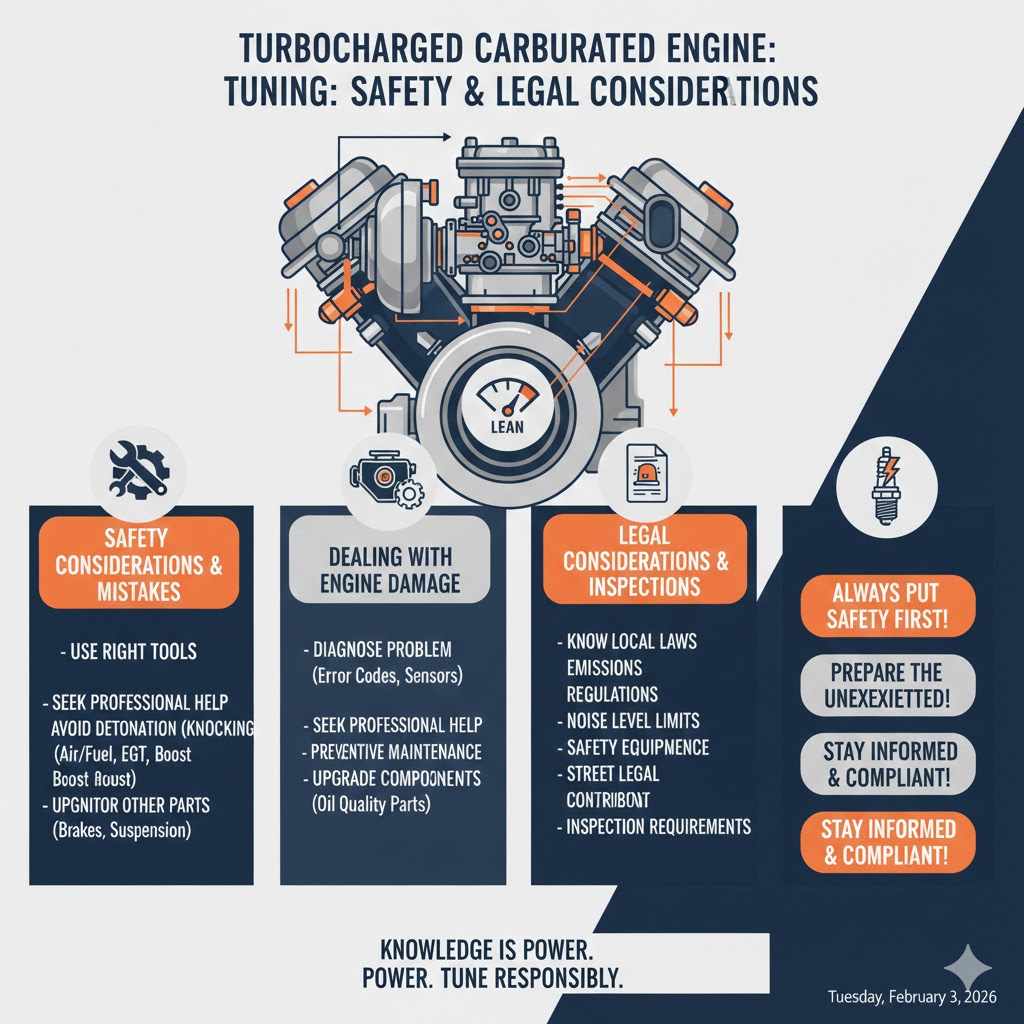
Tuning can have a lot of rewards. It can also cause problems. Safety should always come first. There are several things you need to watch out for. Make sure you use the right tools. If you are uncertain about the process, it’s a good idea to seek help from a professional tuner. It’s better to be safe than sorry, so keep these safety considerations in mind.
Avoiding Common Mistakes
Many common mistakes can happen when tuning a car. They may cause damage or reduce your results. Knowing about these mistakes will help you stay safe. You can avoid problems by knowing these things ahead of time. It’s one more way to keep the process successful.
- Ignoring Detonation: Detonation, also known as knocking, occurs when fuel burns unevenly in the cylinders. If you hear this sound, stop immediately. It can damage your engine. Always check your car to see if any unusual sounds are present.
- Not Monitoring Engine Data: Don’t proceed without monitoring your engine’s data. This includes air/fuel ratio, exhaust gas temperature, and boost pressure. The data will tell you if your settings are safe.
- Ignoring Professional Advice: If you are unsure, get help from a professional tuner. Tuning can be very complicated. A professional can help you avoid mistakes.
- Increasing Power Without Upgrading Other Parts: Increasing the power of your engine may stress other components. Ensure your car’s brakes, suspension, and drivetrain are adequate.
Dealing with Engine Damage and Failures
Even with careful tuning, engine issues can still occur. Over time, parts will fail, or the car could break down. Knowing how to handle these events is important. It is always better to be prepared for the worst. That way, you’ll know what to do if you have a problem. Keep in mind that not every issue can be avoided.
- Diagnose the Problem: If your engine has issues, first diagnose the issue. Use diagnostic tools to check for error codes. Check the sensors and make sure everything is working. Knowing the cause will help you fix it.
- Seek Professional Help: If you’re not sure how to fix the problem, seek professional help. A professional mechanic can inspect the engine. They’ll also find any damage or failures.
- Preventive Maintenance: Regular maintenance is a key way to keep your engine in top shape. Regularly change your oil,
- Upgrade Components: Replacing or upgrading weaker components can make your engine run better. This involves using better quality parts or high-performance parts. This increases the engine’s overall ability to handle the power.
Legal Considerations and Vehicle Inspections
When you start tuning your car, you’ll need to know about the legal requirements. You need to keep your car safe and street legal. Rules vary based on your location. It’s vital to know the rules, so you don’t face penalties. Also, you must make sure the changes meet those requirements.
Many jurisdictions have rules about car modifications. These rules cover emissions, noise levels, and safety equipment. Modifications can make your car fail an inspection. These regulations also vary. You need to know the rules that apply to your vehicle.
Frequently Asked Questions
Question: Can I tune my car myself?
Answer: Yes, you can. It requires research, the right tools, and an understanding of how your car’s engine works. Start with simple modifications and gradually work your way up. It is a good idea to do some research, so you know all the facts.
Question: What are the risks of tuning my car?
Answer: Risks include engine damage if done incorrectly, voiding your warranty, and potential legal issues if modifications violate local laws. Be very careful with the engine and the process.
Question: Do I need a dyno to tune my car?
Answer: A dyno helps, but isn’t always needed. Data logging and road testing can be useful. A dyno gives exact results, but is often expensive. It will also help you determine the car’s horsepower.
Question: Can I tune a stock car to pass emissions?
Answer: It depends on the modifications. Some tuning can improve emissions. Changes such as removing catalytic converters or other emissions equipment can cause a vehicle to fail. Be sure to check the regulations where you live.
Question: What’s the best way to get started tuning my car?
Answer: Begin with research. Then, get familiar with your car’s systems. Start with simple modifications like an air filter or a mild ECU remap. Also, consider any community forums where enthusiasts are active. That way, you’ll be well-prepared.
Final Thoughts
So, Can You Tune a Stock Car? What You Should Know? Absolutely, you can! Tuning a car can be a fulfilling hobby. You can improve your car’s performance, but you need to know the process. It’s a combination of knowledge, the correct tools, and taking the right steps. You should assess your vehicle, find the right equipment, and follow a systematic method. Make sure you avoid the most common mistakes, and keep safety in mind. Remember to research. Also, start slowly and consider professional help, if needed. Keep learning and have fun! Your car will thank you for it!