Can You Use Shampoo to Wash a Car? The Proven Dangers
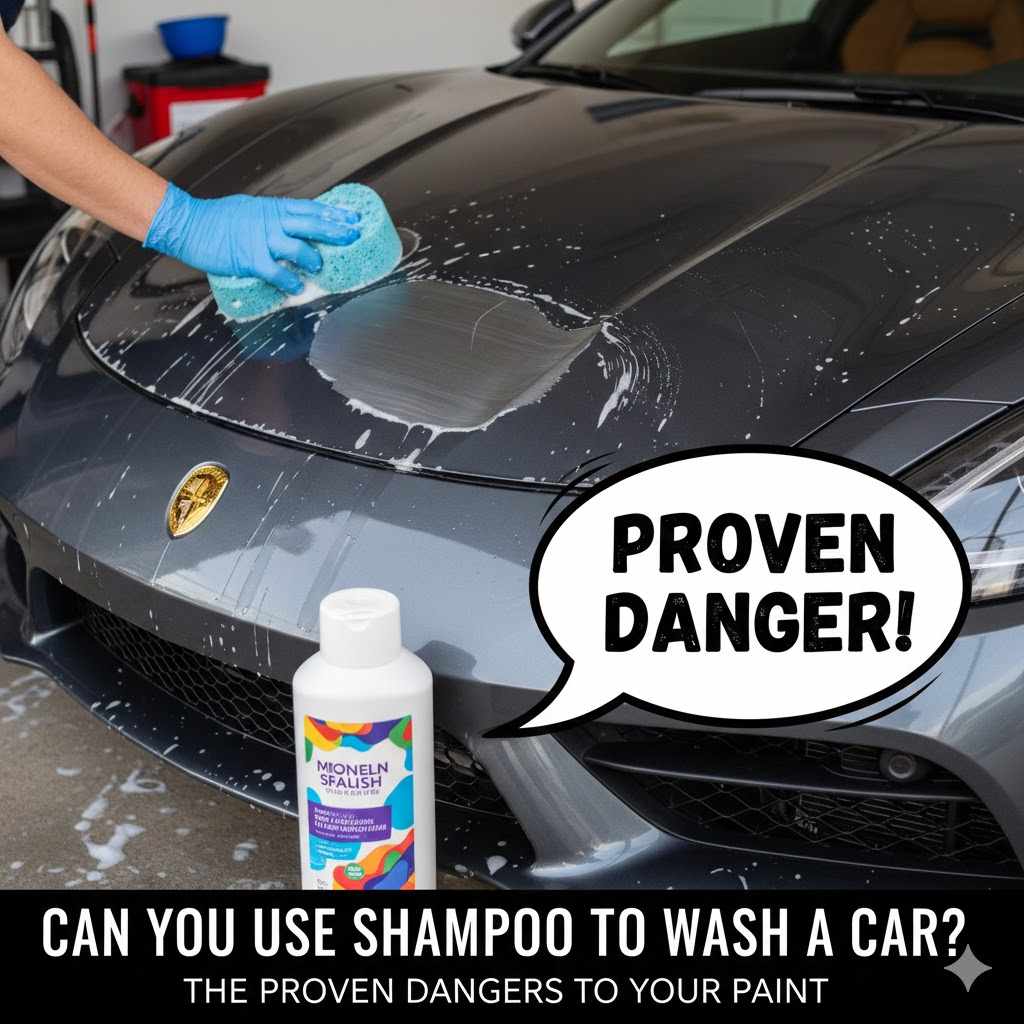
No, you should not use human shampoo to wash your car. Shampoos are designed to strip oils from hair and will damage your car’s protective wax and clear coat. This leads to faded paint, rust, and expensive repairs. Always use a pH-neutral soap made specifically for washing cars to keep your vehicle safe and shiny.
You’re ready to give your car a much-needed wash. You grab your bucket and sponge, but then you realize you’re out of car wash soap. Your eyes wander to the bottle of shampoo in the bathroom. It makes great suds, it cleans well, and it’s right there. It seems like a perfect solution, right?
It’s a common thought, and many people have wondered the same thing. Can you use shampoo to wash a car? While it might seem like a clever life hack, it’s one of the worst things you can do for your car’s paint. Don’t worry, this is an easy mistake to consider. I’m here to walk you through why shampoo is a secret paint-killer and show you the simple, correct way to get your car sparkling safely.
Why It Seems Like a Good Idea (But Isn’t)
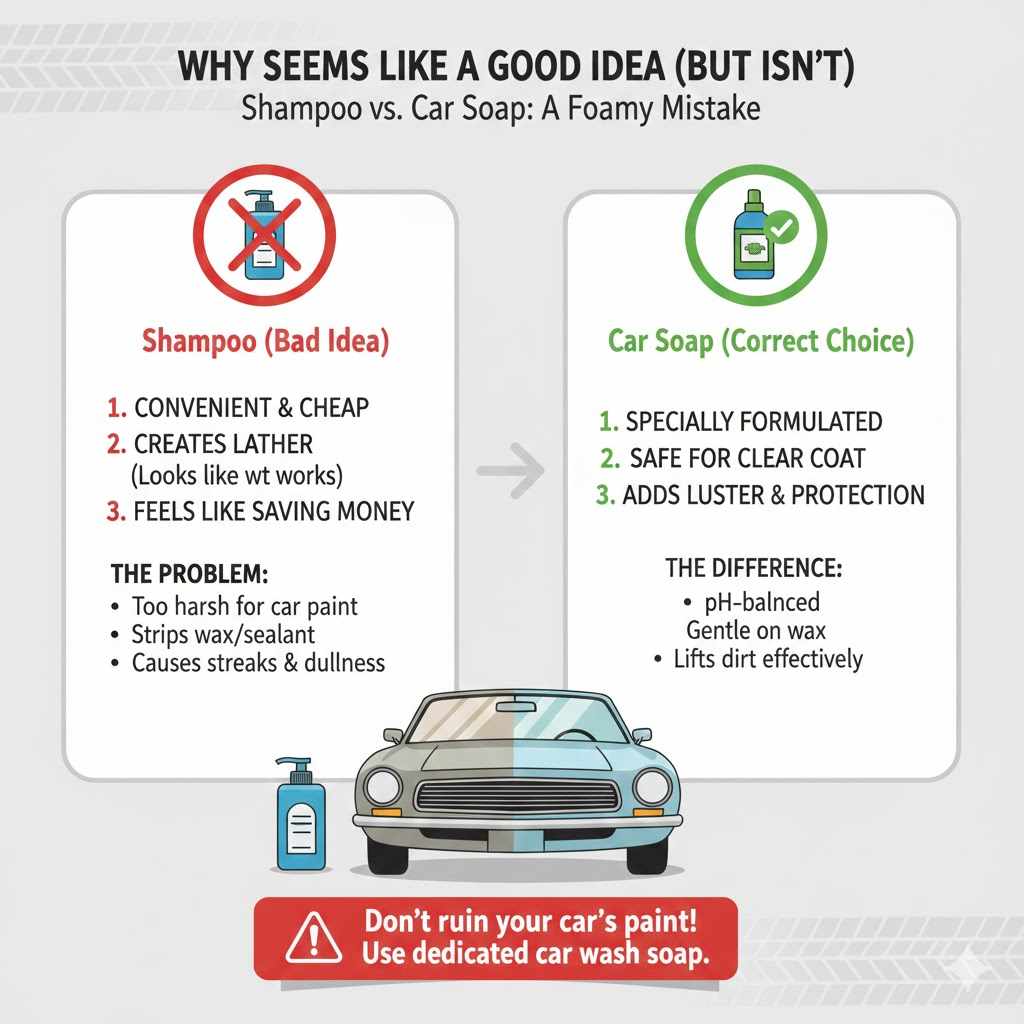
Let’s be honest, the idea of using shampoo is tempting. It’s convenient, you already own it, and it feels like you’re saving a few bucks. Shampoos and car soaps both create a satisfying lather, making them seem interchangeable. When you see all those suds, you think “clean.”
However, what cleans your hair is fundamentally different from what cleans your car. The job of shampoo is completely opposite to the job of car wash soap. Using the wrong one is like using sandpaper as a coffee filter—it might look similar from a distance, but the result will be a disaster. Understanding this key difference is the first step to protecting your car’s finish for years to come.
The Critical Difference: Your Hair vs. Your Car’s Paint
To understand why shampoo is so bad for your car, we need to look at what it’s made to do. Your scalp naturally produces an oil called sebum. This oil can build up, making your hair look greasy. Shampoo contains strong detergents and degreasers designed specifically to strip these oils away, leaving your hair feeling clean and light.
Your car’s paint, on the other hand, is not a living thing that produces oil. It’s a delicate, multi-layered finish that needs protection. The top layers are:
- Wax or Sealant: A thin, transparent layer you apply for protection. It’s like sunscreen for your paint.
- Clear Coat: A hard, durable top layer that gives your car its glossy shine and protects the color paint underneath.
- Color Coat: This is the actual color of your car.
- Primer: A base layer that helps the paint stick to the car’s metal body.
Shampoo doesn’t know the difference between the natural oil on your head and the protective wax on your car. Its powerful degreasing agents will strip away that wax layer in a single wash, leaving your clear coat completely exposed to the elements.
Understanding pH Levels: The Hidden Danger
Another secret problem is pH balance. You might have seen “pH balanced” on a shampoo bottle. The pH scale measures how acidic or alkaline something is. It runs from 0 (very acidic) to 14 (very alkaline), with 7 being neutral (like pure water).
Your hair and skin have a naturally acidic pH of around 4.5 to 5.5. Shampoos are formulated to match this, so they are often slightly acidic. On the other hand, dedicated car wash soaps are almost always pH-neutral (a perfect 7). This ensures they are gentle enough to clean away dirt and grime without damaging your car’s sensitive wax, sealant, or clear coat.
Using a product with the wrong pH on your car is like a chemical attack on its finish. It aggressively eats away at the protective layers you need.
Shampoo vs. Car Wash Soap: A Side-by-Side Comparison
Seeing the differences laid out can make it crystal clear. Here is a simple breakdown of why these two soaps are not the same.
| Feature | Human Shampoo | Dedicated Car Wash Soap |
|---|---|---|
| Primary Purpose | To strip oils (sebum) from hair and scalp. | To gently lift dirt and grime without removing protection. |
| pH Level | Slightly acidic (usually 4.5 – 6.5) to match human skin. | pH-neutral (around 7.0) to be safe for all surfaces. |
| Detergents | Harsh degreasers and sulfates designed to remove oil. | Gentle surfactants that encapsulate dirt particles. |
| Additives | Conditioners, fragrances, and silicones for hair health. | Lubricants to prevent scratching, gloss enhancers. |
| Effect on Wax/Sealant | Strips it off completely in one wash. | Cleans the surface while leaving the wax layer intact. |
| Long-Term Result on a Car | Damaged clear coat, faded paint, brittle plastic. | Protected finish, enhanced shine, long-lasting paint. |
The Proven Dangers: What Really Happens When You Use Shampoo
Using shampoo on your car isn’t just a minor mistake; it starts a chain reaction of damage that can be incredibly expensive to fix. Let’s break down exactly what happens to your vehicle.
Danger #1: It Strips Your Car’s Wax and Sealant
This is the first and most immediate problem. Your car’s wax or sealant is its first line of defense against the world. It protects the paint from UV rays, acid rain, bird droppings, tree sap, and road grime. Without it, your car is vulnerable.
The powerful detergents in shampoo are designed to dissolve grease and oil. They will dissolve your protective wax layer just as easily. After just one wash with shampoo, that essential barrier is gone. You might as well have not waxed your car at all.
Danger #2: It Damages the Clear Coat
Once the wax is gone, the clear coat is next in line for damage. The clear coat is the tough, transparent layer that sits on top of the colored paint. It’s what gives your car that deep, glossy shine. More importantly, it blocks harmful UV radiation from the sun.
Without wax protection, the clear coat is directly exposed to everything. The sun’s UV rays begin to break it down, a process called photo-oxidation. According to the U.S. Environmental Protection Agency (EPA), UV radiation can damage not just skin but also materials like paint. The harsh chemicals in shampoo can speed up this process, making the clear coat become cloudy, hazy, and eventually start to peel. Once the clear coat fails, the only fix is an expensive trip to the body shop.
Danger #3: It Fades and Oxidizes Your Paint
Underneath the clear coat is the base coat—the layer with the actual color. When the clear coat is damaged, the color paint is exposed to oxygen and sunlight. This causes oxidation, which chemically alters the paint.
The result? Your car’s vibrant color will start to look dull, chalky, and faded. You’ve probably seen older cars with patches of paint that look pale and lifeless. This is oxidation at work, and using harsh cleaners like shampoo is a fast track to getting there. Repainting a car can cost thousands of dollars, far more than a lifetime supply of proper car wash soap.
Danger #4: It Dulls Plastic and Dries Out Rubber
The damage doesn’t stop at the paint. Your car has many other exterior parts made of different materials.
- Plastic Trim: Modern cars have lots of unpainted black or gray plastic trim around the bumpers, windows, and mirrors. Shampoo can leave a chemical residue on this trim, causing it to look chalky, faded, and blotchy. It can also permanently stain it.
- Rubber Seals: The rubber seals around your doors and windows are essential for keeping out water and wind noise. These seals contain oils that keep them soft and flexible. The degreasers in shampoo will pull these vital oils out, causing the rubber to become dry, hard, and brittle. Cracked rubber seals can lead to water leaks, wind noise, and rust in your door frames.
Long-Term Damage and Repair Costs
The “savings” from using a free bottle of shampoo can quickly disappear when you see the repair bills. Here’s a look at what you might be facing down the road.
| Car Part | Damage from Using Shampoo | Approximate Cost to Fix |
|---|---|---|
| Wax/Sealant | Completely stripped away. | $20 – $50 (for DIY wax) / $150+ (for professional detail) |
| Clear Coat | Becomes cloudy, hazy, and starts peeling. | $500 – $1,500 per panel (hood, door, etc.) |
| Paint | Fades, becomes dull and chalky (oxidation). | $3,000 – $10,000+ for a full-car repaint. |
| Plastic Trim | Fades, becomes stained and chalky. | $50 – $200 for restoration products or trim replacement. |
| Rubber Seals | Dries out, cracks, and fails. | $100 – $400+ per door/window to replace seals. |
The Right Way to Wash Your Car: A Simple and Safe Guide
Now that you know what not to do, let’s focus on the right way. Washing your car properly is easy, affordable, and even a little relaxing. You don’t need to be a professional detailer to get professional results. You just need the right tools and technique.
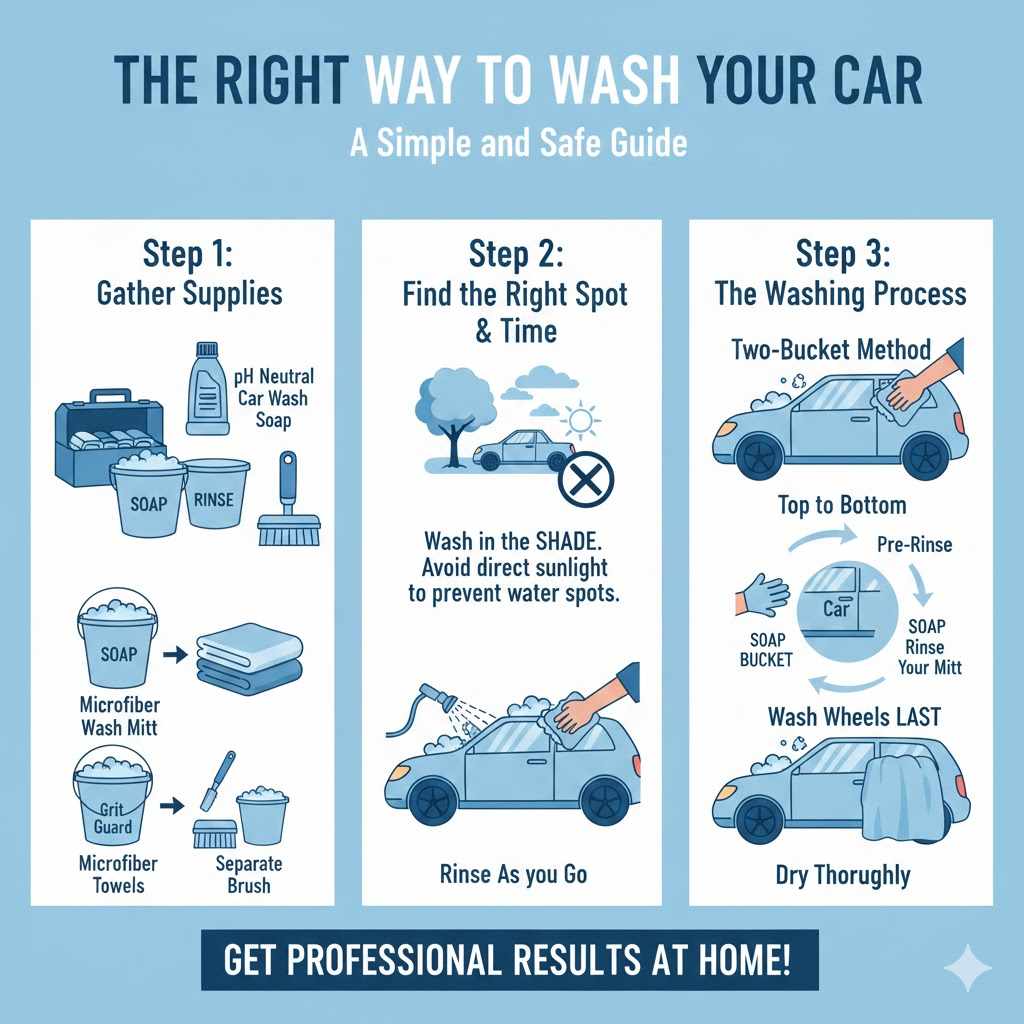
Step 1: Gather the Right Supplies
Having the right gear makes all the difference. Here is your basic car-washing toolkit:
- Dedicated Car Wash Soap: Look for a pH-neutral formula. A single bottle will last for dozens of washes.
- Two Buckets: This is the secret to a scratch-free wash. One bucket is for your soapy water, and the other is for clean rinse water.
- Grit Guards: These are simple plastic grates that sit at the bottom of your buckets. They trap dirt and grit, preventing you from picking it back up with your wash mitt.
- Microfiber Wash Mitt: A soft wash mitt is much safer than a sponge, which can trap dirt and scratch your paint.
- Microfiber Drying Towels: Use large, plush microfiber towels to dry your car. They are super absorbent and won’t leave lint or scratches. Avoid bath towels or squeegees.
- A Separate Wheel Brush: Your wheels are the dirtiest part of your car. Use a separate brush and bucket for them to avoid transferring brake dust and grime to your paint.
Step 2: Find the Right Spot and Time
Where and when you wash your car matters. Always try to wash your car in the shade or on an overcast day. If you wash in direct sunlight, the heat will cause the water and soap to evaporate too quickly. This leaves behind ugly water spots and soap residue that can be hard to remove.
Step 3: The Washing Process (The Two-Bucket Method)
This method is used by professional detailers everywhere because it’s the safest way to wash a car without scratching it. It’s incredibly simple.
- Pre-Rinse the Car: Before you touch the car with a mitt, give it a thorough rinse with your hose. This will knock off all the loose dirt and grit, making the washing part much safer.
- Prepare Your Buckets: Fill one bucket with water and the recommended amount of car wash soap. This is your “Soap Bucket.” Fill the second bucket with clean, plain water. This is your “Rinse Bucket.” Place a grit guard in the bottom of each.
- Wash From Top to Bottom: Always start washing from the roof and work your way down. Gravity will pull the dirt downwards, so you avoid dragging grime from the lower, dirtier parts of the car back up to the cleaner sections.
- Wash and Rinse Your Mitt: Dunk your clean wash mitt into the Soap Bucket. Gently wash a small section of your car, like half the roof or one door panel. Before putting the mitt back into the Soap Bucket, dunk it into your Rinse Bucket and swish it around. You’ll see the dirt fall out of the mitt and sink to the bottom. This keeps your soapy water clean.
- Rinse the Car as You Go: After washing each section, rinse it thoroughly with the hose. This prevents soap from drying on the surface.
- Wash Wheels Last: The wheels and tires are usually covered in brake dust and heavy grime. Save them for last, using a separate brush and, if possible, a separate bucket.
- Dry Thoroughly: Once the whole car is washed and rinsed, it’s time to dry. Use your clean microfiber drying towels to gently pat and wipe the car dry. Again, start from the top and work your way down. A thorough drying job is the key to preventing water spots and achieving a flawless shine.
Frequently Asked Questions (FAQ)
Can I use dish soap to wash my car?
No, you should avoid dish soap for the same reasons you avoid shampoo. Dish soaps like Dawn are excellent degreasers designed to cut through tough food grease. They will strip the wax off your car just as effectively as shampoo, leaving your paint unprotected.
What about baby shampoo? Is it gentle enough for my car?
While baby shampoo is gentler than regular shampoo, it is still not the right product for the job. It is formulated for the pH of human skin, not for automotive paint. It will still weaken your wax and can leave behind residues not meant for a car’s finish. Stick to dedicated car wash soap.
How often should I wash my car?
This depends on your environment and how you use your car. As a general rule, washing your car every two to four weeks is a good routine. If you live in an area with a lot of salt, pollen, or industrial fallout, you may need to wash it more frequently.
Is it okay to use shampoo just once in an emergency?
It’s strongly recommended to avoid it entirely. If you are in an absolute emergency with no other option, it’s better than using an abrasive cleaner. However, if you do, you must rinse the car extremely well and plan to apply a fresh coat of wax or sealant as soon as possible to restore its protection.
I already used shampoo on my car. What should I do now?
Don’t panic! The damage is not instant. The first thing to do is wash your car again using a proper car wash soap to remove any lingering shampoo residue. After it’s clean and dry, you need to apply a new layer of protection. A good quality car wax or paint sealant will restore that barrier and protect your clear coat.
Are automatic car washes a safe alternative?
Touchless car washes are generally safer than the ones with spinning brushes, which can cause fine scratches. However, both types often use harsh, high-pH chemicals to clean quickly, which can strip wax over time. A careful hand wash is always the safest and most effective method.
Is proper car wash soap expensive?
Not at all! A large, concentrated bottle of quality car wash soap typically costs between $10 and $20 and can last for a year or more, depending on how often you wash your car. It is one of the cheapest and best investments you can make for your vehicle’s health.
Conclusion: Protecting Your Investment is Easy
The impulse to grab a bottle of shampoo to wash your car is understandable. It seems quick, easy, and cheap. But as we’ve seen, that small convenience can lead to a long road of damage, from stripped wax and a failing clear coat to faded paint and brittle trim. In the end, it’s a shortcut that costs you far more in time and money.
The good news is that caring for your car’s finish is simple and rewarding. By investing in a bottle of dedicated car wash soap and using the simple two-bucket method, you’re not just cleaning your car—you’re preserving its value, its appearance, and its integrity. You’re protecting one of your biggest investments.
So next time you’re out of car soap, resist the temptation of the shampoo bottle. A quick trip for the right product will keep your car looking shiny and new for years to come. You’ve got this, and your car will thank you for it.