Best Car Chains for Tires: 3 Picks Compared
For most passenger cars, the best tire chains are cable chains for low-clearance fitment, link chains for legal use and stronger bite, and self-tensioning chains if you want the quickest install; first confirm your owner’s manual and measure the tightest wheel-well gap around the tire. Buy the wrong type, and you can damage suspension parts, trigger ABS or body interference, or end up with chains that are illegal for your route. This guide compares the three chain types by clearance, install effort, and winter-road legality, then gives you a fitment check before you order.
Tire chains fitment guide
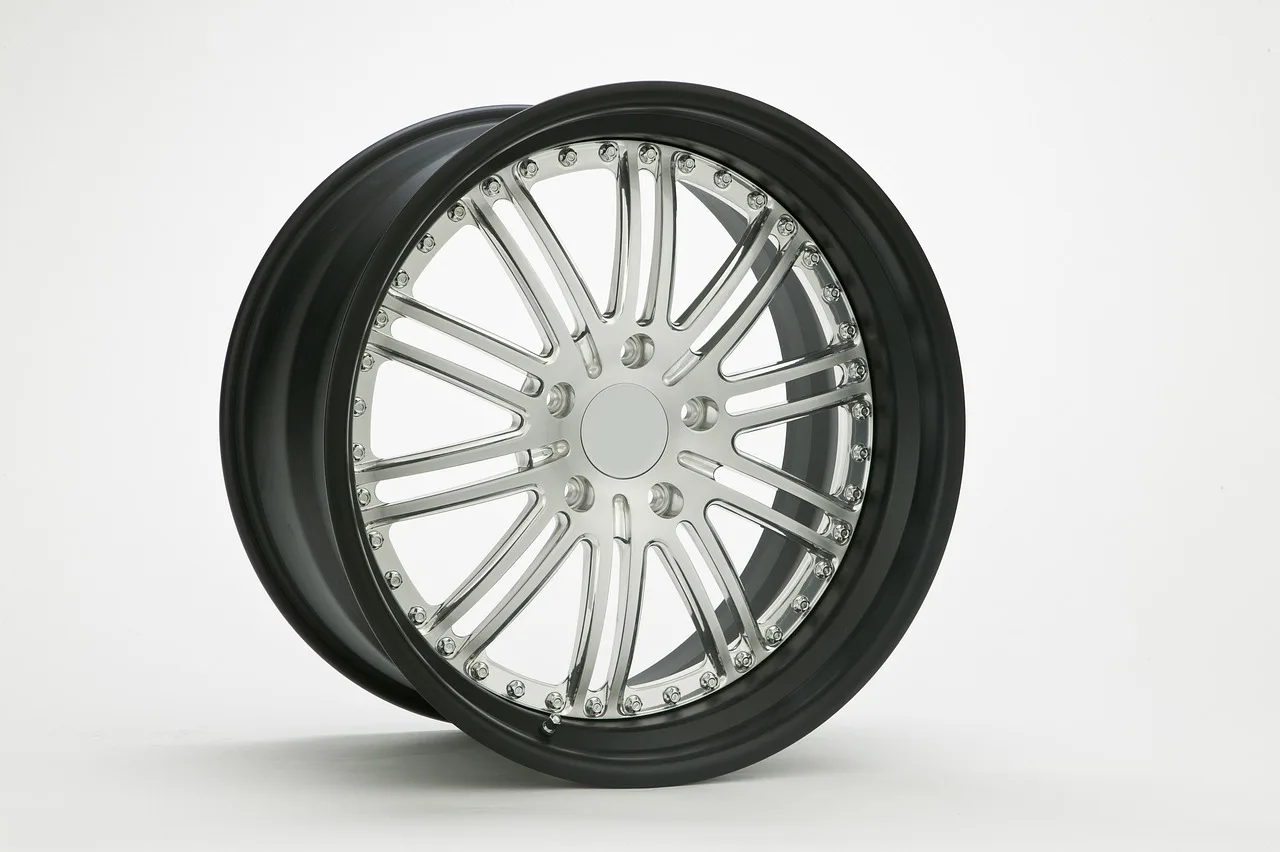


The first decision is fitment, not grip. A chain that matches your tire size can still fail on inside sidewall clearance, which is the space between the tire and the strut, brake line, or fender liner. On modern low-clearance cars, that gap decides whether a chain fits at all.
For passenger cars, the practical order is simple: check the owner’s manual, confirm whether chains are allowed, then measure the gap to the closest fixed part before you buy. SAE Class S is the low-clearance standard used to judge passenger-vehicle fit. A typical Class S product wants 15 mm of clearance, while the Security Chain Company Super Z6 is rated for 6.3 mm of inside sidewall space.
What matters most: clearance, legality, or install time
Clearance comes first because a chain that rubs a brake line or wheel-well liner is a nonstarter. Legality comes next, because some routes allow only certified devices or prohibit certain chain styles. Install time matters too, but only after the hardware can physically fit your car.
That is why the three picks in this article split cleanly: a self-tightening link chain for the broadest all-round use, a cable chain for very tight wheel wells, and a textile sock for short, legal use where metal chains do not fit or are not permitted.
Where each type fits best on passenger cars
Link chains suit cars and crossovers with enough room for a steel ladder or diamond pattern. Cable chains suit low-clearance sedans and some compact crossovers with tight wheel wells. Tire socks suit vehicles that prohibit chains or cables, but they wear faster and are better for short stints on snow-covered roads than for repeated use.
| Pick | Minimum clearance class | Install steps | Re-tension requirement | Likely vehicle type | Pavement tolerance | Do not buy if | Decision rule |
|---|---|---|---|---|---|---|---|
| Peerless Auto-Trac Passenger Tire Chain | SAE Class S | Fit, roll, self-tighten | Built-in tightening reduces mid-drive stop checks | Passenger cars and crossovers with moderate clearance | Short transfers only; avoid bare pavement | Your wheel well is so tight that Class S room is doubtful | Choose it when you want the quickest all-round link chain with less roadside fuss. |
| Security Chain Company Super Z6 Cable Chain | Very tight fitment; rated for 6.3 mm of inside sidewall space | Fit, drive a short distance, re-check tension by design | Check tension after fitting and after a short drive | Low-clearance sedans and compact cars | Short transfers only; avoid bare pavement | You want heavy-duty bite more than fitment flexibility | Choose it when your wheel well is the limiter and a cable chain is the only realistic fit. |
| AutoSock HP 870 | Vehicles that prohibit chains or cables; textile fitment depends on tire and clearance rules | Three-step install | No metal-chain style re-tension routine, but inspect after initial use | Passenger cars needing a legal textile option for short use | Short use on snow and ice; not for bare pavement | You need long wear life or repeated hard use | Choose it when your car cannot take metal chains and you need a certified textile option. |
Which tires do you put chains on?
Put chains on the drive tires, because those are the tires that need extra grip to move the vehicle. If your owner’s manual calls for chains on all four tires, follow that instruction. Most passenger cars use the drive axle only, but all-wheel-drive systems can have specific requirements.
Do not assume all four corners need chains, and do not assume every axle is fair game. Some vehicles have brake hardware, suspension links, or bodywork close to only one end, so the manual comes first. If the manual says chains are not allowed, a textile option may still be permitted, but only if the vehicle-specific guidance allows it.
Why the owner’s manual comes first
Manufacturers may ban chains on certain wheel sizes, tire sizes, or suspension packages. That is common on low-clearance passenger cars. The manual may also name SAE Class S only, or specify a particular chain profile because the wheel well leaves too little room for a standard link chain.
Why inside sidewall clearance decides fit
Inside sidewall clearance is the gatekeeper because chain hardware sits close to the tire’s inner shoulder. If the chain touches a strut, brake line, or liner, the fit is wrong even if the tire size matches. That is why a size chart alone is not enough.
A common first-timer mistake is…
A common first-timer mistake is buying a chain for a 225/45R17 tire and skipping the wheel-well check. The size may be correct, but a low-clearance sedan can still have too little room behind the tire. The fix is to measure the gap at the closest point, then compare it with the chain’s stated clearance class.
Best car chains for tires: 3 picks
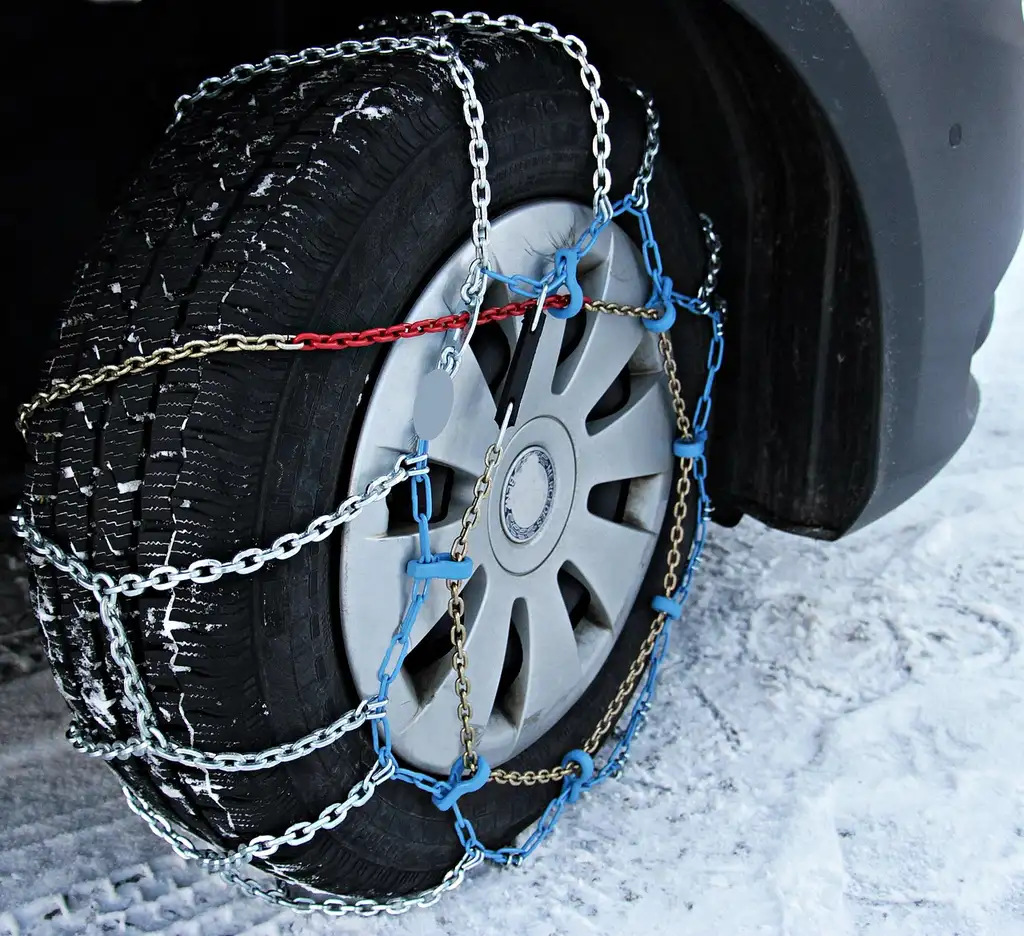
The best choice depends on what fails first on your car: clearance, install time, or route rules. Peerless Auto-Trac is presented as a strong all-around option because it offers a Class S link chain with self-tightening hardware. Super Z6 is presented as a compatibility pick for very tight wheel wells. AutoSock HP 870 is presented as a textile option for legal, short-term use when metal hardware is not practical.
Peerless Auto-Trac Passenger Tire Chain: best all-round pick
The Auto-Trac is described as a Class S package that tightens itself. That makes it the strongest default choice for passenger cars that have enough clearance for a proper link chain but still need easier roadside use than a manual-tension setup.
Its diamond cross member pattern keeps steel across the tread in a continuous layout, which helps steering and braking feel compared with simpler layouts. The tradeoff is that it still needs Class S room, so it is not the answer for very tight wheel wells.
Security Chain Company Super Z6 Cable Chain: best for tight clearance
The Super Z6 is the pick for low-clearance cars. It is rated for 6.3 mm of inside sidewall space, which is the kind of number that matters when a strut or liner sits very close to the tire. Cable chains are the low-clearance option when a link chain will not fit.
The tradeoff is bite. A cable chain is usually easier to package around a cramped wheel well, but it does not match the feel of a heavier diamond link setup on deep snow. Choose it when fitment is the problem, not when you want the strongest winter-road feel.
AutoSock HP 870: best textile option for short, legal use
The AutoSock HP 870 is certified to EN16662-1:2020 and is approved by the Washington State Patrol for passenger cars. It uses a textile cover instead of metal chain links, and the install is a three-step process. That makes it useful when a vehicle prohibits chains or cables.
It is not a long-wear substitute for steel. Tire socks are lighter and quieter, but they wear out faster than metal chains. They fit best as a short-use solution for snow and ice when clearance or regulation rules out hardware.
Should you buy cable chains or link chains?
Buy cable chains when wheel-well space is the limiting factor. Buy link chains when your car has enough clearance and you want better steering feel, stronger bite, and broader all-round use. For many passenger cars, the real choice is not traction versus no traction; it is fitment versus bite.
| Question | Cable chains | Link chains |
|---|---|---|
| Best use case | Very tight clearance cars | Cars and crossovers with enough room |
| Install friction | Usually lower physical bulk | Usually more hardware to manage |
| Steering and braking feel | Acceptable for short use | Better, especially with diamond cross members |
| Clearance demand | Lower | Higher |
| Road comfort | Quieter and lighter | Noisier, more substantial feel |
When cable chains beat link chains
Cable chains win when a link chain cannot clear the wheel well. If your owner’s manual warns against thicker devices, or if your inside sidewall space is too tight for SAE Class S hardware, a cable chain can be the only metal option. That is why the Super Z6 belongs in a fitment-first shortlist.
When link chains are the safer buy
Link chains are the safer buy when you have room for them, because they are more stable under load and usually give better steering and braking feedback. The diamond cross member pattern matters here: it keeps steel under the tread in a more continuous way than a simple ladder layout.
Say your sedan has enough clearance for SAE Class S and your route includes steep, snowy hills. A self-tightening link chain is often the better call than a cable chain, because the extra hardware pays back in control and less driver input on slippery grades.
What speed can you drive with tire chains?
Most manufacturers and retailers put the limit around 25 mph to 30 mph, and Les Schwab says not to exceed 25 miles per hour with chains or tire socks. That limit exists because chain hardware heats, shifts, and wears quickly at higher speed, especially on mixed snow and pavement.
Speed matters even more with manual-tension setups. If a chain needs to be stopped and hand-tensioned after fitting, slack can change after the first short drive. That is why a roadside install is not finished the moment the chain goes over the tire.
Why speed limits exist
High speed can throw a chain outward and increase the chance of fender, brake, or suspension contact. It also accelerates wear on the chain and the tire sidewall. With tire socks, bare pavement is especially hard on the fabric, so the limit is about preserving the device as much as protecting the car.
Why re-tension matters on some chains
The König CB-12 has to be stopped and hand-tensioned after fitting, and König scores it at 55 percent for ease of use. That is the tradeoff for an entry-level European link chain with proper certification: more install burden, but a straightforward traditional fit. If you want a chain that keeps itself snug, the Peerless Auto-Trac is easier to live with.
Bare-pavement warnings
Do not use chains or tire socks on dry or mostly clear pavement for routine driving. The road surface can chew through the device and add noise, vibration, and wheel-well contact risk. If the road is mostly clear, remove the device before continuing.
Choose Peerless Auto-Trac Passenger Tire Chain if… / Choose Security Chain Company Super Z6 Cable Chain if… / Choose AutoSock HP 870 if…
Choose Peerless Auto-Trac if you have enough room for a Class S link chain and want the easiest all-round option. Choose Super Z6 if your car is low-clearance and a cable chain is the only realistic fit. Choose AutoSock HP 870 if your vehicle prohibits chains or cables and you need a certified textile option for short, legal use.
Choose peerless auto-Trac passenger tire chain if…
Pick it if you want a self-tightening chain with broad passenger-car use, if you prefer a diamond cross member pattern, and if your wheel well can accept a typical Class S product. Skip it if the manual calls for ultra-tight fitment or if clearance is the main problem.
Choose security chain company super Z6 cable chain if…
Pick it if your main problem is inside sidewall space, especially on a low-clearance sedan or compact car. Skip it if you want the strongest possible link-chain feel or if your route demands a more substantial steel pattern than a cable chain can provide.
Choose AutoSock HP 870 if…
Pick it if you need a lightweight, quiet option for short use and your vehicle or route allows textile devices. Skip it if you need repeated winter travel, long wear life, or the more planted feel of steel. The certification helps with legality, but it does not make it a metal-chain replacement.
How do I know if my car has enough clearance for chains?
Measure the inside sidewall space between the tire and the nearest fixed part of the wheel well, then compare it with the chain maker’s fitment requirement and your owner’s manual. If the manual calls for SAE Class S, you need a low-clearance product. If the measured space is smaller than the chain needs, do not force it.
Fitment check in order
- Read the owner’s manual for chain approval and axle instructions.
- Confirm your exact tire size and wheel size.
- Measure the inner gap at the tightest point around the tire.
- Match that measurement to the device’s stated clearance need.
- Check for brake lines, struts, and liners that could move under load.
Frequently asked questions
What are the best car chains for tires?
The best all-round choice here is the Peerless Auto-Trac Passenger Tire Chain if your car has enough clearance for a Class S link chain. The best tight-clearance choice is the Security Chain Company Super Z6 Cable Chain. The best textile option is the AutoSock HP 870 for short, legal use.
Are tire chains legal on my car?
Legal use depends on your car, tire size, and local route rules. Start with the owner’s manual, then check whether the vehicle allows chains, cables, or only textiles.
What tire chain fits low-clearance cars?
Low-clearance cars usually need a cable chain or another SAE Class S product with very small inside sidewall demands. The Security Chain Company Super Z6 is the clearest fitment-first option in this group because it is rated for 6.3 mm of inside sidewall space. Always confirm the manual first.
Are tire socks better than chains?
Tire socks are better when a vehicle prohibits chains or cables, or when you need a quiet, lightweight option for short use. Chains are better for longer wear, stronger bite, and repeated winter travel. Socks are a tool for specific fitment problems, not a universal replacement for metal chains.
Products related to this article
Sponsored / affiliate links. As an Amazon Associate I earn from qualifying purchases. I may earn additional commission from eligible campaigns.