Car Seat Gap Filler vs Center Console Organizer Guide
Buy a car seat gap filler first if you keep dropping phones, keys, or cards between the seat and console; pick a center console organizer only when the console itself is the storage bottleneck. I have fished enough items from that dark strip to know the order matters. Ignore the gap and you end up hunting for lost gear, scraping your knuckles, and taking your eyes off the road. This guide breaks down fit, storage use, daily convenience, and which fix solves the real problem first.
Car seat gap filler vs center console organizer: the core trade-off
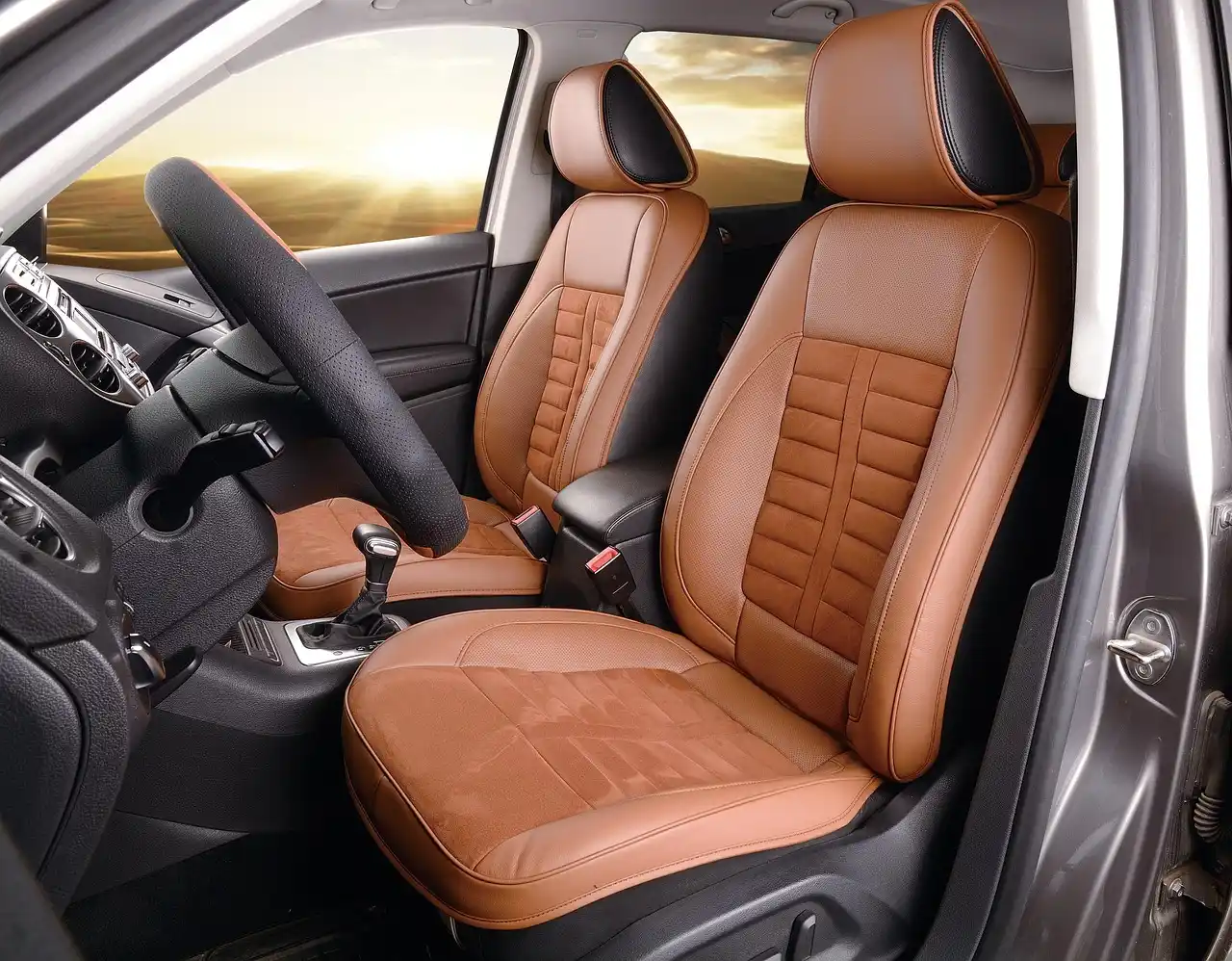
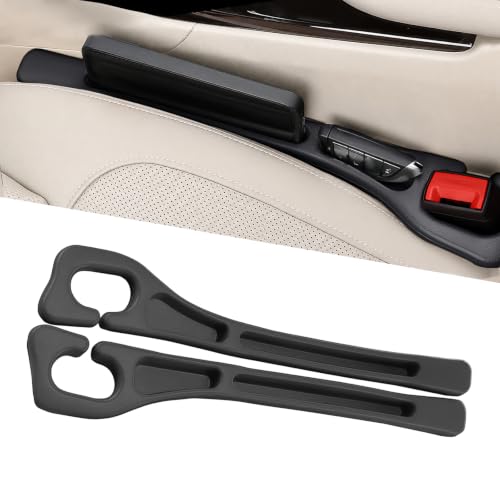


A car seat gap filler blocks the seat-to-console gap. A center console organizer sorts the storage space already inside the console. That difference matters because the two products solve different failures: one stops items from dropping out of reach, the other makes existing storage easier to use.
Some gap fillers are built to fit between the seat and console and keep items from getting lost. The product page also shows a collection of 11 products, a rating of 4.3/5, and listed prices of $65.99 USD and $55.99 USD for certain items. That range tells you the market covers more than one fit and finish level.
| Decision factor | Car Seat Gap Filler | Center Console Organizer | Winner |
|---|---|---|---|
| Gap blocking | Directly closes the seat-to-console drop zone | No effect on the gap itself | Car Seat Gap Filler |
| Storage capacity | Limited; may add a slim pocket or card slots | Divides and expands usable console storage with bins and compartments | Center Console Organizer |
| Fit complexity | Usually universal-fit, but gap width still matters | Often vehicle-specific and tied to year, make, model, and trim | Car Seat Gap Filler |
| Stability | Can shift, compress, or move with seat travel if poorly matched | Usually stable when the organizer matches the bin shape | Center Console Organizer |
| Best daily-use scenario | Stops dropped items during short hops, commuting, and family runs | Works best for deep or cluttered consoles that need sorting | Tie |
Gap blocking
The gap filler wins here because it targets the exact problem. If a phone, key, AirPods case, or parking ticket keeps slipping beside the seat, no console organizer will stop that drop.
That is why I tell people to block the gap first, then sort the console only if there is still a storage problem inside the bin.
Storage capacity
The console organizer wins on capacity because it is built to divide and sort what the console already holds. The common use case is clear: cables, sunglasses, documents, and smaller items each get a place instead of piling into one deep bin.
A gap filler may also provide a slim pocket or card slots, though that is usually a secondary benefit rather than its main purpose. If the console is already deep and messy, the organizer does more useful work.
Fit complexity
Gap fillers are usually the easier fit because many are sold as universal-fit pieces. Some are made to adapt to gaps between 0.2 and 1.2 inches, and the article says those versions aim to fit 95% of vehicles.
Console organizers are often made to fit specific vehicles and trims. The article says they are often vehicle-specific for a perfect fit, and custom-fit versions exist for models like Ford F-150, Toyota Tacoma, and Honda Pilot. That improves appearance, but it also means year, make, model, and trim matter more.
Stability
Console organizers usually win on stability when the bin shape is matched correctly. They drop into the console and stay put better than an improvised filler that does not match the gap well.
Gap fillers can still work well, but failure modes matter: shifting, compressing foam over time, or blocking seat movement. If the seat slides through a wide range, a loose filler can become annoying fast.
Best daily-use scenario
This row is a tie because both products fit different daily habits. The filler helps most when the driver is tired of dropped items. The organizer helps most when the driver is tired of clutter inside the console.
That split is why the right choice depends on the first problem you notice when you get in the car.
📊 The article says some gap fillers adapt to gaps between 0.2 and 1.2 inches. Source: Seat Gap Filler vs Center Console Organizer: Which Is Better?.
Which problem are you actually trying to fix?
If the main complaint is dropped phones, keys, coins, tickets, or earbuds near the seat-to-console gap, the gap filler is the fix. If the annoyance is a console full of cables, sunglasses, paperwork, and loose small items, the organizer is the better start.
These are separate failures. One is a drop zone. The other is a storage layout problem.
Solo commuter
A solo commuter usually benefits from the gap filler first if a phone or key keeps disappearing beside the seat. The organizer becomes useful only if the center console is already packed with charging clutter, receipts, and sunglasses.
Parent
Parents often need both, but the order still matters. Stop the drop zone first, because dropped toys, snacks, and tickets usually end up on the floor or under the seat, where they are hard to reach while driving.
Rideshare driver
A rideshare driver often benefits from the organizer earlier than most because the console may need to hold charging leads, documents, and small guest items. Still, if passenger movement or seat travel creates a wide gap, the filler is the better first purchase for keeping items from vanishing beside the seat.
Road-tripper
Road-trippers tend to need both functions. Long drives create more loose items, more charging gear, and more chances for a dropped toll ticket or phone to slide into the gap.

What should you measure before you buy?

Measure the seat-to-console gap before buying a gap filler, and check how the gap changes with seat position. For a console organizer, measure the console depth and opening shape, then confirm the year, make, model, and trim before ordering.
Fit problems usually come from skipping those steps. The wrong width leaves a gap filler loose, and the wrong console shape leaves an organizer rattling or sitting crooked.
- Measure the narrowest and widest part of the seat-to-console gap.
- Move the seat through its normal driving position and confirm the gap does not pinch shut.
- Check whether the console opening is deep, shallow, or stepped.
- Confirm the vehicle year, make, model, and trim for a console organizer.
- Look for interference with cupholders, seat controls, and armrest movement.
Seat-to-console gap checks
A gap filler needs room to sit without sliding under the seat rail or blocking seat travel. A gap that looks small when the seat is forward may open up when the seat reclines or moves back.
That is why universal fit is only half the story. The shape of the interior matters as much as the raw gap width.
Console checks
Console organizers depend on exact interior shape more than many buyers expect. Vehicle-specific fit aims for an OEM-like appearance and less wasted space, but it also means the part needs the correct trim and model-year match.
If the console bin is oddly shaped, a generic insert may tilt, rattle, or block access to the lid.
How do installation and fit differ?
Gap fillers usually install by insert, friction fit, or straps. Console organizers usually drop into the bin with no tools, but they rely on exact fit more than the filler does. Stability matters in both cases, because a loose accessory becomes a daily irritation quickly.
The practical difference is simple: the filler has to stay wedged beside the seat, while the organizer has to sit correctly inside the console.
Gap filler installation
Most gap fillers are simple to place, then adjust by hand until the edge sits snug against the seat and console. Some use adjustable plastic, while others depend on foam, rubber, or fabric-covered foam to fill the space.
The common failure mode is compression. Soft material can settle over time, especially if the seat moves often.
Console organizer installation
Console organizers usually go straight into the storage bin. When the fit is right, they feel built in rather than added on.
The risk is not hard installation. The risk is the wrong shape. A bad match can leave dead space, block the lid, or make removal awkward.
Common failure modes
Watch for shifting, blocked seat movement, and interference with cupholders or seat controls. A gap filler that prevents a dropped phone but rubs the seat track is not a good trade.
Likewise, a console organizer that divides storage well but makes it harder to open the bin is solving the wrong problem.
How do installation and fit differ?
Both products are usually tool-free, but the fit logic is different. A gap filler depends on the seat-to-console gap staying within its working range, while a console organizer depends on the bin geometry matching the vehicle interior closely enough to sit flat and stable.
That is why “universal” means something different for each one. Universal-fit gap fillers still need a width check. Vehicle-specific console organizers still need year, make, model, and trim confirmation.
Material and cleanup: foam, plastic, leather, and rubber
Gap fillers are commonly made from foam, rubber, fabric-covered foam, adjustable plastic, and sometimes premium leather or synthetic materials. Console organizers are commonly made from durable, easy-to-clean plastic. Material changes appearance, cleanup, and how tightly the accessory stays in place.
Foam is often softer and more forgiving. Plastic is usually easier to wipe down after dust, crumbs, or spilled coffee grounds.
Gap filler material trade-offs
Foam and fabric-covered foam can look closer to the cabin trim, but they may compress. Rubber and adjustable plastic tend to hold shape better, though they can look more utilitarian.
If the interior is a big concern, matching texture and color matters. If the main goal is simply to stop dropped items, function should come first.
Console organizer material trade-offs
Plastic organizers win on cleanup. They also usually keep dividers crisp, which helps with cables and small items that need separate spots.
The downside is that hard plastic can rattle if the fit is sloppy. A clean design still needs the right fit.
Choose Car Seat Gap Filler if… / Choose Center Console Organizer if…
Choose the gap filler if your main frustration is losing items between the seat and console, you want a simpler fit check, or you need a low-cost way to stop phones, keys, and cards from dropping near the pedals. Choose the organizer if your console is already crowded, deep, or badly sorted, and you need bins or dividers more than gap control.
If both problems exist, use both. The filler handles the drop zone. The organizer handles the clutter inside the console.
- Choose Car Seat Gap Filler if items keep falling beside the seat, the gap changes with seat position, or you want the faster first fix.
- Choose Car Seat Gap Filler if your console is fine but the floor is littered with dropped items.
- Choose Center Console Organizer if the console is deep, cluttered, or full of loose charging gear and paperwork.
- Choose Center Console Organizer if your vehicle has a specific bin shape and you want a more built-in look.
- Choose both if you have a real drop zone plus a messy console.
Can you use a seat gap filler and a console organizer together?
Yes. That is often the strongest setup because each accessory handles a different job. The gap filler blocks the drop zone, and the console organizer sorts the items that still need a home inside the console.
This combination is best when the cabin has both problems at once. It is not duplication; it is division of labor.
On the driver side, the filler reduces the chance of a phone or key sliding into the footwell. Inside the console, the organizer keeps cables, documents, sunglasses, and smaller items from becoming a single pile.
Which accessory fits better in a universal-fit vehicle interior?
A car seat gap filler usually fits better in a universal-fit interior because it is meant to adapt to varying gap widths. The article says some versions fit between 0.2 and 1.2 inches and aim to fit 95% of vehicles, though interior shape still matters.
A vehicle with a strange console shape is harder on an organizer than on a filler. Universal fit sounds broad, but it is more forgiving for gap blocking than for exact storage geometry.
Are center console organizers vehicle-specific or universal?
Center console organizers are often vehicle-specific for a perfect fit, though some universal styles exist. The vehicle-specific versions are made to match the exact year, make, model, and trim so they sit cleanly and waste less space.
That exactness is useful, but it raises the stakes on fit checking. A console organizer for one trim may not fit another trim from the same model family.
What should I measure before buying a seat gap filler?
Measure the width of the seat-to-console gap and check how that opening changes when the seat moves. A filler that works in one seat position may pinch or shift when the seat slides back or the backrest changes angle.
Also check nearby controls. If the filler crowds the seat track, buckle, or cupholder area, it will create a new annoyance while fixing the old one.
What should I check before buying a center console organizer?
Check the console depth, the opening shape, and the exact year, make, model, and trim. Vehicle-specific organizers often fit well only when those details match, and the wrong version can leave wasted space or interfere with the lid.
Look for small details like charging cable routing and how the insert sits inside the bin. Those details matter more than the marketing photos.
Which option is better if my console is already cluttered?
If the console is already cluttered, the center console organizer is usually the better first buy, because it creates order inside the storage bin you already use. If dropped items are also falling beside the seat, the gap filler still needs to come first so the clutter does not migrate to the floor.
That is the clean rule: clutter inside the bin points to the organizer, while lost items beside the seat point to the filler. If both are happening, solve the drop zone first.
Do gap fillers actually stop phones and keys from falling between the seat and console?
Yes, when the size and shape are right, a gap filler does stop common items from slipping into the gap. It is built for phones, keys, pens, coins, AirPods, and parking tickets, which are exactly the objects most likely to disappear beside the seat.
Fit still matters. A filler that is too narrow, too soft, or poorly positioned can leave enough room for small items to escape.
Frequently asked questions
Is a car seat gap filler better than a center console organizer?
A car seat gap filler is better when the main problem is dropped items beside the seat. A center console organizer is better when the console itself is messy or underused. The right pick depends on whether the issue starts at the gap or inside the bin.
Can you use a seat gap filler and a console organizer together?
Yes. That combination works well because the filler blocks the drop zone and the organizer sorts the console interior. It is the best choice when the cabin has both a gap problem and a clutter problem at the same time.
Which accessory fits better in a universal-fit vehicle interior?
A gap filler usually fits better in a universal-fit interior because it can adapt to different gap widths. Even then, it still needs a width check, since seat shape and trim details can change how well it stays in place.
Are center console organizers vehicle-specific or universal?
They are often vehicle-specific, though universal styles exist. Vehicle-specific organizers are usually the better fit because they match the exact year, make, model, and trim, which helps them sit flat and avoid wasted space.
What should I measure before buying a seat gap filler?
Measure the gap width and how it changes with seat position. That tells you whether the filler will stay put or get pinched, and it helps you avoid interference with seat controls, buckles, or nearby cupholders.
What should I check before buying a center console organizer?
Check console depth, opening shape, and the exact vehicle trim. A good organizer should fit the bin without rattling, blocking the lid, or leaving wasted space that defeats the point of buying it.
Products related to this article
Sponsored / affiliate links. As an Amazon Associate I earn from qualifying purchases. I may earn additional commission from eligible campaigns.
 FLORICH Leather Seat Cover, Car Seat Covers Front Set, Waterproof Car Seat Protectors, Front Seat Covers 2 Pack, Breathable Automotive Seat Covers Protector Fit for Most Cars Trucks SUV
 Huidasource Universal Car Seat Covers, Waterproof Faux Leather, Airbag Friendly, Easy Installation, Unobstructed Cup Holders, Scratch Resistant for Family Trips, Black & Blue