Car Shampoo Cost: What You’ll Really Pay
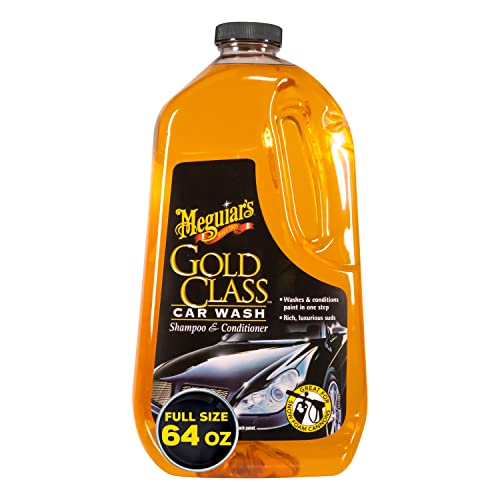
Car shampoo usually costs $8 to $25 per bottle, but the real cost is often under 50 cents per wash when dilution is 1:256 or better. Buy the wrong bottle, and you can pay more per wash without getting cleaner panels. This guide breaks down bottle price, dilution ratios, and cost per wash so you can compare cheap and premium shampoos fairly.
Dilution ratios and cost per wash
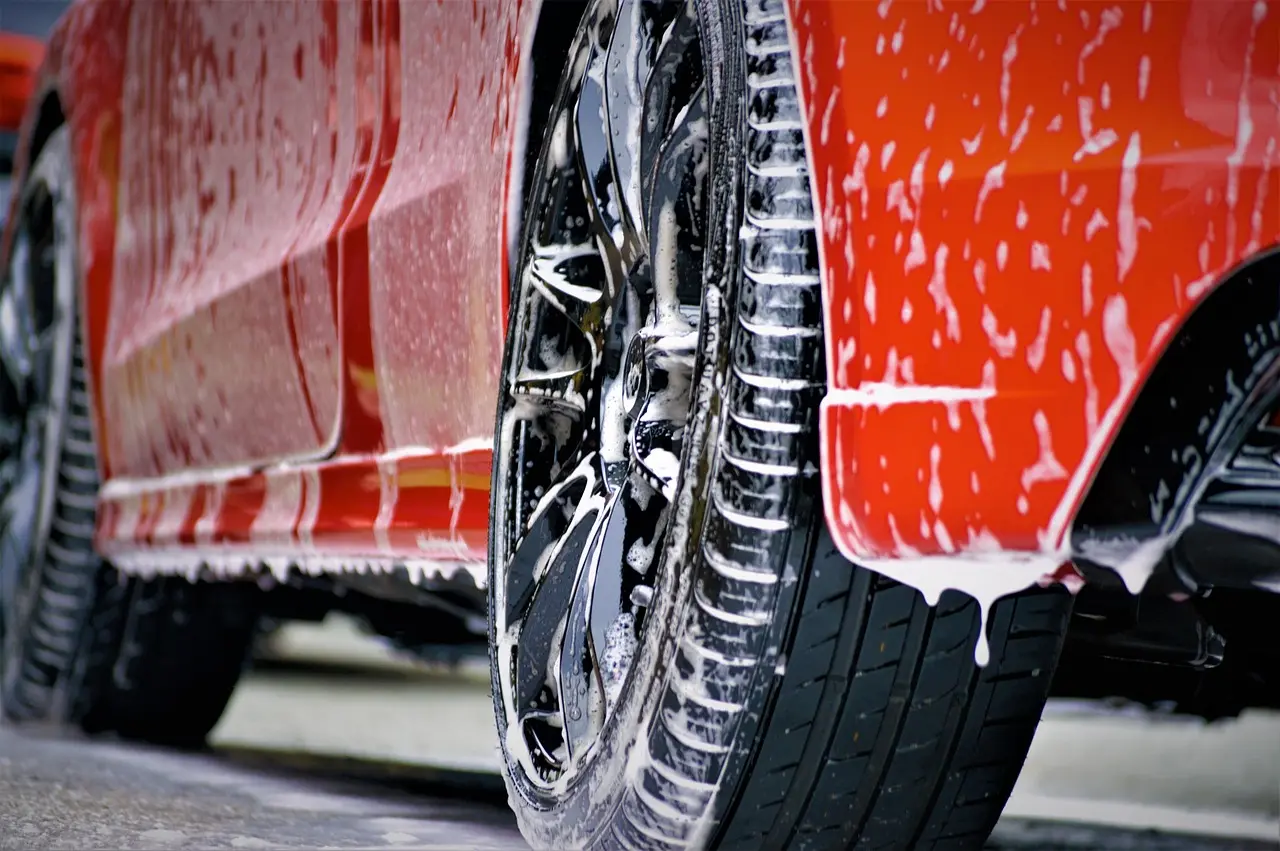


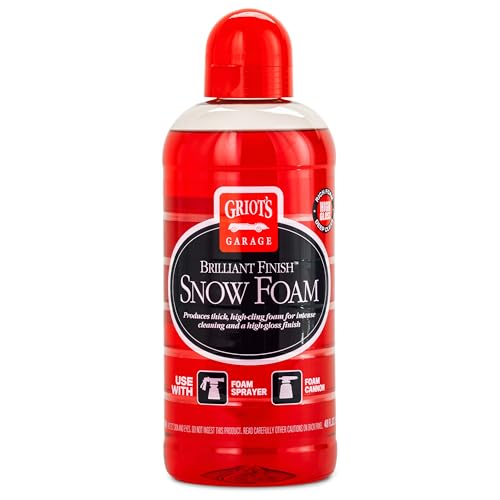
Car shampoo removes dirt, traffic film, and grime from exterior paint, glass, and trim. Bottle price matters, but cost per wash matters more because dilution changes how far the product goes. A concentrated shampoo can look expensive on the shelf and still cost less per wash than a ready-to-use bottle.
Different shampoos also fit different wash methods. Some are built for bucket washing, some work best through a foam cannon, and some are made for quicker, lighter cleaning. Size and brand affect the final price, and the label dilution instructions set the real running cost.
Bottle price versus cost per wash
A $12 bottle that lasts 40 washes is cheaper than a $7 bottle that lasts 10. That is why price per bottle is only part of the picture. The useful number is cost per wash, which depends on how much product you mix into each bucket or cannon fill.
Why dilution matters
Most concentrated shampoos list dilution ratios such as 1:256, 1:128, or a similar range. Higher dilution usually means lower cost per wash, provided the shampoo still cleans well enough for your dirt level. Follow the label, because overusing product raises cost and can leave residue on paint and trim.
How much does car shampoo cost?
Most car shampoo bottles are commonly priced between about $8 and $25, with premium or specialty formulas often costing more. Concentrates usually sit toward the lower end of cost per wash, while ready-to-use products often cost more each time you spray or pour them. pH-neutral formulas usually carry a small price premium because they are made to be gentler on wax or sealants.
Typical price bands by format
Concentrated car shampoo is often the best value if you wash regularly. Ready-to-use car shampoo is easier to grab and spray, but it generally costs more per wash because it comes pre-diluted. Foaming shampoos can sit in either category, but foam cannon use often consumes more product than a bucket wash.
What pH type changes in price
pH-neutral shampoo is usually sold as paint-safe and wax-safe or sealant-safe. That extra compatibility often adds to the price, though not always by a lot. Stronger cleaners can cost less, but they may be less suitable for frequent washing over protected paint.
Car shampoo cost breakdown table
| Format | Typical price band | Estimated washes per bottle | Approx. cost per wash, sedan | Approx. cost per wash, SUV | Approx. cost per wash, foam cannon |
|---|---|---|---|---|---|
| Concentrate, basic pH-neutral | $8-$15 | 25-60 | $0.15-$0.40 | $0.20-$0.55 | $0.35-$0.90 |
| Concentrate, premium pH-neutral or wax-safe | $15-$25 | 20-50 | $0.30-$0.75 | $0.40-$1.00 | $0.60-$1.40 |
| Ready-to-use spray or pre-diluted | $10-$20 | 6-20 | $0.75-$2.00 | $1.00-$2.50 | Usually not the best fit |
| Foaming shampoo | $10-$22 | 15-40 | $0.25-$0.70 | $0.35-$0.95 | $0.50-$1.25 |
These ranges assume common consumer bottles and normal label dilution. A sedan usually needs less solution than an SUV, and foam cannon use typically consumes more product than a bucket wash. Waterless products are priced differently because they are used in much smaller amounts and are not a direct substitute for a full shampoo wash.
What changes the cost per wash?
Three things move the number most: dilution ratio, vehicle size, and water hardness. The bottle may be cheap, but if the label calls for more ounces per wash, the real cost rises quickly. A product that looks similar on a shelf can behave very differently once mixed.
Dilution ratio and label directions
Always follow the label dilution instructions. A shampoo mixed at 1:256 stretches much farther than one mixed at 1:64. If the instructions call for a stronger mix in heavy grime, expect the cost per wash to climb on dirty days.
Vehicle size and panel area
A sedan usually needs less product than an SUV, and an SUV usually needs less than a truck. Bigger panels mean more water, more soap solution, and more passes with the mitt or sprayer. That does not always double the cost, but it does move it up.
Water hardness and rinse needs
Hard water can make soap feel weaker and can leave more residue if you under-dose the shampoo. In that case, some drivers use a little more product or add a rinse aid to help the final rinse sheet off cleanly. The shampoo itself does not change, but usage often does.
Say your compact sedan sits under a tree and has light dust. A single bucket wash with a concentrated shampoo may use very little product. Now suppose the same shampoo is used on a large SUV after a highway trip in hard water, the owner may need more solution and more rinse effort to get the same result.
Is premium shampoo worth it?
Premium shampoo can be worth the extra spend if you want pH-neutral cleaning, wax-safe performance, or better compatibility with sealants and ceramic-coated paint. If the car already has protection on it, paying a little more for a safer formula can be reasonable. If the paint is unprotected and the wash is routine, a basic concentrate often makes more sense.
pH-neutral and wax-safe formulas
pH-neutral shampoo is aimed at paint-safe cleaning with less risk to wax or sealant layers. That makes it a common choice for regular maintenance washes. The price premium is usually tied to gentler cleaning chemistry rather than fancy packaging.
Safe for ceramic coatings and sealants
Many shampoos are sold as coating-safe or sealant-safe, but the label matters more than the marketing. A coating-friendly shampoo can help preserve protection longer, though it will not fix poor washing technique. If the bottle does not state compatibility, do not assume it is ideal for coated paint.
Where cheaper shampoo makes sense
Cheaper shampoo can be a smart pick for fleet-style maintenance, older vehicles, or cars that need frequent light washes. If the goal is simply to remove dirt before it bonds to paint, a basic concentrate can do the job. The lower price matters most when the bottle still mixes at a useful dilution.
Which wash method costs the least?
Bucket washing usually costs the least in shampoo alone, because the dilution is efficient and the process uses the least product. Foam cannon washing tends to cost more per wash because it uses more solution. Waterless wash products can look cheap per bottle, but they are meant for very light soil and smaller surface areas.
Bucket wash
A bucket wash is usually the lowest-cost method for full-body cleaning. It works well with concentrated shampoo, especially when the label supports a high dilution ratio. For most owners, this is the best balance of cost and cleaning power.
Foam cannon
Foam cannon use often raises product consumption because a larger amount of shampoo is mixed into the cannon and sprayed over the car. The visual foam can help loosen grime, but it is not free. If the bottle is sold as foam-safe, check how many ounces the maker recommends per fill.
Touchless wash
Touchless washing can use stronger chemistry and more solution because there is no mitt contact to carry away film. That can increase product cost, especially on dirty vehicles. It is convenient, but the shampoo bill can be higher than with a careful bucket wash.
Waterless wash
Waterless wash products use the least liquid, but they are for light dust and small jobs, not heavy road film. Their cost per bottle may be modest, yet the product is not comparable to a standard shampoo wash for a dirty SUV or truck. Use them only where the label allows.
How much does a car wash service cost?
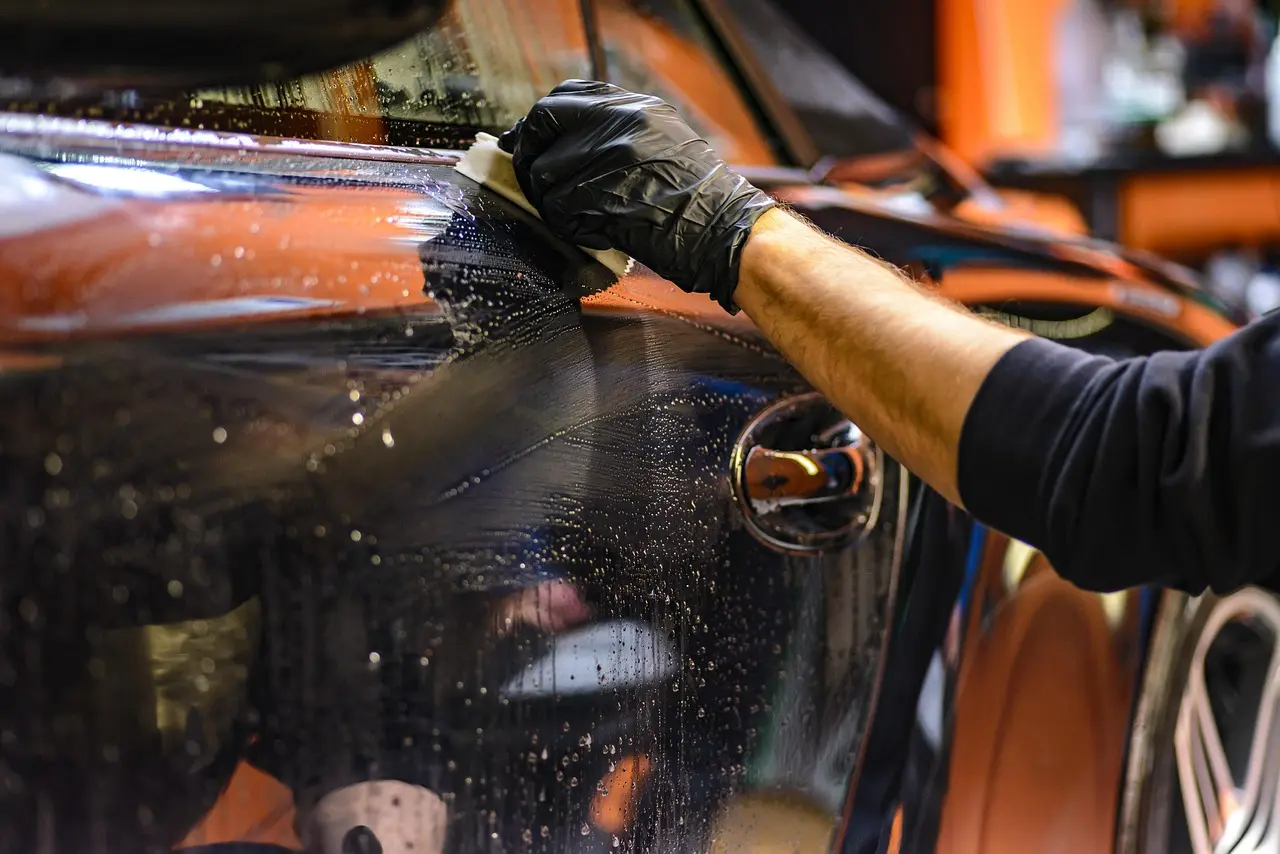
Car wash service pricing is separate from DIY shampoo cost. A basic automatic or hand wash can be inexpensive, while a full detail can cost far more. Local market, labor rates, and vehicle size all change the number, so any single price should be treated as a range rather than a promise.
Basic wash price range
A basic wash often falls in the low tens of dollars in many markets, but the exact number varies by city and type of wash. Some locations price by vehicle size, and some charge more for trucks, lifted vehicles, or oversize SUVs. If you are comparing near you, check the posted menu before you compare by app alone.
Full detail price range
A full detail costs much more because it includes labor, time, and more than shampoo. Interior cleaning, paint decontamination, polishing, and protection all change the final bill. This is where people sometimes ask how much car polish cost, but polish pricing is a separate service line from a simple wash.
Why local market prices vary
Prices move with labor rates, water costs, rent, and local demand. In the USA, in the Philippines, in India, and in Dubai, the same service can land in very different price bands. That is why “near me” matters more than any national average when you are choosing a shop.
- Check the bottle dilution ratio first.
- Match the shampoo to your wash method.
- Estimate how much your vehicle size will use.
- Compare cost per wash, not only bottle price.
- Confirm wax-safe, sealant-safe, or coating-safe claims on the label.
Suppose your compact hatchback is covered in road salt after a winter storm. A pH-neutral concentrate that is safe for coated paint may cost more up front, yet it can still be the better buy if it protects the finish and keeps the cost per wash low. The same bottle may be overkill for a lightly driven daily car with no protection.
Frequently asked questions
How much does it cost to shampoo a car?
DIY shampoo cost is often under about $1 per wash when a concentrated product is used at the label dilution. A sedan usually falls on the lower end, while an SUV or truck uses more solution. If you pay for a wash service, the total cost is higher because labor is included.
How much does car shampoo cost: most car shampoo bottles cost?
Most car shampoo bottles cost $8 to $25, with concentrated formulas usually delivering the best value. Ready-to-use products often cost more per wash because they are pre-diluted. Premium pH-neutral or wax-safe formulas can cost more, but they are often sold for protection compatibility rather than raw cleaning strength.
How much car wash cost
A basic car wash often starts in the low tens of dollars, but the price changes by city, shop type, and vehicle size. A full detail costs much more because it includes labor-intensive work beyond shampooing. Always compare the menu at the local wash rather than using a fixed national number.
How much does it cost to shampoo a car yourself?
For many owners, DIY shampoo cost is often around a few dimes to about a dollar per wash, depending on dilution and vehicle size. A bucket wash with concentrate is usually the cheapest approach. Foam cannon use, hard water, and larger vehicles can push the cost higher.
How much car wash cost in usa
In the USA, prices vary widely by region and service type. A basic wash is usually far cheaper than a full detail, and trucks or large SUVs often cost more than sedans. Local labor rates and real estate costs can move the price more than the shampoo itself ever will.
How much car shampoo cost to buy
To buy a bottle, expect roughly $8 to $25 for most consumer shampoos. Concentrates are usually the better deal if you wash often, because they stretch farther per bottle. If you want foam-cannon compatibility or pH-neutral protection, the price can move upward.
Products related to this article
Sponsored / affiliate links. As an Amazon Associate I earn from qualifying purchases. I may earn additional commission from eligible campaigns.