How Much Does a Car Wash Kit Cost?
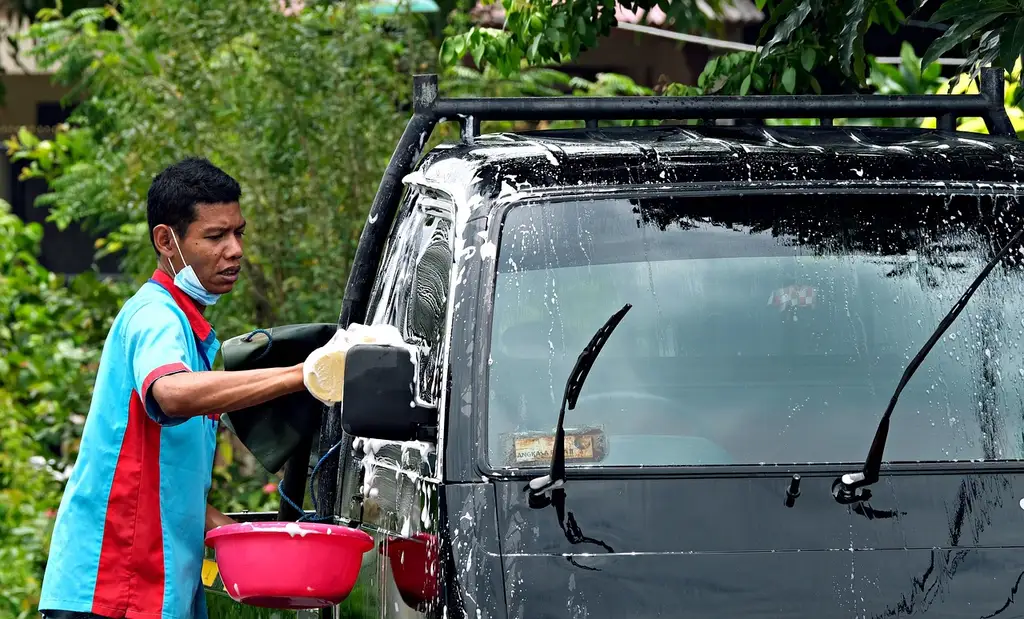
A basic DIY car wash kit costs about $20 to $40, a mid-tier kit runs about $50 to $100, and a better starter bundle with tools and drying gear usually lands around $100 to $150. Buy the wrong kit and you can waste money on weak soap, scratch paint with poor towels, or end up replacing missing pieces later. This guide breaks down each price tier, what it usually includes, and how much car you can actually wash with it.
Must-have car wash kit items
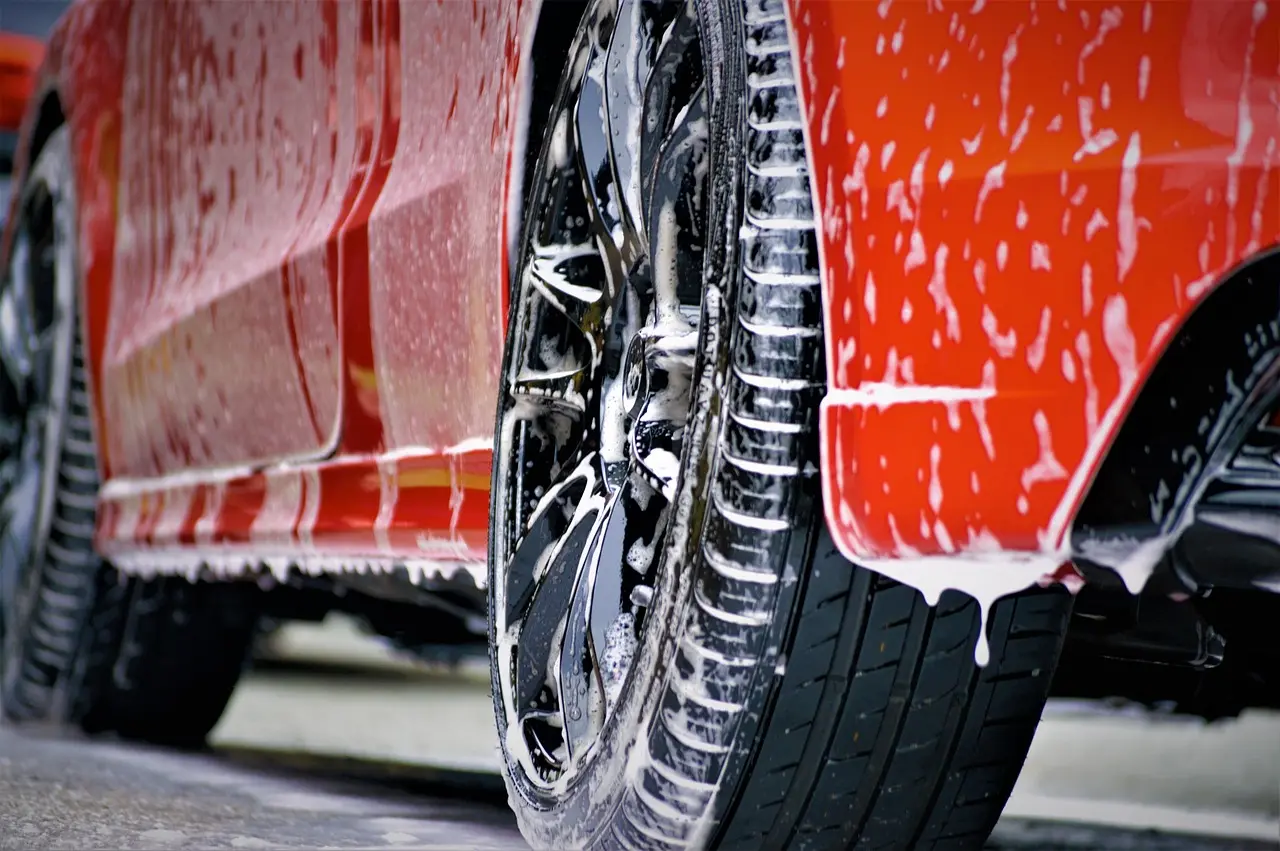
For a safe hand wash, the core pieces are soap or shampoo, a wash mitt, and a bucket. Add a grit guard if you want cleaner rinse water and less grit on the mitt. These parts set the entry-level cost, and they decide whether a kit can clean paint safely or only look complete on paper.
Soap or shampoo
Look for a pH-balanced car wash soap, not dish soap or a harsh all-purpose cleaner. Good formulas are made to be safe for wax and sealants, and concentrates usually lower the per-wash cost. A small bottle can stretch a long way if the dilution ratio is clear.
The cheap mistake is buying soap by bottle size alone. A smaller concentrate with the right mix can cost less per wash than a large bottle that needs more product in the bucket. For coated or waxed paint, gentle soap matters more than big foam.
Wash mitt
A wash mitt is the part that touches paint, so material matters. Microfiber and chenille mitts are the common safe choices because they hold suds and trap grit better than rough sponges. Low-quality mitts can drag dirt across the clear coat and leave marks.
Single mitts are common in starter kits, while multi-packs show up in higher tiers or separate buyups. A second mitt is useful for wheels or lower body panels, and that separation cuts contamination. Replace a mitt when the fibers mat down, feel stiff, or stop rinsing clean.
Bucket and grit guard
A bucket is the simplest part of the setup, but the grit guard is the detail that changes how safe the wash is. The guard sits at the bottom and helps dirt settle below the wash water line. That supports a two-bucket method, with one bucket for soap and one for rinse water.
This add-on is cheap compared with paint correction, which is why it changes the true cost more than most shoppers expect. One bucket can work for light dust, but the two-bucket method is the safer standard for regular washing.
- Mix soap in a clean bucket with the dilution the label calls for.
- Rinse the mitt often so grit drops out before it touches paint again.
- Wash top to bottom, saving the dirtiest panels for last.
- Dry with clean microfiber towels instead of letting water air-dry on the surface.
Nice-to-have extras
Once the basics are covered, extra towels, wheel cleaner, and spray tools start moving the price upward. A drying towel reaches the paint first, wheel cleaner cuts brake dust faster than soap, and a spray tool helps cover larger panels with more suds. These items save time and improve finish quality, but they should come after safe-wash basics. The right add-ons depend on vehicle size, storage space, and how often you wash.
Microfiber towels
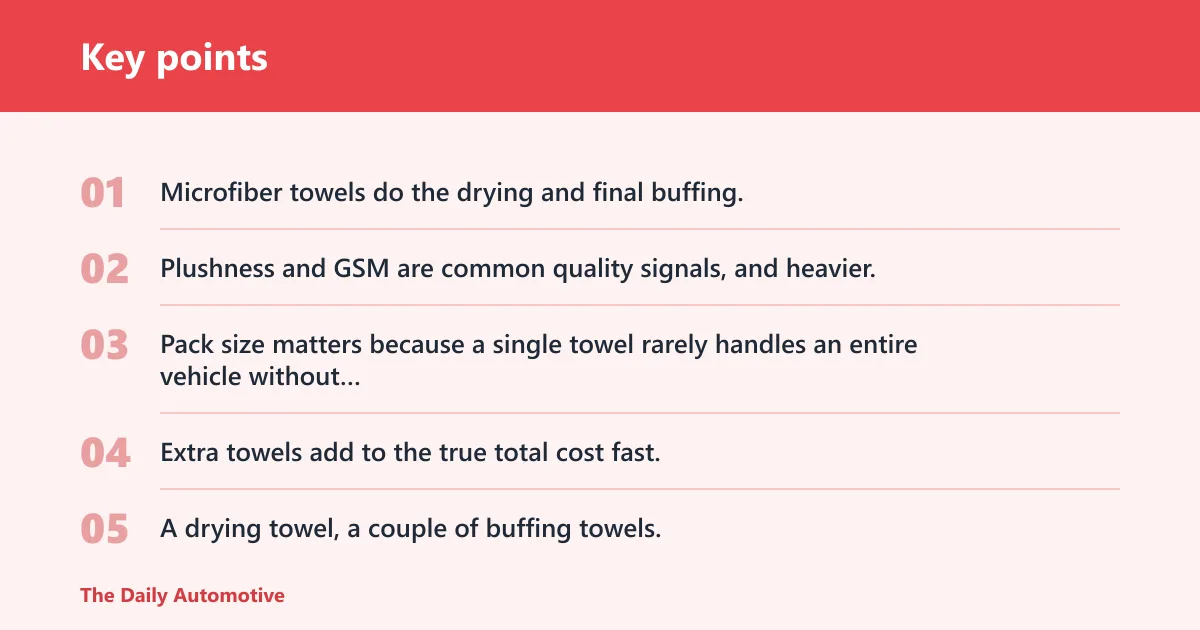
Microfiber towels do the drying and final buffing. Plushness and GSM are common quality signals, and heavier, softer towels usually cost more. Pack size matters because a single towel rarely handles an entire vehicle without getting saturated.
Extra towels add to the true total cost fast. A drying towel, a couple of buffing towels, and a dedicated wheel towel are a practical minimum for many cars. Cheap towels can shed lint or become less absorbent after a few washes, so replacement is part of the budget.
Wheel cleaner
Wheel cleaner is a useful add-on when brake dust builds up quickly or when the wheel finish needs more than soap can provide. It belongs more in a balanced or premium kit than a bare-bones bundle. The tradeoff is extra cost and another chemical to store safely.
Many starter kits skip it, which is fine if the wheels are only lightly dirty. If the car has dark wheels or a lot of brake dust, a dedicated cleaner can save time and cut scrubbing.
Foam cannon or foam gun
A foam cannon is a pressure washer attachment, so it only works when the setup includes pressure washer compatibility. It adds cost to the kit and is often sold separately or in bundles. A foam gun is the easier option for hose users, but it does not clean by itself.
Foam looks impressive, yet the real value is lubrication and pre-soak coverage. If the rest of the kit is weak, a cannon is a poor place to spend first. If a pressure washer is already in the garage, it can be a strong upgrade for larger vehicles.

@utos 8-piece wash kit
Based on the published product details, this 8-piece exterior set is the kind of budget bundle that can fill several gaps at once. The 62-inch handle reaches high surfaces easily, and the microfiber heads are meant to reduce scratch risk. It fits the starter-bundle role well.
The drawback is scope. It is focused on exterior washing, so it does not replace a full detailing setup with separate drying, interior, and specialty cleaning tools. Buyers who want one kit for everything will still need to add towels, soap choices, and possibly a better bucket setup.
Cerakote rapid ceramic paint sealant
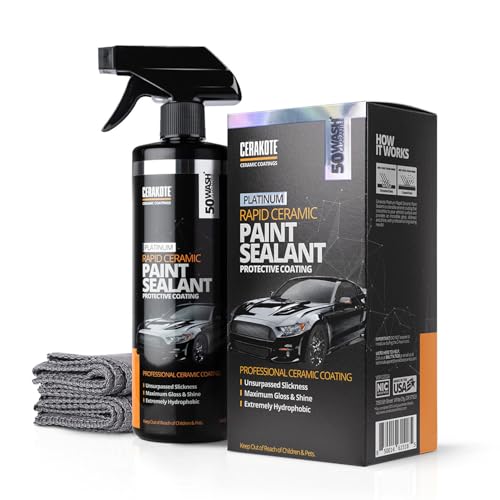
Based on the published product details, this spray sealant belongs in the add-on column rather than the core wash-kit column. It is priced at $19.69, is described as safe on all paint colors and clear coats, and is positioned as a hydrophobic spray wax alternative with 50-wash durability.
The drawback is that it is not a wash kit and it does not clean the car by itself. It adds protection after washing, which makes sense for owners who want longer-lasting slickness, but it raises the true project cost and is easy to skip in a basic setup.
Consumables and spares
Soap, towels, and mitts wear out at different rates, so the price of a car wash kit is never only the sticker price. Soap is the easiest cost to predict because each wash uses a measured amount. Towels and mitts last longer, but they do need replacement when absorbency drops or fibers pick up damage.
How soap affects per-wash cost
Car wash soap is a consumable, and a concentrate usually drives the cost per wash down. The exact number depends on dilution, but the math is simple: divide the bottle cost by the number of washes it yields. A pH-balanced formula also protects wax and sealants, which helps avoid another expense.
Say your concentrate costs less than a lunch order and delivers many washes; that can be smart value. Say the bottle is cheap but calls for heavy dilution and still leaves the paint dry or streaky; then the bargain may be false economy.
Towel replacement and wear
Microfiber towels do not last forever. They lose softness, pick up lint, and become less effective when washed with fabric softener or overloaded with residue. A larger pack can spread wear across more washes, which lowers the cost of keeping the kit usable.
For apartment users with limited laundry space, towel count matters even more. Fewer towels mean more wash cycles before everything is fully clean and dry, which can make a cheap bundle feel expensive in practice.
When to replace a wash mitt
A wash mitt should be replaced when the fibers stop gliding, the stitching opens, or the mitt starts trapping grit even after careful rinsing. Low-quality mitts often wear out sooner, and that raises the real cost of a very cheap kit.
For winter use, a mitt can age faster because it sees more road film, salt, and heavy rinse cycles. If the mitt no longer releases dirt easily, the paint takes the risk.
Budget setups
The cleanest way to compare car wash kit cost is by setup, not piece count alone. A bare-bones kit can wash a car safely if the soap and mitt are decent. A balanced kit adds the items that make the job easier. An enthusiast setup starts including pressure-wash tools and more specialized cleaning gear.
| Tier | Likely contents | What is missing | What it can wash safely | Likely add-ons that change total cost |
|---|---|---|---|---|
| Bare-bones | Soap or shampoo, one wash mitt, one bucket, one drying towel | Grit guard, extra towels, wheel cleaner, pressure-wash tools | Light to moderate dirt on a single car, if you rinse the mitt often | Second bucket, grit guard, extra microfiber towels, better mitt |
| Balanced | Soap, microfiber mitt, two buckets, grit guard, multiple towels, wheel cleaner | Foam cannon, specialty protection products, larger accessory set | Regular weekly washing on one or two vehicles, including dirtier lower panels | Foam gun or cannon, drying towel upgrade, sealant, wheel brush |
| Enthusiast | High-lubricity soap, multiple mitts, plush towels, wheel cleaner, foam cannon, accessory bundle | Nothing essential, but the setup may still need a pressure washer | Multi-vehicle washing, larger SUVs, maintenance washes with more control | Pressure washer, extra hose fittings, more towels, replacement consumables |
Which kit fits your setup?
The right tier depends on where you wash, how much dirt the car collects, and whether you already own water and pressure equipment. Beginners usually need fewer gadgets and more completeness. Apartment users need portability. Winter and coated-car owners need better dirt control and safer chemicals.
Beginner garage setup
If you have a driveway or garage and want the simplest clean path, start with a balanced kit. That gives you soap, a mitt, two buckets, and enough towels to dry the car without chasing missing pieces. For a first purchase, completeness matters more than a big piece count.
A common first-timer mistake is buying a flashy bundle with a foam tool and then discovering it still lacks a second bucket or enough towels. The result is extra shipping, extra purchases, and a higher true cost than a cleaner starter set.
Apartment-friendly setup
If storage is tight, look for a smaller kit with a compact bucket, a good mitt, and just enough microfiber towels to dry the car cleanly. A foam cannon is usually a poor fit unless a pressure washer is already available at the wash location. Portable matters more than bulk.
For apartment users, the hidden cost is often storage space rather than dollars. A kit that fits a trunk or closet and includes the basics can be worth more than a larger package that is awkward to carry or dry between uses.
Winter or ceramic-coated car
For winter use, choose a gentle pH-balanced soap and enough clean towels to keep salt off the paint. For ceramic-coated cars, prioritize lubricity and towel quality, then add a compatible spray sealant if you want a maintenance layer. The surface protection does not reduce the need for careful washing.
Picture a coated sedan in road salt weather: one pass with weak towels can leave streaks even if the soap is fine. More absorbent drying gear and a safer mitt matter more than a giant accessory count.
How much does a car wash kit cost by tier?
The short answer is that the cheapest usable kits start around the low end of the $20 to $40 range, mid-tier kits usually move into $50 to $100, and a fuller starter bundle with better drying gear and extras can reach $100 to $150. The real number depends on what is included, not just the headline price.
Typical entry-level price range
A bare-bones kit usually covers soap, one mitt, one bucket, and a towel or two. That is enough to wash a car safely if the products are decent. The price stays low because the bundle leaves out the accessories that most people buy later anyway.
Mid-tier price range
A mid-tier kit often adds extra towels, better soap, a grit guard, or wheel cleaner. That is where many shoppers get the best balance of price and completeness. The spread is wide because a package can look mid-tier while still missing one costly item, such as the second bucket.
What pushes the total higher
Foam cannons, pressure washer requirements, more microfiber towels, and sealant products all move the total up. Buying separate pieces instead of bundles does the same thing if the kit leaves out basics. The largest hidden cost is usually not the soap; it is the pile of small add-ons that make the setup work smoothly.
What changes the true total cost
Sticker price is only part of the math. The true total cost changes when a kit needs a pressure washer, when the towels are too few for safe drying, or when a bargain bundle pushes you into replacement purchases within a few washes. Bundle completeness is the key line item.
Buying pieces separately versus bundles
Bundles can save money when they include the correct mix of soap, mitt, towels, and buckets. Separate buying can work better when you already own some items and want higher-grade replacements. The wrong bundle is expensive because it forces you to buy the missing tools afterward.
Pressure washer compatibility
A foam cannon only pays off if a pressure washer is already part of the setup. Without that compatibility, the accessory is useless. This is why a kit with a foam cannon can cost more than it first appears, even when the labeled kit price looks fair.
Extra towels, buckets, and grit guards
These are small purchases with large effect. A second bucket and a grit guard are inexpensive compared with the cost of correcting scratched paint. Extra microfiber towels are also cheap compared with ruining a drying pass or dragging dirty water back onto the finish.
Frequently asked questions
How much does a car detailing kit cost?
A basic car detailing kit often starts around $20 to $40, while a more complete kit with better towels, wheel cleaner, and drying gear can run $50 to $150 or more. The exact cost depends on whether the kit is only for washing or also includes interior and finishing products.
How much does a car cleaning kit cost?
A car cleaning kit usually overlaps with a wash kit and can cost about $20 to $100, depending on contents. Simple starter sets are cheaper because they include the essentials only. Larger sets cost more when they add specialty soap, extra towels, brushes, and separate cleaners for wheels or interiors.
How much does a detailing kit cost?
Detailing kits tend to cost more than a plain wash kit because they include more categories of products. A small kit may be near the low end of the market, but a fuller kit with foam tools, towels, wheel cleaner, and protectants can move into triple digits. Contents matter more than piece count.
How much does a do it yourself car wash cost?
A do-it-yourself car wash can be very inexpensive after the initial kit purchase because soap and water are the main recurring costs. The real spend comes from towels, mitts, and add-ons such as a foam cannon or sealant. If you already own the bucket and towels, each wash can cost very little.
What is the average price of a car wash?
The average price of a professional car wash varies by region and service level, but the common comparison point is that repeated home washing often becomes cheaper once you own the tools. The first purchase matters most. After that, soap and water are usually far less expensive than paying for every wash.
How much does it cost to build a self car wash?
Building a self car wash business is a different scale entirely from a home kit. It involves land, plumbing, bays, equipment, drainage, permits, and ongoing maintenance, so costs can be far beyond consumer-grade pricing. For a DIY owner, the relevant comparison is usually a kit versus recurring pay-per-wash visits.
Products related to this article
Sponsored / affiliate links. As an Amazon Associate I earn from qualifying purchases. I may earn additional commission from eligible campaigns.
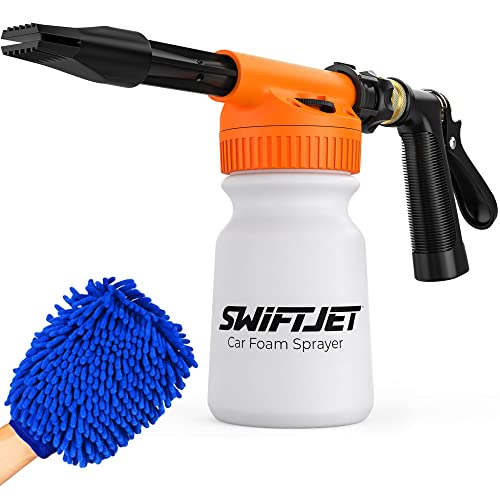 SwiftJet Car Wash Foam Gun + Microfiber Wash Mitt - Foam Cannon Works with Any Soap - Garden Hose Car Foam Sprayer - Car Wash Kit - Car Accessories Foam Blaster (Orange Foam Gun with Mitt)
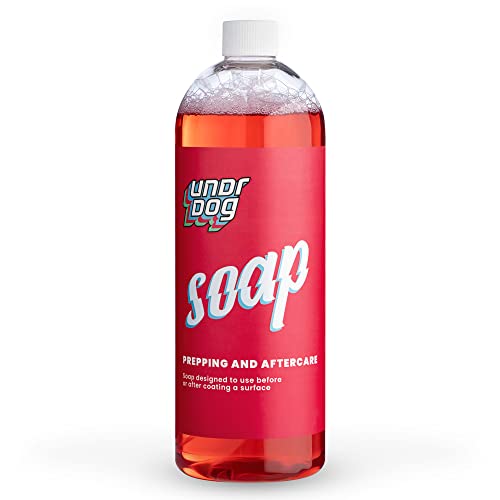 Undrdog Car Wash Soap, Foam Cannon Soap For Pressure Washer, Cleaner Detailing Supplies, Foam Gun Soap For Cars, Motorcycles, Trucks, Boats, 8, 16, 32oz (32oz)