Hitches for Cars: Which Class and Type Do You Need?
Hitches for cars come in five weight classes, I through V, and several mounting types, receiver, weight-distribution, gooseneck, and fifth-wheel. The right one depends on your vehicle’s rated towing capacity and what you actually plan to tow, not just the receiver opening size.
Buy a hitch rated below what you tow and you risk bent frames, blown tires, or a trailer that sways out of control. Buy one that does not physically fit your vehicle’s frame and it will not install at all. This guide walks through the five hitch classes, the main hitch types, and how to match one to your car before you spend money on the wrong part.
If you already know you need a Class III hitch and want help picking between specific towing-capacity ratings or comparing installation options for your exact make and model, our tow hitch for car guide goes deeper into that side of the decision.
Hitch Classes Explained: Class I Through Class V
ANTI-THEFT HITCH ACCESSORY
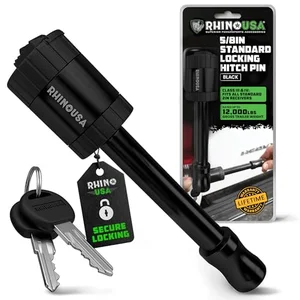 |
Rhino USA Locking Trailer Hitch Pin – $25.90 Whatever class hitch you end up buying, a locking pin like this is the cheapest insurance against someone walking off with your ball mount or cargo carrier.
|
Every hitch sold in the U.S. is rated under the Society of Automotive Engineers’ SAE J684 towing standard and assigned a class from I to V. The class tells you two things at a glance: the receiver opening size and the maximum gross trailer weight (GTW) the hitch is built to handle.
| Class | Receiver Size | Max Gross Trailer Weight | Max Tongue Weight | Typical Use |
|---|---|---|---|---|
| Class I | 1-1/4 in | Up to 2,000 lbs | Up to 200 lbs | Small utility trailers, bike racks, cargo baskets |
| Class II | 1-1/4 in | Up to 3,500 lbs | Up to 350 lbs | Small campers, jet ski trailers, light cargo trailers |
| Class III | 2 in | Up to 8,000 lbs | Up to 800 lbs | Most SUVs, midsize trucks, boat trailers, small campers |
| Class IV | 2 in | Up to 10,000–12,000 lbs | Up to 1,200 lbs | Full-size trucks and SUVs towing heavier campers or car trailers |
| Class V | 2-1/2 in | Up to 17,000–20,000 lbs | Up to 2,000 lbs | Heavy-duty trucks, commercial and horse trailers |
These figures are ceilings for the hitch hardware itself, not your vehicle. Your car’s actual towing capacity, set by the manufacturer for the frame, cooling system, brakes, and axle, is almost always the lower and more important number. A Class III hitch bolted to a compact crossover does not mean that crossover can safely pull 8,000 lbs.
Tongue weight (TW) is the downward force the trailer’s coupler puts on the hitch ball, typically 10 to 15 percent of the loaded trailer’s total weight. Both GTW and TW matter: a trailer within the GTW limit but overloaded at the tongue can still cause dangerous sway.
Types of Hitches: Receiver, Weight-Distribution, Gooseneck & Fifth-Wheel
Class tells you the weight rating; type tells you how the hitch physically connects to the trailer. Most car and SUV owners only ever need the first one on this list.
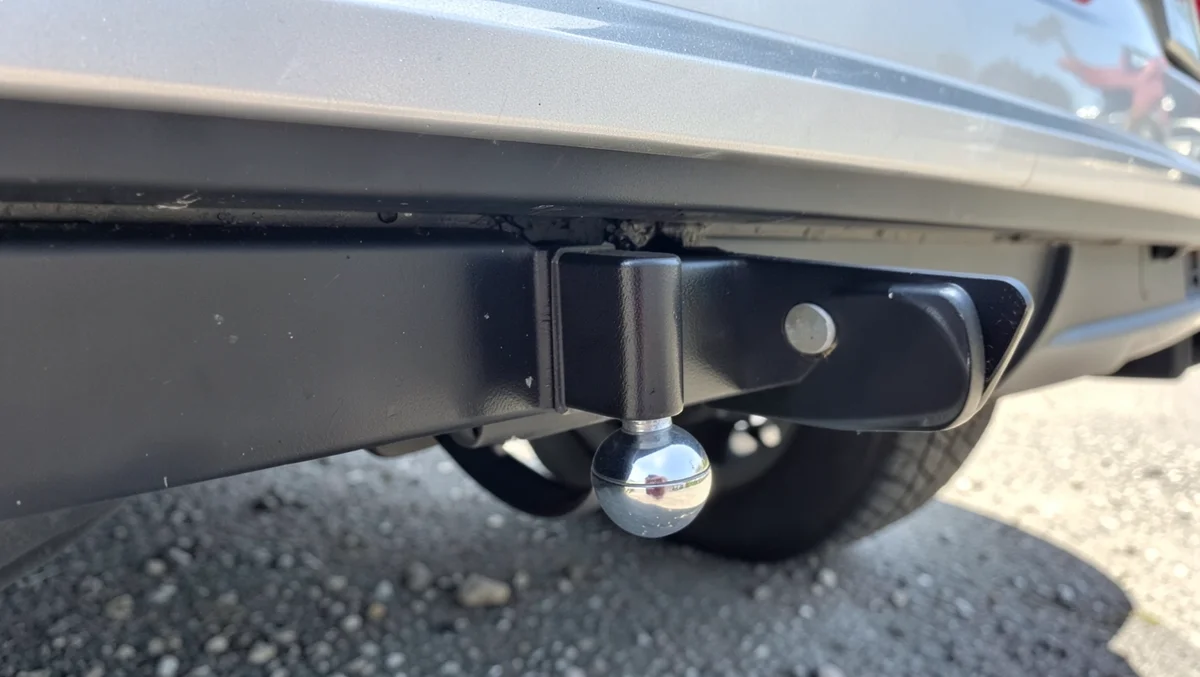
- Receiver hitch: The square tube mounted under the rear bumper that accepts a ball mount, cargo carrier, or bike rack. This is what most people mean when they say car hitch, and it covers Class I through IV.
- Weight-distribution hitch: Adds spring bars that transfer some of the trailer’s tongue weight forward onto the tow vehicle’s front axle, reducing sway and rear-end squat. Recommended once a trailer’s loaded weight gets close to the vehicle’s tow rating.
- Gooseneck hitch: Mounts in the truck bed over the rear axle using a ball that connects to a trailer’s overhead coupler. Used almost exclusively on pickups for livestock, equipment, and heavy flatbed trailers.
- Fifth-wheel hitch: Also bed-mounted, but uses a kingpin-and-plate connection like a semi-truck. Offers the most stability of any type and is the standard choice for large RVs.
For a passenger car, crossover, or SUV, you will almost always be shopping for a Class I through Class III receiver hitch. Gooseneck and fifth-wheel setups require a pickup bed and are not relevant to most car owners.
How to Check Your Car’s Real Towing Capacity
Before buying anything, find your vehicle’s manufacturer-rated towing capacity, not the hitch’s rating. Three places to look:
- The owner’s manual, usually in a towing or trailering section near the vehicle specifications.
- The driver-door jamb sticker, which sometimes lists gross combined weight rating (GCWR) alongside tire and payload information.
- The manufacturer’s official towing guide, published annually and searchable by trim and engine option, since towing capacity can vary by hundreds or thousands of pounds between trims of the same model.
Never rely on a hitch’s printed weight rating as a stand-in for your car’s towing capacity. The hitch is only one link in the chain that also includes the frame, hitch ball, wiring, brakes, and cooling system.
Hitch Compatibility: Matching a Hitch to Your Specific Vehicle
Most bolt-on receiver hitches are custom-engineered per vehicle, not universal. A hitch built for a Toyota Highlander will not bolt onto a Hyundai Santa Fe even if both are rated Class III, because the frame mounting points, exhaust routing, and bumper clearance differ between models.
- Search by your exact year, make, model, and trim when shopping, not just by receiver size.
- Check whether your vehicle needs a wiring harness adapter to power trailer lights, sold separately from most hitches.
- Confirm ground clearance if you also run skid plates, tow hooks, or aftermarket bumpers, since some hitches interfere with these.
- If your vehicle already has a factory tow package, verify whether the receiver and wiring are already installed before buying a full aftermarket kit.
DIY Installation vs. Professional Installation
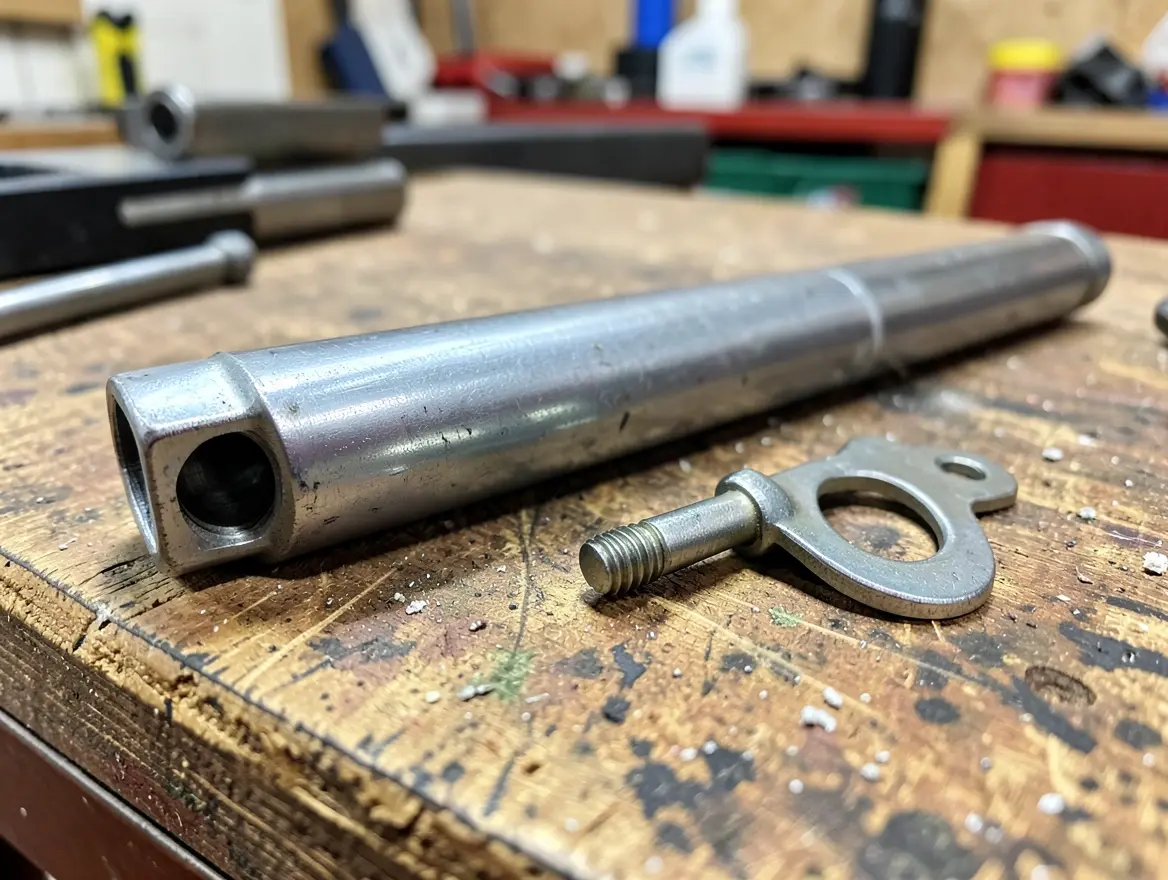
Most bolt-on receiver hitches for cars and SUVs are designed for no-drilling installation, using the vehicle’s existing frame holes. A comfortable DIY mechanic can usually install one in one to two hours with basic hand tools, a torque wrench, and a helper to hold the hitch in place while bolts are started.
- Gooseneck and fifth-wheel hitches almost always require professional installation, since they involve cutting into or drilling through the truck bed.
- If your vehicle needs a wiring harness spliced into the factory harness rather than a plug-and-play connector, professional installation avoids electrical issues down the road.
- Torque every bolt to the manufacturer’s specification. Under-torqued hitch bolts are a common cause of rattling and, in rare cases, hitch failure under load.
What to Look for When Buying a Hitch
- Material: Steel hitches are stronger and cheaper; aluminum hitches weigh less and resist rust but generally cost more.
- Finish: Powder coating and e-coating resist corrosion far better than bare or painted steel, especially in road-salt climates.
- Locking hardware: A locking hitch pin or coupler lock is inexpensive insurance against theft of the hitch, ball mount, or whatever is attached to it.
- Warranty: Established brands like CURT, Reese, and Rhino USA typically back their hitches with multi-year or lifetime warranties against defects.
- Reviews for your exact vehicle: Vehicle-specific hitches often have model-specific reviews mentioning fitment quirks worth reading before you buy.
Frequently Asked Questions
What Class Hitch Do I Need for My Car?
Check your owner’s manual or door-jamb sticker for your vehicle’s manufacturer-rated towing capacity first, then buy a hitch class that meets or exceeds that number. Most sedans, crossovers, and midsize SUVs use a Class I, II, or III hitch.
What Is the Difference Between a Receiver Hitch and a Weight-Distribution Hitch?
A receiver hitch is the mounting point itself. A weight-distribution hitch is an add-on that attaches to a receiver hitch and uses spring bars to spread the trailer’s tongue weight across both axles, reducing sway on heavier loads.
Can I Install a Hitch Myself?
Most bolt-on receiver hitches for cars and SUVs are designed for DIY installation with basic hand tools and no drilling. Gooseneck and fifth-wheel hitches on trucks typically require professional installation.
What Size Receiver Do Most Hitches Use?
A 2-inch receiver opening is the most common size, used on Class III and Class IV hitches. Lighter Class I and Class II hitches use a smaller 1-1/4-inch opening, and heavy-duty Class V hitches step up to 2-1/2 inches.
Do All Cars Have a Manufacturer Towing Capacity?
Most modern cars, crossovers, and SUVs have an official towing capacity even if they do not come with a hitch pre-installed. Check the owner’s manual or the manufacturer’s towing guide rather than assuming a small car cannot tow anything.
Is It Safe to Tow at a Hitch’s Maximum Rating?
Towing right at the maximum rating leaves no safety margin for hills, wind, or braking distance. Most experienced towers recommend staying at 80 to 90 percent of the lower of the hitch’s or vehicle’s rated capacity.
The Bottom Line
Matching a hitch to your car comes down to two numbers: your vehicle’s real towing capacity and the weight of what you plan to tow. Pick the hitch class that comfortably covers that weight, confirm the receiver hitch is built for your exact vehicle, and add a locking pin so the hitch is still there when you go to use it. Once you have the class and type sorted, our tow hitch for car guide can help you compare specific towing-capacity ratings and installation options.
Products related to this article
Sponsored / affiliate links. As an Amazon Associate I earn from qualifying purchases. I may earn additional commission from eligible campaigns.