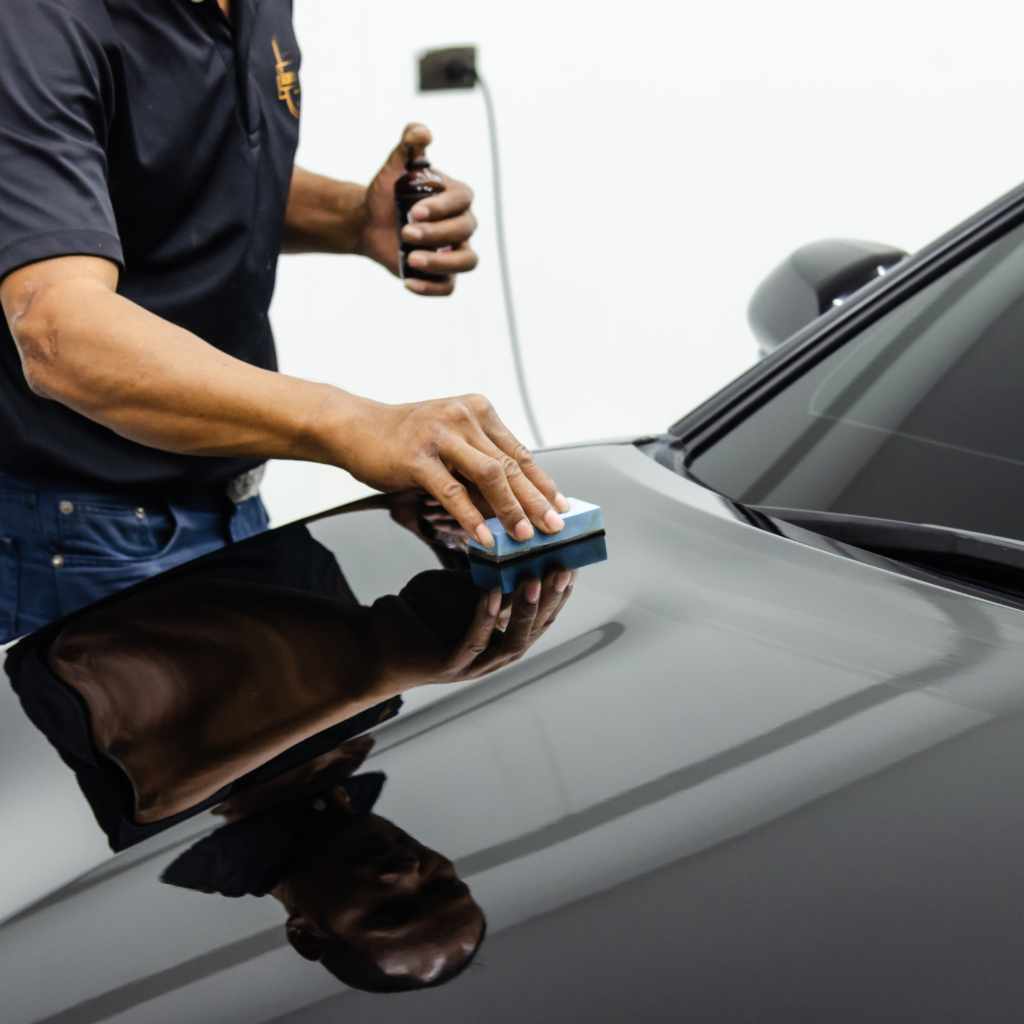
Ceramic Coating: What White Cars Look Like After
Thinking about getting your white car ceramic coated? It’s a popular choice! Seeing the Ceramic Coating White Cars: Before and After Results can be amazing, but it can seem a little tricky at first. Don’t worry, though. This post will break down everything you need to know, from start to finish. We’ll explore why ceramic coatings are popular, what to expect, and how to get the best results. Ready to see how easy it can be?
What Is Ceramic Coating, and Why Use It?
A ceramic coating is like an extra layer of protection for your car’s paint. It’s a liquid polymer that chemically bonds with the factory paint, creating a hard shell. This shell makes your car’s surface incredibly smooth, shiny, and resistant to things like scratches, UV rays, and water spots. It’s a popular option for car owners who want to keep their vehicle looking its best and make washing and maintenance easier.
How Ceramic Coatings Protect Your Car
Ceramic coatings offer a variety of benefits. The primary advantage is protection. This extra layer defends against environmental damage. Things like bird droppings, tree sap, and road salt can cause serious damage to your car’s paint. A ceramic coating acts as a barrier, preventing these things from directly contacting the paint. This can save you from costly repairs and maintain your car’s value.
- UV Protection: The sun’s UV rays can fade and damage your car’s paint over time. Ceramic coatings block these harmful rays, helping to keep your car’s color vibrant.
- Scratch Resistance: While not completely scratch-proof, ceramic coatings add a layer of defense against minor scratches and swirl marks from washing or everyday use.
- Hydrophobic Properties: Ceramic coatings are extremely hydrophobic, meaning they repel water. This makes water bead up and roll off the surface of your car, taking dirt and grime with it.
- Enhanced Shine: Ceramic coatings often enhance the gloss and shine of your car’s paint, giving it a deeper, more luxurious look.
Ceramic coatings also make cleaning your car easier. Because of the hydrophobic properties, dirt and grime have a harder time sticking to the surface. Washing your car becomes simpler, and you may need to wash it less often. You can also often use less harsh cleaning methods. This can help to preserve the paint’s condition over time.
The Science Behind Ceramic Coatings
The magic of ceramic coatings lies in the chemistry. The coating typically contains silicon dioxide (SiO2), which is also known as silica. When applied to your car’s paint, this silica-based solution bonds with the surface and cures, creating a durable and long-lasting protective layer. The exact formulation of a ceramic coating can vary between brands, impacting its longevity and performance.
Here’s how the coating works at a molecular level: the coating’s molecules are small enough to fill microscopic imperfections in the paint. This process creates a smooth, even surface. This smooth surface is what gives the car its incredible shine and makes it resistant to contaminants. During application, the coating solution is spread thinly over the car’s painted surfaces. Once applied, the coating must cure, usually over several hours. This curing process is crucial for the coating to fully bond with the paint.
Comparing Ceramic Coatings to Other Options
Let’s see how ceramic coatings stack up against other options.
| Feature | Ceramic Coating | Wax | Paint Sealant |
|---|---|---|---|
| Durability | Years | Weeks to Months | Months |
| Protection | High | Moderate | Moderate |
| Water Beading | Excellent | Good | Good |
| Scratch Resistance | Good | Fair | Fair |
| Ease of Application | Moderate | Easy | Easy |
| Cost | Higher | Lower | Moderate |
As you can see, ceramic coatings are a step up in protection and durability compared to wax and paint sealants. Wax is the most affordable option and easy to apply but offers the least amount of protection and lasts for a short time. Paint sealants offer a bit more protection and durability than wax. However, ceramic coatings offer the best overall protection and durability, but they come at a higher price and require more care during application.
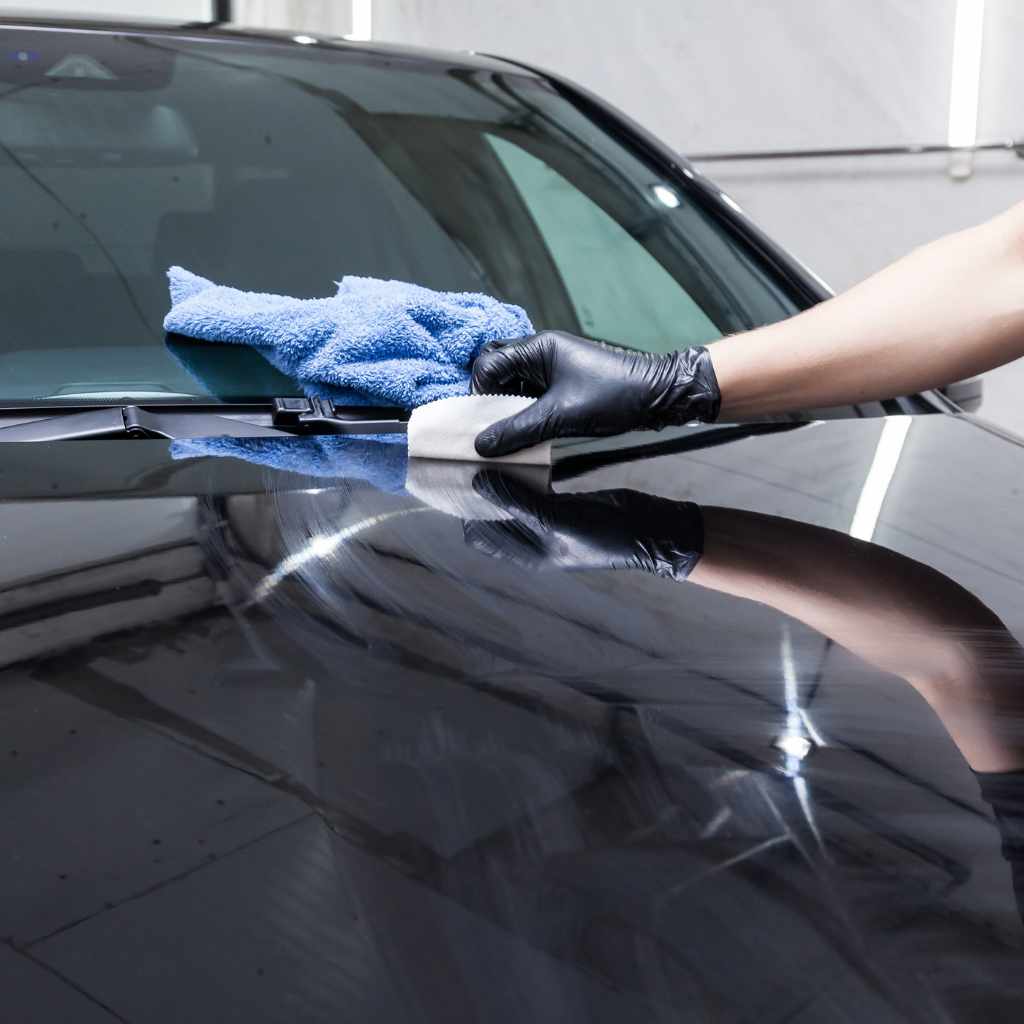
Preparation Is Key: Preparing a White Car for Ceramic Coating
Preparing a white car for a ceramic coating is very important. This ensures the coating bonds properly and performs at its best. A thorough prep job can make a huge difference in the final look and how long your coating lasts. It’s the foundation for a flawless finish.
Washing and Decontamination
The first step is a good wash. Start by rinsing your car to remove loose dirt and debris. Use a pH-neutral car wash soap. This won’t strip away any existing wax or sealants. Use the two-bucket method to minimize scratches. This involves one bucket with soapy water and another with clean water for rinsing your wash mitt. This helps to prevent cross-contamination.
- Rinse Thoroughly: Remove loose dirt and grime.
- Wash with a pH-Neutral Soap: Avoid stripping away existing protection.
- Two-Bucket Method: Minimizes scratches.
- Dry Carefully: Use a clean microfiber towel.
After washing, it’s time to decontaminate your car’s paint. This gets rid of any embedded contaminants, like iron particles, tar, and other road grime. Iron fallout remover will dissolve iron particles. Clay bars are good for removing bonded contaminants. Use a clay bar with plenty of clay lubricant to avoid scratching the paint. Wipe off the clay bar lubricant with a microfiber towel, and dry the car.
Paint Correction Explained
Paint correction is a process to remove scratches and swirl marks. It involves polishing the paint. This step smooths the surface. Paint correction is essential for maximizing the shine. It gives the ceramic coating a perfect surface to bond to. It makes the results look truly impressive.
- Assessment: Examine the paint for scratches and imperfections.
- Compounding: Use a cutting compound to remove deeper scratches.
- Polishing: Use a finer polish to refine the finish and remove any haze.
- Inspection: Check your work under bright lights.
Paint correction typically involves several steps using different compounds and polishing pads. The first step, called compounding, uses a coarser compound to remove deeper scratches and defects. Then, polishing will use a finer polish. This refines the finish and removes any haze left by the compounding step. To do paint correction right, you’ll need a dual-action polisher and a variety of pads.
The Final Wash Before Application
After paint correction, you’ll need to do a final wash to remove any polishing residue. This ensures a clean surface for the ceramic coating. Any residue can interfere with the coating’s ability to bond properly. The goal is a perfectly clean and smooth surface. The final wash prepares the car to ensure the ceramic coating will look its best and last as long as possible.
Use a specific panel wipe or isopropyl alcohol (IPA) solution. This will remove any remaining oils or residue. This step is important, as it helps the ceramic coating bond properly to the paint. Ensure the car is completely dry before moving to the ceramic coating application step.
Applying Ceramic Coating: Steps to a Flawless Finish
Applying ceramic coating is a detail-oriented process. But with the right steps and care, you can get amazing results. Take your time, work in a clean environment, and follow the product’s instructions for the best outcome.
Gathering Your Supplies
Before you begin, gather all the tools and supplies. Having everything ready saves time and ensures a smooth process. Make sure you have the ceramic coating kit, applicators, microfiber towels, and any other tools needed. Choose a well-lit, dust-free space, like a garage. Make sure there’s enough ventilation. This is crucial for your safety and for the coating to cure properly.
- Ceramic Coating Kit: Includes the coating itself, applicators, and often microfiber towels.
- Microfiber Towels: Several clean, high-quality microfiber towels for application and buffing.
- Applicator Pads: Usually included in the kit, for applying the coating evenly.
- Gloves: Protect your hands from the chemicals.
- Lighting: Good lighting is essential to see your work and ensure even coverage.
- Protective Gear: Mask to avoid inhaling fumes, eye protection.
Having a well-organized workspace makes the process easier and helps prevent mistakes. Also, double-check that your car is completely clean, dry, and cool to the touch before you begin. Following all of the provided instructions in your kit is the key to perfect results.
Applying the Ceramic Coating
Once you’re prepared, it’s time to apply the coating. The exact method will vary. But the following steps are typical. Start with a small section of the car, like a panel. This is because ceramic coatings cure quickly.
- Apply the Coating: Pour a small amount of the ceramic coating onto the applicator pad.
- Apply to the Panel: Apply the coating in a cross-hatch pattern, ensuring even coverage.
- Wait and Wipe: Allow the coating to sit for a short time (follow the product’s instructions). Then, wipe off any excess with a clean microfiber towel.
- Inspect: Check for streaks or high spots.
- Repeat: Continue these steps across the entire car, panel by panel.
The key is to apply the coating in thin, even layers. Avoid applying too much product, as this can make it difficult to wipe off and may cause high spots. Work in small sections, and wipe off any excess coating promptly. After you apply the coating, let your car sit and cure. The curing time varies. However, it’s typically between 12 and 24 hours.
Curing and Aftercare
Curing is the final step in the ceramic coating process. During this time, the coating hardens. It forms a strong bond with the paint. This process is essential for the coating’s durability and performance. It’s important to keep the car clean during the curing time. Avoid any contact with water, and don’t wash your car.
- Avoid Water: Don’t wash or expose your car to rain or water for at least a week after application.
- Sun Exposure: Avoid direct sunlight for the first few days.
- Gentle Washing: Once cured, wash your car with a pH-neutral soap.
- Maintenance Washes: Wash your car regularly to keep the coating in top condition.
After the curing period, you can wash your car as usual. However, it’s best to use a pH-neutral car wash soap. This type of soap won’t strip away the ceramic coating. Avoid harsh chemicals or abrasive products. They can damage the coating. Following the correct aftercare will extend the life of your coating and help maintain its shine and protection.
Maintaining Your White Car’s Ceramic Coating
Once you’ve applied a ceramic coating to your white car, the key is proper care. Proper care helps keep your car looking great for a long time. It also maintains the coating’s protective properties. With some simple maintenance steps, you can keep your car looking its best and prevent the need for frequent re-application.
Washing Your Car Regularly
Washing your car regularly is a critical part of ceramic coating maintenance. Dirt and grime can build up on the surface, even with the coating’s hydrophobic properties. Washing removes these contaminants, keeping the coating’s protective and aesthetic properties. It’s better to wash your car every one to two weeks, or more often if needed. Consider washing more frequently in harsh weather conditions.
- Use a pH-Neutral Soap: Avoid stripping away the coating.
- Two-Bucket Method: Minimizes scratches.
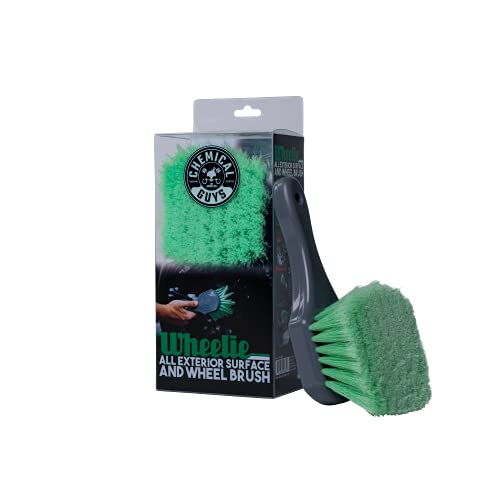
- Soft Microfiber Mitts or Sponges: Use these to avoid scratches.
- Avoid Automatic Car Washes: Choose touch-free car washes or wash by hand.
Always use a pH-neutral car wash soap designed for coated cars. These soaps are gentle on the coating. They effectively remove dirt without degrading its properties. The two-bucket method is a good washing option. It prevents scratches by separating the clean water from the dirty water. Avoid using automatic car washes. The brushes can damage the coating. Instead, choose touch-free washes.
Using the Right Products
Choosing the right products will help maintain your ceramic coating. Use these products to enhance your car’s appearance. Avoid products that can harm the coating or reduce its lifespan. Using the right products helps you get the most from your investment. The right products help make your car easier to clean and keep protected.
- Wash Soap: Use a pH-neutral car wash soap.
- Detail Spray: Use a ceramic detail spray for quick touch-ups.
- Avoid Harsh Chemicals: Do not use abrasive cleaners or waxes.
- Dry Properly: Use a clean microfiber drying towel to prevent water spots.
Ceramic detail sprays are a quick and easy way to keep your car looking its best. They add shine and provide an extra layer of protection. They also help repel water and keep dirt away. Avoid using products with high levels of wax. They can interfere with the ceramic coating’s performance. Also, avoid harsh chemicals. This includes abrasive cleaners and strong solvents.
Regular Inspections and Professional Care
Regular inspections and occasional professional care can help maintain your car’s ceramic coating. Regularly checking your car’s paint for any issues allows you to address problems early. Professional detailing services can provide a deeper cleaning and maintenance. They’ll also ensure your coating remains in top condition. They can also apply top-up products to boost the coating’s performance.
Inspect your car regularly. Look for any signs of damage, such as scratches or water spots. If you see any problems, address them quickly. Contacting a professional detailer can help. They can assess the condition of the coating and recommend any necessary maintenance. Professional detailing services often offer coating refresh packages. This includes washing, decontamination, and a re-application of a topcoat. This helps maintain the coating’s shine and protection.
Real-Life Examples and the Impact of Ceramic Coating
The results of a ceramic coating on a white car can be impressive. Many people have seen their cars transformed. The pictures are proof. There are many real-life examples that show the improvements that are available. Read below for some examples and the outcomes achieved.
- Case Study 1: A woman applied a ceramic coating to her white SUV. After the coating was applied, the car developed a deep, glossy shine. It was also easy to clean. During the summer, the car was parked outside. The coating protected the car from UV rays and prevented fading. She washed it once a month. The car maintained its great looks and was protected from environmental contaminants.
- Case Study 2: A man with a white sports car applied a ceramic coating. The car had minor swirl marks. After the coating was applied, the car looked new. The hydrophobic properties helped the car to repel water. After a trip through winter conditions with road salt, the car was easier to clean. It resisted damage and looked great.
- Case Study 3: A man with a white sedan found the ceramic coating kept his car cleaner. He said that bird droppings and tree sap were easy to remove. The coating had made his car washing routine faster. He was very happy with the shine and the protection the coating provided. He said the coating was worth the money.
These examples show the positive effects of ceramic coatings. They offer protection from the environment. They also give a great shine and make it easier to clean a car.
Frequently Asked Questions
Question: How long does a ceramic coating last on a white car?
Answer: The lifespan of a ceramic coating can vary. It depends on the quality of the coating and how well you care for it. Generally, you can expect a good coating to last anywhere from one to five years.
Question: Can I apply a ceramic coating myself?
Answer: Yes, you can. Many ceramic coating products are available for DIY application. However, it requires careful preparation and following the instructions. For best results, professional application is recommended.
Question: What’s the best way to wash a car with a ceramic coating?
Answer: Use a pH-neutral car wash soap and the two-bucket method. Use soft microfiber mitts and drying towels. Avoid automatic car washes with abrasive brushes.
Question: Does a ceramic coating protect against scratches?
Answer: Ceramic coatings offer some scratch resistance, but they are not scratch-proof. They will help protect against minor scratches and swirl marks.
Question: How often should I wax a car with a ceramic coating?
Answer: You don’t need to wax a car with a ceramic coating. The coating provides a layer of protection that wax cannot match. Waxing may even reduce the performance of the ceramic coating.
Final Thoughts
You now know all about Ceramic Coating White Cars: Before and After Results. Ceramic coatings offer a great way to protect and improve the appearance of your white car. You’ve explored the benefits, from protection against UV rays and scratches to enhanced shine and easier cleaning. The preparation steps, like washing, decontamination, and paint correction, are super important for making sure the coating works its best. Applying the coating requires patience and attention to detail. Remember that curing and proper aftercare are key to long-lasting results. By washing your car regularly, using the right products, and doing regular inspections, you can keep your car looking great for years. Now, it’s time to take action! Explore the different ceramic coating options available, gather your supplies, and start making your white car shine. With a bit of work, you can achieve a stunning, protected finish that you’ll love.