Chrome Delete Cost / Price / How Much
Chrome delete is often reported at about $150–$600 for a small DIY job, about $300–$900 for partial professional coverage, and about $800–$2,000+ for full-vehicle wrap work, depending on trim count, vehicle size, and finish. Skip the right method, and you can end up with peeling edges, visible seams, or paint damage that costs more to correct than the delete itself. This guide breaks down pricing by coverage level, materials, labor, and when it makes sense to pay a shop versus do it yourself.
What chrome delete covers


Chrome delete blacks out factory bright trim with vinyl overlay on exterior parts such as window trim, grille bars, badges, mirror caps, door handles, roof rails, tailgate or liftgate trim, and bumper trim. It is usually removable when installed correctly, which matters for lease return and resale.
The total changes with how many pieces you cover, how many corners and seams each piece has, and how much removal work the installer needs to do to wrap the edges cleanly. A simple sedan window surround is faster than a full SUV with roof rails, a large grille, and multiple emblems.
Chrome delete pricing matrix
This pricing matrix breaks the job into three decision-ready tiers. The ranges below show how totals are built instead of hiding everything in one broad estimate.
| Coverage tier | Typical parts included | Estimated part total | Estimated installed total | When it makes sense |
|---|---|---|---|---|
| Trim-only | Window trim top only, or a small set of exterior brightwork | From $80 | About $150–$300 | Light blacked-out styling on a tight budget |
| Mid-package | Full window surround, front grille, mirror caps, emblems, or handles | About $160–$400+ depending on parts | About $300–$900 | Most daily drivers with a noticeable style change |
| Full blackout | Windows, grille, badges, mirror caps, door handles, roof rails, tailgate trim, bumper trim | About $400 on a sedan; higher on larger vehicles | $800–$2,000+ on many vehicles | Complete blacked-out look with broad trim coverage |
For a sedan, full chrome delete can land around $400 in parts before installation. A complete SUV set costs more because of the extra surface area, parts, and labor involved. Those differences make the vehicle size effect plain.
Trim-only tier
Trim-only coverage targets the smallest visible brightwork, often the window trim top section first. The pricing starts window trim top only from $80, and this tier fits owners who want a cleaner look without touching every chrome piece. It is the least expensive path, but it also delivers the narrowest visual change.
- Good for a lease-friendly cosmetic update.
- Useful if you want to test a blacked-out look before covering more parts.
- Best when the vehicle has minimal brightwork.
Mid-package tier
Mid-package work usually adds the pieces people notice first: full window surround, grille, badges, mirror caps, and sometimes handles. The pricing starts full window surround from $160, front grille blackout from $150, mirror caps from $90, and door handles from $100. This tier often gives the best balance between cost and visual impact.
Say your sedan has bright window trim, a chrome grille bar, and two badges. That can stay in the mid-package range if you skip roof rails and bumper trim. Add more pieces, and the quote climbs quickly because each separate part needs cutting, fitting, and edge work.
Full blackout tier
Full blackout is the most complete version. It usually includes window trim, grille, badges, mirror caps, handles, roof rails, tailgate or liftgate trim, and bumper trim. Roof rails start from $120, and emblems and badges are priced at $35 per emblem, so the total rises fast on trucks and SUVs with extra brightwork.
A common first-timer mistake is asking for “everything blacked out” without listing each piece. That can lead to quote confusion, because one shop may include only fixed trim while another also prices removable badges, roof rails, and liftgate trim separately.
How much does chrome delete cost by vehicle?
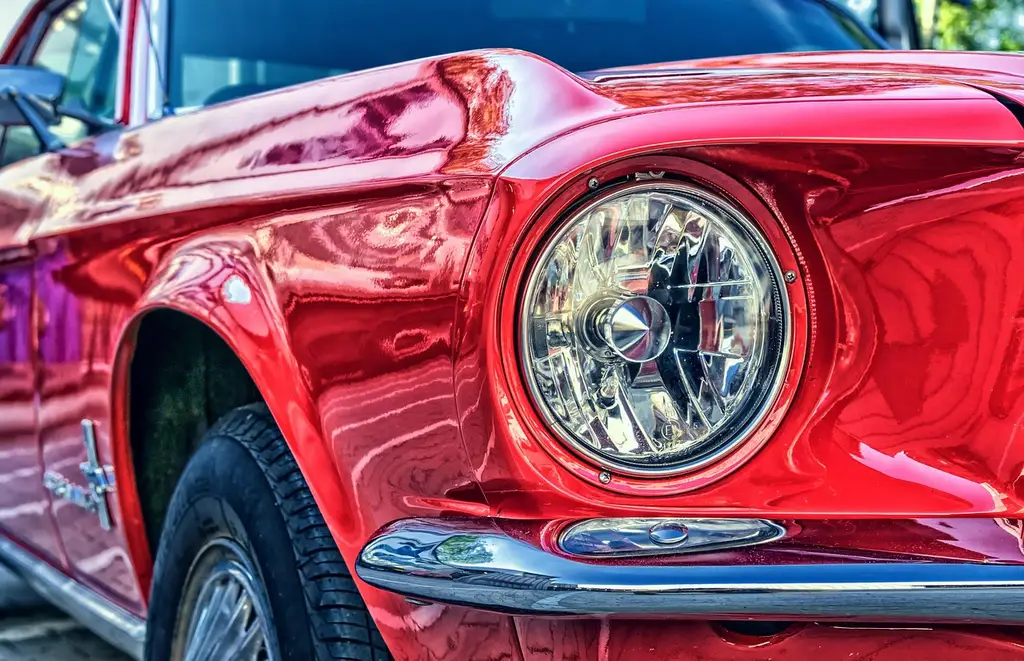
Vehicle type matters as much as the parts list. A sedan or coupe is the baseline. SUVs and crossovers cost more because they carry more trim and usually take longer to prep and install. Trucks, luxury models, and sport trims can cost still more because of size, extra pieces, and tighter trim complexity.
Sedan and coupe pricing
For sedans and coupes, chrome delete often stays in the lower half of the range unless you add many pieces. A full chrome delete can be around $400 in parts for a sedan, before installation is added. Smaller body size helps, but the quote still grows if the car has long window surrounds or multiple emblems.
How much to chrome delete a sedan versus an SUV? The sedan usually lands lower because there is less brightwork and less labor. A coupe can be similar if the trim count is low, but a wide grille or extra badges can push the job upward quickly.
SUV and crossover pricing
SUVs and crossovers cost more because they often have more trim pieces and larger surfaces. A complete SUV set is priced higher than a sedan setup because of the extra window length, roof rails, larger grille sections, and more time spent on alignment and edge wrapping.
If you are comparing quotes, ask whether the shop includes roof rails, tailgate trim, and bumper trim. Those pieces can change the total more than a single badge or mirror cap.
Truck and luxury or sport pricing
Trucks and luxury or sport vehicles can reach the top of the price band because the trim is often more complex and the labor rate may be higher. Luxury or sport vehicles can also carry a higher pricing multiplier than a standard sedan or coupe. That reflects both size and the extra care needed around tight curves, glossy paint, and layered trim.
Picture a luxury SUV with bright window trim, roof rails, and a large grille. The parts are only part of the story. Labor rises because every extra seam, badge, and corner slows the install.
Which parts drive the bill?
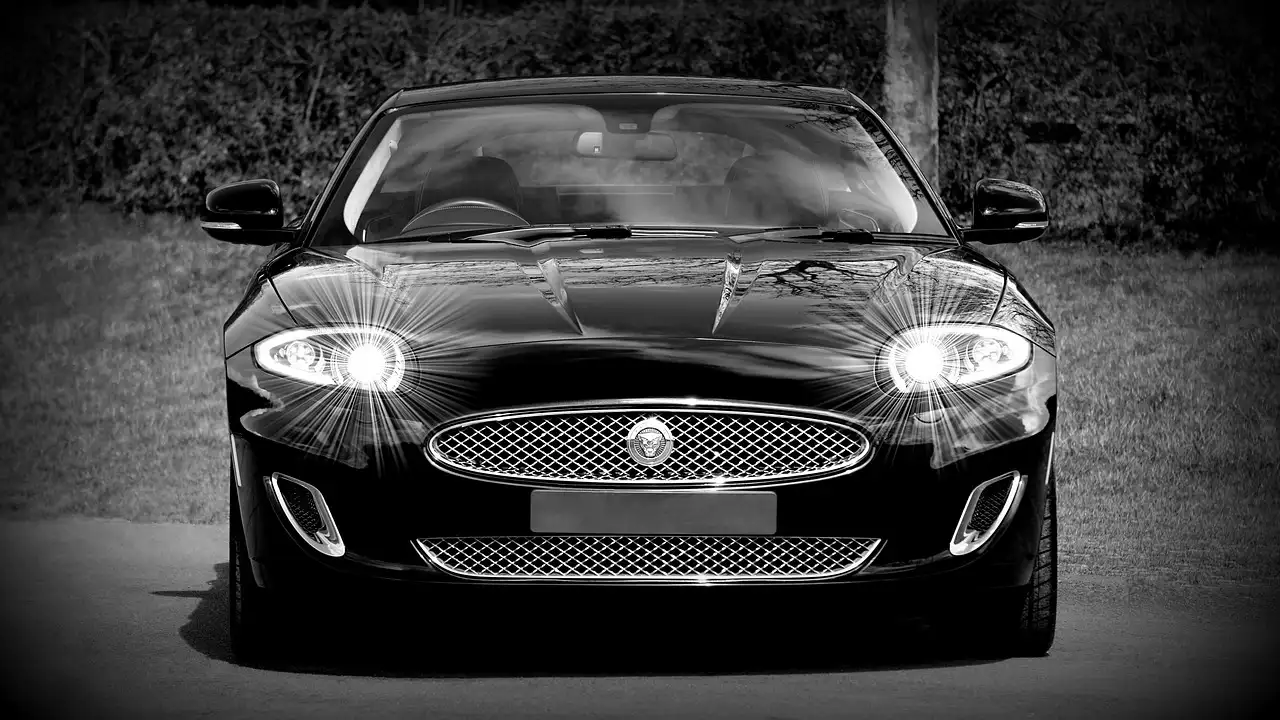
The biggest price changes usually come from the longest trim runs and the parts that need the most shaping. Window trim and grille work are common starting points. Badges, mirror caps, and handles add moderate cost. Roof rails and liftgate trim can move a quote into a higher tier fast.
Window trim and grille
Window trim is often the first and most visible target, and grille blackout is one of the most common add-ons. These pieces often need careful stretching and edge sealing.
Vertical trim can sometimes hold up better than horizontal surfaces because it sees less standing water and fewer direct impacts from road grime. That matters when a shop chooses cast vinyl from brands such as 3M or Avery Dennison, since installation quality and surface orientation both affect longevity.
Badges, mirror caps, and handles
Badges, mirror caps, and handles are smaller parts, but they still add labor. Mirror caps start from $90, door handles start from $100, and emblems and badges are priced at $35 per emblem. These pieces may seem minor, but they often require removal or careful trimming around tight edges.
Badges also create decision points. Some owners wrap the emblem. Others replace it. Replacement can look clean, but it is not the same as vinyl and may cost more or require part-matching by model year.
Roof rails and liftgate trim
Roof rails and liftgate trim are common on SUVs and wagons, and they increase both materials and labor. Roof rails start from $120. Tailgate or liftgate trim usually sits near the top of a trim package because it can involve wider panels, corners, and more cleanup work.
- List each chrome piece. Walk around the vehicle and write down window trim, grille, badges, mirror caps, handles, roof rails, tailgate trim, and bumper trim. A quote is only useful when the parts list is specific.
- Group the parts by tier. Put each item into trim-only, mid-package, or full blackout. That makes it easier to compare shop quotes that may bundle some pieces and exclude others.
- Ask about removal labor. Some quotes include trim removal and reinstall; others do not. Removal work changes the total when the part has clips, adhesives, or tight mounting points.
Which finish should you choose?
Matte black, gloss black, and satin black are the common finishes, and each one changes the look and the price. Satin black may cost more than matte or gloss, and body color match is often priced higher because it takes extra matching work. Finish choice matters because it affects material cost, matching time, and how visible dust or edges will be.
Matte black vs gloss black
Matte black is usually the straightforward budget choice, while gloss black gives a shinier factory-like contrast. Both sit at the base finish level in the pricing. If you want the least expensive clean blackout, either one usually makes sense before you pay extra for a special appearance.
Satin black and body-color match
Satin black sits between matte and gloss in appearance, and it may cost more than the base finishes. Body color match is more specialized and usually costs more still. That extra cost makes sense when a near-stock look matters, but it is usually not the budget pick.
What finish is best for chrome delete: matte, gloss, or satin? Satin is often the middle ground because it looks less flat than matte and less reflective than gloss. The best choice is the one that fits the rest of the trim, wheel finish, and paint color.
Cast vinyl and surface orientation
Cast vinyl from 3M or Avery Dennison is often preferred for long-term trim work because it conforms better around curves and edges. Durability is tied to whether the piece is upright or horizontal. Horizontal surfaces take more abuse from water, dirt, and cleaning, so they often fail first if prep or edge sealing is weak.
That is why the same film can last well on one piece and fail early on another. A clean, well-prepped upright window surround usually holds up better than a flat trim strip near the hood or roofline.
DIY vs shop pricing
DIY is cheaper, but it takes patience, tools, and a tolerance for rework. A shop quote usually includes both material and labor, and labor often makes up the larger share. That is why a shop quote can look high even when the film itself is not expensive.
- Price the materials first. Estimate the part total, then compare it with a DIY material budget. That helps you compare a weekend project with a quoted installed price.
- Count the difficult pieces. Add up mirror caps, badges, handles, and roof rails separately. Small parts often take more time than their size suggests because edges and seams are harder to hide.
- Compare bundle discounts. Ask whether a shop offers a lower rate when chrome delete is paired with a wrap or other exterior film work. Bundles can reduce the labor rate per piece.
When a shop makes more sense
Pay a shop when the trim is complex, the vehicle is larger, or you want a cleaner result on visible pieces. A professional install is usually better for lease vehicles, resale-sensitive cars, and jobs with long window surrounds or many emblems. It also reduces the chance of lifting corners and visible seams.
DIY can make sense for a small window trim section or a few badges. It makes less sense when the job includes roof rails, a large grille, and multiple tight corners. Those pieces are where fit and finish show immediately.
How long it lasts and comes off
Chrome delete can last a long time when the right film is used and the install is done cleanly. Cast vinyl lasts better than cheap calendared film on complex trim. Longevity also depends on whether the part sits upright or horizontal, plus how often it is washed and scrubbed.
When installed correctly, chrome delete is typically fully removable and returns the vehicle to stock. That is one reason it is popular for lease return and resale planning. Removal is easier when the film has not baked on for years or been damaged by aggressive cleaning.
Will chrome delete damage the original trim? It should not when the film is applied and removed correctly. Problems usually come from poor prep, old adhesive, excessive heat, or pulling too fast. If the trim finish is already failing, the film can reveal that condition during removal.
How long does chrome delete last? The answer depends on the film quality, the surface, and the care routine. Upright trim often lasts longer than horizontal pieces because it sees less direct wear. Sun exposure, automatic brushes, and frequent pressure washing can shorten the life of any wrap.
- Wash gently. Use mild soap and a soft mitt. Harsh brushes and sharp pressure at the edge can lift corners early.
- Dry the edges. Wipe water from seams and badge edges after washing. Standing moisture at the edge can weaken adhesion over time.
- Avoid strong abrasion. Do not scrape ice or tar with hard tools. Damage usually starts where the film is thinnest or most exposed.
Frequently asked questions
How much does chrome delete cost?
For a small DIY job, chrome delete usually costs $150–$600. The total depends on how much trim you cover, how large the vehicle is, and which finish you choose.
How much is a chrome delete on my car?
Start by counting each trim piece: window trim, grille, mirror caps, handles, badges, roof rails, and liftgate trim. A sedan with limited coverage can stay near the lower range, while an SUV with full blackout pieces can move well above it. The exact total depends on part count and labor.
How much to chrome delete a sedan versus an SUV?
A sedan is usually cheaper because it has less trim and less labor time. An SUV usually costs more because it has more surface area and more parts to cover. The exact total depends on the vehicle, the number of pieces, and the finish.
What parts are usually included in a chrome delete?
Common coverage includes window trim, front grille, mirror caps, door handles, roof rails, emblems and badges, tailgate or liftgate trim, and bumper trim. Not every quote includes all of them, so ask for an itemized list before you approve the job.
Can I DIY a chrome delete or should I pay a shop?
DIY is cheaper because material cost is only part of the job. A shop makes more sense when the trim is complex, the vehicle is large, or you want a cleaner finish on visible edges. DIY is best for small, simple pieces.
What finish is best for chrome delete: matte, gloss, or satin?
Matte and gloss are the base options, while satin black may cost more. Satin often gives the most balanced look because it sits between flat and shiny. Body color match is a different choice altogether and usually costs more for a closer factory-style appearance.
Products related to this article
Sponsored / affiliate links. As an Amazon Associate I earn from qualifying purchases. I may earn additional commission from eligible campaigns.
 3M Car Wrap Roll 2080 Gloss Red Metallic | G203 | (5ft x 10ft (50 Sq/ft)) | Automotive Vinyl Wrap for Cars - Car Interior Wrap & Exterior | w/Free Instawraps Pro Glove
 3M Car Wrap Roll 2080 Gloss Flame Red | G53 | (5ft x 5ft (25 Sq/ft)) | Automotive Vinyl Wrap for Cars - Car Interior Wrap & Exterior | w/Free Instawraps Pro Glove