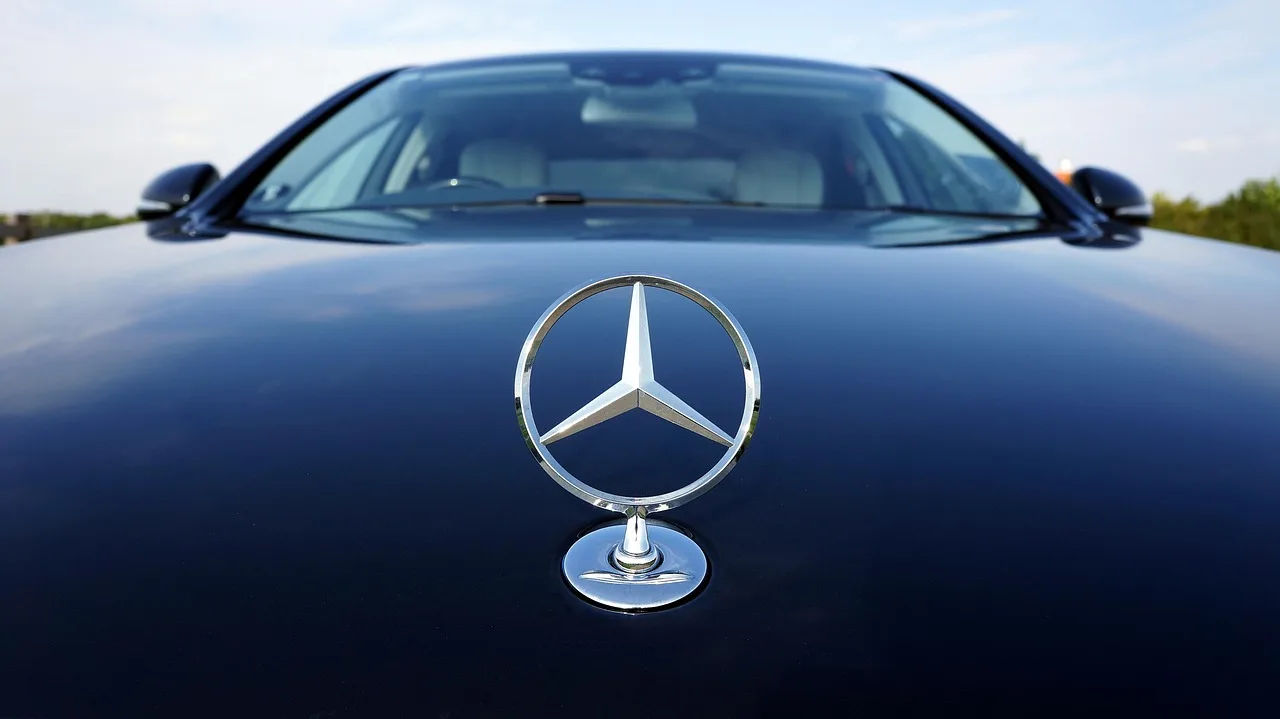
Car Emblem Replacement Cost: What You’ll Pay for a New Badge
Car emblem replacement usually costs $25 to $250 total, with dealer-installed badges often landing at $100 to $400 when the grille, liftgate, or hood trim has to come off. Skip a cracked or loose emblem and you can end up with holes, water entry, or paint damage. This guide breaks the price into emblem type, mounting method, and access difficulty so you can estimate a fair quote before you call.
Car emblem replacement cost at a glance


The cheapest jobs are simple adhesive-backed rear badges. The priciest jobs usually involve a front grille emblem, a sensor-adjacent badge, or an illuminated logo that needs electrical work. Once a shop has to remove trim, bumper covers, or a grille to reach broken tabs or mounting pins, labor can cost more than the emblem itself.
For a quick estimate, think in three layers: part cost, labor rate, and access. A plain aftermarket badge on open sheet metal may stay near the bottom of the range. A factory emblem tied to a unique grille, camera cover, or lit badge can move the total much higher.
Typical price bands by emblem type
Adhesive rear trunk badges often sit around $25 to $100 total when the surface is clean and the old tape peels off without damage. OEM emblems commonly push that higher because they are vehicle-specific and may include tabs, tape, or trim clips. Illuminated emblems and front grille badges often run $100 to $400 or more because of part cost and labor.
What drives a low quote versus a high quote
A low quote usually means a common badge, easy access, and no broken hardware. A high quote usually means the emblem sits behind a grille, ties into a radar cover, or comes with trim that must be replaced as one unit. Labor rate matters more when access is tight.
| Emblem type | Typical part-cost drivers | Labor-risk drivers |
|---|---|---|
| OEM emblem | Factory part, vehicle-specific fit, often includes badge, adhesive, and mounting tabs | Higher if the badge is trim-specific, behind a grille, or needs precise alignment |
| Aftermarket emblem | Lower purchase price, but finish and fitment can vary; may not match sensors or illuminated logos | More time if clips do not match, adhesive needs correction, or the badge sits off-center |
| Front grille emblem | May be part of a grille insert, radar cover, or special trim package | Often higher because of grille removal, bumper access, or calibration-related steps |
| Rear trunk emblem | Usually a simple badge with double-sided tape or small pins | Lower risk unless paint is damaged, residue is heavy, or alignment marks are missing |
| Illuminated emblem | Lighted badge, wiring, connector, and sometimes coding requirements | Higher because electrical access and testing add time |
Why does the price vary so much?
Car emblem replacement prices swing because the emblem is often tied to the vehicle’s make, model, trim, and mounting design. A plain badge on a common sedan is a different job from a lighted logo on a luxury SUV or an EV emblem built into front-end electronics. Part fit and labor access drive the bill.
Luxury, EV, and truck badges can cost more because the part is specific to the model and sometimes to a trim package. That means the shop may need a VIN check or the exact trim code before ordering. If the wrong badge arrives, the job can stall while the correct emblem is sourced.
Vehicle make and model
Vehicle make and model are the main price drivers. A mass-market rear badge may be inexpensive and widely available. A unique emblem for a premium brand, an EV charging-badge style panel, or a truck grille insert can cost more because fewer suppliers stock it.
OEM versus aftermarket
OEM emblems are factory parts built for exact fit. They usually cost more than aftermarket replacements, but they are less likely to have finish differences or alignment issues. Aftermarket badges can save money, yet the tradeoff is possible mismatch in thickness, chrome tone, clip shape, or light pattern.
Adhesive backing versus clips and pins
Adhesive backing uses double-sided automotive tape. It needs clean paint, the right temperature, and careful pressure during install. If the surface is dirty or cold, the badge can loosen later. Mounting clips and pins are more secure in some designs, but broken tabs and hidden fasteners can turn a quick swap into a trim-removal job.
Suppose a rear badge comes off cleanly with its tape, but the replacement is centered one millimeter too low. That small error can be obvious on a trunk lid, especially near body lines. Alignment matters because adhesive emblems have no second chance once they bond.
Illuminated and sensor-adjacent emblems
Illuminated emblems cost more because they add wiring, connectors, and sometimes coding or calibration. Front emblems near radar, camera, or active cruise hardware can also raise labor time. A shop may need to remove the grille or a cover piece without disturbing the sensor path.
Front emblem or rear badge?
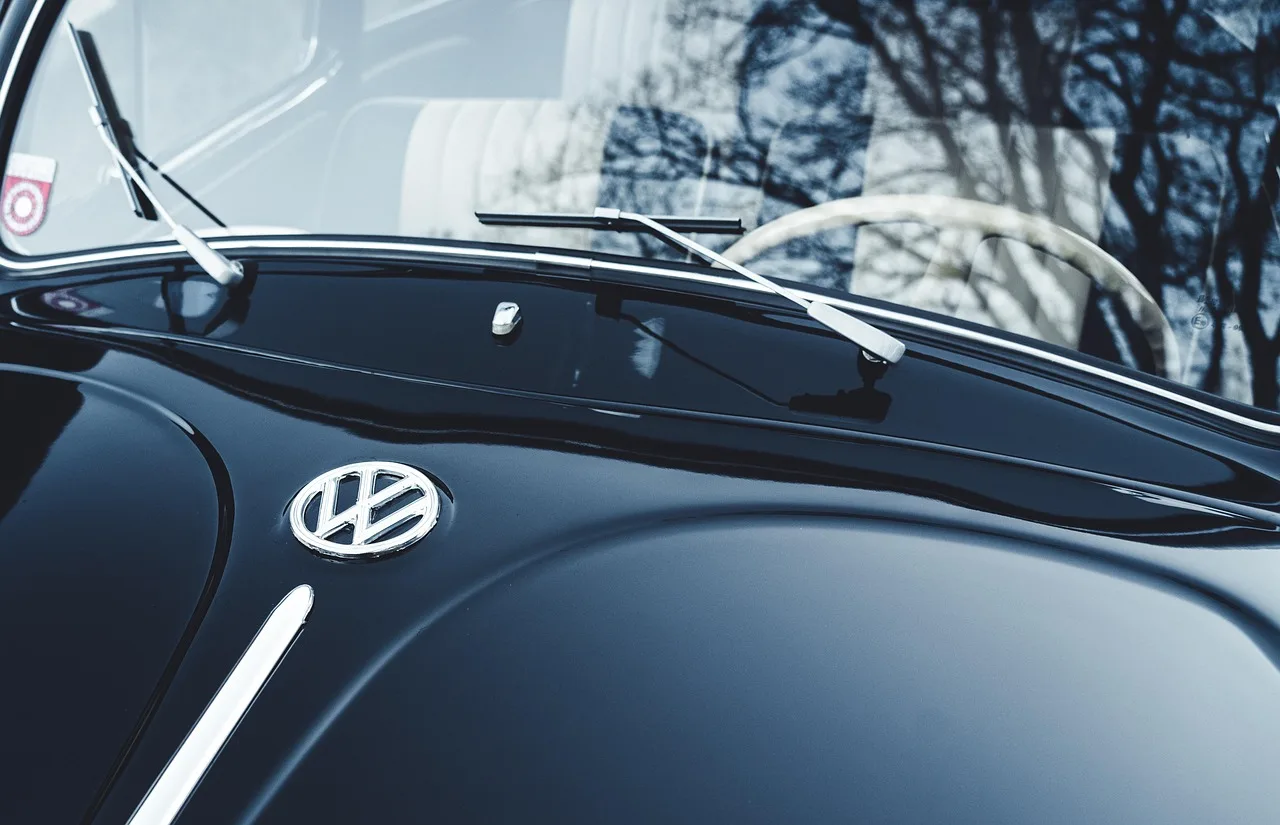
Front grille emblem replacement usually costs more than a rear trunk badge replacement because access is worse and the badge may be built into the grille or radar cover. Rear badges are often adhesive-mounted and easier to reach. The front end may require bumper or grille removal, which adds labor and risk.
Front grille access
Front grille emblems are often harder to replace because the fasteners sit behind trim, grille slats, or a cover panel. If the emblem is part of a grille assembly, the shop may need to remove the whole grille or bumper cover. That extra access time is where the bill grows.
Rear trunk alignment
Rear trunk badges are commonly held on with tape and can be swapped with less disassembly. The work still needs careful alignment, because a badge placed even slightly off center can stand out. Paint-safe removal matters, especially if the old adhesive has baked on for years.
A common first-timer mistake is assuming the badge itself is the whole job. If the old badge tears the clear coat or leaves hardened residue, the shop may spend time cleaning, polishing, or even touching up the area before the new emblem goes on.
When the grille or trim piece must come off
When an emblem is molded into a grille or attached with part-specific clips, replacing only the badge may not be possible. In that case, the whole grille or trim piece can cost more up front, but it may be the correct fix if tabs are broken or the old part is cracked. That is especially common on modern front ends.
What goes into labor and parts?
Labor often matters more than the part when the emblem is behind trim, a grille, or a radar cover. Shop labor rate varies by dealer, body shop, and mobile installer. Add time for removal, adhesive cleanup, broken clip replacement, and final alignment, and the quote can climb fast.
Shop labor rate
Dealer labor is often higher than body shop labor, and mobile installers may charge differently because they come to you. The hourly charge matters most when the emblem needs careful disassembly. On a simple adhesive badge, labor may stay modest. On a front badge with hidden hardware, labor can dominate the total.
Heat gun and adhesive remover
Heat gun and adhesive remover are common tools for emblem swaps. Heat softens tape, and remover helps lift residue. Too much heat can damage paint or plastic, so the operator has to work carefully. Residue cleanup is not cosmetic only; poor prep can shorten the life of the replacement badge.
Tabs, clips, tape, and residue cleanup
Broken mounting tabs or missing pins can force replacement of extra parts. Some badges need new tape, new clips, or a new trim insert. If the old emblem leaves adhesive shadowing or damaged paint, cleanup time rises. That is one reason a low part price can still lead to a high total.
- Confirm the exact vehicle trim, year, and badge location.
- Ask whether the quote includes the emblem, new tape or clips, and cleanup.
- Ask whether grille, bumper, or trim removal is required.
- Ask whether the part is OEM or aftermarket.
- Ask whether radar, camera, or lighting work is included.
Can you replace a car emblem yourself?
Yes, you can replace a car emblem yourself when it is a simple adhesive badge with clear access and no hidden hardware. DIY is much less practical for clip-on badges, front grille emblems, or lighted logos. The risk rises when tabs can snap, paint can haze, or sensor housings sit behind the badge.
Simple adhesive badges
For a basic rear badge, DIY can work if you have patience and the right supplies. Clean removal, careful surface prep, and exact alignment matter. The biggest mistake is rushing the install before the panel is fully clean and dry.
Clip-on badges and broken hardware
Clip-on emblems are tougher. If a pin breaks, the badge may not sit flush or may rattle later. When the backing hardware is vehicle-specific, a replacement emblem alone may not solve the problem. In that case, the trim piece or grille insert may need replacement too.
Paint-safe removal and install steps
Use gentle heat, plastic trim tools, and a residue remover made for automotive finishes. Do not pry with metal tools against painted surfaces. Set the new emblem using the factory holes, tape guides, or centerline marks when available. If the badge sits crooked, remove it before the adhesive fully bonds.
How to compare quotes
Compare quotes on the same basis. Dealer, body shop, and mobile installer pricing is not interchangeable unless each quote lists the same part, the same labor, and the same access steps. Ask for the emblem type, the mounting method, and any extra trim or calibration work in writing.
Dealer, body shop, and mobile installer pricing
Dealers often quote OEM parts and may follow the factory repair procedure. Body shops may quote the emblem plus cleanup or trim repair. Mobile installers can be attractive for simple badges, but they may not be the right choice if the job involves grille removal or sensor-adjacent hardware.
VIN, trim level, and part-number checks
Give the shop your VIN and trim level before ordering. A vehicle can use different emblems depending on package, lighting, drivetrain, or grille style. Ask for the part number so you can compare quotes fairly and avoid paying for the wrong badge.
Questions to ask before you approve work
Ask whether the quote includes the emblem, tape, clips, cleanup, and alignment. Ask whether any broken tabs, trim pieces, or grille sections are priced separately. Ask whether the front badge sits near a radar cover or camera housing. Those questions help you avoid surprise charges after disassembly starts.
Frequently asked questions
How much does car emblem replacement cost?
The part price matters less than the labor when access is difficult or when trim, clips, or sensor covers must come off.
Why is the emblem replacement price so different by car?
Make, model, and trim level drive the price because emblems are often vehicle-specific. A common sedan badge is usually cheaper than a luxury, EV, or truck emblem. The mounting method also matters, since hidden clips, special tape, or integrated grille pieces add time and parts cost.
Can I replace a car emblem myself?
Yes, for a simple adhesive badge with easy access and no broken hardware. DIY gets risky when the emblem uses pins, clips, or hidden fasteners, or when the badge sits near a camera or radar unit. Paint-safe removal and exact alignment are the main concerns.
Does the front grille emblem cost more than the rear badge?
Usually yes. Front grille emblems are harder to reach and may be integrated with the grille, bumper cover, or radar cover. Rear trunk badges are more often tape-mounted and easier to replace. The labor gap is often larger than the part-price gap.
Is the emblem included if I replace the whole grille or trim piece?
Sometimes, but not always. Some grille assemblies include the badge, while others require the emblem to be ordered separately. Check the part diagram and quote carefully, because a complete grille can solve broken tabs or mounting damage, yet cost more than a badge-only repair.
What should I ask for when getting an emblem replacement quote?
Ask for the exact part number, whether it is OEM or aftermarket, and whether tape, clips, or a new trim piece are included. Also ask whether the quote covers labor for grille removal, residue cleanup, and any sensor or lighting steps. That keeps estimates comparable.
Products related to this article
Sponsored / affiliate links. As an Amazon Associate I earn from qualifying purchases. I may earn additional commission from eligible campaigns.