Best Car Wash Buckets for Home Detailing (2026): Based on Specs
For home detailing, a common setup is a 5-gallon wash bucket with a grit guard and a second rinse bucket for added safety; add a dolly only if mobility is needed. Bad bucket choices pull grit back into the mitt, which can leave wash marring on clear coat. This guide covers size, bucket count, grit control, and the accessories that make the setup practical on a driveway, in a garage, or on the move.
Quick comparison
| Product | Badge | Best for | Price | ||
|---|---|---|---|---|---|
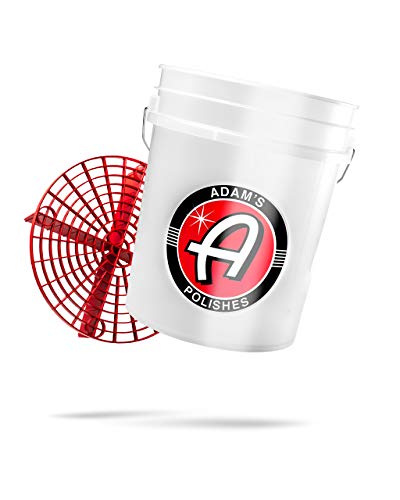 |
Adam’s Polishes Wash Bucket (5 Gallon Bucket + Grit Guard)Adam’s Polishes | Our pick | 5-gallon · grit guard · detailing bucket | $29.99
Price as of 16 Nov 2026
|
View |
 |
Professional Detailing Bucket DollyBeuioslyr | Upgrade pick | 5-gallon · 360° casters · bucket dolly | $30.99
Price as of 16 Nov 2026
|
View |
 |
Maxshine 5 Gallon Universal Detailing BucketMaxshine | Also great | 5-gallon · universal · detailing bucket | $32.99
Price as of 16 Nov 2026
|
View |
 |
Grit Guard The Original Black Bucket InsertGrit Guard | Pair with it | 10-inch · black · bucket insert | $9.99
Price as of 16 Nov 2026
|
View |
The fastest choice is a full-size detailing bucket for paint work, plus a second rinse bucket if you wash often enough to justify the space. If you need portable wheel or interior cleanup, a mini bucket can handle that job without turning your main wash setup into a storage problem.
How we chose
We compared manufacturer specs, listing details, and published buyer feedback for capacity, accessory compatibility, mobility, and the wash versus rinse roles each bucket can fill.
That approach favors setups that cut recontamination risk, fit common home spaces, and skip accessories that sound useful but do little for actual washing flow.
Wash bucket decision table
| Home-detailing scenario | Recommended bucket size | Bucket count | Grit guard needed? | Optional accessories |
|---|---|---|---|---|
| Small driveway | 20 liters / 5 gallon | 2 | Yes | Lid if you store water or supplies between washes |
| Garage | 20 liters / 5 gallon | 2 or 3 | Yes | Bucket dolly for moving full buckets, lid for storage |
| Apartment or portable setup | Mini bucket, about 16 liters, or one 20-liter bucket | 1 or 2 | Yes for paint work | Lid for transport, dolly only if the space allows it |
What to look for in a detailing bucket
A good car wash bucket for home detailing is a purpose-built container, not a generic pail from the utility shelf. It should be durable, large enough to hold wash water without constant refills, and compatible with inserts, lids, and a dolly if your setup needs them.
Capacity and footprint
The common home-detailing size is around 20 liters, which is enough for wash duty without becoming awkward to carry for every user. Larger buckets hold more water, but they also take more floor space, weigh more when full, and tip more easily if you set them on uneven concrete.
If your wash spot is tight, footprint matters as much as volume. A bucket that sits too high or too wide can get in the way of the hose, the hose reel, and your footing around the car.
Plastic construction and durability
Detailing buckets are usually made from durable plastic that can handle soap, rinse water, and repeated handling. That matters because a flexing or flimsy bucket is harder to carry safely, and it is more likely to spill if you set it down quickly.
A regular household bucket may hold water, but it often lacks the fit, accessory compatibility, and stable shape that paint-safe washing depends on. Use a dedicated detailing bucket when the job involves clear coat, not just a quick rinse of dirty tools.
Color coding and accessory fit
Color coding is useful because it keeps wash water and rinse water separate at a glance. That makes the workflow easier to follow, especially for beginners who do not want to guess which bucket is which once both are on the ground.
Accessory fit matters too. The bucket should accept a grit guard or separator insert, and a lid should fit its diameter securely if you plan to store chemicals or move water between a garage and a wash spot.
Do you need a grit guard?
For paint work, yes in most cases. A grit guard, also called a separator insert, helps keep dirt below the wash media so the mitt is less likely to pick debris back up on the next pass.
How a separator insert helps
The insert sits at the bottom of the bucket and gives grit a place to settle away from the mitt. That does not eliminate scratch risk, but it cuts recontamination risk when you load the mitt, release dirt, and dip again.
That is why a bucket with a built-in or compatible insert is a safer choice than a plain pail. The benefit is practical: less dirt floating back into the wash cycle, especially when the car is visibly dusty or the lower panels are dirty.
When to buy one separately
Buy the insert separately if your bucket does not include one or if you want to keep a clean insert dedicated to one bucket. The Grit Guard insert listed here is meant for standard detailing buckets, including 3.5-, 4-, 5-, and 6-gallon sizes, so fit still needs to match your bucket diameter.
A separator insert is not mandatory for a light rinse of tools or for very low-risk cleaning tasks. For paint, though, it is one of the few accessories that changes the wash cycle in a meaningful way.
Standard 20-liter bucket: best for beginners
A 20-liter detailing bucket is the safest all-around starting point because it gives you enough water for a proper wash without forcing you into a bulky setup. For most home detailers, that is the sweet spot between handling, volume, and accessory compatibility.
Why it works as the default
FX Protect describes its bucket as a 20-liter detailing bucket, positions it for professional detailing use, and offers it as a wash-duty bucket with a separate rinse bucket option. That layout matches the basic home-detailing workflow: one bucket for soapy wash water, one for cleaning the mitt.
It also lines up with the common two-bucket standard. If you only buy one full-size bucket first, make it a dedicated wash bucket and add the rinse bucket next.
Where a regular household bucket falls short
A regular bucket can hold water, but it usually lacks the accessory fit and workflow cues that make paint washing safer. Without a separator insert, without color coding, and without a clear wash-versus-rinse split, it is easier to drag dirt back onto the mitt.
Say your driveway is narrow and you keep a single household bucket next to the front wheel. You wash the lower door, the mitt picks up grit, and the same bucket becomes the rinse station too. That is the point where contamination risk climbs fast.
Two bucket method: best for paint safety
The two bucket method uses one wash bucket and one rinse bucket. It is the standard home-detailing setup for paint because it separates fresh soap from dirty rinse water and makes it easier to keep debris out of the wash cycle.
Wash bucket versus rinse bucket
The wash bucket holds soap and clean water for the mitt. The rinse bucket is where the mitt is cleaned after each panel or section, so dirt drops out before the mitt returns to the wash bucket.
That split is simple, but it matters. A single bucket forces dirty rinse water and clean wash water into the same space, which raises the chance of recontamination every time you reload the mitt.
Why color coding helps
Color coding helps prevent contamination between steps because you can tell the buckets apart instantly. That is especially useful when the wash session gets interrupted or when someone else in the garage moves equipment around.
The same source says color coding helps prevent contamination between steps, and that guidance fits the way most home detailers actually work. Paint-safe washing is easier when the visual cue is built into the setup.
Where the wash mitt fits in the workflow
The wash mitt is the tool that touches paint most often, so it benefits from a separate rinse bucket. After each section, rinse the mitt, release debris, then reload it from the wash bucket. That sequence keeps the mitt cleaner than a one-bucket wash usually does.
A common first-timer mistake is using the same bucket for wheels and paint. If wheel grime goes into the same water, the mitt carries that contamination straight to the body panels.
Mini bucket and dolly setup: best for small spaces
A mini bucket is a better fit when you need portability more than volume. The smaller format is useful for wheels, interiors, travel, or spot work, and it keeps the setup manageable when storage space is limited.
Mini bucket use for wheels or interiors
FX Protect identifies a mini bucket option and recommends it for wheels or interiors. That makes sense because those jobs usually need less water than a full exterior wash, and the smaller bucket is easier to carry through a garage or apartment parking area.
If your main concern is cleaning wheel faces, door jambs, or interior plastics, a mini bucket can be the right tool. It is less suited to full-panel paint washing unless you are willing to refill often.
When a bucket dolly makes sense
A bucket dolly is an optional accessory that adds mobility. It helps move a full bucket without lifting, which matters in a garage or studio where you may need to roll the bucket around the vehicle.
That said, a dolly is not required for everyone. It adds cost and floor space, and it only helps if your surface is level enough to roll safely.
Why a lid helps
A lid is useful for storage and transport because it helps keep dust and debris out between washes and can hold water or chemicals more securely in transit. The important part is fit: the lid has to match the bucket diameter and close securely.
If you store soap, towels, or mitts in the bucket, a lid can make the setup tidier. If the bucket lives in one fixed spot and never travels, the lid is helpful but optional.
What is the best car wash bucket for home detailing?
The best car wash bucket for home detailing is a durable 20-liter detailing bucket with a compatible grit guard, paired with a second rinse bucket if you want the safer standard setup. That combination gives you enough water, a clearer wash workflow, and a better chance of keeping dirt out of the mitt.
For most users, the best answer is not one bucket by itself. It is a wash bucket plus rinse bucket, with color coding and an insert if paint safety matters.
Which one should you buy?
Choose one bucket if storage and budget are tight and you only need a light setup for occasional washing. In that case, buy a 20-liter detailing bucket first and add a grit guard if you are washing painted surfaces.
Choose two buckets if you wash paint regularly and want the standard safer setup. That is the better choice for most home detailers because the rinse bucket cuts contamination risk in a way a single bucket cannot.
Choose a mini bucket if you need portability more than volume. It works well for wheels, interiors, or apartment storage, but it is not the best default for a full exterior wash.
Suppose you clean your car every other weekend in a small driveway. Two 20-liter buckets, one for wash and one for rinse, is the cleanest setup that still stays practical.
Product roundup
Adam’s Polishes Wash Bucket: best for a starter kit
This is the easiest all-in-one pick if you want a dedicated wash bucket with a separator insert already included. The built-in grit guard, sealable lid, and storage use cases make it a practical starting point for home detailing.
It is a strong fit for readers who want one bucket to organize soap, mitts, towels, and garage storage in a single container. The drawback is that it is still only one bucket, so paint-safe washing works better once you add a separate rinse bucket.
Beuioslyr Detailing Bucket Dolly: best for mobility
This dolly is the mobility add-on for a full bucket when you do not want to carry the weight across a garage or studio. The 360-degree casters and locking brake wheels make it easier to roll a bucket into position and keep it parked when you stop.
It suits users who already have a bucket system and want less lifting. The drawback is obvious: it does nothing for grit control, and it is only useful if the surface and space allow safe rolling.
Maxshine 5 Gallon Universal Detailing Bucket: best for wash or rinse duty
This is the most flexible plain bucket in the list because it is meant to work as a wash bucket, a rinse bucket, or a storage container. Its compatibility with most standard grit guards and inserts makes it easy to fold into a two-bucket setup.
It is a sensible choice if you want a dedicated bucket that can move between roles as your setup grows. The drawback is that it does not include the insert itself, so you still need to buy grit control separately.
Grit Guard The Original Black Bucket Insert: best for dirt control
This insert is the core add-on if your bucket does not already include one. Its radial surface is designed to help remove grit from wash mitts, and it lets debris settle at the bottom of the bucket instead of staying in the wash water.
It fits select 3.5- to 6-gallon buckets, including standard detailing sizes, which makes it a useful upgrade for a home setup. The drawback is that it is an insert only, so you still need a compatible bucket and, for the safest workflow, a separate rinse bucket too.
Frequently asked questions
Do I need a grit guard in my car wash bucket?
If you are washing paint, yes in most cases. A grit guard keeps dirt below the wash media and reduces recontamination risk, which is the main reason it belongs in a home-detailing bucket system.
What size bucket is best for car washing?
Around 20 liters is the common full-size target for home detailing. It is large enough to be practical for wash duty without becoming so bulky that it is annoying to carry, store, or place beside the car.
Should I use one bucket or the two bucket car wash method?
Use the two bucket method if you wash paint regularly and have room for it. One bucket can work for very light tasks, but separating wash and rinse water is the safer standard because it lowers the chance of dragging dirt back onto the mitt.
What is a bucket car wash with filter?
That usually means a bucket with a separator insert or grit guard at the bottom. The insert helps keep dirt below the wash media so debris is less likely to be picked back up during the next mitt rinse and reload cycle.
Can I use a regular bucket for washing my car?
You can, but it is not the best choice for paint-safe detailing. A regular bucket usually lacks the fit, accessory compatibility, and clear wash-versus-rinse setup that make a dedicated detailing bucket the safer option.
Products related to this article
Sponsored / affiliate links. As an Amazon Associate I earn from qualifying purchases. I may earn additional commission from eligible campaigns.