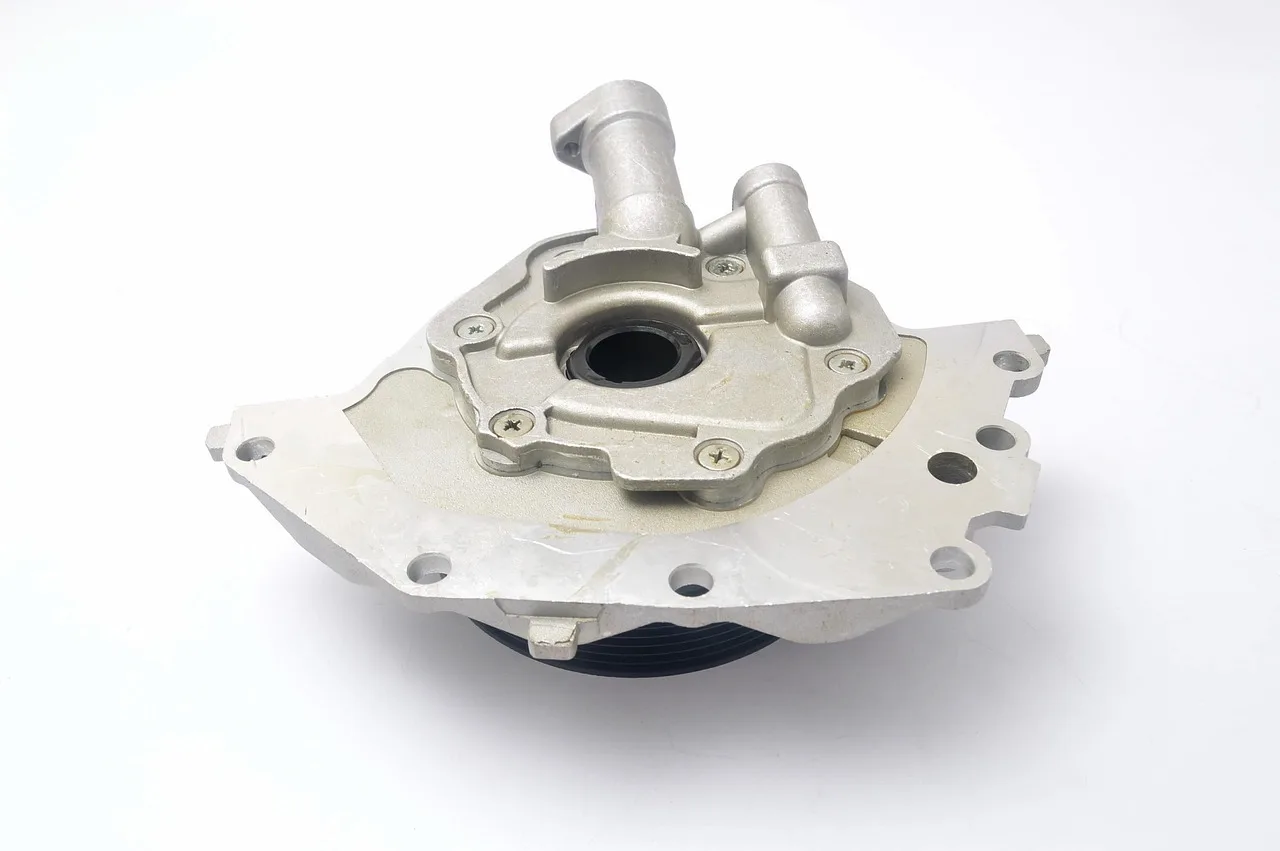
Conventional Oil vs Synthetic Oil: Which One to Use
Conventional oil can be a reasonable choice for older, low-stress engines if you follow a short change interval. Synthetic is the stronger long-term pick for turbocharged, direct-injection, high-mileage, or severe-duty use, while synthetic blend sits in the middle. I have seen the wrong oil thin out cold-start protection, speed up wear, and turn small problems into expensive repairs. This guide matches oil choice to your vehicle, mileage, climate, workload, and budget.
This guide is part of our Car engine troubleshooting guide series.
Conventional oil vs synthetic oil: the real trade-off
The trade-off is plain. Conventional oil comes from refined crude oil and costs less up front, while synthetic oil is chemically developed from petrochemicals and holds up better under heat, cold, and long service. Synthetic blend oil sits between them, and for many drivers it is the smartest fit when full synthetic feels like too much.
| Decision factor | Conventional Oil | Synthetic Oil | Winner |
|---|---|---|---|
| Upfront cost | Lower bottle and change cost | Higher bottle and change cost | Conventional Oil |
| Cold-start flow | More sensitive to temperature extremes | Flows quickly even at low temperatures | Synthetic Oil |
| Heat and oxidation resistance | Less chemically stable over time | Protects against high temperatures and resists breakdown better | Synthetic Oil |
| Sludge and deposits | Can form sludge over time | Can combat sludge and deposit buildup | Synthetic Oil |
| Best fit | Older, low-load engines with short intervals | Turbo, towing, hot or cold climates, severe duty | Tie |
What conventional oil is made from
Conventional oil is made from whole refined crude oil. It can lubricate properly, and in the right engine with the right interval it does the job. The catch is that it loses its margin sooner under heat, contamination, and repeated short trips because it is less chemically stable than synthetic oil.
What synthetic oil is made from
Synthetic oil is chemically developed from petrochemicals. That process gives it better viscosity control and stability, which matters when an engine sees cold starts, heavy loads, or high heat. Synthetic oil also resists sludge and deposit buildup better, and it stands up to high temperatures better than conventional oil.
Where synthetic blend oil fits in
Synthetic blend oil mixes conventional and synthetic base stocks. It costs less than full synthetic and usually makes sense when you want some added protection without paying full synthetic prices. For plenty of daily drivers, that is the practical compromise.
According to mobil.com — Turbocharger oil can exceed 400 degrees Fahrenheit.
How to compare oil types side by side

Compare oil by service life, temperature behavior, and engine workload, not by label claims. The better question is not “Which oil is best?” It is “Which oil is best for this engine, this climate, and this interval?”
Upfront price and yearly cost
Price alone favors conventional oil. The article’s example prices are about $38 for an oil change with conventional oil and about $78 with synthetic oil. That gap matters, but yearly cost per mile matters more if synthetic lets you run the maker-approved interval your car was designed for.
Cold-start flow in winter
Synthetic oil flows quickly even at low temperatures, which helps during start-up when wear is highest. Conventional oil reacts more to temperature swings, so winter mornings can expose slower flow and thicker feel. I see that most on very cold mornings and on short-trip cars that never reach full operating temperature.
Heat resistance and oxidation control
Synthetic oil protects against high temperatures and resists breakdown better when the oil film gets worked hard. That matters in turbocharged engines, long highway pulls, towing, and hot weather. Conventional oil can still lubricate, but it has less headroom once the oil gets cooked.
Deposit control and sludge resistance
Conventional oils can form sludge over time, especially when the engine sees short trips and long drain intervals. Synthetic oils do a better job of resisting sludge and deposit buildup. If an engine already runs dirty, synthetic is often the cleaner pick for the next service cycle.
Drain interval expectations
Drain interval is where the yearly cost picture shifts. A cheaper oil changed too often can cost more per mile than a pricier oil used for the full interval the manual allows. The owner’s manual sets the ceiling, and driving conditions set the practical target.
Which oil does your car actually need?
The owner’s manual comes first. It tells you the required viscosity, the required formulation, and the service interval guidance the manufacturer expects you to follow. If the manual calls for a specific spec, that spec comes before brand, price, or old habits.
How viscosity grades work
Viscosity grade tells you how the oil flows in cold and hot conditions. Grades like 0W-30, 5W-30, 5W-20, and 10W-30 are not interchangeable unless the manual allows more than one grade. The “W” side matters most at start-up, while the second number helps describe hot running behavior.
What API and ILSAC labels tell you
API and ILSAC specifications are useful quality standards to check along with viscosity. They separate oil that merely pours from oil that meets modern engine requirements and warranty-safe selection. If the manual names an API or ILSAC level, match it rather than guessing.
When manufacturer approval matters most
Manufacturer approval matters most on newer engines, turbocharged engines, direct-injection engines, and any car still under warranty. If the manual wants a specific approval, the bottle has to match. That is where owners get into trouble by buying “synthetic” without checking the exact spec.
- Read the owner’s manual for viscosity and spec.
- Check whether the car allows conventional, synthetic blend, or full synthetic.
- Match API and ILSAC requirements.
- Choose the oil type that fits climate, load, and interval.
Does your driving pattern change the answer?
Yes. The same car can need a different oil choice depending on how it is driven. Short trips, towing, and stop-and-go commuting punish oil far more than an easy highway cruise, so the engine’s workload should steer the final choice.
Short trips and stop-and-go commuting
Short trips are hard on conventional oil because the engine stays cold longer, and moisture and fuel dilution build up more easily. A synthetic or synthetic blend is usually the better move here. It keeps more margin when the oil never gets a full, easy warm-up.
High-speed highway use
Highway driving can be gentle or severe, depending on load and temperature. Long steady trips at moderate speed are easier on oil than heavy hauling, but hot ambient temperatures and high RPM still favor synthetic. The issue is heat management, not just miles.
Towing, hauling, and mountain driving
Towing and mountain driving raise oil stress fast. More load means higher temperatures and a thinner safety margin in the oil film. Synthetic oil is usually the smarter pick because it holds up better when the engine is pulling hard for long periods.
Hot climates and very cold climates
Extremes push oil to its limits. In very cold weather, synthetic flows faster at start-up. In very hot weather, synthetic resists breakdown better. Conventional oil can still work in mild climates and mild use, but it gives up margin on both ends.
Is synthetic oil better for turbocharged and high-mileage engines?
For turbocharged engines, synthetic is usually the safer choice because turbos create more heat and load on the oil film. High-mileage engines are different: some still do fine on conventional oil if the manual allows it, but worn seals, hotter running, and sludge history often make synthetic or blend the better fit.
Why turbos put more stress on oil
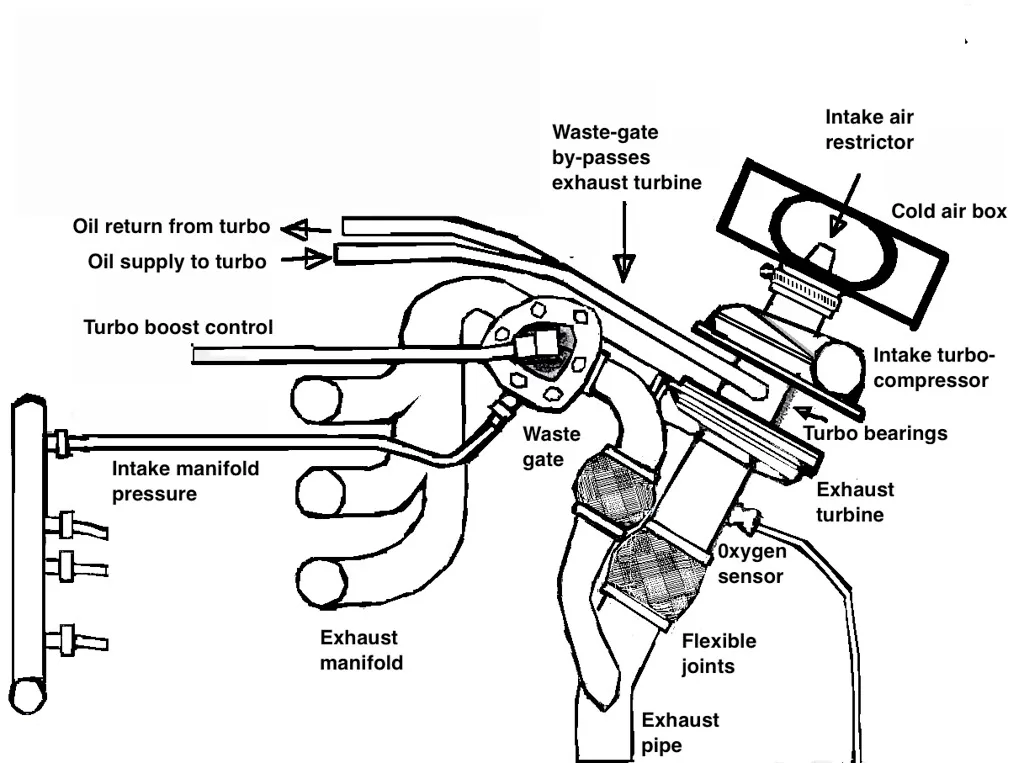
Turbocharger oil can exceed 400 degrees Fahrenheit, and turbocharger shafts can spin up to 200,000 revolutions per minute. That is a brutal environment for any lubricant. Synthetic oil is better suited there because it keeps its shape and protection better under high temperature.
When synthetic helps in worn engines
High-mileage engines may need better deposit control and better cold-flow behavior, especially if they see winter starts or long idle time. Synthetic can help keep the engine cleaner and reduce the stress of repeated start-stop use. In some older engines, though, conventional oil’s slower flow may still suit worn clearances if the manual permits it.
When conventional oil can still be acceptable
Conventional oil can still be acceptable in an older, non-turbo engine with mild use and short intervals. That is especially true when the owner’s manual allows it and the engine has no sludge history. It is not the best choice for every high-mileage car, but it is not automatically wrong either.
Can you use synthetic oil with regular oil?
In modern compatible formulations, switching between synthetic and conventional oil is generally acceptable if the oil meets the right viscosity and API or ILSAC spec. Mixing oils is not ideal as a habit, but a top-off or a normal transition does not require a full flush in most cases.
What happens when oils are mixed
When oils are mixed, the blend usually ends up closer to the weaker side of the two oils rather than the stronger one. Treat the result by the required spec and the shorter service assumptions. It is fine in an emergency top-off, not as a maintenance strategy.
When switching from conventional to synthetic is fine
Switching from conventional to synthetic is fine when the manual allows the synthetic viscosity and specification. No special ritual is needed in most modern engines. The real check is whether the oil meets the required grade and standard, not whether the engine has “been used to” conventional oil.
When a full flush is not needed
A full flush is usually unnecessary for a routine switch. That said, a sludge-prone engine deserves a close eye on interval and filter condition after the change. If the engine has a long history of poor maintenance, the smarter move is often shorter intervals, not aggressive flush chemicals.
Choose conventional oil if… / choose synthetic oil if… / choose synthetic blend if…
The right pick depends on how hard the engine works and how often the oil is changed. Conventional oil is acceptable in mild duty when the manual allows it. Synthetic is the better long-term bet when heat, cold, or load are part of the job. Synthetic blend is the middle path when price and protection both matter.
Choose conventional oil if…
- The owner’s manual allows conventional oil for that engine and viscosity.
- The car is older, non-turbo, and driven in mild temperatures.
- Oil changes stay short and regular.
- Budget is tight and the engine sees low stress.
Choose synthetic oil if…
- The engine is turbocharged, direct-injection, or high-output.
- The car sees towing, mountain driving, stop-and-go commuting, or severe weather.
- The manual calls for synthetic or a specific approval that synthetic oil satisfies.
- The goal is longer-term protection and cleaner operation.
Choose synthetic blend if…
- The driver wants better protection than conventional oil without full synthetic pricing.
- The car sees mixed duty, not extreme duty.
- The manual allows either conventional or synthetic options.
- The engine is aging, but not demanding full synthetic for every mile.
Decision matrix: pick the right oil for your car
This one-page matrix puts the choice into vehicle age, mileage, climate, engine type, driving load, and budget. Use it with the owner’s manual first. If the manual gives one approved viscosity and spec, follow that before using the matrix to choose between conventional, synthetic blend, or full synthetic.
| Vehicle and use case | Recommended oil type | Interval note |
|---|---|---|
| Older car, 100,000+ miles, non-turbo, mild climate, low load, tight budget | Conventional oil | Stay on the short interval the manual allows; watch for leaks and oil use. |
| Older car, 100,000+ miles, mixed driving, some winter starts, moderate budget | Synthetic blend | Good step-up if the manual allows it; use the manual interval, not a guess. |
| Turbo engine, any mileage, hot weather, towing, or mountain driving | Synthetic oil | Use the approved spec and avoid stretching intervals past the manual limit. |
| Newer car, direct-injection engine, stop-and-go commuting, cold winters | Synthetic oil | Better cold-flow and deposit control matter more than the higher upfront cost. |
| Low-mileage commuter, non-turbo, mild climate, short annual mileage | Conventional oil or synthetic blend | Pick the cheapest oil that still matches the manual and service schedule. |
| Fleet or high-use vehicle, severe duty, long idling, frequent towing | Synthetic oil | Higher upfront price can pay back through better heat control and service margin. |
What oil should my car use according to the owner’s manual?
The owner’s manual should be the first and last word on viscosity, API or ILSAC level, and any manufacturer approval. It may allow more than one viscosity, such as 0W-30, 5W-30, 5W-20, or 10W-30, but only within the approved range. If the manual says synthetic, use synthetic.
conventional oil vs synthetic oil change
The change itself is usually simple. The hard part is picking the right interval and not assuming synthetic can ignore service limits. Conventional oil usually needs shorter service intervals, while synthetic often supports longer intervals within the manual’s limits and the real driving pattern.
conventional oil vs synthetic oil price
Price should be measured per year and per mile, not just per bottle. The example oil-change prices here are about $38 for conventional oil and about $78 for synthetic oil, but the right comparison depends on how often each oil must be changed. A cheaper oil that needs more frequent service can cost more over the year.
regular oil vs synthetic oil
Regular oil usually means conventional oil. Synthetic oil is a chemically developed lubricant with better cold flow, stronger heat resistance, and better sludge control. For a mild-duty older engine, regular oil can be enough; for modern engines and severe use, synthetic is usually the better choice.
Frequently asked questions
Which is better conventional oil or synthetic oil?
Synthetic oil is better for engine protection, especially in heat, cold, and heavy use. Conventional oil can still be adequate in older, low-stress engines that get frequent changes. The better choice is the one that matches the owner’s manual and the way the car is actually driven.
What is the difference between regular oil vs synthetic oil?
Regular oil is conventional oil made from refined crude oil. Synthetic oil is chemically developed from petrochemicals and usually offers better viscosity control, better cold-start flow, and stronger high-temperature stability. That difference matters most in severe service and newer engines.
Can you use synthetic oil with regular oil?
Yes, modern oils are generally compatible enough for normal switching or topping off, as long as the viscosity and specification are correct. It is better to avoid making a habit of mixing random oils. Treat it as acceptable within the correct spec, not as a free-for-all.
Conventional oil vs synthetic oil price: is it worth the extra cost?
It is worth the extra cost when the engine sees turbo heat, winter starts, towing, short trips, or long service intervals allowed by the manual. It may not be worth it for a simple older commuter with short, regular changes. Annual cost per mile is the better measure.
Is synthetic oil better for high mileage cars?
Often, yes. High-mileage engines can benefit from better cleanliness, stronger heat resistance, and faster cold flow. But some older engines can still use conventional oil if the manual allows it and the engine is not under severe load or sludge risk.
What oil should my car use according to the owner’s manual?
The manual should specify the viscosity grade, the API or ILSAC level, and sometimes a manufacturer approval. That requirement comes before oil type debates. If the manual allows conventional, synthetic blend, or synthetic, then choose based on driving style, climate, and budget.
Products related to this article
Sponsored / affiliate links. As an Amazon Associate I earn from qualifying purchases. I may earn additional commission from eligible campaigns.
 ECOGARD X10023 Cartridge Engine Oil Filter for Conventional Oil - Premium Replacement | Fits 2018-2023 Volkswagen Atlas 3.6L; 2020-2023 Atlas Cross Sport 3.6L
 ECOGARD X10040 Cartridge Engine Oil Filter for Conventional Oil - Premium Replacement | Fits 2011-2026 Jeep Grand Cherokee, Dodge Durango 3.6L; 2012-2026 Wrangler 3.6L; 2014-2022 Cherokee 3.2L