Windshield Sunshade vs Window Tint: Which to Buy First
A windshield sunshade is best for parked-time heat control and dashboard protection, while window tint is better for constant glare reduction and cabin comfort. Many drivers get the best result from both. Skip either one, and you leave heat, UV wear, and eye strain unchecked. This guide compares heat reduction, glare control, UV protection, legality, cost, and which option fits commuters, outdoor parkers, rideshare drivers, and parents with child seats.
This guide is part of our Car exterior accessories guide series.
Windshield sunshade vs window tint: the real trade-off
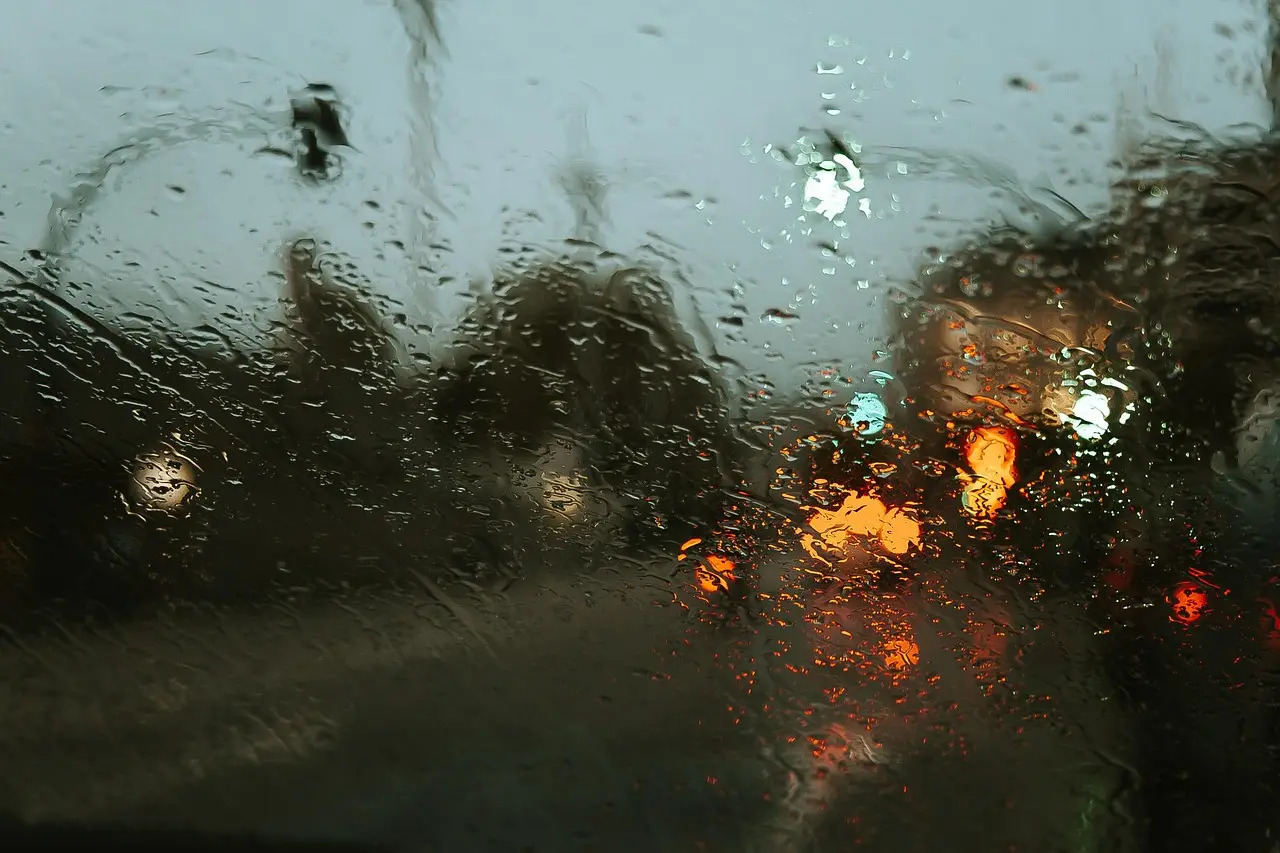

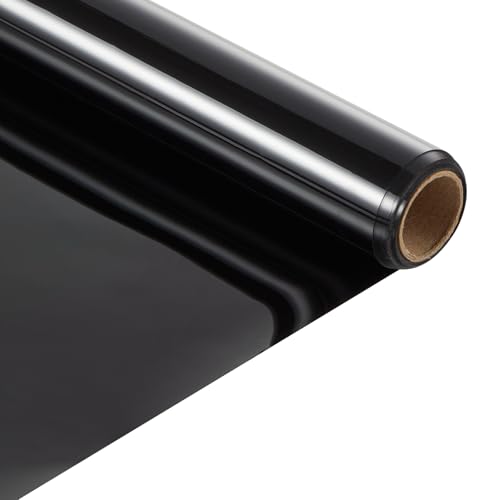
The choice is straightforward: a windshield sunshade works only when the car is parked, while window tint works while driving and while parked. That makes a shade the better tool for blocking direct sun on the front cabin during parking, while tint is the better always-on option for glare control, privacy, UV protection, and steady comfort.
| Decision factor | Windshield Sunshade | Window Tint | Winner |
|---|---|---|---|
| Works while driving | No | Yes | Window Tint |
| Parked-time dashboard protection | Strong | Moderate | Windshield Sunshade |
| Glare reduction on the road | No | Yes | Window Tint |
| Legal risk on the front glass | Low | Higher, depending on VLT and state rules | Windshield Sunshade |
| Upfront cost | Lower | Higher | Windshield Sunshade |
| Long-term everyday comfort | Limited | Strong | Window Tint |
Works while driving vs works only when parked
The split is about timing. A shade comes out before driving, so it cannot help with daytime glare, side-window heat, or rear-seat comfort on the road. Tint stays on the glass, so it can reduce brightness, add privacy, and cut UV exposure every time the car moves.
Heat control is not the same as legal darkness
Dark appearance does not mean better heat rejection. Cheap dyed film can look dark and still perform poorly, while ceramic film can look lighter and reject more infrared energy. That is why the better product is not always the darker one.
UV protection is separate from cabin heat reduction
Reputable window film can block 99%+ UV, which matters for skin exposure and interior fade. But UV blocking is not the same thing as keeping a cabin cool. A shade can block light on the parked windshield, yet the cabin still heats up from the greenhouse effect around the rest of the glass.
📊 Reputable window film can block 99%+ UV. Source: Tintlaws.
How each one works
A windshield sunshade covers the windshield, blocks visible light when deployed, and must be removed before driving. Window tint is thin laminate film installed on glass surfaces, usually side and rear windows and sometimes the windshield, where it changes how much light, heat, and UV enter the cabin.
Windshield sunshade: parked-car coverage for the front glass
A reflective windshield sunshade is a low-cost parking accessory aimed at the dashboard and front cabin. It protects the dash, steering wheel, touchscreen, and front seats from direct sun, and a conventional windshield shade reduced average interior-air temperature by about 15°F in one Florida test.
Fit matters. Custom-fit shades usually seal better around the mirror, A-pillar edges, and sensor housings, while universal-fit shades are cheaper but more likely to leave edge gaps and lose coverage on curved windshields. Those gaps matter on hot, bright days.
Window tint: film on glass that changes what gets through
Window tint works on side, rear, and sometimes windshield glass, depending on the law and the film chosen. It can reduce glare, block UV, and improve comfort while driving. Heat rejection varies by film type, and ceramic film is the premium path when you want strong heat control without a very dark look.
Why UV protection and heat rejection are different
UV protection mainly addresses skin exposure and interior aging. Heat rejection depends more on how much visible and infrared energy the product stops. A shade can block sunlight at the windshield when parked, but tint is the piece that keeps working during the drive.
Which one works better for parked heat?
For parked heat, a reflective windshield sunshade is usually the better buy because it targets the glass that gets the most direct sun and protects the dashboard, steering wheel, touchscreen, and front seats. Tint still helps parked cars, but it cannot stop sun from hitting the windshield unless the law allows front-glass film, and even then coverage is often limited.
Reflective windshield sunshade for dashboard and front-seat heat
The strongest parked-time result comes from blocking direct sun at the windshield. One comparison claims a conventional windshield shade reduced cabin temperature from the high 100s to a lower level, and the same comparison says a dual-layer sunshade can reduce cabin temperature to 108°F after 60 minutes. That is a parked-car advantage, not a driving one.
Custom-fit vs universal-fit shades
Custom-fit shades usually win because they cover more of the glass and are quicker to put in place. Universal-fit shades are easier to buy and cheaper, but loose edges let light leak in, which reduces dashboard protection and leaves hot strips at the sides and top. For daily use, that convenience gap matters.
Say your sedan has a steep windshield and a wide mirror mount. A loose shade may bow outward at the top corners, let a bright band of sun hit the dash, and be so awkward to install that it gets skipped on quick errands.
When tint still helps a parked car
Tint still helps parked cars by reducing solar load on the side and rear glass and by blocking UV all the time. But if the main problem is a blazing windshield in an outdoor lot, the shade has the sharper effect at the point where sun enters most directly.
Which one works better while driving?
Window tint is the better option while driving because it stays on the glass and keeps working against glare, heat, and UV exposure. A sunshade must be removed before driving, so it does nothing once the car is moving and cannot help rear-seat passengers or child seats on the road.
Tint for glare reduction, privacy, and steady comfort
Does tint help while driving? Yes. It can reduce discomfort from low-angle sun, cut harsh brightness, and add privacy, all without any daily setup. Ceramic 35% tint is often discussed because it can offer meaningful comfort without looking extremely dark, though actual performance depends on the film and the glass package.
A common first-timer mistake is choosing a very dark dyed film because it looks good in a parking lot. That can backfire on a sunny commute if the film rejects less heat than a lighter ceramic option.
Why a sunshade cannot solve driving heat
A sunshade is removed the moment the car moves. It cannot reduce solar load through the side windows, cannot help with windshield glare on the road, and cannot improve comfort for a driver stuck in stop-and-go traffic. Its job is parked-time protection, nothing more.
Rear-seat and child-seat use cases
Parents with child seats often get the best results from tint on the rear side windows plus a shade for parking. Tint helps keep rear seating less bright and can reduce UV exposure during the drive, while the shade protects the cabin when the car is parked in a school lot, driveway, or daycare pickup line.
Can you tint the front windshield, and is it legal?
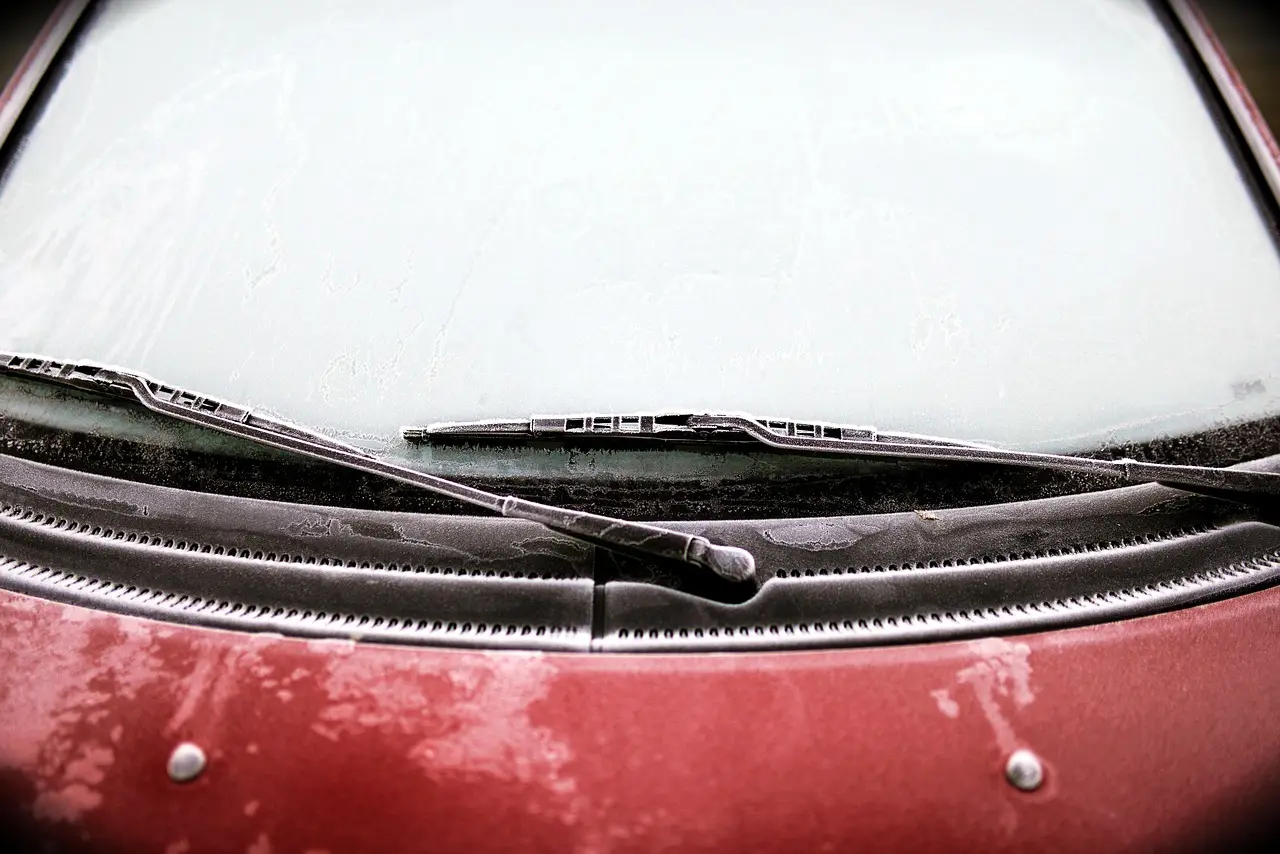
Can you tint the front windshield? Sometimes, but usually only in limited ways. Is front windshield tint legal? Rules vary by state, and front-glass limits are often much stricter than side-window limits, with many states using the AS-1 line or similar language to define the top boundary.
VLT explained in plain terms
VLT means visible light transmission. It is the legal measurement for tint darkness: higher numbers mean lighter tint and more light coming through. A front windshield usually has tighter VLT rules than side glass, so the same film can be legal on a side window and illegal on the windshield.
The AS-1 line and common front windshield limits
The AS-1 line is a marking near the top of many windshields that is often used when setting front-glass tint boundaries. In many places, tint below that line is restricted or barred, and some jurisdictions limit front windshield tint to the upper strip only. That is why legality must be checked before buying film for the front glass.
Ceramic, dyed, and metallic film differences
Ceramic window film is often a strong all-around choice for heat rejection because it can reduce infrared energy while staying lighter-looking than dyed tint. Dyed film is usually cheaper but less effective for heat. Metallic film can reject heat well, but it may interfere with electronics in some vehicles, so it is not a universal answer.
ADAS cameras, dashcams, and windshield coverage limits
Modern windshields often carry ADAS camera areas, rain sensors, and mirror-mounted hardware. Tint near those zones can interfere with system performance or create inspection problems if it crosses restricted areas. Dashcams can also be affected if the film changes glare or leaves a wavy edge around the mount.
Decision matrix: which option fits your car and routine?
The better choice depends on parking pattern, climate, and legal risk tolerance. If the car sits outside for long stretches, the shade usually gives more value for parked heat. If the car is driven daily in sun and traffic, tint usually gives more value because it works every mile.
| Use case | Parking pattern | Legal risk tolerance | Better choice |
|---|---|---|---|
| Short errands | Frequent stop-and-go parking | Low | Windshield Sunshade |
| All-day outdoor parking | Long sun exposure | Low to moderate | Windshield Sunshade |
| Long highway commuting | Mostly driving time | Moderate, with legal tint checks | Window Tint |
| Rideshare or delivery driving | On-road comfort matters most | Moderate to low | Window Tint |
| Family vehicle with child seats | Mixed parked and driving use | Low | Both |
Commuters
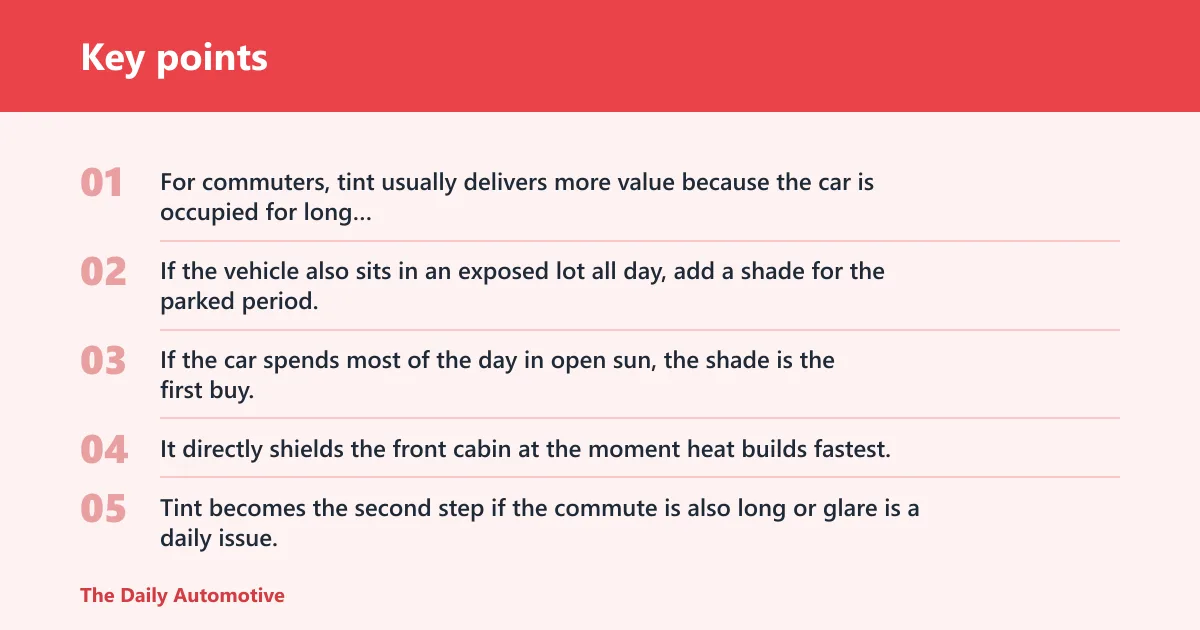
For commuters, tint usually delivers more value because the car is occupied for long stretches and the sun load changes throughout the drive. If the vehicle also sits in an exposed lot all day, add a shade for the parked period.
Outdoor parkers
If the car spends most of the day in open sun, the shade is the first buy. It directly shields the front cabin at the moment heat builds fastest. Tint becomes the second step if the commute is also long or glare is a daily issue.
Rideshare drivers
Rideshare drivers usually need comfort without creating front-glass legal problems. A legal ceramic tint on side and rear glass often gives the best balance, then a sunshade can be used between trips when the car is parked.
Parents with child seats
Families tend to benefit from both, because child-seat areas can get hot during parking and bright during the drive. Tint helps with rear-seat comfort, while a sunshade lowers cabin temperature before the first buckle click.
Suppose a crossover sits outside a school for six hours, then carries two kids home in late-afternoon sun. Tint alone helps during the drive, but a shade plus legal rear-window tint usually does more for the whole routine.
5-year cost-per-use comparison
Over five years, sunshades usually win on upfront cost, while tint usually wins on daily value. A shade may be replaced sooner if the fold, elastic edge, or reflective layer wears out. Tint has a bigger initial bill, but it keeps working every day if the film is quality and the law allows it.
Upfront cost and replacement cycle for sunshades
A sunshade is the cheaper entry point, especially for a reflective windshield shade. Over five years, the real cost is the purchase price plus any replacement after wear, bending, or a bad fit. The cost-per-use is strongest if you actually deploy it often.
Film cost, installation, and long-term value for tint
Tint has higher upfront cost because it includes film and installation. That cost makes more sense for drivers who use the vehicle every day, because the film works on every trip and often lasts for years without daily setup. Ceramic film costs more than dyed film, but the performance gap is often worth it.
How to think about cost per use over ownership time
The math is simple: divide total spend by the number of days the product solves a problem. If a shade is used only a few times a month, its cost per use rises. If tint cuts glare and heat on every commute, its value compounds quickly.
| Path | Upfront cost profile | Likely replacement or upkeep | 5-year value logic |
|---|---|---|---|
| Windshield Sunshade | Low | Possible replacement if frame, fold, or reflective layer wears | Best if parked often and used frequently |
| Window Tint | Higher | Installation quality matters; damaged film may need redo | Best if driving comfort and glare control matter every day |
Choose Windshield Sunshade if… / Choose Window Tint if…
Choose a Windshield Sunshade if the car is parked in direct sun for long periods, if you want the cheapest way to protect the dash and front seats, if you have low legal risk tolerance, or if your main problem is the cabin’s parked-time heat.
Choose Window Tint if you drive in bright sun often, want glare reduction and privacy every mile, need UV protection on the road, or are willing to pay more for a legal ceramic setup on side and rear glass.
If the car does both jobs, buy both. A legal tint setup plus a good reflective windshield shade is the strongest answer for mixed use. For most drivers, the first purchase should match the bigger pain point: parked heat gets a shade first; driving glare gets tint first.
Frequently asked questions
what does 35% windshield tint look like
About 35% VLT means roughly 35% of visible light passes through, so the film looks moderately dark but still lets in a fair amount of light. On a windshield, that can be a noticeable shade change without looking nearly black, though the exact appearance depends on the glass, interior color, and whether the film is ceramic or dyed.
can you tint the front windshield
Sometimes, but only within local rules. Many states restrict front windshield tint to a narrow strip or to areas above the AS-1 line, and some ban tint on most of the windshield entirely. Before buying film, check the actual front-glass rule where the car is registered and where it is driven.
do windshield sun shades work
Yes, when the car is parked. They work by blocking visible light and direct sun through the windshield, which helps protect the dashboard, steering wheel, touchscreen, and front seats. They do not work while driving, and loose-fit shades leave edge gaps that reduce the benefit.
does tint help while driving
Yes. Tint is the option that keeps working on the road, so it can cut glare, reduce brightness, and improve comfort in traffic or on long drives. It can also block UV in a way that helps with skin exposure and interior fade, but the heat-rejection result depends on the film type.
do you need both tint and a sunshade
Not always, but many drivers get the best result from both. Tint handles daily driving comfort, while a sunshade attacks parked-time heat at the windshield. If the car lives outside or carries kids, the combination usually makes more sense than relying on one product alone.
is front windshield tint legal
In many places, only in limited form, and sometimes not at all. Front windshield tint laws are usually stricter than side-window laws, with VLT limits and AS-1 line rules setting the boundary. That is why a product that is fine on one vehicle or state can be illegal on another.
Products related to this article
Sponsored / affiliate links. As an Amazon Associate I earn from qualifying purchases. I may earn additional commission from eligible campaigns.