Why Does My Car Battery Smell Like Rotten Eggs? Explained
That awful smell, like rotten eggs, coming from your car. It’s a really unsettling odor. You might even wonder if something is seriously wrong with your vehicle — see our related guide, Can a Car Explode from Overheating? What Really Happens.
It’s a common problem, and thankfully, there’s usually a clear reason behind it. Let’s dive in and figure out what’s going on.
The rotten egg smell from a car battery usually means the battery is overheating and releasing hydrogen sulfide gas. This happens when the battery is overcharged, damaged, or faulty. It’s a sign that needs attention to prevent potential hazards and ensure your car runs safely.
Understanding That Rotten Egg Smell
That strong, sulfurous scent is a big clue. It’s often described as rotten eggs or even gunpowder. What you’re smelling is a gas called hydrogen sulfide.
This gas is a byproduct of a chemical reaction. When your car’s battery works hard, especially if it’s struggling, it can overheat. This heat causes a part of the battery fluid, the electrolyte, to break down.
That breakdown releases the sulfurous gas.
Think of it like this: the battery is a sealed system. But when it gets too hot, it can start to release these gases. This is more common in older batteries or when something isn’t working right in the charging system.
It’s your car giving you a warning sign.
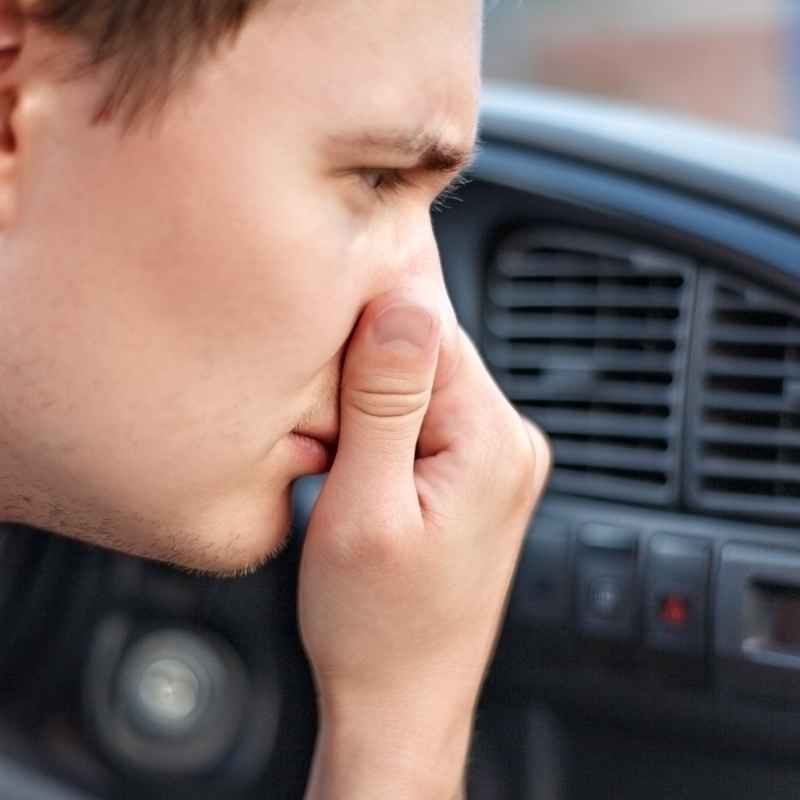
My Car Battery Story: A Stinky Surprise
I remember one sweltering summer afternoon. I’d been driving for a few hours. When I finally pulled into my driveway, I got out of the car and got hit with it.
That unmistakable, awful smell. At first, I thought maybe a neighbor was grilling something odd, or a sewer line broke. But the smell was strongest right by my car.
My stomach dropped a little. I knew it was the car.
I popped the hood, and the smell was definitely stronger near the battery. It wasn’t a gentle hint; it was potent. I didn’t touch anything.
I just stood there, a bit worried. My car had been running fine. There were no warning lights on the dashboard.
But this smell? It felt serious. I just hoped it wasn’t something that would leave me stranded.
That was the day I learned how important it is to pay attention to these smells.
Common Causes of the Smell
Overcharging: The alternator tries to put too much power into the battery. This makes it heat up. The battery can vent excess gases.
Damaged Battery: Cracks or leaks in the battery case let gases escape. This can happen from impact or age.
Faulty Alternator: The alternator controls how much electricity goes to the battery. If it’s broken, it can overcharge.
Extreme Heat: Very hot weather can make the battery hotter. This can speed up chemical reactions inside.
Why It Happens: The Science Bit (Made Simple!)
Car batteries use a chemical reaction to store and release electricity. Inside, there are lead plates and an electrolyte solution. This solution is mostly sulfuric acid and water.
When your car’s engine is on, the alternator charges the battery. This process is supposed to be controlled. But sometimes, things go wrong.
If the alternator pushes too much voltage into the battery, it’s called overcharging. This extra energy makes the battery work overtime. The chemical reactions become too fast and too hot.
As the battery heats up, the water in the electrolyte can turn into gas. This gas is hydrogen. Along with it, sulfuric acid can break down.
This breakdown creates that nasty hydrogen sulfide gas. It’s like a tiny chemical explosion happening inside, but it’s controlled by venting.
Your battery has vents to let these gases out safely. But when there’s too much gas, or the smell is very strong, it’s a sign the battery is under stress. It’s trying to cool itself by releasing this smelly gas.
What’s in That Smell?
- Hydrogen Sulfide (H₂S): This is the main gas. It smells like rotten eggs.
- Sulfuric Acid: It’s corrosive. Contact can burn skin.
- Water Vapor: Released as the battery heats up.
Real-World Scenarios: When Does This Happen?
You’re most likely to notice the smell after a drive. Especially if it was a long drive in hot weather. Or maybe you’ve been running a lot of electronics in your car.
Think about using the air conditioning on max, the radio loud, and charging your phone all at once. This puts a big strain on the electrical system and the battery.
Another common time is after jump-starting a car. If the charging system isn’t quite right, it can lead to overcharging. Sometimes, a battery that is very old might start to fail.
It can’t hold a charge as well. This can make the alternator work harder to try and fill it up, leading to heat and that smell.
You might also notice it if your car has been sitting for a while. Then you try to start it. The battery might be low.
The alternator will work hard to charge it, and if it’s already weak, it can overheat.
The Dangers of a Smelly Battery
This isn’t just about an unpleasant odor. A car battery that smells like rotten eggs is a safety concern. Hydrogen gas is flammable.
If there’s enough of it building up, especially in a confined space like your engine bay, a spark could ignite it. This could lead to a fire or even an explosion. It’s rare, but it’s a real risk.
Also, the sulfuric acid in the battery is corrosive. If the battery leaks, it can damage the car’s metal parts and paint. It can also cause burns if it gets on your skin or in your eyes.
So, while the smell might seem like a minor annoyance, it’s a signal that your battery might be in a dangerous state.
Risk Breakdown
Fire Hazard: Hydrogen gas is highly flammable. A spark can cause a fire or explosion.
Corrosion: Sulfuric acid can eat away at metal parts.
Health Risks: Acid can burn skin and damage eyes.
Vehicle Damage: Leaking acid can ruin paint and body panels.
What This Means for You: When to Worry
A faint, occasional smell right after a very long, hot drive might not be a huge alarm. Some batteries can vent a tiny bit under extreme stress. However, if the smell is strong, consistent, or happens often, it’s time to pay serious attention.
This is especially true if the smell gets worse when the engine is off but the car is still warm.
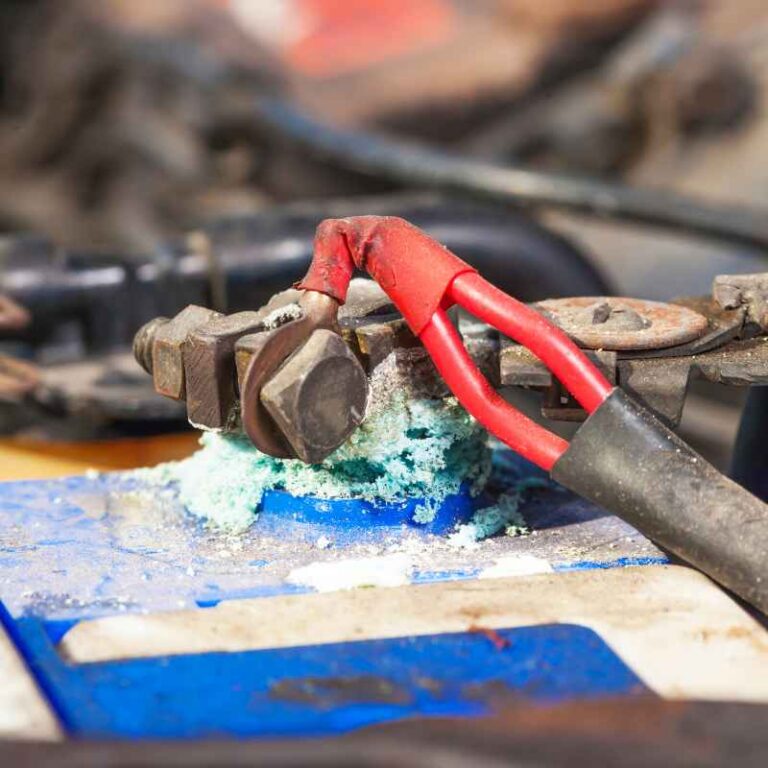
You should also worry if you see any signs of leakage from the battery. Look for white, powdery residue around the terminals or the battery case. This is often a sign of acid corrosion.
If the battery case looks swollen or distorted, that’s another bad sign. It means internal pressure is building up.
Any time you smell rotten eggs coming from your car, it’s best to get it checked out. It’s better to be safe than sorry. A faulty battery can cause bigger problems down the road, and some of them can be expensive.
Quick Checks
Smell Intensity: Is it faint or strong?
Frequency: Does it happen often or just rarely?
Visual Inspection: Any leaks or swollen casing?
Car Behavior: Any starting issues or electrical problems?
Quick Fixes and Things to Consider
The best “fix” for a smelly battery is usually to replace it. If your battery is old, it’s likely at the end of its life. Batteries typically last 3-5 years.
If yours is older than that, it’s a good candidate for replacement.
If your battery is newer, the problem might be with the charging system. The alternator is the most common culprit. A mechanic can test your alternator to see if it’s overcharging or undercharging the battery.
They can also test the battery itself to see if it’s healthy.
Sometimes, simply ensuring the battery terminals are clean and tight can help. Corrosion on the terminals can interfere with the flow of electricity. This can make the battery work harder and overheat.
Cleaning them with a wire brush and a baking soda-water paste can sometimes help.
Here are some general tips:
- Check Battery Age: Look for a date code on the battery. If it’s over 4-5 years old, consider replacing it.
- Inspect for Damage: Look for cracks, leaks, or swelling on the battery case.
- Clean Terminals: Remove corrosion from the battery posts and terminals.
- Test the Alternator: If the smell persists with a newer battery, have the alternator tested.
- Avoid Extreme Conditions: Try not to run too many electronics at once, especially in extreme heat.
Frequently Asked Questions
Is a rotten egg smell from my car battery dangerous?
Yes, it can be. The smell means the battery is overheating and releasing flammable hydrogen gas. This gas can ignite with a spark, causing a fire or explosion.
The sulfuric acid in the battery is also corrosive and harmful.
How old is too old for a car battery?
Most car batteries last between 3 to 5 years. If your battery is older than that, it’s nearing the end of its useful life. Batteries over 5 years old are much more likely to cause problems like this.
Can I still drive my car if it smells like rotten eggs?
It’s not recommended to drive it for long distances or for extended periods. The smell indicates a problem that could worsen. Driving could put you and others at risk.
It’s best to get the car checked by a mechanic as soon as possible.
What is the electrolyte in a car battery?
The electrolyte is the liquid inside the battery that helps conduct electricity. It’s usually a mixture of sulfuric acid and water. This is the fluid that can break down and release smelly gases when the battery overheats.
What happens if my car battery explodes?
A car battery explosion is very serious. It can spray battery acid and shrapnel. This can cause severe burns, eye damage, and injuries.
It can also damage the car’s engine compartment and surrounding parts. It’s why addressing the smell quickly is important.
Is it safe to try and fix a smelly battery myself?
It’s generally not advised unless you have experience with car batteries. The battery acid is dangerous. The risk of explosion from hydrogen gas is real.
It’s safer to have a qualified mechanic diagnose and fix the problem.
Conclusion and Final Thoughts
That rotten egg smell from your car battery is a clear signal. It means something is wrong with your battery or its charging system. Don’t ignore it.
It’s a sign that needs immediate attention to ensure your safety and prevent damage. Get it checked out by a professional. They can figure out the exact cause and help you get back on the road safely.
Products related to this article
Sponsored / affiliate links. As an Amazon Associate I earn from qualifying purchases. I may earn additional commission from eligible campaigns.