Do All Cars Have a Cabin Air Filter? Unveiling the Truth
Have you ever wondered what’s lurking in the air inside your car? You might be surprised to learn that cabin air filters play a crucial role in keeping the air you breathe fresh and clean.
But do all cars actually have them? This question might have crossed your mind, especially if you’re concerned about allergens, dust, or pollution affecting your drive. Imagine the comfort of knowing that every breath you take in your vehicle is free from harmful particles.
We’ll explore which cars are equipped with cabin air filters, how they work, and why they matter to you. Discover the truth about cabin air filters and ensure your drive is as healthy as it is enjoyable. Keep reading to find out if your car has this essential feature and how it impacts your driving experience.
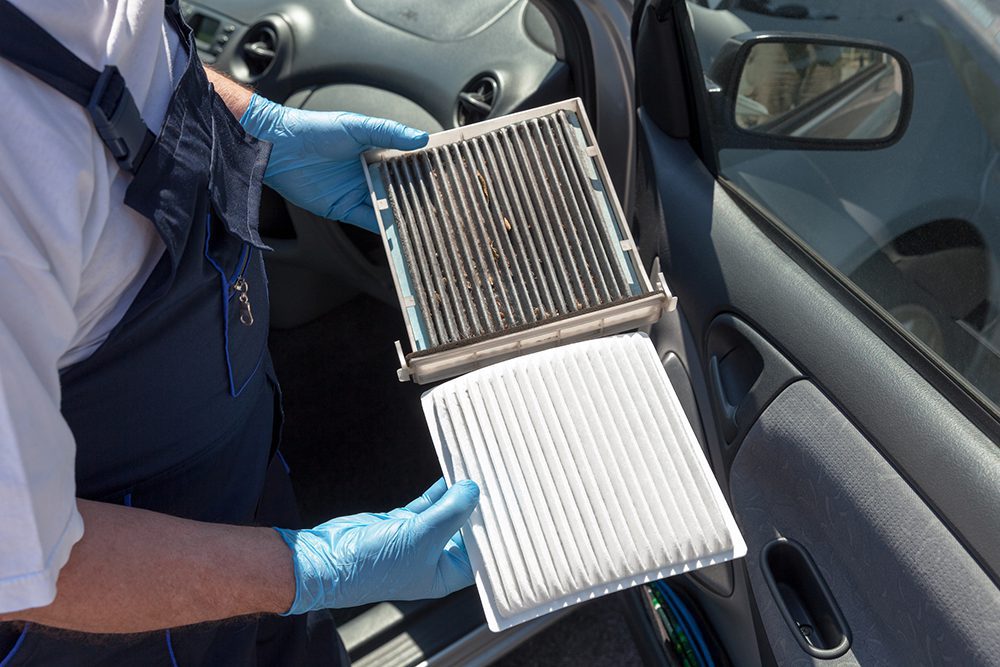
Credit: www.allstate.com
Cabin Air Filter Basics
Not every car comes with a cabin air filter. Typically, newer models have them installed. Older vehicles might lack this feature, so checking your car manual can help identify its presence.
Purpose Of Cabin Air Filters
Cabin air filters help keep the air inside your car clean. They catch dust, pollen, and other tiny stuff. This helps people breathe better. Clean air is important for everyone, especially kids and old people. Filters stop bad smells from coming in. They also help the car’s air system work well. Filters keep the car nice and fresh.
Types Of Cabin Air Filters
There are two main types of cabin air filters. The first type is the particulate filter. It catches dust and pollen. The second type is the activated carbon filter. It also stops bad smells. Activated carbon filters work better in cities. They help stop pollution. Both filters need changing. This keeps the air clean and fresh.

Credit: www.caranddriver.com
Identifying Cars With Cabin Air Filters
Many modern cars have a cabin air filter. It helps clean air inside the car. Popular models with these filters include Honda Civic, Toyota Camry, and Ford Focus. Others like Nissan Altimaand Chevrolet Malibualso have them. These filters are important for keeping the air fresh. Not all cars have them, though. Older models often lack this feature. Check your car manual to know more.
Finding the cabin air filter is easy. First, look under the dashboard. Sometimes it’s behind the glove box. You can also find it near the engine. Search online for your car model details. Many car manuals show its location. Ask a mechanic for help if unsure.
Cars Without Cabin Air Filters
Some cars do not have cabin air filtersbecause of their age. Older cars were built before cabin air filters became common. Car makers sometimes skip filters to cut costs. Some small cars may not have space for a filter. The design of some cars does not support a filter. This can make the car cheaper to produce.
The lack of a cabin air filtercan affect air quality inside the car. Dust and pollen can enter the cabin easily. Smog and exhaust fumes may also come in. Passengers may breathe in more pollutants. This could be harmful, especially for people with allergies. Clean air is important for health. Filters help keep air fresh.
Benefits Of Having A Cabin Air Filter
A cabin air filter helps keep the air clean. It blocks dust and dirt. Passengers breathe fresher air. Air smells better inside the car. Cleaner air means healthier rides. Everyone enjoys the drive more.
Allergens can make people sneeze and cough. Filters stop many allergens. This includes pollen and mold. Sensitive people feel better. No more itchy eyes or runny nose. Filters keep the car a safe space. Breathing is easier for everyone.
Maintenance And Replacement
Dirty filters can cause bad smells inside the car. Reduced airflow might mean the filter is clogged. Dust on surfaces is another sign. If the air conditioning struggles, check the filter. Sometimes, the car might have more allergens inside. These are all signs the filter needs a change. Keep an eye out for musty odors. Unusual sounds from the air system can also be a clue. Filters should be checked often for these signs. Safety depends on clean air inside your car.
Quality matters when picking a new filter. Size is crucial for a proper fit. Always check your car manual before buying. HEPA filters are good for allergy sufferers. Charcoal filters help with smells. Some filters are better for dust. Ask a mechanic if unsure. Cost and durability should be considered too. Different filters have different lifespans. Choose wisely for better air inside your car. Regular checks can help find the best type for your needs.
Future Trends In Cabin Air Filtration
Many cars include cabin air filters, essential for maintaining air quality inside the vehicle. These filters trap dust and pollutants, enhancing comfort and health. Future trends in air filtration focus on advanced materials and technology, aiming to improve efficiency and adaptability in diverse environments.
Advancements In Filter Technology
New filters remove more dust and pollen. They block tiny particles better than before. Advanced materials make this possible. Filters now last longer too. Nanotechnology helps in making these filters. It catches even smaller particles. Filters are getting smarter. They tell you when to change them. This helps keep air clean all the time. Carbon filters can also remove bad smells. These filters improve driving comfort.
Increasing Demand For Clean Air Solutions
People want cleaner air in their cars. Air pollution is a big concern. Cleaner air means healthier rides. Car makers focus on better air filters. More people know the importance of clean air. They ask for better solutions. Demand for high-quality filters grows. This trend will continue. Cleaner air is important for everyone. It helps us breathe easier.
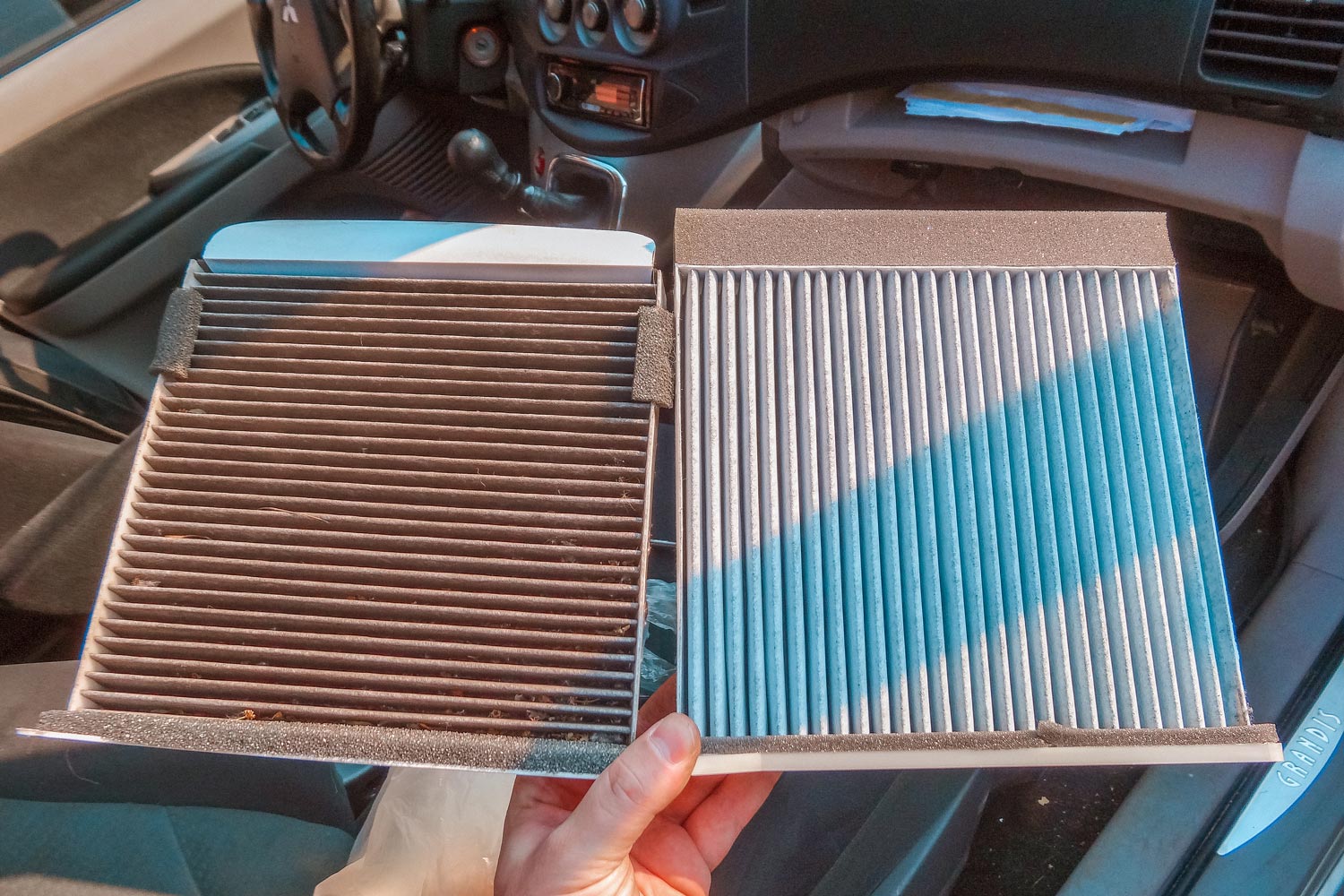
Credit: www.capitalone.com
Frequently Asked Questions
What Is A Cabin Air Filter In Cars?
A cabin air filter cleans the air entering your car’s interior. It traps dust, pollen, and other pollutants. Not all cars have it, but it’s common in modern vehicles. Regular replacement ensures healthy air quality inside your car.
Do Older Cars Have Cabin Air Filters?
Most older cars lack cabin air filters. They became standard in vehicles around the late 1990s. If your car is older, check the manual or consult a mechanic. Adding one might improve air quality, but requires modifications.
How Often Should You Replace Cabin Air Filters?
Replace cabin air filters every 15,000 to 30,000 miles. It depends on driving conditions and air quality. Dusty areas may require more frequent changes. Regular replacement keeps air fresh and prevents allergens from entering your car.
Can I Drive Without A Cabin Air Filter?
Yes, you can drive without a cabin air filter. However, it affects air quality inside the car. Pollutants enter more easily, potentially causing allergies. If your car originally has one, it’s best to replace it regularly.
Conclusion
Not all cars have a cabin air filter. Many modern cars include them. Older models might not. Cabin air filters improve air quality inside. They trap dust, pollen, and pollutants. Regular checks and replacements are essential. They ensure clean air and prevent odors.
Before buying a car, check its features. Knowing about the filter helps maintain comfort. Clean air is crucial for health. Always prioritize a car with a cabin air filter. They make every drive more pleasant. Breathe easy and enjoy the ride!