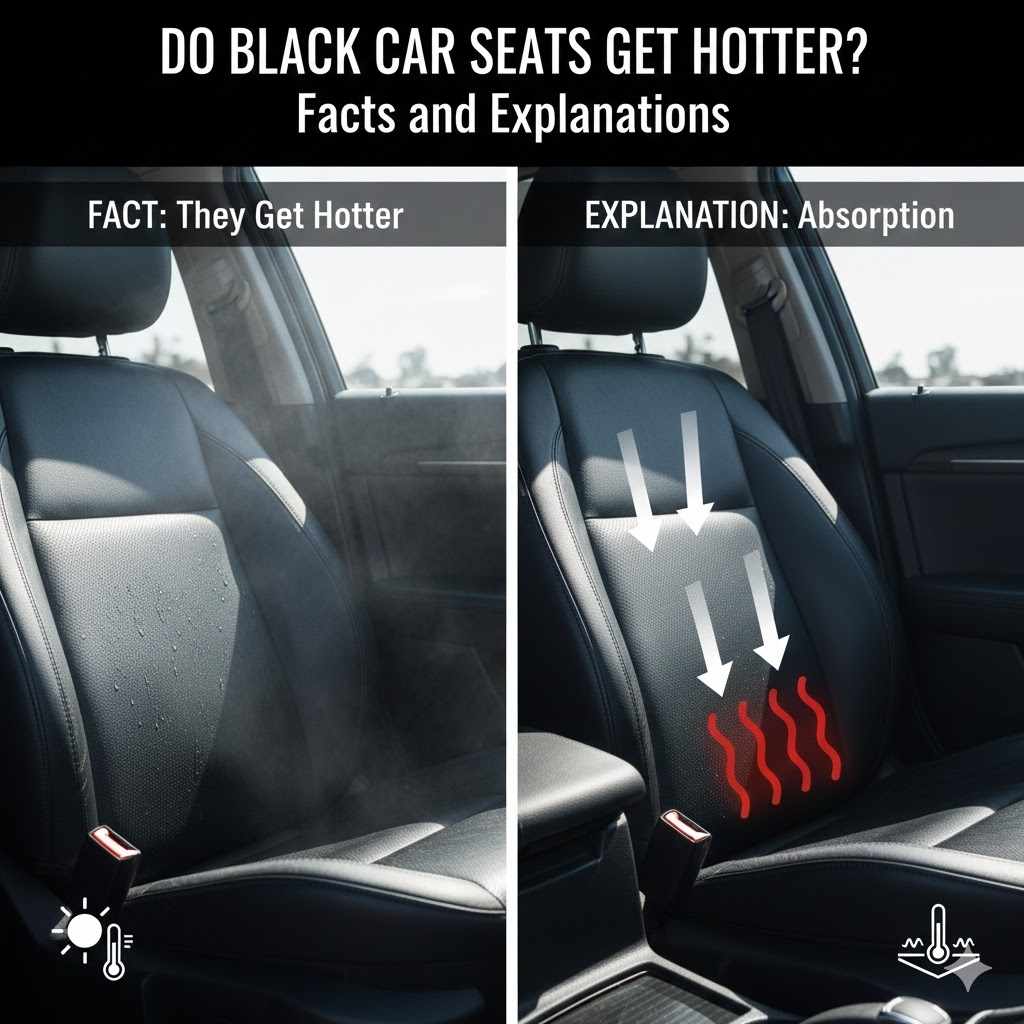
Do Black Car Seats Get Hotter? Facts and Explanations
Ever wondered if a black car seat feels like a scorching hot griddle on a sunny day? The question of Do Black Car Seats Get Hotter? Truth Explained is something many people ponder. This can be tricky because it involves how colors absorb heat, making the topic sometimes difficult for beginners. Don’t worry, though! We’ll break it down in a simple, easy-to-follow way. You’ll soon know the science and have practical tips. Let’s explore the science behind this!
How Color Affects Heat Absorption
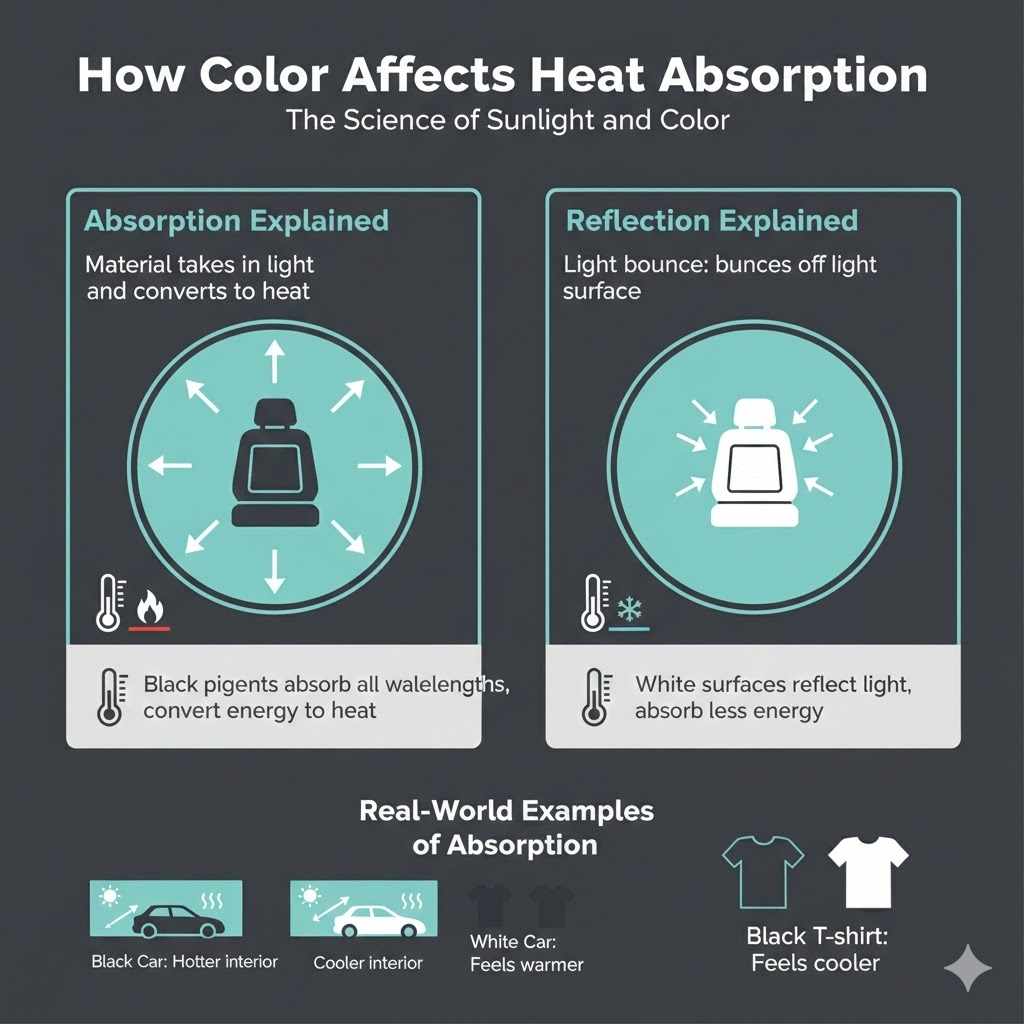
The core concept behind whether black car seats get hotter lies in how colors interact with sunlight. Different colors absorb and reflect light differently. This process is called absorption and reflection. When sunlight hits a surface, some of its energy is absorbed, causing the surface to heat up. The rest is bounced back, or reflected. Darker colors tend to absorb more light and, therefore, more heat, while lighter colors reflect more light and absorb less heat. This is why black clothing feels hotter than white clothing on a sunny day.
The Science of Sunlight and Color
Sunlight is a form of electromagnetic radiation, which includes visible light, ultraviolet (UV) radiation, and infrared (IR) radiation. When sunlight hits an object, like a car seat, the object’s color determines how it reacts. Pigments in the material determine the color, and the molecules within the pigment play a key role in how they absorb or reflect light. Materials with a high absorption rate, like black materials, absorb the majority of the light energy, converting it into heat. This explains why they become warmer.
- Absorption Explained: Absorption is when a material takes in light energy and converts it into heat energy. Black pigments have the property of absorbing all wavelengths of visible light, meaning they do not reflect any light. Instead, the absorbed energy is turned into heat, causing the material to warm up rapidly.
- Reflection Explained: Reflection happens when light bounces off a material’s surface. White or light-colored surfaces are better at reflecting light and they absorb less energy. This is why white cars and light-colored car seats generally stay cooler than their black counterparts. They reflect the light and the heat away.
- Wavelengths and Colors: The color we see is the wavelength of light that is reflected by the object. For example, a red car reflects red wavelengths, absorbing the other colors in the visible spectrum. Since black surfaces absorb all wavelengths of light, they get hotter.
Real-World Examples of Absorption
Think about a hot summer day. Imagine two identical cars parked in the sun: one with a black roof, and the other with a white roof. The car with the black roof will likely have a noticeably higher interior temperature. The black roof is absorbing much more of the sun’s energy. This difference is easy to feel as soon as you open the door. Similar effects can be observed with different types of fabrics. Dark-colored clothing feels hotter in the sun compared to light-colored clothing. These examples demonstrate the fundamental principle of how color influences heat absorption.
- A Sunny Parking Lot: Consider a parking lot on a clear, sunny day. A black car parked next to a white car will illustrate this principle. After an hour, the black car’s interior will likely be much hotter than the white car’s.
- Clothing Comparison: Try wearing a black T-shirt and a white T-shirt on a hot day. The black T-shirt will feel warmer because it absorbs more sunlight and heat.
Does Black Get Hotter Inside Cars?
The interior of a car acts like a greenhouse. Sunlight streams through the windows, heating the inside. The car’s windows allow sunlight to enter but they also trap some of the heat. Dark-colored surfaces, like black car seats, absorb more of the sunlight’s energy. This causes the air inside the car to heat up. The darker the interior, the more the car retains heat. Lighter-colored interiors reflect more of the sunlight, keeping the inside cooler. Understanding this helps explain why some cars are uncomfortably hot to enter on a sunny day.
Heat Buildup in Vehicles
When sunlight enters a car, it heats the surfaces within, including the dashboard, seats, and steering wheel. These surfaces then radiate heat back into the air, contributing to the overall temperature increase. The closed environment of a car allows heat to build up, because of limited ventilation. Dark-colored surfaces play a role in this by absorbing a larger amount of solar energy. This process is intensified by the greenhouse effect, where the car’s glass windows allow sunlight to enter, but trap the heat inside.
- Greenhouse Effect: Car windows permit the sun’s short-wave radiation to enter but block long-wave radiation from escaping, creating a greenhouse effect.
- Conduction and Convection: Heat is spread throughout the car through conduction (direct transfer between materials) and convection (movement of heated air).
- Material Differences: Different materials absorb and retain heat differently. The car seat material, whether leather, fabric, or vinyl, impacts how hot it gets.
The Impact of Car Seat Material
The material of car seats also affects how hot they get. Leather tends to absorb more heat than cloth, making leather seats feel hotter in direct sunlight. Vinyl car seats react similarly. Cloth seats might feel cooler because they can absorb moisture and often have better breathability. The type of material can influence how quickly a car seat heats up and how comfortable it feels. This is a key factor when considering car seat options, especially in regions with intense sunlight.
- Leather vs. Cloth: Leather seats, commonly found in luxury vehicles, tend to get hotter than cloth seats. Leather absorbs and retains heat.
- Vinyl vs. Fabric: Vinyl seats, which are often found in older cars, also absorb a significant amount of heat. Fabric seats are usually less hot because they’re better at ventilation.
Here’s a comparison table to summarize this:
| Material | Heat Absorption | Comfort |
|---|---|---|
| Leather | High | Can be uncomfortable in the sun |
| Vinyl | High | Can be uncomfortable in the sun |
| Cloth | Moderate | Generally more comfortable |
Cooling Down Black Car Seats
Even though black car seats get hotter, there are ways to keep them cool. Protecting your car from direct sunlight is key. Use a sunshade or park in shaded areas when possible. This helps to reduce the amount of direct sunlight hitting the seats. Regular cleaning of your car seats also prevents the buildup of dirt and dust, which can worsen heat absorption. Simple adjustments to your routine can significantly improve the comfort inside your car. Taking these steps protects the seats and makes your car experience more enjoyable.
Practical Cooling Strategies
Several methods can help cool down a black car seat. Utilizing a sunshade to cover the windshield and windows is one of the most effective strategies. Parking your car in the shade, like under a tree or in a covered parking area, greatly reduces sun exposure. You can also use seat covers to add an extra layer of protection, which can reflect some of the sunlight. These actions can lower the seat’s temperature and reduce discomfort. Every little change can help.
- Sunshades: Deploy sunshades to cover the windshield and other windows when parking.
- Shade Preference: Choose shaded parking spots, like beneath trees or in covered garages.
- Seat Covers: Use seat covers made of light-colored materials to reflect sunlight and protect the seats.
- Ventilation: Open windows or use the car’s ventilation system to circulate air and remove trapped heat.
Quick Cool-Down Methods
Sometimes you need to cool down your car quickly. Opening the doors for a few minutes before you start driving allows hot air to escape and fresh air to enter. Running the air conditioning on full blast when you first get in the car is also helpful. These rapid cooling methods can bring the interior temperature down quickly. Combined with other preventive measures, these techniques ensure a more comfortable driving experience, especially during the hottest times of the year.
- Door Ventilation: Open the car doors for a few minutes to release heat.
- Air Conditioning: Turn on the AC at full blast upon entering the car.
- Remote Start: Use remote start to run the AC before you enter the vehicle.
Does Black Car Seat Color Matter in Hot Weather?
When considering car interiors in hot weather, color makes a significant difference. Darker colors like black absorb more sunlight, leading to higher temperatures, while lighter colors reflect sunlight and remain cooler. This impacts the overall comfort of the car. If you reside in an area with warm weather, the color of your car seats can greatly impact your driving experience. The impact on comfort, which will influence your choices.
Impact on Interior Temperature
The color of the car seats plays a key role in the interior’s temperature. Black seats can easily become uncomfortably hot to the touch. This can lead to a less pleasant driving experience. In contrast, lighter-colored seats often stay much cooler. If you live in a warm place, these differences should guide your choices when buying or maintaining a car. It is a key factor to think about for both comfort and your overall experience.
- Comfort Levels: Dark seats can be unpleasant to sit on in hot weather.
- Heat Retention: Dark interiors absorb more heat, leading to higher overall car temperatures.
- Air Conditioning Load: Cars with dark interiors might require the AC to work harder to maintain a comfortable environment.
- Resale Value: In hot climates, lighter-colored interiors might enhance the car’s resale value, reflecting market demand.
Climate Considerations and Car Seat Choice
In hot climates, the color of your car seats is especially vital. Choosing lighter colors can improve the comfort level and lessen the burden on the AC system. If you live in a warm environment, consider how the seat colors will affect you. Prioritize comfort and make informed decisions. Consider the long-term benefits of making a smart choice about car seat color.
Here are some statistics that highlight the impact:
| Factor | Impact |
|---|---|
| Temperature Difference | Black seats can be up to 20°F (11°C) hotter than lighter seats. |
| Air Conditioning | Cars with black interiors might consume up to 10% more fuel due to increased AC use. |
Frequently Asked Questions
Question: Is it always bad to have black car seats?
Answer: No, it’s not always bad. Black car seats can look very stylish. If you live in a cooler climate, or always park in the shade, the heat might not be a big deal. The best choice depends on what matters most to you!
Question: Do black car seats fade faster?
Answer: Yes, black car seats, just like any dark color, can fade more noticeably over time if they are frequently exposed to sunlight. Protect them by using sunshades and covering the seats when the car is parked outdoors.
Question: Are there any benefits to having black car seats?
Answer: Black car seats can hide dirt and stains better than lighter colors. This can be great if you often have passengers, children, or pets in your car. Black interiors also give a sleek, modern look.
Question: Can I change the color of my car seats?
Answer: Yes, you can change the color of your car seats. You could use seat covers. Another option is to have them professionally reupholstered in a different color. This can be a great way to customize your car and improve comfort.
Question: What’s better in very hot weather: leather or cloth seats?
Answer: Cloth seats will generally be more comfortable in hot weather because they tend to breathe better. Leather seats can get very hot and stick to your skin. If you have leather seats, use a cover.
Final Thoughts
Now that you’ve explored the topic, you should have a solid grasp of how color affects heat absorption in cars and what can be done to manage it. You now understand the science behind Do Black Car Seats Get Hotter? Truth Explained, and how darker colors absorb more sunlight, leading to higher temperatures, compared to lighter-colored seats. You’ve also learned strategies for keeping your car’s interior cool, from using sunshades to choosing shaded parking spots. Whether it’s the seat material or the climate you live in, the decisions you make can make your drives more comfortable. By implementing these tips and making informed choices, you can ensure a much more comfortable experience on the road. So, next time you are shopping for a car, consider these aspects. You now know everything you need to know about the science of car seat temperature!