Do Black Car Seats Really Get Hotter in the Sun?
It’s a common question, especially for anyone new to cars or those living in sunny areas. Do Black Car Seats Really Get Hotter in the Sun? The answer can seem complicated at first, but don’t worry! We’ll break it down step-by-step so you’ll know exactly why, and what you can do about it. Next, we’ll explore the science behind it, along with some easy ways to keep your car cool.
The Science of Sun and Car Seat Color
The color of your car seats plays a big role in how hot they get. Dark colors, like black, absorb more sunlight than lighter colors. This is because of something called “absorption.” Absorption is the process where a material takes in light and turns it into heat. Different colors absorb different amounts of light. This means the temperature on the surface changes depending on its color.
Darker colors have more pigment which enables them to capture a higher volume of solar energy. When the sun’s rays hit a black car seat, the seat absorbs a significant portion of the solar energy, which converts it into thermal energy. This, in turn, increases the temperature of the car seat. Lighter colors, on the other hand, reflect much of the light, therefore, they absorb less heat.
Absorption and Reflection Explained
The difference between absorption and reflection is the main reason why black car seats tend to be hotter. Reflection is when light bounces off a surface without being absorbed. Absorption, as we mentioned earlier, is when a material takes in light and converts it to heat. Think of it like this: if you wear a black shirt on a sunny day, you’ll probably feel hotter than if you wear a white shirt. The same principle applies to your car seats.
- Absorption: When a material absorbs light, it takes in the energy from the light and converts it into heat. Darker colors absorb more light because they have more pigment.
- Reflection: When light reflects off a material, it bounces back without being absorbed. Lighter colors reflect more light, which is why they stay cooler.
- Albedo: This is a measure of how much light a surface reflects. Surfaces with high albedo (like white) reflect a lot of light, while surfaces with low albedo (like black) absorb a lot.
Understanding these basic concepts helps in grasping why the color of your car’s interior matters so much. This difference in how different colors react to sunlight means you can take steps to improve your car’s temperature.
Thermal Radiation and Heat Transfer
Once your car seats have absorbed the sun’s energy and heated up, thermal radiation and heat transfer come into play. Thermal radiation is the process where heat moves from a warmer object (your car seat) to a cooler object (the air inside your car). This is how the car’s interior gets hot overall, not just the seats. Heat transfer is also crucial in determining how much heat the car seat gives off.
Heat transfer occurs through three main methods: conduction, convection, and radiation.
- Conduction: This happens when heat moves through direct contact. For example, if you touch a hot car seat, heat is transferred to your skin through conduction.
- Convection: This happens when heat is transferred through the movement of fluids (like air). Hot air rises and cooler air sinks, creating a circulating effect inside your car.
- Radiation: This is the transfer of heat through electromagnetic waves. The sun’s rays are a form of radiation, and they heat up your car seats through this process.
All these factors contribute to how quickly and how much your black car seats heat up, and how long they stay that way.
How Temperature Varies with Seat Color
The difference in temperature between black and lighter-colored car seats can be significant. This variation is directly tied to the principles of absorption and reflection that we explored earlier. Darker colors absorb more sunlight, transforming it into heat, while lighter colors reflect a portion of the solar energy, thus reducing heat absorption.
Several tests and real-world examples show the effect of color on temperature. Researchers have observed that a black car seat can reach temperatures much higher than a white or beige seat. These studies provide practical data to illustrate the impact of color choice on interior comfort.
A Simple Experiment to Demonstrate Heat Absorption
You can see this for yourself with a simple experiment. Get two identical containers (like cups or bowls). Paint one black and the other white. Place both in direct sunlight for an hour or two. After the time is up, use a thermometer to measure the temperature inside each container. The black container will be noticeably hotter. This shows the impact of color on heat absorption.
- Materials: Two containers, black and white paint, thermometer, direct sunlight.
- Procedure: Paint one container black and the other white. Place both in sunlight and measure temperature.
- Observation: The black container gets much hotter than the white one.
This experiment helps visualize the temperature differences that we will explore further in this blog post. This simple illustration shows how different colors absorb light, which leads to varying surface temperatures. It is a simplified model, but it highlights the main idea.
Real-Life Temperature Differences
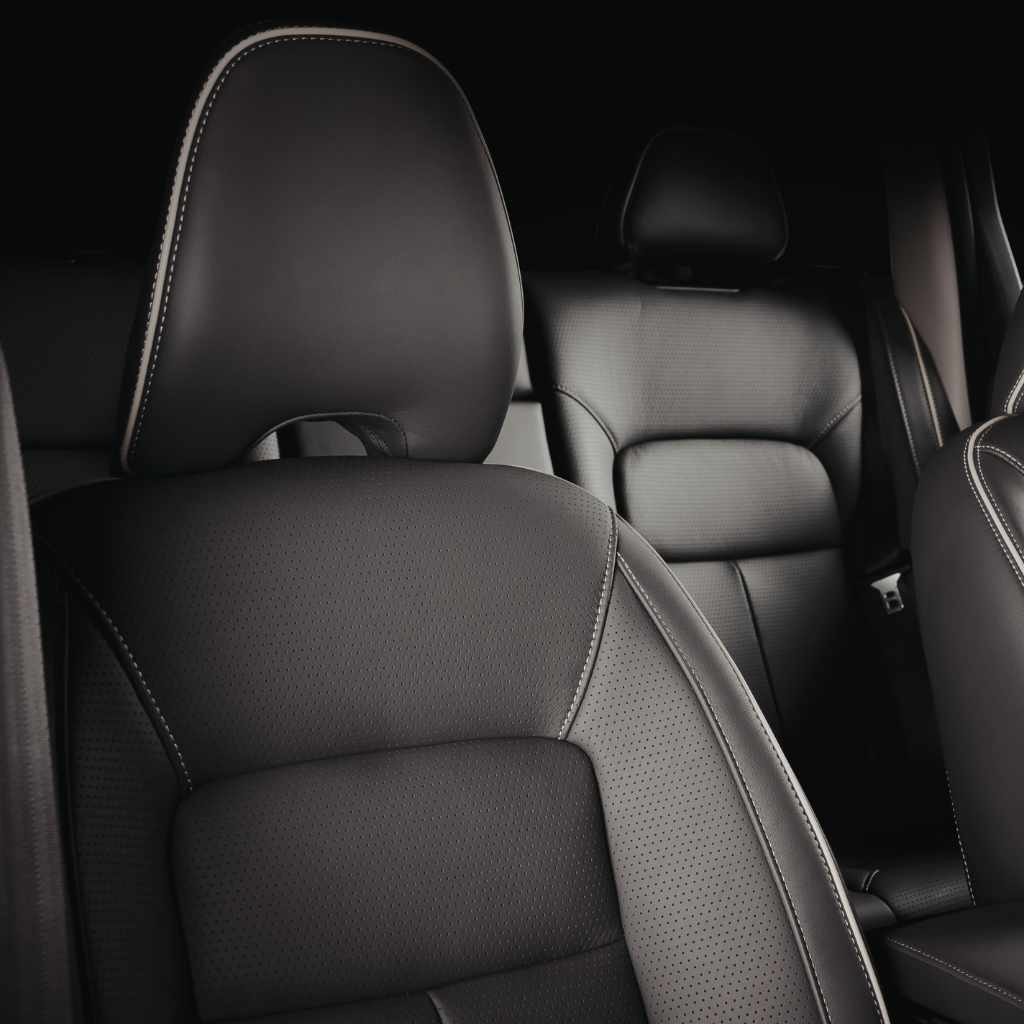
Real-life examples can illustrate the temperature differences found in cars with different seat colors. Consider two identical cars parked side-by-side on a sunny day. One has black seats, and the other has light gray or beige seats. After an hour or two, the car with black seats will likely be much hotter inside than the other car. This can be measured with an internal thermometer to show the extent of the difference.
- Case Study 1: Researchers at the University of California, Berkeley, conducted a study on car temperatures. They parked cars with various interior colors in direct sunlight. They found that cars with black seats could reach temperatures up to 20°F (11°C) hotter than cars with lighter-colored seats.
- Case Study 2: Many car owners have shared their experiences. They’ve discovered that black leather seats get especially hot, often causing discomfort when they first get into the car. The difference is more pronounced during the summer months.
These real-world examples highlight the impact of color on comfort. They show that choosing a lighter seat color can have a significant effect on reducing how hot your car gets in the sun.
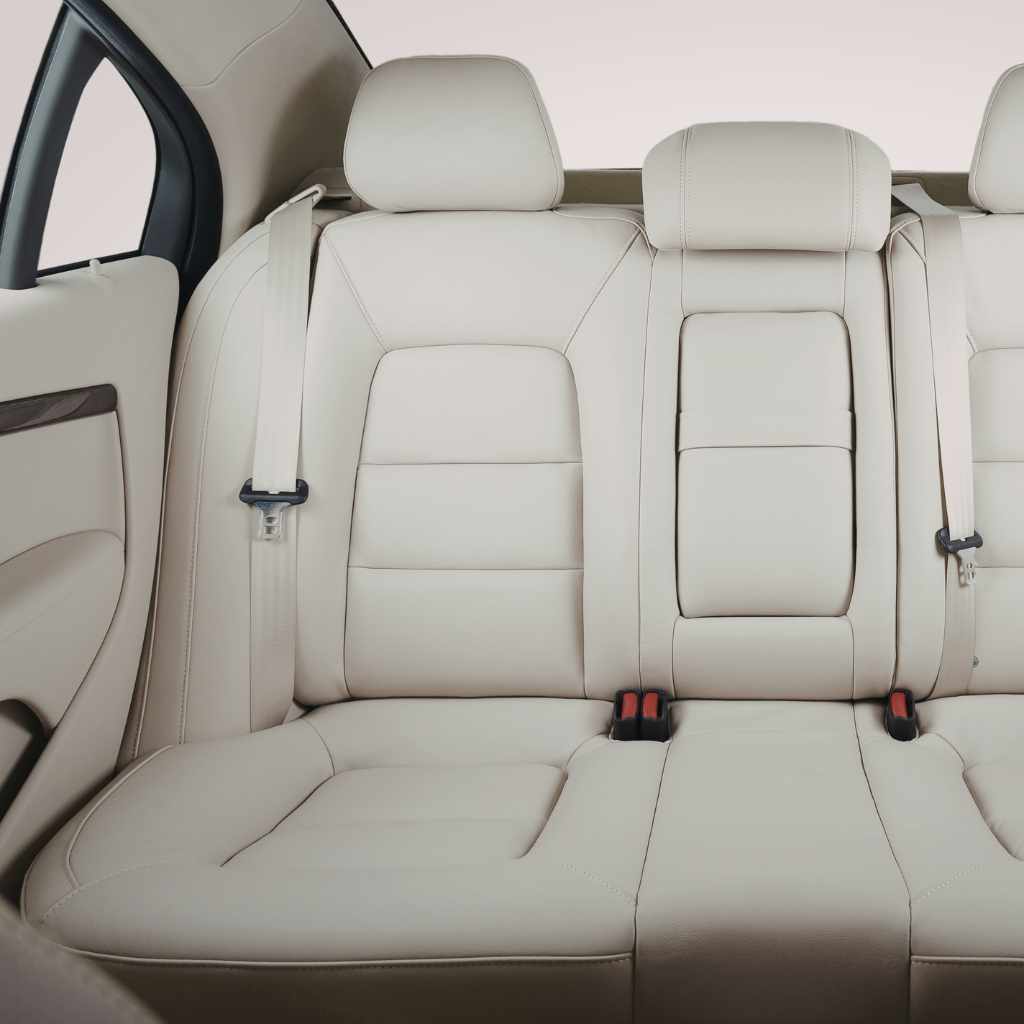
Solutions for Keeping Black Car Seats Cooler
Fortunately, there are several things you can do to keep your black car seats cooler. These methods range from simple steps, like parking in the shade, to more advanced solutions such as using window tinting. These methods can also help protect your car’s interior from sun damage and enhance overall driving comfort.
Understanding the options enables you to pick the best strategies for your specific needs and the environment you live in. Combining different solutions can give you the best outcomes.
Parking Smart
One of the easiest ways to keep your car seats cool is to change how you park. Try to park in shaded areas whenever possible. This can be under trees, in parking garages, or in spots that are covered by buildings. Even a little shade makes a huge difference in how much the sun warms your car.
- Shade from Trees: Trees can provide natural shade, blocking direct sunlight.
- Covered Parking: Parking garages and covered parking spaces keep your car out of direct sunlight.
- Building Shadows: Park in areas that are shadowed by buildings.
Changing where you park, especially during the sunniest part of the day, reduces heat absorption. This simple step can make your car much more comfortable.
Using Sunshades and Reflectors
Sunshades and window reflectors are effective tools for reducing heat inside your car. They work by blocking sunlight from reaching your dashboard, seats, and other interior surfaces. These tools come in many sizes and designs, and they are easy to use.
- Windshield Sunshades: These are placed on your windshield to block direct sunlight. They come in different sizes and materials, including foil and reflective options.
- Window Reflectors: These are placed on your side windows and rear window to reflect sunlight. Some are adjustable for the best fit.
- Installation: Place them inside your windows when parked, and remove them before you drive.
Sunshades and reflectors are a simple, inexpensive way to block the sun’s rays. They help keep your car’s interior much cooler, making your car a more pleasant space.
Applying Window Tint
Window tint can reduce the amount of sunlight that enters your car and helps control the inside temperature. This is a more permanent solution than using sunshades. The tint filters out harmful UV rays and visible light, keeping your car’s interior cooler and protecting the seats and dashboard from fading and cracking.
- Types of Tint: Different types of window tint are available, including dyed film, metalized film, ceramic film, and carbon film. Each has various features such as heat rejection and UV protection.
- Legal Limits: Always check your local laws. Window tint darkness is regulated by the law, and these laws vary by state or region.
- Professional Installation: For the best results, have your window tint professionally installed. This ensures a proper fit and minimizes bubbles or imperfections.
Window tint provides long-lasting protection against heat and sun. Consider the type of tint and local rules when considering this option.
Air Conditioning and Ventilation
Besides the preventive measures, it’s also important to use your car’s air conditioning and ventilation systems to keep your car cooler. Using the air conditioning helps bring down the temperature inside the car. Also, using the ventilation system helps to improve air circulation.
- Air Conditioning: Turn on your AC as soon as you start your car to cool the interior quickly. Set it to a comfortable temperature, and adjust it based on outdoor conditions.
- Ventilation: Open your windows for a short time to release hot air when you first start your car. This helps circulate fresh, cooler air.
- Recirculation Mode: Using the recirculation mode in your AC system can help cool the car faster. It uses the air inside the car rather than bringing in outside air.
Using the air conditioning and ventilation keeps your car comfortable in the heat. It is a practical solution for daily use.
Does Black Get Hotter? Comparison and Examples
Comparing black car seats with lighter-colored seats shows the distinct difference in heat absorption. We can illustrate these variations with practical examples and side-by-side comparisons to show the impact of color.
By comparing the heat in black car seats with lighter options, you can see how significant the difference is. This comparison, along with real-life cases, demonstrates the key impact that color has on the temperature of your car.
Comparative Analysis of Heat Absorption
To highlight the key differences between black and lighter colors, we can compare how they absorb heat using a simple test. Two identical containers, one painted black and the other white, are placed in direct sunlight. After some time, the black container is significantly hotter than the white one. This simple experiment showcases how colors interact with sunlight.
| Feature | Black Seats | Light-Colored Seats |
|---|---|---|
| Absorption of Sunlight | High | Low |
| Surface Temperature | High | Low |
| Heat Emission | High | Low |
| Impact on Interior Temperature | Significant increase | Minimal increase |
This table summarizes these differences clearly. It shows how the color affects heat absorption and temperature levels. You can easily see the impact of color on your car’s interior.
Real-World Scenarios and Temperature Data
Consider two realistic scenarios: the first is a car with black leather seats, parked in direct sun. After a few hours, the seats are very hot to the touch, and the interior is warm. The second scenario is a car with light-colored cloth seats, also parked in the same conditions. The seats and interior are significantly cooler. We can use temperature readings to compare the two cars.
- Scenario 1 (Black Seats): A car with black leather seats is parked in the sun for four hours. After a measurement, the surface of the seats reaches 145°F (63°C), and the inside temperature of the car reaches 120°F (49°C).
- Scenario 2 (Light-Colored Seats): A car with beige cloth seats is parked in the same spot for the same time. The surface of the seats reaches 100°F (38°C), and the interior temperature is 105°F (41°C).
These scenarios highlight the impact of color on interior temperature. They help illustrate the practical impact that color has, based on real temperature numbers.
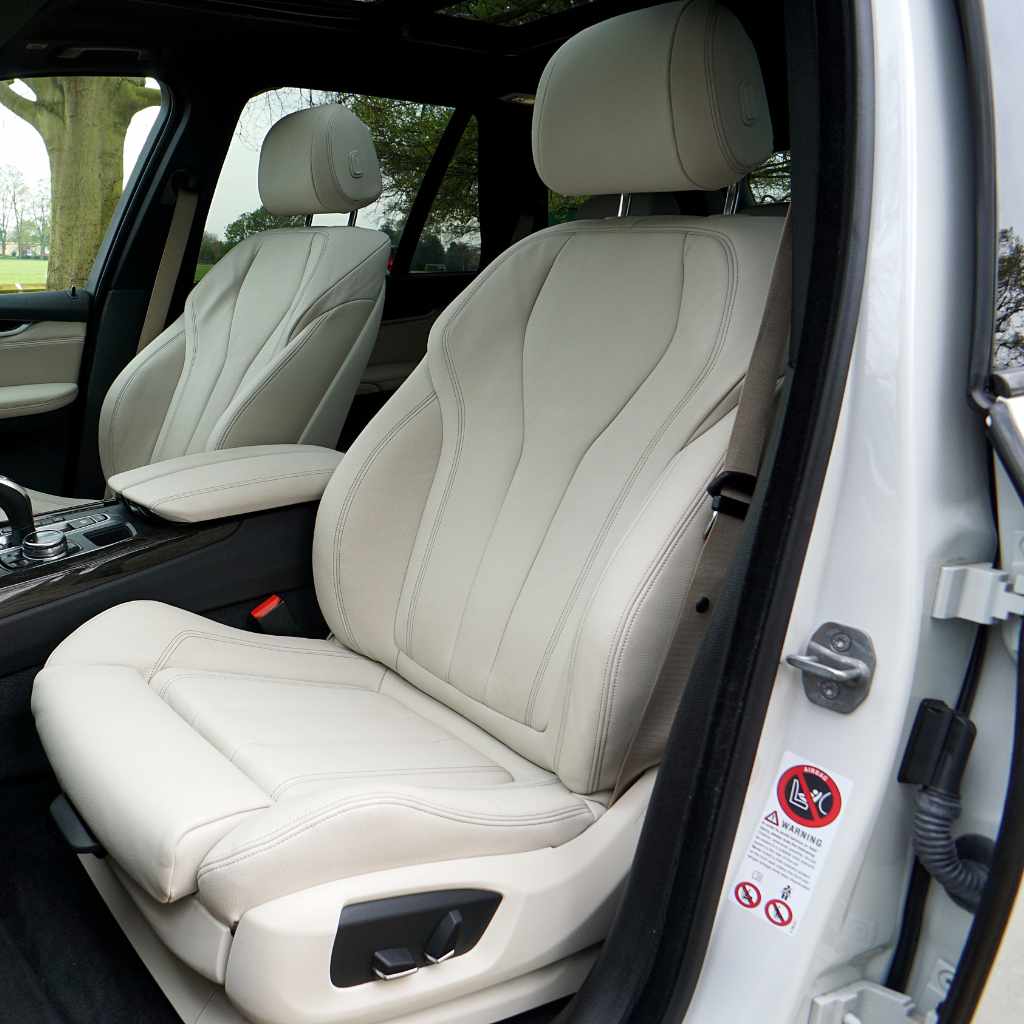
Frequently Asked Questions
Question: Is it true that black car seats are always hotter than other colors?
Answer: Yes, in general, black car seats absorb more sunlight and, therefore, heat up more quickly and to a higher temperature than lighter colors. The difference is more noticeable on sunny days.
Question: What’s the best way to keep black car seats cool?
Answer: Use a combination of strategies. Park in the shade, use a windshield sunshade, and consider window tint. These measures help to block the sun’s rays and reduce heat.
Question: Does window tint really make a difference?
Answer: Yes, window tint can significantly reduce the amount of heat that enters your car. It blocks UV rays and visible light, keeping the interior cooler and protecting the seats and dashboard.
Question: Are all window tints equally effective?
Answer: No, window tints vary in their effectiveness. The level of heat rejection and UV protection depends on the type of tint. Ceramic and carbon films are usually the most effective.
Question: What about leather seats versus cloth seats in terms of heat?
Answer: Leather seats tend to get hotter than cloth seats, especially in black. Leather absorbs heat more readily and can be less breathable than cloth, making the temperature differences more pronounced.
Final Thoughts
So, Do Black Car Seats Really Get Hotter in the Sun? Absolutely! It’s because dark colors absorb more of the sun’s rays and convert them into heat. Lighter colors, on the other hand, reflect much of the light, making them cooler. This difference can lead to uncomfortable temperatures in your car, especially on sunny days. But there are steps you can take to make things better!
By using methods like parking in the shade, using sunshades, and getting window tint, you can dramatically improve the temperature in your car. These measures not only make your car more comfortable, they also help protect your interior. Explore these options and see which ones best suit your needs. You can enjoy a cooler, more comfortable ride, even on the sunniest of days.