Do Condoms Go Bad If Left In Car: Essential Safety
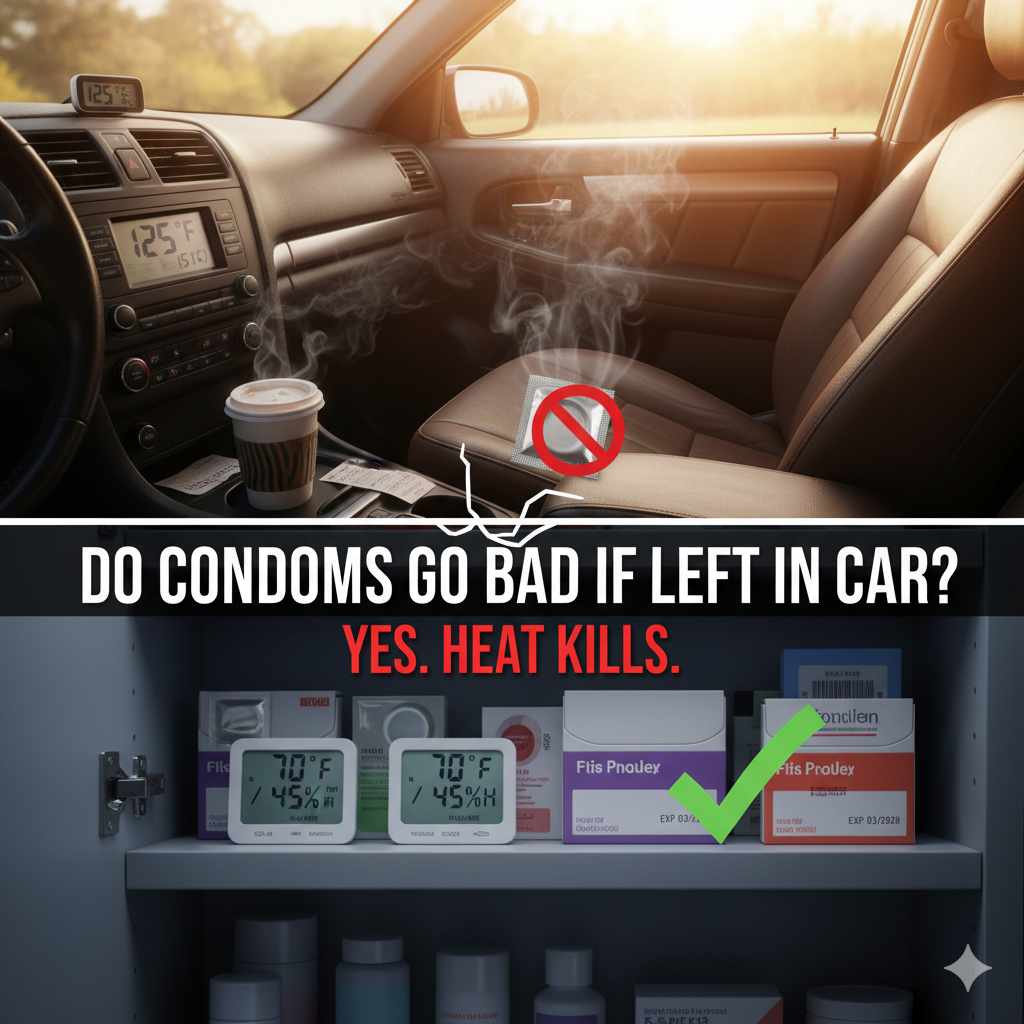
Yes, condoms can definitely go bad if left in a car, especially in extreme temperatures. Heat, cold, and humidity can break down the lubricant and latex, making them less effective and increasing the risk of breakage during use. Always store them in a cool, dry place.
Do Condoms Go Bad If Left in a Car? Essential Safety for Drivers
Hey there, drivers! Md Meraj here. Ever find yourself needing a condom and realizing the only ones you have are a bit… uncomfortably warm from sitting in your car’s glove compartment? It’s a common situation, and honestly, pretty frustrating when you’re caught off guard. Many of us toss a box of condoms into our car for convenience, thinking they’ll be just fine. But what happens when that car turns into an oven in the summer or a freezer in the winter? Does this affect their safety and reliability? It’s an important question for anyone who keeps condoms in their vehicle, and thankfully, it has a straightforward answer. Let’s dive into why proper storage matters and how to keep your condoms in top shape.
Understanding how temperature affects condoms is key to ensuring they work as intended when you need them most. We’ll explore the science behind it, what to look for on the packaging, and practical tips to avoid relying on potentially compromised protection. So, let’s get your car’s personal safety kit in the best possible condition!
Why Temperature Matters for Condoms
Think of condoms as a kind of specialized item. They’re designed to be flexible, strong, and effective, but like many things, they have their limits when it comes to temperature. The primary material in most condoms is latex, a type of rubber. Latex is great because it’s stretchy and can form a barrier, but it’s also sensitive to environmental factors.
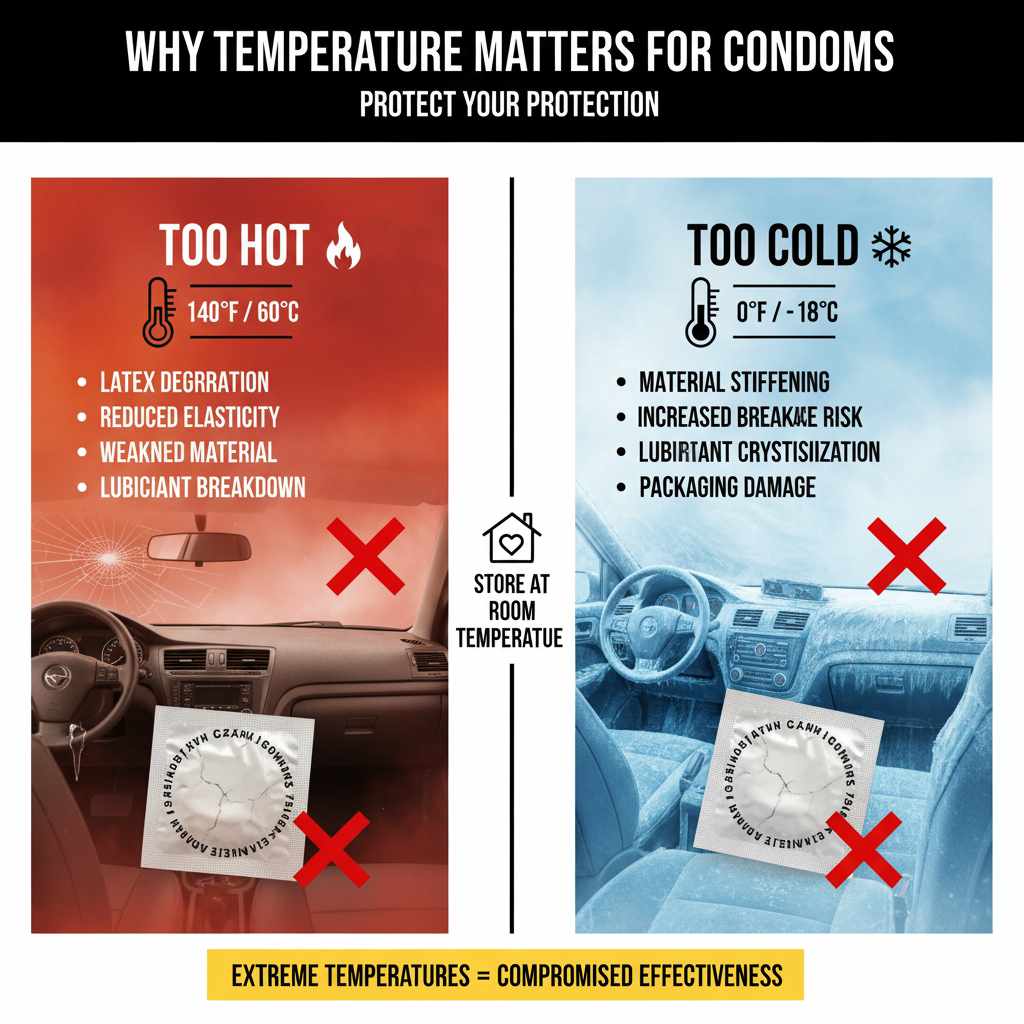
When a car is parked, especially on a sunny day, the interior can heat up incredibly fast. Temperatures can soar well above the outside air temperature, creating a hot, humid environment. Conversely, in colder months, a car can become freezing. These extremes, both heat and cold, can affect the integrity of the latex and the lubricants. Even if a condom doesn’t look obviously damaged, its effectiveness can be compromised.
The Impact of Heat on Condoms
Summer is often the biggest culprit when it comes to damaging condoms stored in cars. Remember that feeling of heat radiating from your car’s dashboard or seats? That’s the kind of environment that latex doesn’t enjoy. High temperatures can weaken the latex structure over time. It’s like leaving a rubber band out in the sun for too long – it becomes brittle and can snap easily.
When the latex weakens, it’s more prone to developing tiny cracks or tears that might not be visible to the naked eye. These microscopic fissures can allow bodily fluids to pass through, failing to provide the intended protection against pregnancy and sexually transmitted infections (STIs). Additionally, extreme heat can affect the lubricant. It might dry out, become sticky, or even degrade, making the condom less comfortable and more likely to tear.
According to the Planned Parenthood website, a leading authority on sexual health, condoms should be stored in a cool, dry place. They specifically advise against leaving them in places that experience extreme temperatures, like a car, wallet, or back pocket, where they can be damaged by heat and friction.
The Effects of Cold on Condoms
While heat is often the primary concern, extreme cold can also pose a risk to condoms. When latex gets very cold, it can become stiff and brittle. Just like when it’s weakened by heat, this brittleness makes it more susceptible to tearing during use. Imagine trying to stretch a piece of frozen rubber – it’s far more likely to snap than a rubber band that’s at room temperature.
Some condoms also come with different types of lubricants. While many lubricants are designed to be stable, very low temperatures can sometimes cause them to separate or change consistency. A lubricant that freezes and then thaws might not be as smooth or might even become less effective.
Humidity and Condom Integrity
Beyond just temperature, the level of humidity inside a car can also play a role. A car interior can become a humid environment, especially if windows are frequently defogged or if there’s moisture trapped inside. High humidity, combined with temperature fluctuations, can accelerate the degradation process of latex. This can lead to reduced elasticity and strength over time.
Signs of Damaged Condoms
So, how can you tell if a condom has been compromised? While invisible damage is a concern, there are often some tell-tale signs to watch out for:
- Drying or Stickiness: The latex might feel dry and prone to cracking, or conversely, it might feel unusually sticky or gummy.
- Brittleness: If the condom feels stiff or brittle, like old plastic, it has likely been damaged by temperature extremes.
- Tears or Holes: Visually inspect the condom. Look for any small tears, punctures, or signs of cracking on the surface.
- Discolored Packaging: While not a definitive sign, if the condom wrapper looks faded, degraded, or has unusual spots, it might indicate past issues.
- Ripped or Damaged Wrapper: The wrapper is designed to protect the condom. If it’s torn or poorly sealed, moisture or temperature extremes might have affected the condom inside.
- Lubricant Issues: If the lubricant seems clumpy, dried out, or has separated within the wrapper, this is a bad sign.
It’s crucial to remember that even if you don’t see obvious signs of damage, a condom that has been exposed to extreme heat or cold for an extended period should be considered suspect. When it comes to sexual health, it’s always better to err on the side of caution.
What Does the Packaging Tell Us?
Most condom manufacturers provide clear storage instructions on their packaging. These instructions are not just suggestions; they are based on scientific testing to ensure the product’s effectiveness. You’ll typically find text that advises storing condoms in a cool, dry place, away from direct sunlight and heat.
Pay attention to the expiration date printed on the box and on individual wrappers. This date indicates how long the condom is guaranteed to remain effective and safe. However, this guarantee is only valid if the condoms have been stored correctly. An expired condom, or one stored improperly, is a risk regardless of the date.
The U.S. Food and Drug Administration (FDA) regulates condoms as medical devices. They emphasize the importance of proper storage to maintain product integrity and effectiveness. Always check the product labeling for specific storage recommendations provided by the manufacturer.
The Risk vs. Reward: Why Proper Storage is Crucial
Using a damaged or degraded condom carries significant risks. These include:
- Unintended Pregnancy: If the condom breaks or develops a leak, it fails to prevent sperm from entering the vagina.
- Transmission of STIs: Condoms are a vital tool for preventing the spread of sexually transmitted infections, including HIV, chlamydia, gonorrhea, and syphilis. A compromised condom offers less protection against these infections.
Considering these potential consequences, the minor inconvenience of finding a safe storage spot for your condoms far outweighs the risks associated with using damaged ones. It’s about making informed choices to protect your health and well-being.
Best Practices for Storing Condoms in Your Car
If you absolutely must store condoms in your car, or want to keep some handy for emergencies, follow these tips to minimize the risk of damage:
- Use the Glove Compartment Wisely: While better than leaving them on the dashboard or in a hot trunk, a glove compartment can still get very hot. Only use it if temperatures are moderate.
- Avoid Extreme Locations: Never store condoms in direct sunlight, in the trunk (which can experience extreme temperature swings), or in any location that gets excessively hot or cold.
- Consider Travel Cases: Some condoms come in individual protective cases, or you can purchase small, sturdy tins or cases. These can offer a bit more protection against crushing and minor temperature fluctuations, but they are not a substitute for proper climate control.
- Keep Them in Their Original Wrapper: Never remove the condom from its individual foil wrapper until you are ready to use it. The wrapper protects it from air, light, and moisture.
- Rotate Your Stock: If you must keep condoms in your car, make it a habit to replace them regularly – perhaps every few months. Check the expiration dates and discard any that are close to expiring or have been in the car through significant seasonal temperature changes.
- Bring Them With You: The safest bet is to carry condoms on your person in a small pouch or wallet if you anticipate needing them. This way, they stay at body temperature, which is ideal.
A good rule of thumb is to think about whether you would be comfortable leaving your phone or a chocolate bar in that spot for an extended period. If the answer is no, it’s probably not a good spot for condoms either.
Alternative Storage Options
For optimal condom storage, consider these alternatives:
- At Home: Keep your main supply in a cool, dry place at home, like a dresser drawer, bedside table, or a cool kitchen cabinet.
- In Your Bag/Pocket: For immediate access, carrying a few condoms in their original packaging inside your purse, backpack, or pocket is often the best solution. Your body heat will keep them at a relatively stable and warm temperature.
- At Work/School: If you have a private space at work or school (like a desk drawer or locker), that might be a more temperature-stable option than your car.
The key is to find a place where the temperature remains relatively consistent and within the recommended range. Generally, this means avoiding places that experience significant fluctuations. Keeping your condoms in a consistent environment ensures they remain potent and reliable.
Condom Material and Temperature Sensitivity
Most condoms are made from latex, which, as we’ve discussed, is sensitive to temperature. However, there are also non-latex condoms available, such as those made from:
- Polyurethane: A type of plastic that is generally more heat-tolerant than latex but can be less stretchy.
- Polyisoprene: A synthetic material that is chemically similar to natural rubber latex but may have different temperature sensitivities.
- Nitril Latex: A type of synthetic rubber, also often used for its flexibility and heat resistance.
While non-latex condoms might offer slightly better resistance to extreme temperatures compared to traditional latex, it’s still wise to avoid prolonged exposure to very hot or cold conditions. Always check the manufacturer’s specific storage recommendations for any type of condom to ensure maximum effectiveness.
Table: Temperature Effects on Condoms
Here’s a quick look at how different temperature conditions can impact condom integrity:
| Temperature Condition | Potential Impact on Condoms | Risk Level |
|---|---|---|
| Extreme Heat (e.g., car interior in summer) | Weakens latex, causes brittleness, can degrade lubricant, higher risk of tears and breakage. | High |
| Moderate Heat (e.g., warm room) | Slight degradation over very long periods, but generally safe for short durations. | Low |
| Extreme Cold (e.g., car interior in winter) | Makes latex stiff and brittle, increasing risk of tears during use. | High |
| Moderate Cold (e.g., cool room) | Generally safe, may make latex temporarily less pliable but usually returns to normal at room temperature. | Low |
| Fluctuating Temperatures (e.g., car in spring/fall) | Repeated expansion and contraction can stress materials over time, potentially leading to premature degradation. | Moderate |
Checking Expiration Dates and Lot Numbers
Beyond just temperature, checking the expiration date is non-negotiable. Each condom package should have an expiration date printed on it. Do not use a condom past this date. Also, look for a lot number. While this is more for manufacturer recalls, it’s part of ensuring you’re using a legitimate and safely produced product.
If you find expired condoms or those whose packaging seems compromised, it’s best to discard them immediately. They are not worth the risk.

FAQ: Condoms in Cars and Health
Q1: Can I keep condoms in my car’s glove compartment year-round?
It’s not ideal for year-round storage. While a glove compartment might be better than direct sunlight, it can still get extremely hot in the summer and very cold in the winter. For best results, avoid storing them in your car for extended periods, especially through seasonal temperature extremes.
Q2: How long can condoms last if stored correctly?
When stored in a cool, dry place and kept in their original wrapper, most condoms can last for about five years past their manufacture date. Always check the expiration date on the package.
Q3: What if I notice my condom wrapper is sticky or looks strange?
If the wrapper feels sticky, looks discolored, or has any unusual appearance, it’s a sign that the condom inside may have been compromised, likely due to heat or moisture. It’s best to discard it and use a fresh one.
Q4: Are non-latex condoms more resistant to car temperatures?
Non-latex condoms like polyurethane or polyisoprene may be slightly more resistant to temperature extremes than latex, but they are not completely immune. Prolonged exposure to very high or low temperatures can still affect their integrity and lubricant. Always follow storage guidelines.
Q5: Is it safe to use a condom that has been in a hot car, even if it looks okay?
It’s a gamble. Heat can cause microscopic damage that isn’t visible. For maximum safety and effectiveness in preventing pregnancy and STIs, it’s best to avoid using condoms that have been subjected to extreme heat or cold.
Q6: What is the ideal temperature range for storing condoms?
The ideal temperature range is typically between 20°C and 30°C (68°F and 86°F). Essentially, room temperature or slightly cooler is best. Avoid temperatures below freezing or above 40°C (104°F).
Q7: If I find condoms in an old storage box, do I need to check them?
Yes, absolutely. Always check the expiration date and examine the wrappers for any signs of damage, drying, or stickiness. If there’s any doubt about their condition or storage history, it’s safest to replace them.
Conclusion: Prioritize Protection, Safely
As drivers, we rely on our vehicles for so much, and it’s easy to see why keeping a pack of condoms in the car feels convenient. However, the integrity of these essential protection tools is directly tied to how they are stored. Condoms are sensitive to the extreme temperatures that cars often endure, from scorching summer heat that can degrade latex and lubricant to freezing winter cold that can make them brittle.
Using a compromised condom significantly increases the risk of unintended pregnancy and the transmission of STIs. While it might be tempting to use what you have on hand, especially in a pinch, the potential health consequences are far too serious to ignore. Always check the expiration date and look for signs of damage like dryness, stickiness, or brittleness. When in doubt, throw it out.
The best approach is to store your primary supply of condoms in a stable, cool, and dry environment at home. For convenience on the go, carry a few in your pocket or a small bag where they’ll stay at a safe body temperature. By understanding how temperature affects condoms and choosing safe storage methods, you can ensure that when you need them, they’ll be reliable and provide the protection you expect. Stay safe out there, on and off the road!