
Do Hybrid Cars Need Oil Changes: Essential Guide
Yes, hybrid cars absolutely need oil changes. While their gasoline engines run less often than in traditional cars, the oil still lubricates essential moving parts and needs regular replacement to keep the engine healthy and prevent damage.
Ever wondered about the care your hybrid car needs? Many drivers are curious if the hybrid system means less maintenance for the gasoline engine. Specifically, “Do hybrid cars need oil changes?” It’s a common question, and the answer might surprise you a little. Keeping your car’s engine happy is crucial, and understanding its needs is the first step. We’ll break down exactly why this matters and what you need to do to keep your hybrid running smoothly for years to come.
Do Hybrid Cars Need Oil Changes? The Honest Truth
You’ve invested in a hybrid for its fuel efficiency and often quieter ride. It’s easy to think that because the gasoline engine isn’t always active, it might not need the same attention as a conventional car. However, the reality is a bit more nuanced, and the answer to “Do hybrid cars need oil changes?” is a definite yes.
Even though your hybrid car’s gasoline engine cycles on and off to assist the electric motor, it still requires lubrication. Think of it like this: even if you only use a tool occasionally, it still needs to be kept in good working order to ensure it performs when you need it. The oil in your hybrid’s gasoline engine plays a vital role in:
- Lubricating moving parts like pistons, crankshafts, and camshafts.
- Reducing friction and wear between these parts.
- Cooling the engine by absorbing and dissipating heat.
- Cleaning the engine by picking up contaminants like dirt and metal shavings.
- Preventing corrosion by coating metal surfaces.
Without regular oil changes, this crucial fluid breaks down over time. It can become dirty, thicken, and lose its ability to protect the engine effectively. This can lead to increased wear and tear, reduced performance, and potentially costly repairs down the line. So, to directly answer, “Do hybrid cars need oil changes?” – yes, they do, and it’s just as important as for any gasoline-powered vehicle.
Understanding Your Hybrid’s Engine and Oil
Hybrid cars use a sophisticated system that combines a gasoline engine with an electric motor. This intelligent pairing means the gasoline engine doesn’t run constantly. It might kick in during acceleration, at higher speeds, or when the hybrid battery needs recharging. This intermittent use might lead some to believe oil changes are less frequent or even unnecessary. However, even when used less frequently, the engine oil still performs its essential duties.
The oil in your hybrid’s gasoline engine isn’t just about keeping things moving; it’s about protecting the engine from microscopic wear and tear. Over time, heat, high pressure, and the natural combustion process can degrade the oil. This degradation means the oil loses its viscosity (its thickness and flow properties) and its ability to fight off contaminants.
Why Oil Degradation is a Concern
Think about why oil changes are recommended for any car. It’s because the oil picks up microscopic metal shavings from engine wear, unburned fuel, carbon deposits from combustion, and other debris. As this mixture circulates, it becomes more abrasive. Additionally, heat can cause the oil to oxidize, forming sludge and varnish.
While a hybrid’s engine might run for fewer miles or shorter periods on average compared to a traditional car, it’s still subjected to these same processes. Some research suggests that hybrid engine oil might even require more frequent attention, depending on driving habits. For instance, in stop-and-go city driving where the engine frequently starts and stops, condensation can build up in the oil. This water contamination can further degrade the oil and lead to corrosion if not addressed.
A report by the U.S. Department of Energy on hybrid vehicle technology highlights the complex interplay between the electric and gasoline powertrains. While the electric motor handles low-speed driving, the gasoline engine often operates in a more efficient range when it does run, which is beneficial. However, the start-stop nature can still impact oil life. Understanding this dynamic helps us answer the core question: “Do hybrid cars need oil changes?” with a firm “yes” and an emphasis on proper care.
How Often Should You Change the Oil in Your Hybrid?
The exact schedule for oil changes can vary between hybrid models. So, the best place to find this information is always in your car’s owner’s manual. However, there are general guidelines and factors to consider.
While some traditional cars might recommend an oil change every 5,000 to 7,500 miles, many hybrid vehicles are designed for longer intervals between oil changes. Some manufacturers suggest intervals of 10,000 miles or even more. This is typically due to the use of synthetic oils, which are more durable and resistant to breakdown, and the fact that the gasoline engine doesn’t work as hard or as often.
However, simply focusing on mileage might not be enough. You also need to consider time intervals and driving conditions:
- Mileage: Always follow the manufacturer’s recommended mileage for your specific hybrid model.
- Time: Even if you don’t drive many miles, oil can still degrade over time. Most manufacturers recommend an oil change at least once a year, even if you haven’t reached the mileage limit.
- Driving Habits: If you frequently drive in harsh conditions such as extreme temperatures, heavy traffic with frequent stop-and-go, or hilly terrain, your oil may degrade faster. In these cases, considering an earlier oil change might be wise.
- Oil Type: Most hybrids use synthetic oil, which generally lasts longer than conventional oil. Always use the type of oil recommended in your owner’s manual.
Synthetic Oil vs. Conventional Oil in Hybrids
It’s important to note that nearly all hybrid vehicles are factory-filled with synthetic oil. Synthetic oils are engineered in a lab to have a more uniform molecular structure than conventional oils, which are refined from crude oil. This means synthetics offer superior performance in several key areas:
- Better Lubrication: Reduced friction, especially at extreme temperatures.
- Improved Viscosity Stability: They resist thinning in heat and thickening in cold better than conventional oils.
- Higher Resistance to Oxidation: This means they break down slower and form less sludge.
- Enhanced Cleaning Properties: They are better at keeping engines clean and free from deposits.
Because of these advantages, synthetic oils can often last longer. This contributes to the longer recommended oil change intervals for many hybrid cars. However, even the best synthetic oil will eventually degrade and require replacement. Relying solely on your car’s computer or a very long mileage interval without considering time or driving conditions can still put your engine at risk. For expert advice on oil selection and maintenance schedules, resources from organizations like the American Petroleum Institute (API) are invaluable, as they set standards for lubricant performance and quality.
Signs Your Hybrid’s Oil Needs Changing
While sticking to recommended schedules is best, your car can also give you signs that its oil needs attention. Paying attention to these can help prevent problems.
If you’re asking yourself, “Do hybrid cars need oil changes?” and are unsure, look for these common indicators:
- Low Oil Level: This is a critical sign. If your oil level is consistently low, it’s not lubricating the engine properly.
- Dark and Dirty Oil: Fresh oil is typically amber or light brown. As it circulates and picks up contaminants, it becomes darker. If the oil on your dipstick looks black and gritty, it’s time for a change.
- Oil Change Warning Light: Many modern cars, including hybrids, have a dashboard light that illuminates to indicate a need for an oil change or the oil’s reduced performance. Don’t ignore this light!
- Engine Noises: If you start hearing knocking or grinding sounds from the engine, it could be a sign of insufficient lubrication due to old, degraded oil.
- Smell of Oil: If you can smell oil inside the cabin, it might indicate a leak or that oil is burning due to engine stress.
- Exhaust Smoke: Blue or gray smoke from the exhaust can sometimes indicate that oil is burning in the combustion chamber, a symptom of worn engine parts or very old oil.
These signs aren’t exclusive to hybrid cars; they apply to all gasoline engines. However, the unique way hybrids operate means that sometimes the gasoline engine is used so infrequently by some drivers that the scheduled mileage might pass without the car triggering these obvious signs. This is precisely why adhering to a time-based schedule (e.g., annually) is just as important as monitoring mileage.
What Happens If You Don’t Change Hybrid Oil?
Skipping oil changes, or delaying them for too long, can have serious consequences for your hybrid’s gasoline engine, just as it would for any other car. While hybrids are designed for efficiency, the core mechanical components still require consistent protection.
Here’s a breakdown of what can happen if you neglect your hybrid’s oil changes:
- Increased Engine Wear: Old, dirty oil loses its lubricating properties. This means metal parts rub against each other with more friction, causing them to wear down faster. Think of pistons, cylinders, and bearings.
- Engine Overheating: Oil also plays a role in cooling the engine. Degraded oil is less efficient at transferring heat, which can lead to the engine running hotter than it should.
- Formation of Sludge and Deposits: As oil breaks down and oxidizes, it can form sludge and varnish. These thick, gummy substances can clog oil passages, restricting oil flow and starving critical engine parts of lubrication.
- Reduced Fuel Efficiency and Performance: An engine struggling with friction and poor lubrication will have to work harder. This can manifest as a noticeable drop in power and a decrease in your impressive hybrid fuel economy.
- Catalytic Converter Damage: When oil burns in the combustion chamber due to excessive wear or poor sealing, the burnt oil can foul the catalytic converter, leading to extremely expensive repairs.
- Catastrophic Engine Failure: In the worst-case scenario, prolonged neglect of oil changes can lead to severe internal engine damage, such as seized pistons or a broken crankshaft. This is often an irreparable and very costly problem, potentially requiring a complete engine replacement.
These issues underscore the importance of answering the question “Do hybrid cars need oil changes?” with a resounding yes. It’s an essential piece of preventative maintenance that safeguards your investment.
Performing a Hybrid Oil Change: A Beginner’s Guide
Changing the oil in your hybrid is very similar to changing the oil in a conventional car. The principles are the same, and the process is manageable for beginners with the right tools and a bit of guidance. Here’s a step-by-step breakdown:
Tools and Materials You’ll Need:
Before you start, gather all your supplies. Having everything ready makes the process smoother and safer.
- New engine oil (check your owner’s manual for the correct type and quantity)
- New oil filter (specifically for your hybrid model)
- Wrench for the oil drain plug
- Oil filter wrench (may vary depending on your car)
- Drain pan or container to catch old oil
- Funnel
- Gloves (nitrile or mechanic gloves are recommended)
- Safety glasses
- Rags or shop towels
- Jack and jack stands (if you need to lift the car for access)
- Wheel chocks (for safety if lifting the car)
- Owner’s Manual
Step-by-Step Oil Change Process:
- Warm Up the Engine: Run the engine for a few minutes to warm the oil. Warm oil flows more easily, allowing more contaminants to drain out. However, don’t make it too hot, as you could burn yourself.
- Safely Lift the Vehicle (If Necessary): If you need more clearance, use a jack to lift the front of the car and secure it with jack stands. Ensure the car is on a level surface and use wheel chocks for added safety. Never work under a car supported only by a jack.
- Locate the Oil Drain Plug: The oil pan is usually located at the bottom of the engine. The drain plug is a bolt at the lowest point of the oil pan. Your owner’s manual show its exact location.
- Position the Drain Pan: Place the drain pan directly under the drain plug.
- Remove the Drain Plug: Use the correct size wrench to loosen and remove the drain plug. Be ready for the hot oil to drain out quickly. Allow the oil to drain completely into the pan, which can take several minutes.
- Replace the Drain Plug: Once the oil has finished draining, wipe the drain plug clean and screw it back into the oil pan by hand to avoid cross-threading. Tighten it firmly with your wrench, but don’t overtighten. Some people prefer to replace the drain plug washer each time; check your manual or local auto parts store for compatibility.
- Locate and Remove the Old Oil Filter: The oil filter is a cylindrical canister, often near the oil pan. Use an oil filter wrench if it’s too tight to remove by hand. Position the drain pan underneath, as some oil will spill when the filter is removed.
- Prepare and Install the New Oil Filter: Before installing the new filter, apply a thin film of new oil to the rubber gasket on the top of the new filter. This helps create a good seal and makes it easier to remove next time. Screw the new filter on by hand until the gasket makes contact with the engine block, then tighten it an additional 3/4 to one full turn, or as specified on the filter itself. Do not overtighten.
- Lower the Vehicle: If you lifted the car, carefully lower it back to the ground.
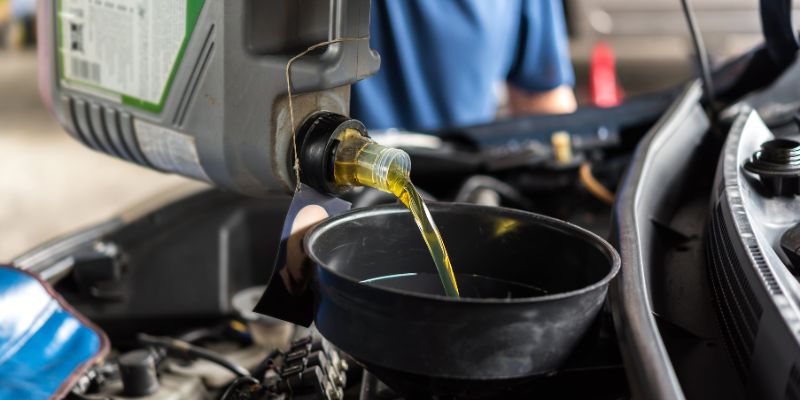
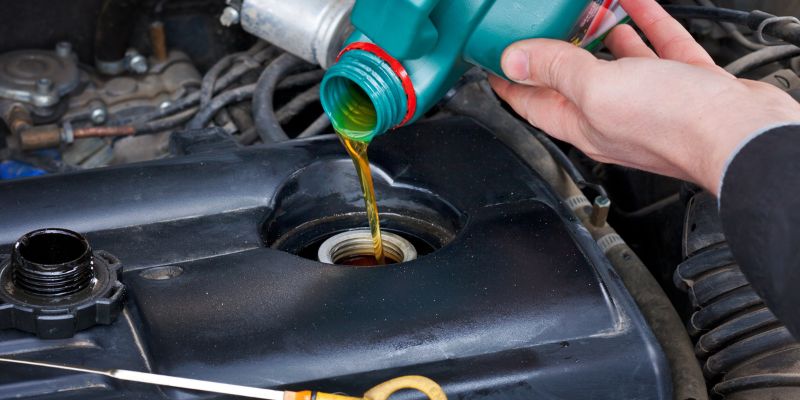
- Add New Oil: Open the hood and locate the oil fill cap (it usually has an oil can symbol). Remove the cap and use a funnel to pour in the correct amount and type of new oil, as specified in your owner’s manual.
- Check the Oil Level: Replace the oil fill cap. Start the engine and let it run for about a minute. This circulates the new oil and fills the new filter. Turn off the engine and wait a few minutes for the oil to settle back into the pan. Then, pull out the dipstick, wipe it clean, reinsert it fully, and pull it out again to check the oil level. It should be between the “add” and “full” marks. Add more oil if needed, but do not overfill.
- Dispose of Old Oil Properly: Never pour used oil down drains or onto the ground. Most auto parts stores and service centers accept used oil for recycling.
For more detailed visual guides, resources like Haynes Manuals or Chilton Manuals, or reliable automotive information sites such as RepairSmith offer excellent step-by-step tutorials with pictures and videos showing the exact process for specific car models.
Hybrid Oil Change Intervals: A Comparison Table
To further illustrate the differences and similarities in oil change needs, consider this comparison. While the hybrid system changes how the gasoline engine is used, the fundamental need for oil changes remains consistent.
| Feature | Traditional Gasoline Car | Hybrid Car |
|---|---|---|
| Engine Operation | Engine runs most of the time the car is in motion. | Gasoline engine cycles on/off; often assists electric motor. |
| Oil Change Frequency (Typical) | Every 5,000 – 7,500 miles or 6-12 months, depending on oil type and driving. | Every 7,500 – 10,000+ miles or 12 months, often using synthetic oil. |
| Oil Type (Common) | Can use conventional or synthetic oil. | Almost exclusively uses synthetic oil. |
| Impact of Driving Conditions | Significant impact; harsh conditions shorten intervals. | Impacted by start-stop cycles; harsh conditions may warrant earlier changes. |
| Key Consideration | Engine works harder and more consistently. | Engine usage is less consistent, but oil still degrades and contaminates. |
As you can see, while hybrid cars might enjoy slightly longer intervals thanks to synthetic oils and less consistent engine use, they are by no means exempt from regular oil maintenance. Always consult your owner’s manual for the most accurate recommendations tailored to your specific vehicle.
Frequently Asked Questions (FAQ)
Q1: Do hybrid cars need a different type of oil than regular cars?
A1: While the base oil types (like 0W-20 or 0W-16) might be the same as some gasoline cars, hybrid vehicles almost exclusively use high-quality synthetic oil. Your owner’s manual will specify the exact viscosity grade and oil specification required for your hybrid.