How To Know What Air Filter To Buy For Your Car
This guide is here to make that process simple. We’ll break down what you need to know. You’ll learn how to tell when your filter needs changing.
We’ll look at different kinds of filters. And most importantly, we’ll show you how to pick the exact one your car needs. Get ready to feel confident about this simple but vital car part.
Choosing the correct car air filter is essential for your engine’s health and performance. This guide helps you identify when to replace your filter, understand different filter types, and find the exact match for your vehicle, ensuring optimal airflow and protection.
What Is a Car Air Filter?
Your car’s engine needs air to run. Think of it like us breathing. The air has to be clean for the engine to work well.
A car air filter is like a gatekeeper. It sits in the path of the air entering your engine. Its job is to catch dirt, bugs, dust, and other tiny bits before they get inside.
Why is this so important? Well, imagine breathing in dust all day. It wouldn’t feel good, right?
For an engine, dirt can cause real damage. It can scratch up the inside parts. This makes the engine work harder and less efficiently.
A clean filter means clean air. Clean air helps your engine run smoothly and last longer.
So, the air filter is a simple part, but it does a big job. It protects the heart of your car. Without it, or with a dirty one, your engine is at risk.
It’s one of those things you don’t think about much until there’s a problem. Keeping it clean is a key part of car care.
When to Change Your Car Air Filter
How do you know when it’s time for a new air filter? Most car makers suggest changing it every 12,000 to 15,000 miles. This is a good general rule.
But it’s not a strict rule for everyone. Some things can make your filter get dirty faster.
Where you drive matters a lot. If you often drive on dusty roads, like out in the country or on dirt paths, your filter will clog up quicker. City driving with lots of traffic also means more fine particles in the air.
These get trapped by your filter.
Another sign is how your car is running. If you notice your car feels sluggish, like it’s not accelerating as fast as it used to, that could be a dirty air filter. The engine isn’t getting enough air.
This is like trying to run while holding your nose and mouth shut.
You might also see a slight drop in your gas mileage. When the engine struggles for air, it uses more fuel. So, if your gas costs are going up for no clear reason, check that air filter.
You can also just look at it. Most filters are easy to find and pull out.
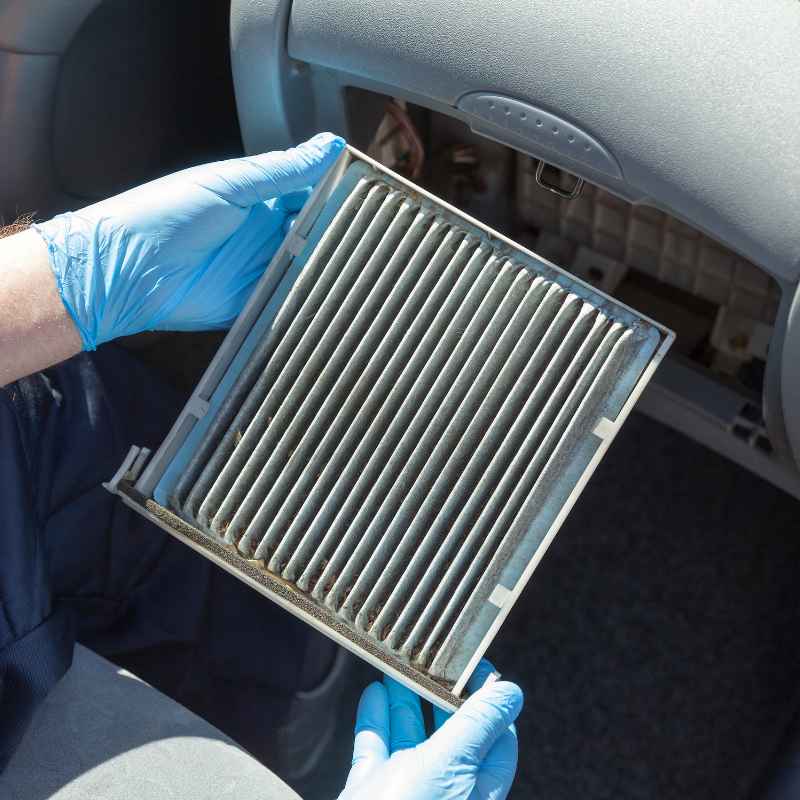
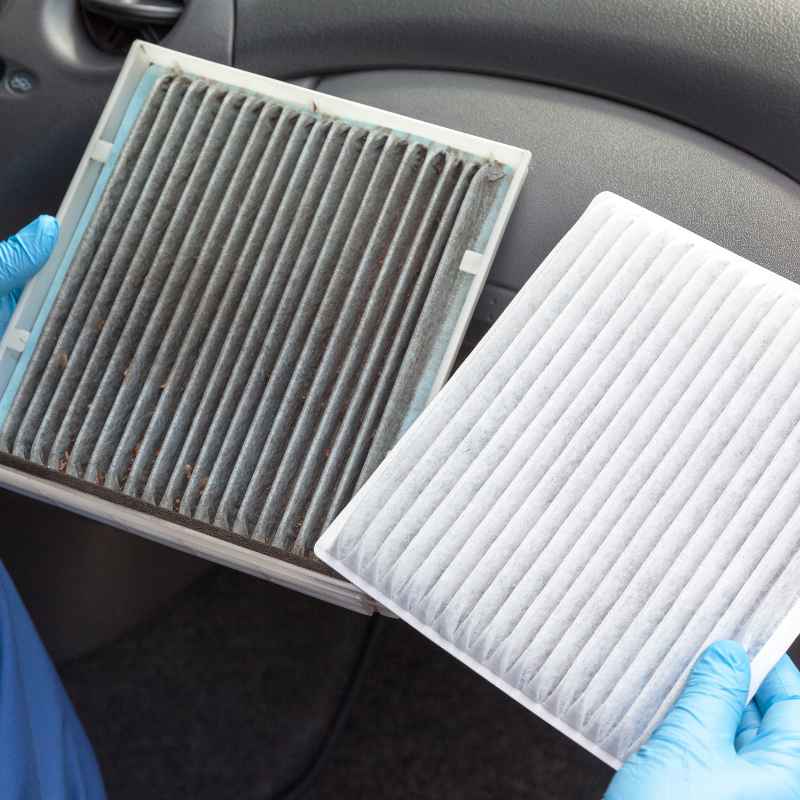
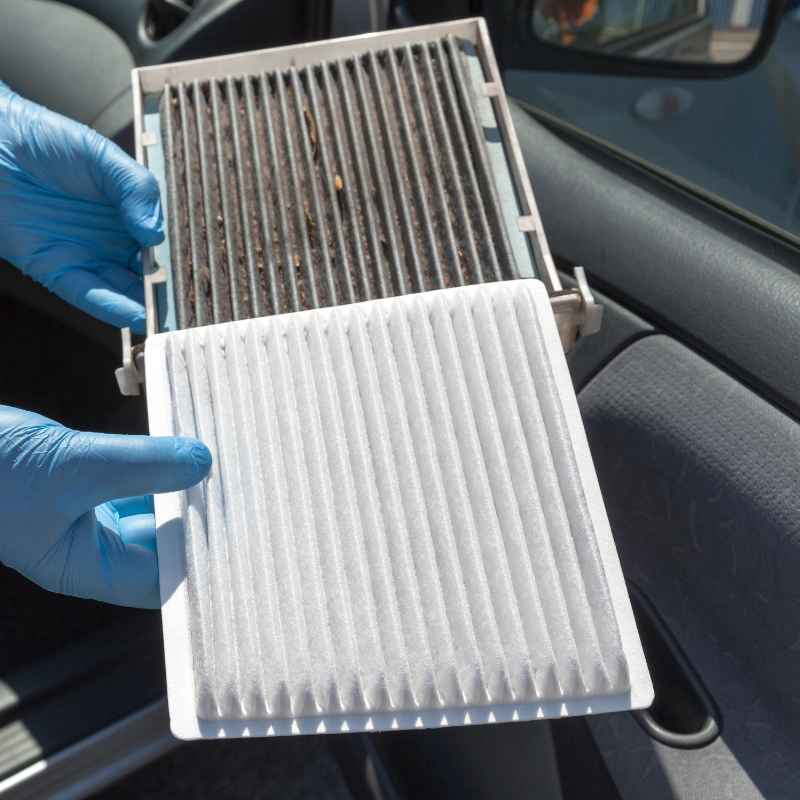
A really dirty filter will look dark gray or black. You might even see bits of leaves or bugs stuck in it. If it looks packed with dirt, it’s time for a change.
It’s a cheap and easy fix that can save you trouble later.
My Own Air Filter Story
I remember this one time, I was driving my old sedan on a long road trip. We were going through some really dusty parts of Arizona. The landscape was beautiful, but oh, the dust!
After a few days, my car started to feel… off. It wasn’t as peppy. It felt like it was working harder than it should.
I’d been driving for hours, and the sun was beating down. I pulled over at a rest stop, mostly to stretch my legs. As I got out, I noticed a weird smell, kind of like burnt oil, but faint.
I got back in the car, and the engine just sounded rougher. I started to worry. Was something seriously wrong?
I’m not a mechanic, but I know the basics. I remembered reading about air filters. I popped the hood and found where the air filter box was.
It was pretty easy to open. When I pulled out the filter, I was shocked. It was completely black.
Like, ink-black. You could barely see the filter material.
I realized that all that dust had completely clogged it. The engine was starving for air. I felt a mix of relief and embarrassment.
Relief that it wasn’t a major engine failure. Embarrassment that I’d let it get that bad. I found a parts store nearby, bought a new filter, and swapped it out.
The difference was almost instant. The engine sounded smooth again, and the car felt like its old self. It was a simple fix, but it taught me a big lesson about checking those filters regularly, especially after dusty drives.
Quick Air Filter Check Guide
What to Look For:
- Color: Should be light beige or white. Dark gray or black means it’s dirty.
- Debris: Can you see leaves, bugs, or heavy dirt caked on?
- Damage: Is the filter material torn or ripped?
When to Check:
- Every oil change is a good habit.
- Before long trips.
- After driving in very dusty or dirty conditions.
Types of Car Air Filters
When you go to buy an air filter, you’ll see a few different kinds. They all do the same basic job, but some offer extra benefits. Understanding these can help you choose the best one for your needs and your car.
The most common type is the standard paper air filter. These are made from pleated paper-like material. They are great at trapping small particles.
They are also the most affordable option. Most cars come with these from the factory. They are designed for everyday driving and offer good protection for normal conditions.
Then there are reusable or washable air filters. These are often made from cotton gauze or synthetic materials. The big plus here is that you can clean them instead of throwing them away.
You wash them with special cleaner and then re-oil them. They can last for many years, so they save money in the long run.
However, reusable filters need regular maintenance. You have to clean them properly. If you don’t, they might not filter as well as a new paper filter.
Also, some people worry they might let a bit more fine dust through than a brand-new paper filter. They can also be more expensive to buy at first.
Some performance filters are also available. These often use a different material or a special pleating design. They aim to allow more air into the engine.
This can give a slight boost in power and maybe a tiny bit better fuel economy. But they are usually more expensive. For most drivers, a good quality paper filter is perfectly fine.
Air Filter Material Comparison
Most common.
Good filtration.
Affordable.
Reusable.
Good airflow.
Requires cleaning.
Reusable or high-flow.
Excellent filtration.
Can be pricey.
When picking, think about your driving habits. If you do a lot of highway miles and don’t drive in very dusty areas, a standard paper filter is usually your best bet. If you’re into performance and want to squeeze every bit of power from your engine, you might look into the higher-end options.
But for most daily drivers, sticking with what the manufacturer recommends is smart.
How to Find the Right Air Filter for Your Car
This is the part that can trip people up. You can’t just grab any air filter. Your car has a specific shape and size it needs.
Buying the wrong one won’t fit right. It might even let dirt sneak around the edges, defeating its purpose.
The easiest way to find the correct filter is to know your car’s Year, Make, and Model. That means: The year it was made (like 2018), the brand (like Toyota), and the specific model (like Camry). You can usually find this information on your car’s registration or insurance card.
When you go to a parts store, or shop online, they will have a system for this. You tell them your car’s info, and they’ll show you what fits. This is the most reliable method for finding the exact right fit.
They have databases that match filters to vehicles.
Another way is to look at your old filter. If you still have the old one, there might be a part number printed on it. You can search for that part number.
This is a good backup if you’re unsure of your car’s exact details, or if the store’s system seems confusing.
Some filters also have a number or code associated with them. For example, a common filter might be called “GA2070” or “CF12345.” These codes are standard across brands. Knowing this code makes finding a replacement much easier.
You can then compare prices between different brands using the same code.
It’s also smart to check your car’s owner’s manual. The manual often lists the recommended air filter part number or specifications. This is the official word from the people who built your car.
It’s a great resource for any car maintenance questions.
Finding Your Filter: A Step-by-Step Flow
- Identify Your Car: Note the Year, Make, and Model.
- Check Owner’s Manual: Look for the air filter part number.
- Visit Parts Store/Website: Use their lookup tool with your car’s info.
- Inspect Old Filter: If possible, find the part number on the existing filter.
- Confirm Fit: Ensure the new filter looks identical in shape and size.
Don’t guess! Taking a few extra minutes to confirm you have the right part number will save you headaches. A filter that’s too small might not seal properly.
One that’s too big won’t fit in the airbox at all. Always aim for a perfect match for optimal engine protection.
Installing a New Air Filter (It’s Easy!)
You don’t need to be a mechanic to change an air filter. It’s one of the simplest maintenance tasks you can do yourself. Doing it yourself can save you money on labor costs at a shop.
Plus, it gives you a good sense of accomplishment.
First, make sure you have your new air filter. It should be the correct one for your car. You’ll also need a screwdriver or a socket wrench, depending on your car.
Some air filter boxes have clips instead of screws, making it even easier.
Open the hood of your car. You need to find the air filter box. It’s usually a black plastic box connected to a large hose that goes towards the engine.
Sometimes it’s a round canister, and other times it’s a flatter rectangular box.
Once you find the box, look for how it’s sealed. It might have screws, metal clips, or plastic fasteners. Use your screwdriver or wrench to loosen or unclip them.
Carefully lift the lid of the air filter box. You might need to wiggle it a bit.
Inside, you’ll see the old air filter. It’s probably dirty and dark. Gently pull it out.
Make a note of which way it was facing, although most filters only fit one way. Sometimes there’s a rubber seal around the edge that needs to sit snugly.
Take your new air filter. Make sure it’s clean before you put it in. Slide the new filter into the empty space.
Push it down so it sits properly in its spot. Make sure the rubber seal (if it has one) is making good contact all around the edge of the box.
Now, close the lid of the air filter box. Make sure it sits down evenly. Re-fasten all the screws, clips, or fasteners.
Tighten screws firmly but don’t overtighten them. You don’t want to crack the plastic. Give the lid a gentle push to make sure it’s secure.
That’s it! You’ve successfully changed your air filter. It’s a small task that makes a big difference for your car’s engine.
It’s a great way to start learning basic car maintenance. You can feel proud of yourself for doing it.
DIY Air Filter Swap Checklist
- Gather Tools: New filter, screwdriver/wrench.
- Locate Box: Find the plastic air filter housing.
- Open Box: Unscrew or unclip the lid.
- Remove Old Filter: Note its orientation.
- Insert New Filter: Ensure a snug, proper fit.
- Close Box: Secure the lid tightly.
What Happens If You Don’t Change Your Air Filter?
We’ve touched on this, but let’s dig a bit deeper. What are the real consequences of letting that air filter get too clogged up? It’s not just about a slight performance drop.
There are more serious effects over time.
As the filter gets dirtier, it becomes harder for air to pass through. The engine has to work much harder to suck in the air it needs. This strain can lead to several issues.
One of the most common is reduced fuel efficiency. Your gas mileage will suffer because the engine is working overtime.
Over time, a severely clogged filter can actually damage your engine’s mass airflow sensor. This sensor measures how much air is entering the engine. If it gets dirty or confused by poor airflow, it can send incorrect signals.
This can cause your “Check Engine” light to come on.
It can also lead to engine misfires. If the engine isn’t getting enough air, the fuel mixture can become too rich. This means too much fuel and not enough air.
This imbalance can cause the engine to sputter or misfire. This feels like a rough idle or a stumble when you accelerate.
In extreme cases, a completely blocked filter can even cause the engine to stall. Imagine trying to breathe through a thick cloth. You’d eventually pass out.
The engine can do the same if it can’t get enough air. This is rare, but possible with very neglected filters.
Also, remember what the filter is supposed to do: stop dirt. If the filter is falling apart or is so clogged that air is forced around it, dirt will get into your engine. This dirt can scratch the cylinder walls and other critical engine components.
This can lead to expensive repairs down the road.
So, while changing an air filter seems small, ignoring it can snowball into bigger, more costly problems. It’s a small investment of time and money to protect a much larger, more valuable part of your car – the engine itself.
Can Any Air Filter Fit My Car? (Spoiler: No!)
This is a common mistake people make, especially if they’re in a hurry or trying to save a few dollars. They might think, “An air filter is an air filter, right?” But the truth is, no, not just any air filter will fit your car. This is a critical point to understand.
Car manufacturers design the air intake system very specifically. The air filter needs to fit perfectly into its designated housing, often called an airbox. This housing is shaped to ensure the filter seals all the way around.
This seal is crucial for filtering effectiveness.
If you buy an air filter that is too small, it won’t seal properly. There will be gaps. Dirt, dust, leaves, and other debris can bypass the filter material and go straight into your engine.
It’s like wearing a mask with huge holes in it – it doesn’t protect you.
If you try to force a filter that is too large, it simply won’t fit into the airbox. You might damage the filter or the airbox itself trying to cram it in. Even if you somehow managed to get it in, it might not seat correctly, leading to the same sealing issues as a filter that’s too small.
The air filter also needs to have the correct dimensions for airflow. While some aftermarket filters might offer slightly different airflow characteristics (like performance filters), the basic dimensions and sealing surfaces are designed for a specific vehicle. Using the wrong size can disrupt how the engine receives air.
So, how do you make sure you get the right one? We covered this earlier, but it’s worth repeating. Always use your car’s Year, Make, and Model to look up the correct part.
You can also check your owner’s manual or the part number on your old filter. These methods ensure you get a filter that fits snugly and seals perfectly.
Don’t be tempted by generic “one-size-fits-most” claims for air filters. While some universal filters exist for very specific applications (like small engines), they are rare for cars. For your car’s engine, specificity is key.
A proper fit is the first step to proper protection.
Why Fit Matters for Air Filters
Proper Seal: Prevents dirt from entering the engine. A bad seal means unfiltered air gets through.
Correct Dimensions: Ensures the filter sits flush in the airbox. Too big or too small won’t work.
Airflow: Designed for your car’s engine needs. Wrong size can affect performance.
What Does “Pleated” Mean for an Air Filter?
You’ll hear the term “pleated” used a lot when talking about air filters. What does that mean, and why is it important? Think about a fan.
It has blades that spin. The pleats in an air filter are kind of like those blades, but for air.
A flat piece of material can only hold so much dirt. If you try to push a lot of air through it, it will clog up fast. Pleating the material means folding it back and forth, like an accordion.
This creates many more folds and a much larger surface area.
Imagine a single sheet of paper versus a stack of folded paper. The folded stack has way more surface. The same idea applies to air filters.
By folding the filter material into pleats, manufacturers greatly increase the amount of surface area available to trap dirt.
This larger surface area does two main things. First, it allows the filter to capture more contaminants. It can hold more dust, pollen, and other particles before it gets clogged.
This means the filter lasts longer and your engine gets cleaner air for a longer time.
Second, because the surface area is so large, the air doesn’t have to rush through any one spot too quickly. The air flows more smoothly over many different surfaces. This reduces the resistance to airflow.
Less resistance means the engine doesn’t have to work as hard to pull air in.
So, when you see a filter described as “highly pleated” or having “deep pleats,” it’s a good sign. It means the filter is designed to be efficient and long-lasting. It’s better at trapping dirt and allowing good airflow.
This is why most quality paper air filters are pleated.
The shape and depth of the pleats are engineered. They are designed to maximize surface area while still fitting within the constraints of your car’s air filter housing. It’s a simple concept with a big impact on how well your car’s engine breathes.
Can You Clean a Paper Air Filter?
This is a question I get asked a lot. People think if they can wash a reusable filter, maybe they can just blast some dirt off a paper one. The short answer is: generally, no, you should not try to clean a standard paper air filter.
Paper air filters are designed to trap very fine particles. They do this through a process that involves the material itself and the way dirt sticks to it. When you try to wash a paper filter, you can damage the delicate fibers.
This can make it less effective at filtering.
Think about trying to wash a coffee filter. It’s made to catch grounds, and it’s pretty fragile. If you tried to rinse it out to use it again, it would likely fall apart or become less dense.
A car’s paper air filter is similar in its delicate structure.
Blowing compressed air on a paper filter might seem like a good idea. It can knock some of the loose dirt off. However, it can also push fine dust particles deeper into the filter media.
Or worse, it can create tiny holes that weren’t there before. These holes let dirt through.
If a paper air filter looks dirty, it means it has done its job by trapping that dirt. The best and safest thing to do is to
The exception to this rule is if you have a specific type of “cleanable” paper filter. These are not common in standard vehicles. Most of the time, if a filter is designed to be cleaned and reused, it will be made of a different material like cotton gauze or a synthetic blend.
Always check the filter’s packaging or your owner’s manual if you’re unsure.
For the vast majority of car owners, the rule is simple: If it’s a paper filter and it’s dirty, buy a new one. It’s the most reliable way to protect your engine. Trying to salvage a dirty paper filter is usually not worth the risk to your car.
What Does “Engine Air Filter” vs. “Cabin Air Filter” Mean?
This can cause confusion because both are “air filters” in your car. However, they do very different jobs and are located in different places. It’s important to know which one you’re dealing with.
The engine air filter is what we’ve been talking about. Its job is to clean the air that goes INTO your engine. This is vital for combustion, which is how your engine creates power.
Clean air means the engine runs efficiently and lasts longer.
The cabin air filter, on the other hand, cleans the air that comes INTO the passenger compartment of your car. This is the air you breathe when your climate control system (heating or AC) is on. Its job is to make the air inside your car fresh and free of allergens.
You can usually find the engine air filter under the hood, in that plastic airbox we discussed. The cabin air filter is typically located behind the glove box or under the dashboard. It’s much smaller than the engine air filter.
Why the confusion? Because both need changing! If your cabin air filter is clogged, you might notice that the airflow from your vents is weak, or that the air smells musty.
It doesn’t affect how the engine runs, but it affects your comfort and health.
When you’re buying a filter, make sure you know if you need an “engine air filter” or a “cabin air filter.” The part numbers and sizes are completely different. Most auto parts stores will ask you which one you need. If you’re unsure, always clarify.
Saying “engine air filter” should get you the right part for your car’s performance and longevity.
Engine vs. Cabin Air Filter
Engine Air Filter:
- Purpose: Cleans air for the engine.
- Location: Under the hood, in the airbox.
- Effect: Engine performance, fuel economy, engine health.
Cabin Air Filter:
- Purpose: Cleans air for passengers.
- Location: Behind glove box or under dash.
- Effect: Air quality inside the car, comfort, allergy relief.
What About Performance Air Filters?
For those who like to tinker with their cars or want a little extra zip, performance air filters (often called “cold air intakes” or high-flow filters) are an option. These are different from standard filters and have their own pros and cons.
The main goal of a performance filter is to allow more air into the engine. This can sometimes lead to a slight increase in horsepower and torque. Because the engine can breathe more easily, it might also slightly improve fuel efficiency.
Some people also like the louder, more aggressive engine sound they can produce.
These filters are usually made from materials like cotton gauze or synthetic fibers that are less restrictive than paper. They often have a different design, sometimes with a cone shape, to draw in cooler air from outside the engine bay. Cooler air is denser, meaning it has more oxygen for better combustion.
However, there’s a trade-off. Performance filters can be more expensive than standard paper filters. They also typically require more maintenance.
Many need to be cleaned and re-oiled regularly. If you don’t maintain them properly, they can actually filter less effectively than a new paper filter.
There’s also a debate about whether they offer a significant real-world benefit for everyday driving. For most people just commuting or running errands, the difference in performance might be barely noticeable. You might spend more on the filter and maintenance for a gain that’s minimal.
If you decide to go with a performance filter, make sure you buy a quality brand. Research carefully and understand the maintenance schedule. For the average car owner, sticking with the manufacturer’s recommended paper filter is the most practical and reliable choice for long-term engine health.
When to See a Mechanic
While changing an air filter is a DIY job, there are times when engine issues require a professional. If you notice any of the following, it’s a good idea to have a mechanic take a look:
- Check Engine Light is On: This light can mean many things, some serious. A mechanic has the tools to diagnose the exact problem.
- Strange Noises: Knocking, grinding, or loud hissing sounds from the engine should be investigated by an expert.
- Major Performance Issues: If your car suddenly loses a lot of power, hesitates badly, or won’t start, it’s more than just a filter problem.
- Leaking Fluids: Any fluid leaks under your car (oil, coolant, brake fluid) need professional attention.
- Overheating: If your temperature gauge goes into the red, stop driving and get it checked immediately.
A mechanic can perform a thorough inspection and use specialized equipment to pinpoint problems. They can also advise on the best course of action for repairs. Trusting a certified technician is important when you’re unsure about what’s happening with your vehicle.
Conclusion
So there you have it! Keeping your car’s engine breathing clean air is surprisingly straightforward. Knowing when to change your air filter, understanding the different types, and how to pick the right one are all key steps.
It’s a simple maintenance task that pays big dividends for your car’s health and your wallet.
Don’t let the options overwhelm you. For most cars, a good quality paper filter is the perfect choice. Just remember to check your car’s details, and you’ll always find the exact fit.
Happy driving with a happy engine!
Products related to this article
Sponsored / affiliate links. As an Amazon Associate I earn from qualifying purchases. I may earn additional commission from eligible campaigns.