Emissions Test vs Vehicle Inspection: What Drivers Need
An emissions test checks tailpipe or OBD pollution output. A vehicle inspection checks safety and equipment. Many states require one, the other, or both before registration renews. Miss the required test and your renewal can be blocked, delayed, or hit with late fees. This guide explains which test applies, what each one checks, where failures happen, and how to avoid a registration surprise.
This guide is part of our Car laws and compliance guide series.
Emissions test vs vehicle inspection: the core difference
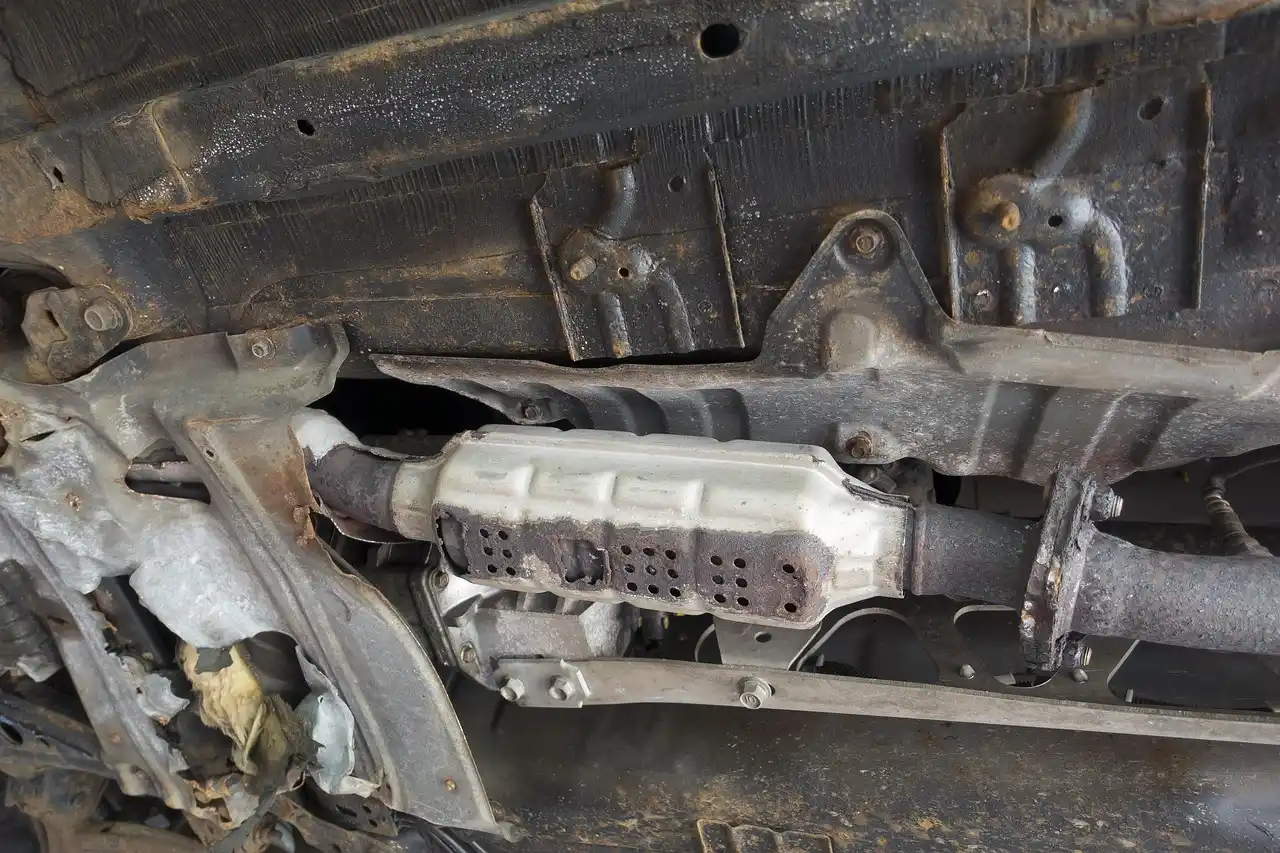
An emissions test checks whether a vehicle is polluting within the limits set by a state or county program. A vehicle inspection checks whether the car is safe and roadworthy. One is about air quality compliance. The other is about equipment and basic operating condition.
That split matters because a car can pass one and fail the other. I have seen a car with strong brakes fail an emissions check for a fault code, and a clean-running car fail inspection for bald tires or broken lights.
| Decision factor | Emissions Test | Vehicle Inspection | Winner |
|---|---|---|---|
| What it checks | Exhaust and emissions-related performance | Safety and roadworthiness items | Tie |
| Main failure types | OBD-II readiness, fault codes, tailpipe readings, emissions-control faults | Brakes, lights, tires, steering, glass, and required equipment | Tie |
| What usually blocks registration | Failed emissions result where the program requires one | Failed safety or equipment result where the program requires one | Tie |
| Best use case | Checking whether the car meets pollution rules | Checking whether the car is fit to drive on public roads | Tie |
What each test is meant to prove
An emissions test is meant to prove that the vehicle’s pollution output stays inside the local program limit. A vehicle inspection is meant to prove that the vehicle meets basic safety and equipment rules. Those are separate compliance questions, even when the state runs them together.
Which failures block registration
Either failure can block renewal when that test is required for your vehicle. That is why drivers get caught off guard: they fix the wrong problem first. The registration hold usually comes from the failed requirement, not from the repair itself.
What does an emissions test check?
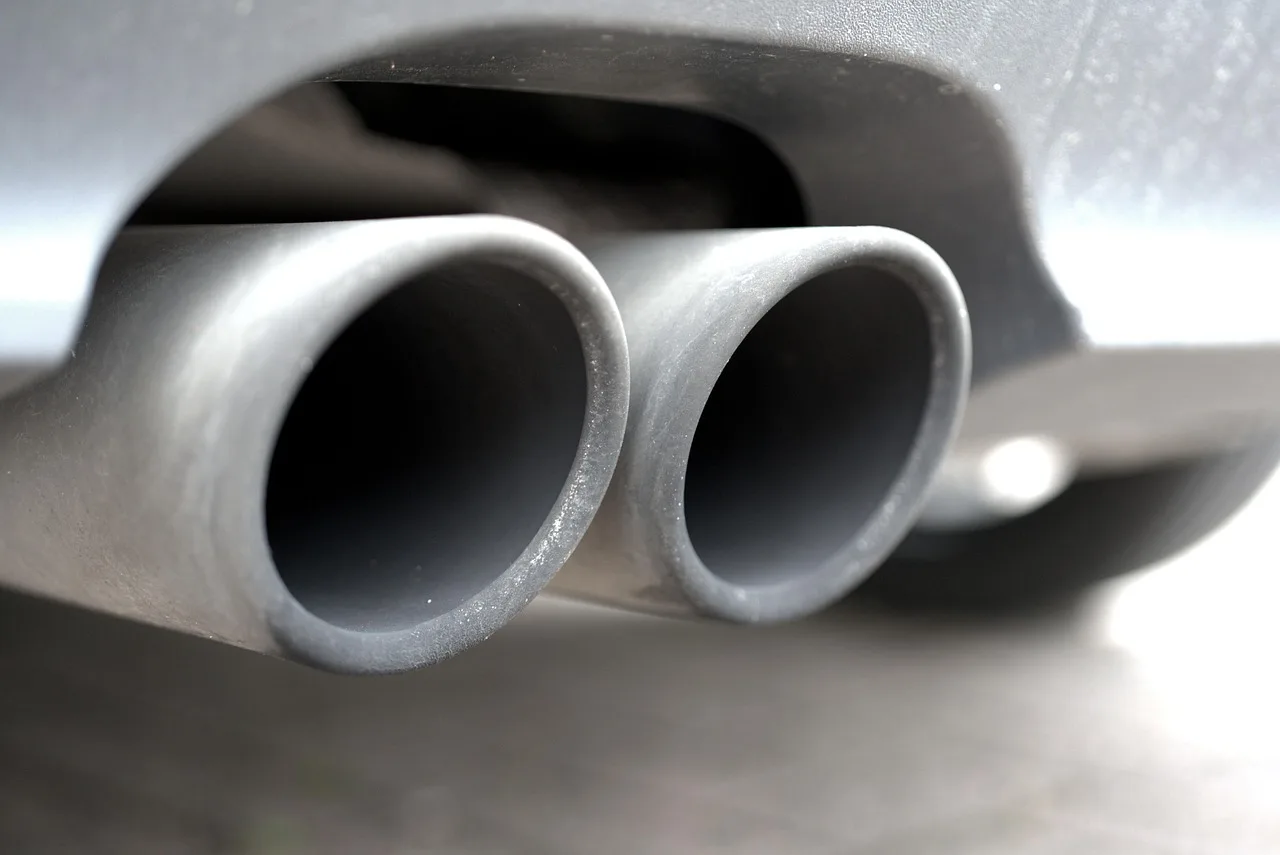
An emissions test checks the vehicle’s exhaust output or emissions-related diagnostics, depending on the program. Many modern programs read OBD-II readiness and fault codes. Some programs still use tailpipe measurement for pollutants such as CO, HC, NOx, and PM. A failed catalytic converter or another emissions-control fault can trigger a failure.
OBD-II readiness and fault codes
On many newer vehicles, the test plugs into the diagnostic system instead of measuring exhaust at the tailpipe. If monitors have not finished or fault codes are stored, a car may fail even if it seems to drive normally. I have seen a battery disconnect cause trouble until the drive cycle finished.
Tailpipe emissions and pollutants
Legacy programs and some special cases still measure pollutants coming out of the exhaust. CO, HC, NOx, and PM are among the substances that may be checked. The exact method depends on the state inspection program and the vehicle category.
Catalytic converter and other emissions parts
The catalytic converter is a key emissions-control device on gasoline vehicles. Damage, theft, or a replacement the program does not accept can lead to an emissions failure. A standard vehicle inspection may not confirm that the converter works the way the emissions program expects. (en.wikipedia.org)

What does a vehicle inspection check?
A vehicle inspection checks safety and roadworthiness items, not exhaust compliance. Common items include brakes, lights, tires, steering, glass, and other required equipment. If the car is unsafe or missing equipment required by that state, it can fail even with a clean emissions report.
Safety items and roadworthiness
This test is built around whether the vehicle can be driven safely on public roads. A cracked windshield in the wrong place, a broken lamp, or weak braking performance can stop approval. The focus is on visible and functional equipment, not on what comes out of the tailpipe.
How a safety failure differs from an emissions failure
A safety failure means the car needs a repair tied to road use. An emissions failure means the car did not meet pollution rules, often because of sensor data, readiness status, or exhaust output. The repair path and retest timing can be different for each.
Which test do you need in your state or county?
Depending on the area and vehicle details, you may need a safety-only inspection, an emissions-only test, or a combined program. The state DMV or inspection authority is the source to check for your exact registration address and vehicle class. Before booking, confirm the rule for your registration address and vehicle type.
Safety-only, emissions-only, and combined programs
Some states require only a roadworthiness inspection. Others require only an emissions test in certain counties. Many combine both. That means one car can face a different rule from another car in the same state if the registration location changes.
County, model-year, and fuel-type rules
County lines can matter more than people expect. Model year can trigger exemptions or different test methods, and fuel type can change the rule entirely. Diesel, EV, and gasoline vehicles are not always treated the same, even in the same program.
Who to confirm with before you book
- Check the state DMV or inspection authority rule for the registration address.
- Confirm whether your county requires emissions testing, safety inspection, or both.
- Verify exemptions for your model year, fuel type, and vehicle category.
- Ask whether retest timing or waiver rules apply after a failure.
Decision table: common vehicle cases and likely requirements
This one-page guide maps common cases to the test most drivers should expect, the most likely failure point, and the agency to confirm with. It is a compliance shortcut, not a substitute for the local rule set.
| Vehicle case | Likely testing requirement | Likely failure point | Who to verify with |
|---|---|---|---|
| New gas car | Often exempt for a time, or subject to a simpler first-test rule | Paperwork mismatch, not mechanical failure | State DMV / inspection authority |
| Older OBD-II car | Often emissions test with OBD readiness check | Incomplete monitors or stored fault codes | State emissions agency |
| EV | Often exempt from emissions, may still need safety inspection | Safety items if a vehicle inspection is required | State DMV / inspection authority |
| Diesel | May have different emissions rules or exemption treatment | Program-specific diesel limits or equipment issues | State emissions agency |
| Out-of-county move | Can change whether emissions testing applies | Wrong county record or missed local requirement | County DMV office / state DMV |
| Rebuilt title | Often inspection-heavy before registration approval | Safety defects or missing equipment | State inspection authority |
New gas car
Newer gasoline cars are often treated differently because exemption rules may apply by age. The problem is paperwork, not the car itself, when a state requires proof of exemption or a first-test date. Confirm the rule before renewal so the registration file does not stall.
Older OBD-II car
Older OBD-II cars are the classic emissions-test risk. The common failures are incomplete readiness monitors and fault codes. If the battery was disconnected or a repair just cleared codes, the car may need more drive time before it can pass.
EV
Electric vehicles often avoid emissions testing because there is no tailpipe output to measure. That does not mean they skip every check. Many still need a safety inspection, and the state can set its own exemption rules.
Diesel
Diesels can sometimes fall under different test rules than gasoline vehicles. Some programs treat diesel emissions separately, and some exclude certain diesel vehicles by age or class. The exact answer is local, so the DMV or emissions office has to confirm it.
Out-of-county move
Moving across county lines can change your testing duty even when the vehicle itself does not change. That is a common surprise during renewal because the registration address controls the rule in many states. A quick address update can also change the deadline for the next test.
Rebuilt title
Rebuilt-title vehicles often face a more involved inspection path before registration approval. The issue is usually missing parts, lights, glass, airbags, or structural concerns, not emissions alone. Some states require a separate inspection authority review before title or registration.
Why would a car be exempt from emissions inspection?
A car can be exempt from emissions inspection because of age, fuel type, or location. Some states also exempt EVs, motorcycles, diesels, newer vehicles, or older vehicles. The exemption is never universal; it depends on the local DMV or state emissions agency rule.
Age-based exemptions
Age-based exemptions are common because older or newer vehicles may fall outside the program window. A vehicle can be too new to test or old enough to be exempt under a local cutoff. The cutoff varies, so drivers should not assume the same rule from one state applies elsewhere.
Fuel-type exemptions
Fuel type matters because the state may not test vehicles without the same emissions profile as gasoline cars. EVs are a common example, and diesel rules can be separate. Some jurisdictions also treat motorcycles differently.
Location-based exemptions
Location-based exemptions are common where only certain counties are inside the program. A move across a county boundary can create or remove a testing duty. That is why the registration address needs to match the location rule on file.
How to verify an exemption before registration
Verify the exemption with the state DMV or the state emissions agency before renewal. The rule should be checked against the actual registration address, model year, fuel type, and vehicle category. If the answer is unclear, ask the agency for the exact waiver or exemption rule in writing.
Choose emissions test if… / Choose vehicle inspection if…
Choose an emissions test when the problem is pollution compliance, a CEL-related emissions fault, or a county rule tied to exhaust output or OBD readiness. Choose a vehicle inspection when the concern is brakes, lights, tires, steering, glass, or other roadworthiness items. If your state requires both, fix the failed one first, then complete the other before renewal.
Choose emissions test if…
Choose emissions testing if your registration county requires it, your car has a stored fault code, readiness monitors are incomplete, or a catalytic converter issue is suspected. It is also the right focus if your vehicle is a gasoline model in a program that checks exhaust or OBD-II status. That is the compliance path for air-pollution rules.
Choose vehicle inspection if…
Choose a vehicle inspection if the car has safety-related problems such as bad brakes, broken lights, worn tires, steering play, or cracked glass in a prohibited area. It is also the right path for rebuilt-title vehicles or any case where the state wants proof the car is roadworthy. That is the compliance path for public-road use.
What to fix first if you need both
If both tests are required, repair the item most likely to fail the test that is due first. A safety defect can stop you immediately, while a readiness issue can sometimes be cleared with a proper drive cycle. The order should follow the local deadline, not guesswork.
Frequently asked questions
is an emissions test the same as inspection
No. An emissions test checks exhaust or OBD pollution-related performance, while an inspection checks safety and required equipment. Some states combine both into one visit, but the legal purpose is different. A vehicle can fail one and pass the other.
what is the difference between emissions and state inspection
Emissions testing is about pollution control and diagnostic status. State inspection is broader and often covers brakes, lights, tires, steering, glass, and other roadworthiness items. The state DMV or inspection authority decides which one applies, and the rules can change by county or vehicle type.
what is the difference between emission and inspection
Emission testing focuses on the car’s pollution output and emissions-control systems. Inspection focuses on whether the car is safe and legally fit for the road. In practice, the first is an air-compliance check and the second is a safety compliance check.
is state inspection the same as emissions test
Not always. Some states use only a safety inspection, some use only emissions testing, and some combine both. The difference is the scope of the check. A combined program still has two separate reasons to fail.
emissions test vs state inspection texas
Texas drivers need to check county-specific rules because the testing duty can depend on where the vehicle is registered. In some places the requirement is emissions-only, in others safety-only, and in some cases both. The Texas DMV or inspection authority is the source to confirm before renewal.
why would a car be exempt from emissions inspection
A car may be exempt because of age, fuel type, or location. EVs, some diesels, motorcycles, and very new or very old vehicles may be treated differently depending on the state. The exemption has to be checked against the local DMV or emissions agency, not a general rule from another state.
what does an emissions test check
An emissions test checks exhaust pollution output or emissions-related diagnostics. Depending on the program, that can mean OBD-II readiness, stored fault codes, or tailpipe measurements for pollutants such as CO, HC, NOx, and PM. A catalytic converter problem can trigger failure.
what does a vehicle inspection check
A vehicle inspection checks safety and roadworthiness. Typical items include brakes, lights, tires, steering, glass, and required equipment. If the vehicle has a safety defect, it can fail even if the emissions system is fine.
Products related to this article
Sponsored / affiliate links. As an Amazon Associate I earn from qualifying purchases. I may earn additional commission from eligible campaigns.