Best Engine Degreaser For Heavy Grease: Top Picks Reviewed
When faced with heavy grease and grime on your car’s engine, using a specialized engine degreaser is key. Look for products designed to break down tough, old grease effectively. Proper application and safety precautions are vital to protect both your engine and yourself.
Understanding Engine Grease and Degreasers
Car engines get dirty fast. Oil leaks, road grime, and dust all build up. This mixture hardens into a tough layer of grease.
This isn’t just about looks. Thick grease can trap heat. It can hide small leaks.
It makes it hard to see problems. So, keeping it clean helps your engine run better and longer.
Engine degreasers are special cleaners. They are made to cut through tough grease. They work by breaking down the oily stuff.
This makes it easier to wash away. There are many types. Some are water-based.
Others use solvents. You need to pick the right one for the job. Heavy grease needs a strong cleaner.
Some people try to use regular soap. It just doesn’t cut through old, baked-on grease. It’s like trying to wash a greasy pan with dish soap that isn’t strong enough.
You’ll be scrubbing forever. The grease just stays there. That’s why a good engine degreaser is a must-have tool.
My Own Engine Cleaning Challenge
I remember a few years back. My old pickup truck was a classic example of neglect. I’d bought it used, and it clearly hadn’t seen much love.
Every time I opened the hood, I cringed. It looked like a tar pit had exploded under there. Thick, black grease coated everything.
I knew I had to do something, but I was a bit scared.
I worried about spraying the wrong thing. Would it damage hoses? Would it mess with the electrical parts?
I started with a generic cleaner I found in the garage. It smelled strong, but it barely made a dent. I spent hours scrubbing.
My hands were covered in black goo. I felt so frustrated. It was a mess, and my cleaner wasn’t working at all.
I felt defeated, like I’d never get it clean.
Types of Engine Degreasers
When you look for an engine degreaser, you’ll see a few main types. Understanding them helps you choose wisely. They each have pros and cons.
This is important for getting the best results for heavy grease.
Water-Based Degreasers
These are often the most eco-friendly option. They use water as a base. They often have surfactants.
These help lift and loosen grease. They are usually less harsh. They are good for light to medium grease.
For heavy, caked-on grime, they might need more elbow grease. You might have to let them soak longer.
Solvent-Based Degreasers
These are the heavy hitters. They use strong chemicals. These chemicals are great at dissolving oil and grease.
They work fast. They are very effective on thick, stubborn grime. However, they can be harsh.
You need to be careful. They can damage some plastics or rubber. Always check the label.
You also need good ventilation when using them.
Citrus-Based Degreasers
These are a nice middle ground. They use natural citrus solvents. They smell good, unlike many harsh chemicals.
They are effective on many types of grease. They are often biodegradable. They are a good choice if you want something strong but also more natural.
They might not be as fast as some solvent-based ones for the toughest jobs.
Foaming Degreasers
These often come in an aerosol can. They spray out as a foam. The foam sticks to the engine parts.
This gives it more time to work. It can penetrate deep into the grease. This makes them very good for vertical surfaces.
They are easy to apply. Many foaming degreasers are solvent-based for maximum power.
What Makes a Degreaser “Best” for Heavy Grease?
When we talk about “best” for heavy grease, a few things matter. It’s not just about how strong it smells. It’s about how well it breaks down that tough, old grime.
We want something that works without causing harm. We also want it to be easy to use. And it should rinse away clean.
The primary goal is dissolving power. For heavy grease, you need a strong solvent-based engine degreaser. Or a very potent citrus-based one.
These can break the bonds of hardened oil. They turn that black, sticky mess into something you can wipe or rinse away. Look for terms like “heavy-duty” or “industrial strength” on the label.
Another factor is dwell time. How long does the degreaser need to sit on the grime? Stronger degreasers might work faster.
But sometimes, letting a good degreaser soak for a few minutes is key. This gives the chemicals time to penetrate. It softens the old grease.
This is true for both solvent and some citrus types.
We also care about rinsing. Does it leave a residue? A good degreaser should rinse off easily with water.
Or wipe away cleanly. Leftover degreaser can attract more dirt later. It can also potentially harm surfaces if left on too long.
So, easy rinsing is a big plus. Especially for areas you can’t reach easily.
Finally, safety and material compatibility matter. Even the strongest degreasers need to be safe for your car’s engine. They shouldn’t eat through rubber hoses or plastic parts.
Always read the warnings. Use it in a well-ventilated area. Wear gloves and eye protection.
Top Engine Degreasers for Heavy Grease
After a lot of looking and trying, some products stand out. These are the ones that really tackle the toughest jobs. They are the ones that make you feel like you’ve actually won the battle against engine grime.
1. Gunk Engine Degreaser (Engine Brite)
This is a classic for a reason. Gunk Engine Brite is a powerful, fast-acting solvent-based degreaser. It’s designed to cut through the worst grease and grime.
I’ve seen it make a huge difference on very old, neglected engines. You spray it on, let it sit for a few minutes, and then rinse it off. It’s very effective.
Pros: Extremely strong, works fast on tough grease, widely available.
Cons: Strong fumes, requires good ventilation, can be harsh on some plastics if left too long.
2. Griot’s Garage Engine Cleaner
Griot’s Garage is known for quality car care products. Their engine cleaner is no exception. It’s a concentrated, biodegradable cleaner.
It works well on heavy grease but is also a bit gentler than some aggressive solvent cleaners. You can dilute it for lighter jobs. For heavy grease, you use it full strength.
It’s a great option if you want strong cleaning power with a slightly better environmental profile.
Pros: Very effective on heavy grease, biodegradable, less harsh fumes, good for various cleaning needs.
Cons: More expensive than some others, might require slightly longer dwell time for the absolute worst grease.
3. Purple Power Heavy Duty Engine Degreaser
This stuff is seriously potent. Purple Power is a concentrated cleaner that can be diluted. But for heavy engine grease, you’ll want to use it at a higher concentration or even full strength.
It’s a favorite among mechanics. It really breaks down baked-on oil and road film. It’s a workhorse cleaner.
Pros: Extremely powerful for heavy grease, versatile (can be diluted), cost-effective for its strength.
Cons: Very strong, requires caution and good ventilation, can be corrosive if not rinsed properly.
4. Chemical Guys Grime Reaper Heavy Duty Degreaser
Chemical Guys makes a lot of popular detailing products. Their Grime Reaper is formulated for tough jobs. It’s a powerful degreaser designed to break down thick grime.
It often has a pleasant scent, which is a nice change from some harsh chemicals. It’s effective and can be rinsed away easily.
Pros: Strong cleaning power, pleasant scent, rinses clean, good for detailing enthusiasts.
Cons: Can be a bit pricey, might require multiple applications for the most stubborn areas.
5. Simple Green Heavy Duty Cleaner & Degreaser
While Simple Green is known for being more eco-friendly, their heavy-duty formula can tackle some tough jobs. It’s a non-toxic, biodegradable option. For very heavy, old grease, you might need to let it soak longer.
Or use it as a pre-treatment before a stronger cleaner. It’s a good choice if you’re prioritizing safety and the environment but still need decent cleaning power.
Pros: Non-toxic, biodegradable, safer for many surfaces, good for medium-heavy grease.
Cons: Less effective on the absolute worst, most baked-on grease compared to solvent-based options, may require more effort.
How to Use Engine Degreaser Safely and Effectively
Using a strong engine degreaser isn’t like spraying window cleaner. You need to be smart about it. This is how you get the best results without problems.
Preparation is Key
First, make sure your engine is cool. A hot engine can cause cleaners to evaporate too quickly. It can also create dangerous fumes.
Park your car in a well-ventilated area. Outdoors is best. Lay down some cardboard or plastic sheeting.
This will catch any drips and protect your driveway.
Next, protect sensitive parts. Some engine components don’t like water or chemicals. Cover the alternator, air intake, and any exposed electrical connections with plastic bags.
Secure them with rubber bands or tape. This step is crucial, especially with water-based degreasers.
Application and Dwell Time
Read the product label carefully. It will tell you how to use it. For heavy grease, you’ll likely spray the degreaser directly onto the dirty parts.
Coat the greasy areas well. Avoid spraying directly onto sensitive electrical parts, even if covered.
Let the degreaser sit for the recommended time. For tough grime, this might be 5-10 minutes. Don’t let it dry on the surface.
If it starts to dry, lightly mist it with water. This keeps it active. Watch how it works.
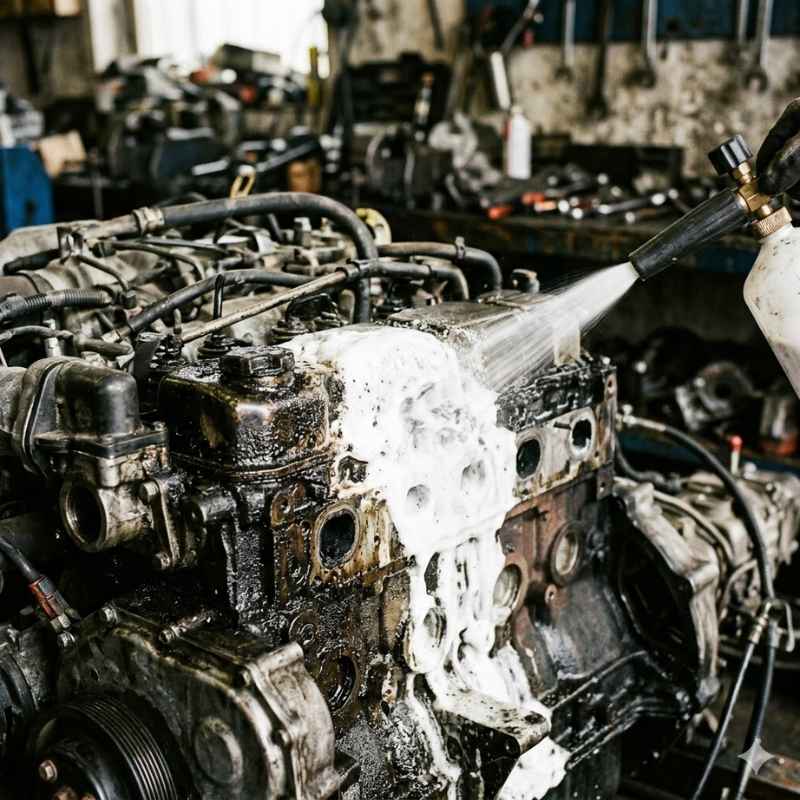
You should see the grease start to break down and run.
Rinsing and Drying
Use a hose with a gentle stream of water to rinse the engine. Avoid using a high-pressure washer. High pressure can force water into places it shouldn’t go.
It can also damage delicate components. Rinse thoroughly to remove all the degreaser and loosened grime.
After rinsing, it’s important to dry the engine. You can use compressed air to blow out water from crevices. Or use clean microfiber towels.
Let the engine air dry completely before starting the car. This prevents any electrical issues.
Safety First
Always wear safety glasses. Engine degreasers can splash. Wear chemical-resistant gloves.
Many degreasers can dry out your skin. Ensure good ventilation. Open garage doors or work outside.
If using a very strong solvent-based degreaser, consider wearing a respirator.
Real-World Scenarios: When You Really Need Heavy-Duty
There are times when a light-duty cleaner just won’t cut it. These are the situations where a strong engine degreaser is your best friend. I’ve seen these scenarios play out many times.
The Classic Overlander
Imagine an old Jeep or truck that’s been used for off-roading. Or just lived a hard life. The engine bay is coated in a thick, sticky layer of mud, oil, and road salt.
This isn’t just surface dirt. It’s baked on from years of heat and pressure. It hides rust spots.
It can prevent you from seeing a small oil leak before it becomes a big problem.
In these cases, a solvent-based degreaser is almost always needed. You need something that can penetrate that thick layer. It needs to lift years of grime.
Multiple applications might be necessary. You’ll spend time scrubbing with a stiff brush too. That’s where the heavy-duty stuff shines.
The Neglected Project Car
Many people buy project cars. They look great on the outside. But the engine bay is a horror show.
It might have sat for years. Old fluid has leaked and dried. Dust has accumulated.
It’s a greasy, grimy mess. You can’t even tell what the original color of the engine was.
Cleaning this kind of engine is a huge part of the restoration. A strong degreaser helps remove the bulk of the grime. It makes the engine look presentable.
It also lets you inspect the engine properly. You can spot cracked hoses or worn parts more easily. This is a job for the heavy-duty cleaners.
The Oil-Leaking Daily Driver
Even a car you drive every day can develop heavy grease problems. If there’s a minor oil leak, that oil will blow around the engine bay. Mixed with dirt and dust, it creates a thick, greasy film.
This film can get worse over time.
If you ignore it, it can look bad. It can also attract more dirt. And it can hide the source of the leak.
Using a good engine degreaser once or twice a year can keep this under control. It makes maintenance easier. It keeps the engine bay cleaner.
It’s preventive care.
When Light Degreasers Are Enough
Not every engine cleaning job requires the strongest stuff. Sometimes, a milder cleaner is better. It’s less harsh.
It’s safer for more parts. And it’s easier to handle.
Quick Wipe-Downs
If your engine bay just has a light dusting of dirt or a few small spots of oil, a water-based or citrus-based cleaner is often sufficient. You can spray it on, wipe with a cloth, and you’re done. These are great for regular maintenance.
Preventative Cleaning
If you clean your engine bay regularly, say every few months, you won’t build up heavy grease. A milder cleaner can keep things looking good. It prevents the tough grime from forming in the first place.
Specific Component Cleaning
Sometimes you only need to clean a specific part. Like a valve cover that’s sweating a little oil. In this case, a targeted spray and wipe with a milder cleaner might be all you need.
You don’t need to soak the whole engine bay.
What This Means for Your Car Maintenance
Keeping your engine clean is more than just looks. It’s about practical maintenance. A clean engine bay makes it easier to spot problems.
It helps your engine run cooler. It can even help identify leaks before they become major issues.
When you use a good heavy-duty engine degreaser, you’re making an investment in your car’s health. You’re making it easier for yourself to do other maintenance tasks. You’re protecting your engine from heat and dirt buildup.
For most people with daily drivers, a routine cleaning with a good, but not necessarily the strongest, degreaser once or twice a year is ideal. For older cars, project cars, or vehicles that see heavy use, more frequent or more aggressive cleaning might be necessary. Always remember to follow the instructions and safety precautions.
Quick Tips for a Cleaner Engine
Here are some easy ways to keep your engine bay looking its best.
- Regular Dusting: Even a quick wipe with a damp cloth can remove dust before it settles and mixes with oil.
- Address Leaks Quickly: If you notice an oil or coolant leak, fix it promptly. This stops the greasy mess from forming.
- Use a Protectant: After cleaning, you can use an engine bay protectant. This makes future cleaning easier. It also gives a nice, non-greasy finish.
- Cover Sensitive Areas: Always protect your alternator, air intake, and electronics before washing or degreasing.
Frequently Asked Questions About Engine Degreasers
Can I use dish soap to clean my engine?
While dish soap can cut some grease, it’s generally not strong enough for the baked-on, heavy grease found on car engines. Specialized engine degreasers have stronger solvents or detergents designed for this task. Dish soap might work for a very light cleaning, but it’s not ideal for tough grime.
Is it safe to wash my engine with water?
Yes, it is generally safe to wash your engine with water, but only if you take precautions. You must protect sensitive electrical components and the air intake system from water. Use a gentle stream of water, not high pressure.
Always let the engine dry completely before starting it.
How often should I degrease my engine?
For most daily drivers, degreasing once or twice a year is enough. If your car is older, leaks oil, or is used in harsh conditions (like off-roading), you might need to degrease more often. It really depends on how dirty the engine gets.
Can engine degreaser damage my car’s paint?
Some very strong, solvent-based degreasers can damage car paint if they are sprayed directly onto painted surfaces and left for too long. It’s best to keep degreaser contained within the engine bay. If you do get some on the paint, rinse it off immediately.
What should I do if degreaser gets on my skin?
If engine degreaser gets on your skin, wash the area immediately with soap and plenty of water. Many degreasers can dry out or irritate the skin. If irritation persists, seek medical advice.
Always wear gloves when using degreasers to prevent this.
Can I use brake cleaner as an engine degreaser?
Brake cleaner is a very strong solvent designed to remove brake dust and grease from brake components. While it is powerful, it can be too harsh for general engine degreasing. It may damage rubber and plastic parts in the engine bay.
It’s best to use products specifically made for engines.
Conclusion: Tackling Tough Grime
Getting rid of heavy engine grease can seem like a big task. But with the right engine degreaser, it’s totally manageable. You now know which types work best for tough jobs.
You also know how to use them safely. A clean engine is a happy engine. It makes your car easier to maintain.
And it just looks so much better.
Products related to this article
Sponsored / affiliate links. As an Amazon Associate I earn from qualifying purchases. I may earn additional commission from eligible campaigns.