Does Recharging a Car Battery Work: Myth or Reality?
Imagine you’re ready to hit the road and your car won’t start. Frustrating, right?
You’re not alone—many drivers face this issue at some point. When your car battery dies, you might wonder: Does recharging a car battery really work? You’re not just looking for a quick fix; you want to understand if this solution is reliable and effective.
This article will reveal the truth behind recharging your car battery, helping you make informed decisions. Discover expert insights and practical tips that could save you time and money. Keep reading to ensure you’re never left stranded again.
Credit: www.caranddriver.com
Car Battery Basics
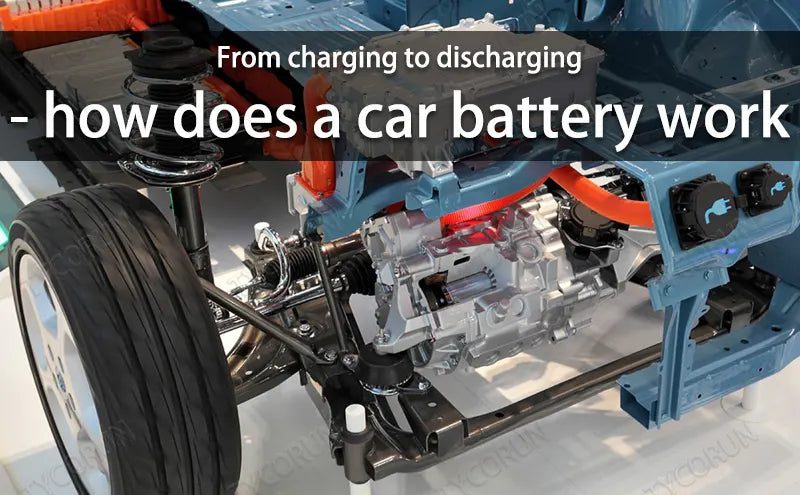
Car batteries come in different types. Lead-acid is the most common. It’s used in many cars. Lithium-ion batteries are newer. They are in electric cars. Each type has its own features. Lead-acid batteries are cheaper. But they are heavy. Lithium-ion batteries are lighter. They last longer.
A car battery does many things. It starts the car. It powers lights and radio. The battery has many parts. Electrolyte is one part. It is a liquid. It helps make electricity. Plates are another part. They are inside the battery. They hold the charge. Terminals are on top. Wires connect to them. These parts work together to keep the car running.

Credit: www.tycorun.com
Signs Of A Dead Battery
The car won’t start. This is a common sign. The engine makes a clicking sound. The lights are dim or flicker. The dashboard lights are weak. The radio won’t turn on. These are signs your battery is dead. Listen for these symptoms.
Use a multimeter to test the battery. Check the voltage. A healthy battery reads 12.6 volts or higher. If the reading is less, the battery might be dead. Inspect the battery for corrosion. Look at the terminals. Clean them if needed. Check the age of the battery. Batteries older than three years might need replacing. These tests can help diagnose the problem.
Recharging Methods
Recharging with a battery charger is simple. First, connect the charger’s cables to your car battery. Red to positive. Black to negative. Set the charger to the right voltage. Plug it in and turn it on. The charger will fill the battery with power. This can take a few hours. Check the battery often. It should not get too hot. Once full, turn off the charger. Unplug and remove the cables.
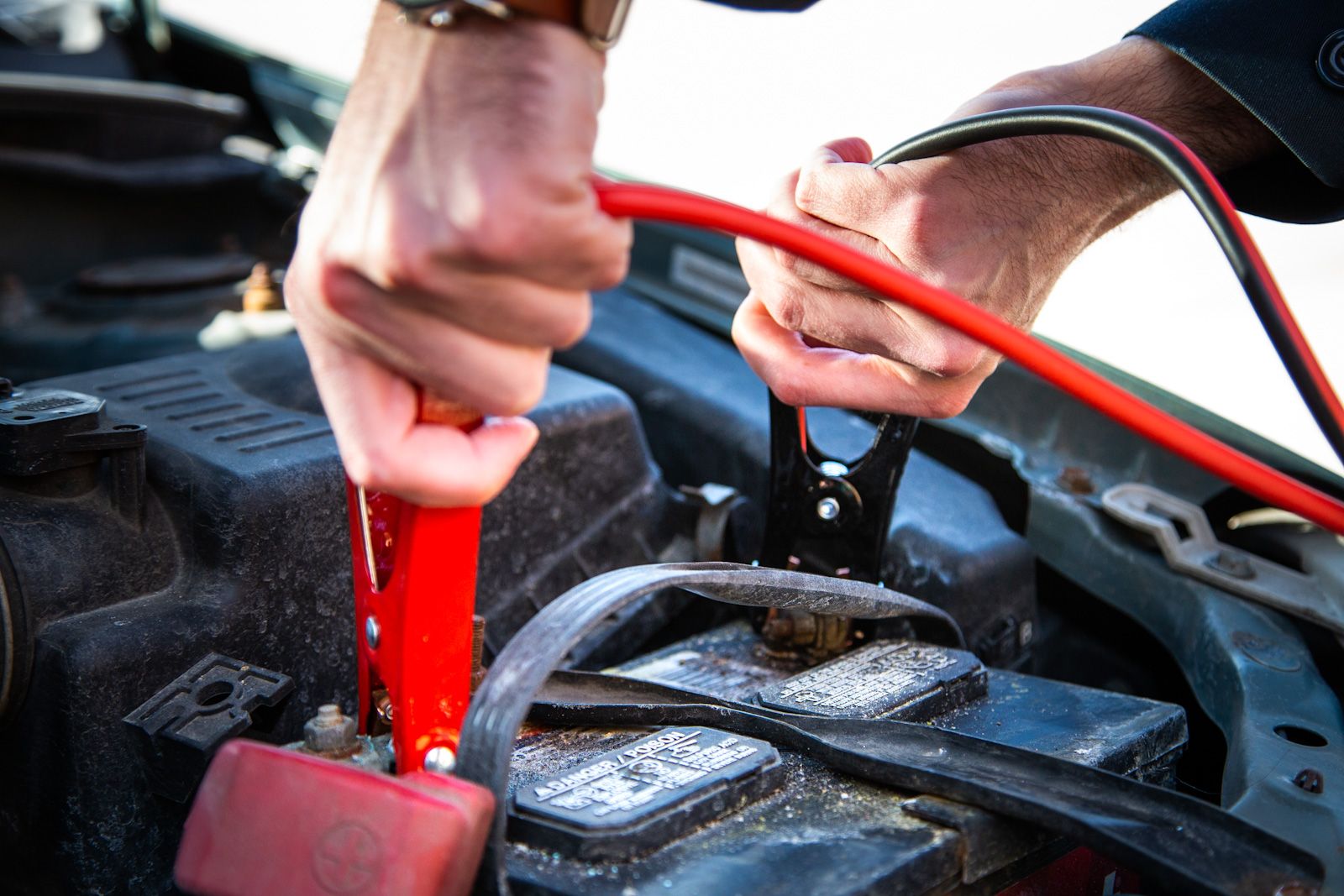
Jump-starting needs jumper cables and another car. Place the cars close but not touching. Turn off both cars. Connect the red cable to the dead battery’s positive terminal. Attach the other end to the good battery’s positive. Connect the black cable to the good battery’s negative terminal. Attach the last end to a metal part of the dead car. Start the working car first. Then try the dead one. If it starts, remove cables carefully in reverse order.

Credit: www.caranddriver.com
Effectiveness Of Recharging
Recharginga car battery can be a quick fix. It gives a temporary boost. But it doesn’t solve all problems. Sometimes, a battery needs a full replacement. Regular recharging can wear it out. This is not a permanent solution. A new battery might last longer. It ensures reliability. Choosing the right fix saves time and money.
Success ratesvary with battery age and condition. Older batteries recharge less effectively. Newer ones perform better after recharging. But no guarantee exists for long-term success. Extreme weather affects battery life too. Cold or hot climates reduce effectiveness. Regular checks help know battery health. Limitations exist, but knowledge helps make smart choices.
Battery Maintenance Tips
Recharging a car battery can extend its life. It helps maintain optimal performance and prevents unexpected breakdowns. Regular checks and proper charging techniques ensure the battery stays efficient.
Regular Inspection
Check the batteryoften for any dirt or grime. Clean with a cloth if dirty. Look for any leaks or cracks. These can cause trouble. Ensure all cables are tight. Loose cables make the battery weak. Watch for corrosion on terminals. Use baking soda to clean if needed. Keep an eye on the battery charge level. Low charge can stop your car. Always have a charged batteryfor safe driving.
Preventive Measures
Park your car in a cool, dry place. Heat can harm the battery. Use a battery maintainer when not driving often. This keeps the charge safe. Avoid leaving lights on when the car is off. This drains the battery fast. Charge the battery if it gets low. A good charge makes the battery last longer. Check for loose connections regularly. Tight connections help the battery work well.
Alternatives To Recharging
Exploring car battery alternatives can offer practical solutions. Recharging a battery often provides a temporary fix. Yet, considering battery replacement or maintenance services may ensure longer-lasting performance.
Battery Replacement
Replacing a car battery is a common solution. Old batteries lose power. They cannot hold a charge well. New batteries provide reliable power. They last longer. Newer models come with warranties. This gives peace of mind. Professional services can install batteries. They ensure everything works. Professionals check the car’s electrical system too. This prevents future problems.
Professional Services
Professional help can be essential. Trained experts know what to do. They have the right tools. They fix problems quickly. This saves time. Safety is important. Experts handle batteries safely. This avoids accidents. They offer advice. Helpful tips keep your car running. Trust in professional services for the best results.
Myth Vs. Reality
Many believe recharging a dead car battery always works. This is not true. Sometimes, a battery is too old or damaged. It might not hold charge anymore. Jump-starting can only help temporarily. Some think you can use any charger. But, wrong chargers can harm the battery. Overcharging is also risky. It can heat the battery too much. This may cause damage. People often confuse recharging with replacing. Recharging is not a fix for every battery problem.
Scientists study battery life and charging. Studies show that recharging helps new batteries. Old batteries may not improve much. Experts suggest checking battery health first. Some batteries need replacement, not recharging. Proper chargers help in keeping the battery healthy. Regular checks can prevent battery problems. Research confirms safe charging methods extend battery life.
Frequently Asked Questions
Can A Car Battery Be Recharged?
Yes, a car battery can be recharged using a battery charger. This process restores its power by supplying electricity. It’s a cost-effective solution compared to buying a new battery. Ensure the battery is in good condition before recharging. Regular maintenance can extend its lifespan significantly.
How Long To Recharge A Car Battery?
Recharging a car battery typically takes 4 to 12 hours. The time depends on the charger type and battery condition. Fast chargers can reduce this time. Always follow manufacturer instructions for optimal charging. Monitoring the process prevents overcharging and potential damage to the battery.
Is Recharging A Battery Safe?
Recharging a battery is generally safe if done correctly. Use the right charger for your battery type. Avoid charging near flammable materials. Ensure proper ventilation to prevent gas buildup. Regularly check connections to avoid overheating. Following safety guidelines minimizes risks effectively.
Can A Dead Battery Be Recharged?
A dead battery can often be recharged if it’s not severely damaged. Use a charger to restore power. However, if the battery is old or damaged, replacement might be necessary. Regular maintenance checks can prevent the battery from dying completely.
Conclusion
Recharging a car battery often proves effective. It’s a simple, cost-saving solution. Always check the battery’s condition first. Sometimes, replacement is necessary. Use a good charger for safety. Regular maintenance extends battery life. Avoid frequent deep discharges. They harm battery health.
Proper care ensures your car runs smoothly. Recharging is not always a fix-all. It depends on the battery’s age and condition. Knowing when to recharge or replace is key. Your car’s performance will thank you. Stay informed. Make wise decisions for your vehicle’s longevity.