Does the car need to be running to add water?
I remember my first car, a beat-up old sedan. One hot summer day, it overheated, and I panicked, wondering, does the car need to be running to add water? I learned the hard way that adding water to a car’s radiator or washer fluid tank has simple rules. This article will answer that question clearly. I’ll share easy steps, tips, and mistakes to avoid. Whether you’re new to cars or a gearhead, you’ll find helpful ideas here. Let’s dive in and make car maintenance fun and simple!
What Does “Add Water to a Car” Mean?
Adding water to a car usually involves topping off the radiator or windshield washer fluid tank. The radiator cools the engine, and the washer fluid cleans the windshield. Knowing when and how to add water keeps your car happy. It’s a basic task, but doing it wrong can cause problems. I’ll explain both cases clearly.
Why Does It Matter If the Car Is Running?
Adding water while the car is running can be risky. A hot engine makes the radiator dangerous to touch. Steam or hot liquid can burn you. For washer fluid, it’s less risky, but still not ideal. Turning the car off ensures safety and prevents spills. Let’s break down when the car should be off.
Adding Water to the Radiator: Step-by-Step
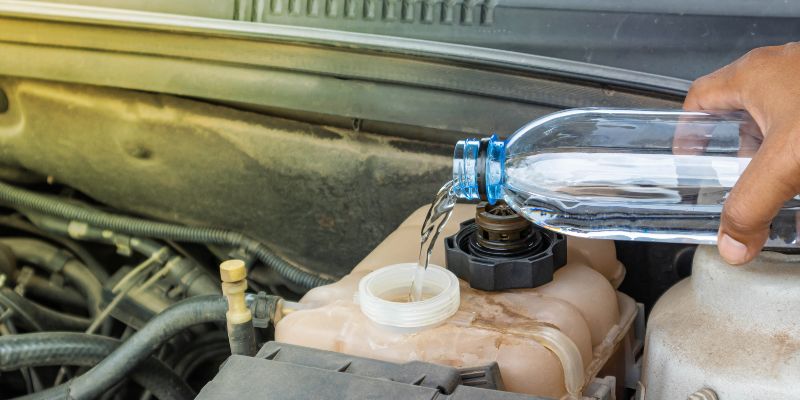
The radiator uses a mix of water and coolant to keep the engine cool. Here’s how to add water safely. Always turn the car off first.
Steps to Add Water to the Radiator
- Park the car. Make sure it’s on flat ground.
- Turn off the engine. Let it cool for 30 minutes.
- Find the radiator cap. It’s under the hood, near the front.
- Check the coolant level. Look at the side of the reservoir.
- Mix water and coolant. Use a 50/50 mix for best results.
- Pour slowly. Fill the reservoir to the “full” line.
- Close the cap tightly. Double-check it’s secure.
Safety Tip: Never open a hot radiator cap. It can spray hot liquid and burn you.
Tools and Materials Needed
You don’t need fancy tools. Here’s a simple list:
- Distilled water (tap water can leave minerals).
- Coolant (check your car’s manual for the right type).
- A funnel to avoid spills.
- Gloves to protect your hands.
Table 1: Radiator Fluid Comparison
| Fluid Type | Cost | Pros | Cons |
|---|---|---|---|
| Distilled Water | $1-2/gallon | Cheap, easy to find | Freezes in cold weather |
| 50/50 Coolant Mix | $10-15/gallon | Protects engine, prevents freezing | More expensive |
| Full-Strength Coolant | $15-20/gallon | Long-lasting, high performance | Needs mixing, costly |
Caption: This table compares fluids for your radiator. Choose based on your budget and climate.
Adding Water to the Windshield Washer Fluid
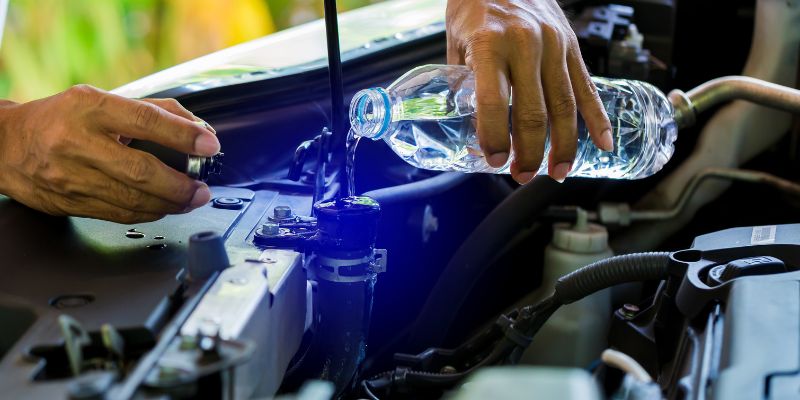
Windshield washer fluid keeps your view clear. You can add water to dilute it or use straight water in a pinch. The car doesn’t need to be running for this.
Steps to Add Washer Fluid
- Locate the washer fluid tank. It’s under the hood, with a windshield symbol.
- Open the cap. It’s usually blue or white.
- Check the level. If it’s low, add fluid or water.
- Pour carefully. Use a funnel to avoid messes.
- Close the cap. Make sure it clicks shut.
Pro Tip: In warm weather, water works fine. In winter, use washer fluid to prevent freezing.
Table 2: Washer Fluid Options
| Option | Cost | Best For | Notes |
|---|---|---|---|
| Plain Water | Free-$1 | Warm weather | May freeze in cold climates |
| Washer Fluid | $3-5/gallon | All seasons | Prevents freezing, cleans better |
| DIY Mix (Water + Soap) | ~$1 | Budget-friendly | Use mild soap, avoid bubbles |
Caption: This table shows washer fluid choices. Pick one that fits your needs.
Does the Car Need to Be Running to Add Water?
No, the car should not be running when adding water to the radiator or washer fluid tank. For the radiator, a running engine is hot and dangerous. For washer fluid, it’s safer to add when the car is off to avoid spills or pump issues. Always turn the car off and let it cool. This keeps you safe and makes the job easier.
Benefits of Adding Water Correctly
Doing it right saves money and keeps your car running smoothly. A full radiator prevents engine overheating, which can cost hundreds to fix. Clean windshield fluid improves visibility, keeping you safe. Plus, it’s a quick task you can do yourself. I once saved $50 by topping off my coolant at home!
Drawbacks and Risks
Adding water incorrectly can cause trouble. Using tap water in the radiator may leave minerals that clog the system. Opening a hot radiator cap can burn you badly. For washer fluid, using only water in winter can freeze the tank. Always follow safety steps and use the right fluids.
Common Mistakes to Avoid
I’ve seen people make these errors. Don’t do this:
- Opening a hot radiator cap. It can spray hot liquid.
- Using only water in the radiator. It needs coolant too.
- Overfilling the washer tank. It can leak and make a mess.
Personal Tips from My Experience
I’ve worked on cars for years. Here are my best tips:
- Check fluid levels monthly. It prevents surprises.
- Keep a jug of distilled water and coolant in your trunk.
- Use a flashlight to see reservoir marks clearly.
These tricks save time and keep your car in top shape.
Table 3: Maintenance Checklist
| Task | Frequency | Tools Needed | Estimated Time |
|---|---|---|---|
| Check Radiator Fluid | Monthly | Flashlight, gloves | 5 minutes |
| Top Off Washer Fluid | Weekly | Funnel, fluid | 3 minutes |
| Inspect Hoses | Every 6 months | None | 10 minutes |
Caption: This checklist helps you stay on top of car fluid maintenance.
Visual Ideas for Better Understanding
Imagine these visuals to make things clearer:
- Diagram of a radiator. Shows where the cap and reservoir are.
- Washer fluid tank close-up. Highlights the cap and fill line.
-
Step-by-step infographic. Pictures for adding coolant safely.
Note: These visuals aren’t included but would help beginners.
Other Ways to Manage Car Fluids
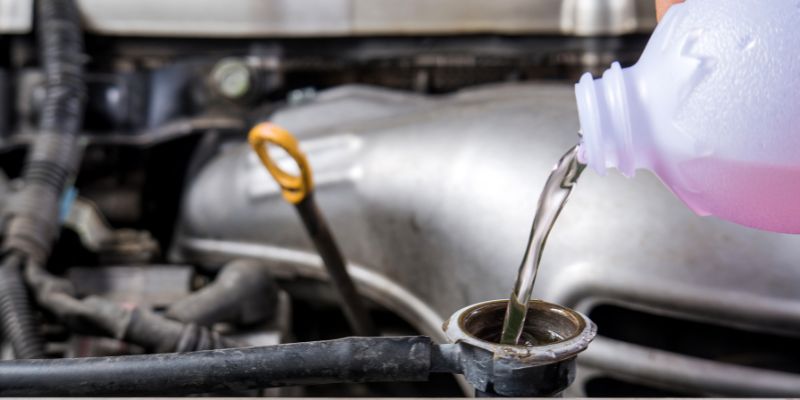
You don’t always need water. For the radiator, pre-mixed coolant is easier but costs more. For washer fluid, store-bought fluid is better in cold weather. You can also visit a mechanic, but that’s pricier. I prefer doing it myself to save cash and learn about my car.
Conclusion
Adding water to your car is simple if you follow the rules. Does the car need to be running to add water? No, always turn it off for safety. Check your radiator and washer fluid regularly to avoid problems. Try topping off your washer fluid this weekend—it’s easy! Share your car maintenance stories in the comments. Let’s keep our cars running smoothly together!
Frequently Asked Questions
Does the car need to be running to add water to the radiator?
No, the car must be off. A running engine is hot, and opening the radiator cap can cause burns from steam or hot liquid. Let the engine cool for 30 minutes before adding water or coolant. This keeps you safe and prevents spills.
Can I use tap water in my car’s radiator?
Tap water isn’t ideal. It has minerals that can clog the radiator. Use distilled water mixed with coolant for the best results. If you’re in a pinch, tap water is okay but flush the system later.
What’s the best fluid for the windshield washer tank?
Washer fluid is best because it cleans well and doesn’t freeze in winter. Plain water works in warm weather but can freeze in cold climates. A 50/50 mix of water and washer fluid is a good budget option.
How often should I check my car’s fluid levels?
Check radiator fluid monthly and washer fluid weekly. It takes just a few minutes. Use a flashlight to see the reservoir marks clearly. Regular checks prevent overheating and keep your windshield clean.
Can I add water while the car is hot?
Never add water to a hot radiator. The pressure can cause hot liquid to spray, burning you. Wait 30 minutes after driving for the engine to cool. Washer fluid is okay to add anytime, but the car should still be off.
Is it cheaper to add water myself?
Yes, doing it yourself saves money. A gallon of coolant costs $10-15, and distilled water is $1-2. A mechanic might charge $50 or more for the same task. Plus, you learn about your car!
What happens if I don’t add water or coolant?
Without enough radiator fluid, your engine can overheat, causing damage that costs hundreds to fix. Low washer fluid makes it hard to see, which is unsafe. Check levels regularly to avoid these problems.